Customizing LPG Cylinder Sizes and Specifications for Different Markets
Oct.05, 2026
When I work on Customizing LPG Cylinder Sizes and Specifications for Different Markets, I begin by matching cylinder capacity to consumption, handling, filling infrastructure, and transport limits. I then confirm the required dimensions, wall thickness, material, valve, pressure rating, certification, markings, and packaging for the destination market. This process helps distributors and gas companies avoid buying cylinders that cannot be filled, registered, transported, or connected locally.
!
The correct specification is not determined by capacity alone. A 10KG LPG Cylinder may suit household cooking in one region, while another market may prefer 12.5KG, 15KG, or a smaller portable format because of different cooking patterns, refill networks, lifting expectations, or valve systems. I therefore treat market research, regulatory review, engineering drawings, prototype testing, and supplier documentation as one connected procurement process.
Key Takeaways
- Cylinder capacity should reflect household consumption, refill frequency, handling limits, and local filling infrastructure.
- Valve threads, pressure ratings, wall thickness, markings, and certification must match the destination country.
- Steel cylinders suit established refill networks, while composite designs may reduce weight and corrosion exposure.
- OEM customization can include dimensions, colors, logos, handles, bases, packaging, valves, and private-label markings.
- A complete RFQ should include drawings, material grades, testing requirements, inspection points, documentation, and shipment approval.
- Shuofang supports cylinder production equipment and standard models including 6KG, 12.5KG, and 15KG formats.
How to Customize LPG Cylinder Sizes and Specifications for Different Markets
I use five decision areas when developing a market-specific LPG cylinder: capacity, mechanical design, connection system, regulatory compliance, and commercial logistics. Capacity determines how often customers refill and how much weight they must carry. Mechanical design controls the cylinder’s empty weight, durability, dimensions, and compatibility with filling and storage equipment.
The connection system includes the valve, outlet thread, regulator interface, sealing method, and protective arrangement. These details must match the equipment already used by distributors, retailers, and households. A cylinder that meets a pressure requirement but uses the wrong valve thread can still create a costly and unsafe deployment problem.
Regulatory compliance should be reviewed before production rather than after shipment. The buyer should identify the accepted design code, material requirements, hydrostatic and leakage tests, marking rules, periodic inspection requirements, and transport documentation. I also recommend confirming whether certification applies to the cylinder design, the manufacturing site, the batch, or all three.
Common LPG Cylinder Sizes by Market
The table below provides a planning reference rather than a universal specification. Final capacity, dimensions, tare weight, and filling limit must be confirmed against local regulations and the buyer’s infrastructure.
| Market or application | Common planning range | Typical reason for selection | Main customization focus |
|---|---|---|---|
| Portable household use | 3KG–6KG | Lower lifting load and short usage cycles | Compact diameter, carrying handle, portable valve |
| Household cooking gas | 10KG–12.5KG | Balance between refill interval and manual handling | Valve compatibility, base ring, branding, local markings |
| Domestic and light commercial use | 15KG–20KG | Higher consumption in homes or small businesses | Reinforced base, stable handling, filling-cycle durability |
| Commercial kitchens | 25KG–50KG | Higher daily fuel consumption | Handling structure, storage arrangement, regulator compatibility |
| Industrial and bulk applications | 50KG and above | Process heating and larger consumption | Heavy-duty design, manifold use, transport and lifting provisions |
| Rural distribution networks | 6KG–15KG | Manual transport over longer distances | Reduced tare weight, durable coating, ergonomic handling |
Shuofang’s published cylinder range includes 6KG, 12.5KG, and 15KG models, while its OEM and custom cylinder information covers approximately 6L to 118L water capacity. These figures can help a buyer establish a starting range, but they should not replace a country-specific design review. For example, a distributor may select a 10KG LPG Cylinder for household cooking while using a 15KG model for restaurants serving several cooking stations.
How Do You Choose the Right LPG Cylinder Size for a Specific Market?
I choose the size by comparing daily consumption, refill access, customer lifting capacity, delivery distance, and storage conditions. If households refill frequently and retailers are close to customers, a smaller cylinder may reduce handling difficulty and initial purchase cost. If customers travel long distances to refill, a larger cylinder may reduce refill frequency but increase lifting and transport requirements.
I also review the filling infrastructure before confirming the design. The filling plant must be able to weigh, fill, inspect, store, and transport the selected cylinder format. A size that cannot be handled efficiently on the existing filling line may create more operating cost than it saves in distribution.
For commercial customers, I calculate the expected daily consumption and compare it with the usable filling quantity permitted by the applicable rules. I then check whether one cylinder, several cylinders, or a manifold arrangement is more suitable. This approach links cylinder capacity to real fuel demand instead of selecting a size only because it is common in another country.
Which LPG Cylinder Specifications Can Be Customized?
A custom LPG cylinder can be adapted in several technical and commercial areas. The most important changes usually concern the following:
- Water capacity and filling capacity: The cylinder can be designed around a target nominal capacity, such as 6KG, 10KG, 12.5KG, or 15KG.
- Dimensions: Diameter, overall height, foot-ring size, handle clearance, and valve protection can be adjusted to suit storage and handling systems.
- Material and wall thickness: Steel grade, thickness distribution, corrosion allowance, and forming requirements must correspond to the selected design code.
- Valve and regulator interface: Valve type, outlet connection, thread form, sealing arrangement, and regulator compatibility require country-specific confirmation.
- Pressure rating: Design and test pressure must be established from the applicable regulation and intended service conditions.
- Surface protection: Coating type, color, primer system, corrosion protection, and surface preparation can be specified for the distribution environment.
- Branding and markings: Logos, batch numbers, tare weight, water capacity, warning text, ownership marks, and inspection information can be printed or stamped.
- Handling components: Handles, collars, base rings, protective guards, and stacking features can be adapted to user requirements.
- Packaging: Export cartons, separators, pallets, protective caps, and container-loading plans can be included in the purchase specification.
I separate safety-critical changes from appearance-based changes during procurement. Valve connections, wall thickness, weld design, pressure rating, and testing require engineering approval. Color, logo placement, printed warnings, and packaging can usually be finalized after the core mechanical design has been accepted.
LPG Cylinder Regulatory Compliance by Country
Local regulations affect nearly every stage of cylinder customization. Before issuing a purchase order, I request the destination authority’s requirements for design approval, manufacturing certification, batch inspection, marking, periodic testing, transport, and import documentation. The buyer should also verify whether the cylinder will be registered by a national gas authority, a pressure-vessel authority, or a recognized inspection organization.
The regulatory review should map each requirement to a specific design decision. For example, a local valve-thread rule affects the neck design and valve supplier. A minimum wall-thickness rule affects material usage and tare weight. A marking requirement affects stamping depth, label layout, paint durability, and inspection visibility.
Testing should be identified in the RFQ with the exact method and acceptance criteria. Common procurement requirements may include dimensional inspection, weld inspection, hydrostatic testing, air-leakage testing, coating inspection, valve-fit verification, and material certificate review. The buyer should not accept a general statement such as “tested according to international standards” without naming the standard, test method, sampling plan, and required records.
Steel Versus Composite LPG Cylinders
Steel remains a practical choice for many gas distributors because established filling plants, repair systems, transport practices, and inspection procedures are often designed around steel cylinders. Steel also provides a familiar platform for welding handles, base rings, valve guards, and other components. Its main disadvantages are higher tare weight and the need for effective corrosion protection and periodic surface inspection.
Composite cylinders can reduce handling weight and may offer better resistance to external corrosion, depending on the construction and service environment. However, they may require different filling procedures, inspection methods, protective practices, supplier qualifications, and replacement policies. A distributor should not select composite cylinders only because they are lighter; the full infrastructure and certification cost must be reviewed.
I compare the two platforms using total cost of ownership rather than purchase price alone. The calculation should include cylinder price, freight, protective packaging, filling-line changes, inspection equipment, replacement frequency, repair limitations, return rates, and disposal requirements. For a distributor with established steel handling equipment, a steel platform may produce a lower transition cost even when a composite cylinder has a lower tare weight.
OEM and ODM Customization Options
OEM customization is useful when a gas company wants its own brand, markings, color scheme, or regional cylinder format. The supplier may produce cylinders according to the buyer’s approved drawings and apply private-label markings during manufacturing. ODM support is broader because the supplier can help develop the dimensions, components, production process, and documentation from an initial market requirement.
Typical OEM and ODM options include:
- Selecting the cylinder capacity and water volume.
- Confirming the valve, regulator interface, and thread system.
- Developing dimensions for filling, storage, delivery, and customer handling.
- Adding brand colors, logos, warning labels, ownership markings, and serial numbers.
- Choosing handles, base rings, guards, coating systems, and protective caps.
- Preparing packaging and container-loading arrangements.
- Producing samples or a pilot batch for local approval.
- Establishing inspection documents and shipment-release procedures.
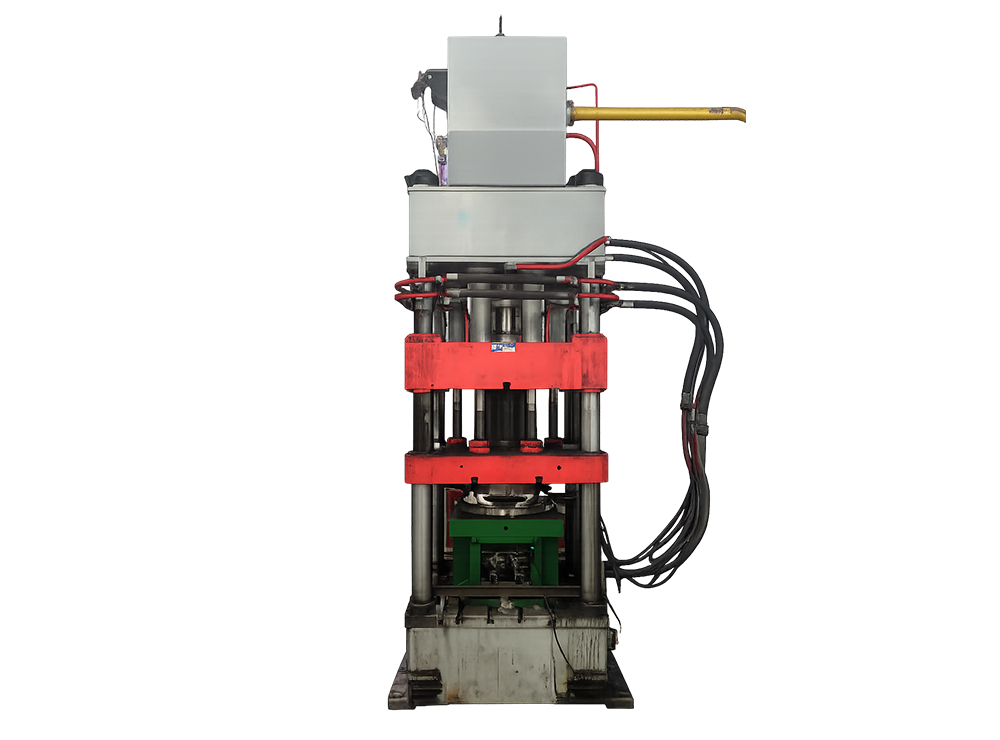
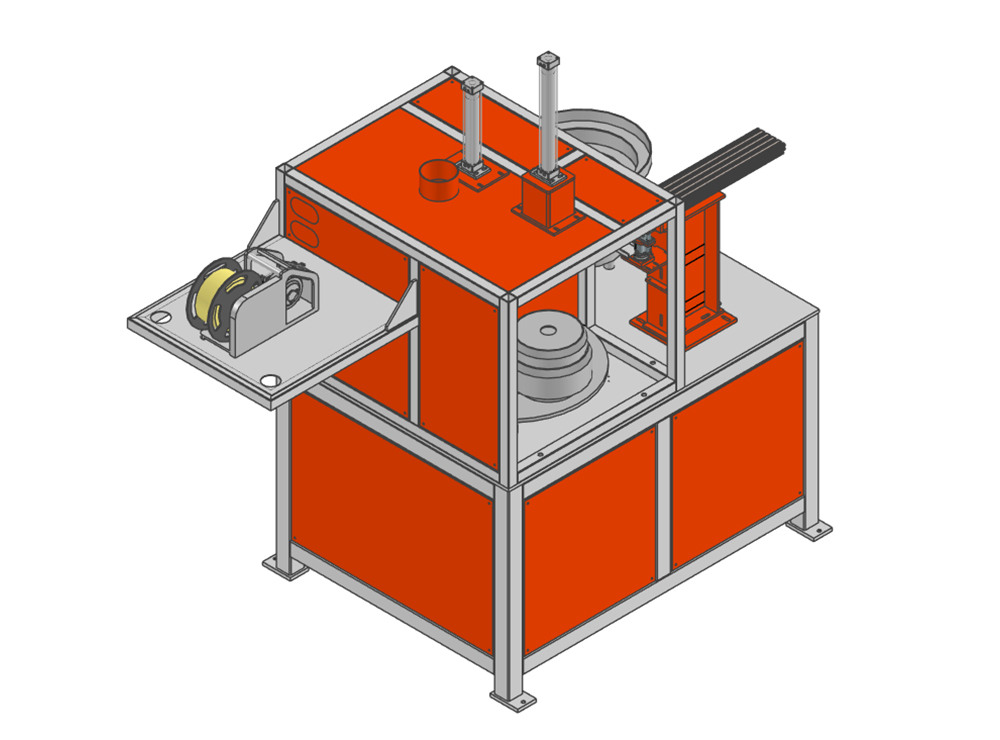
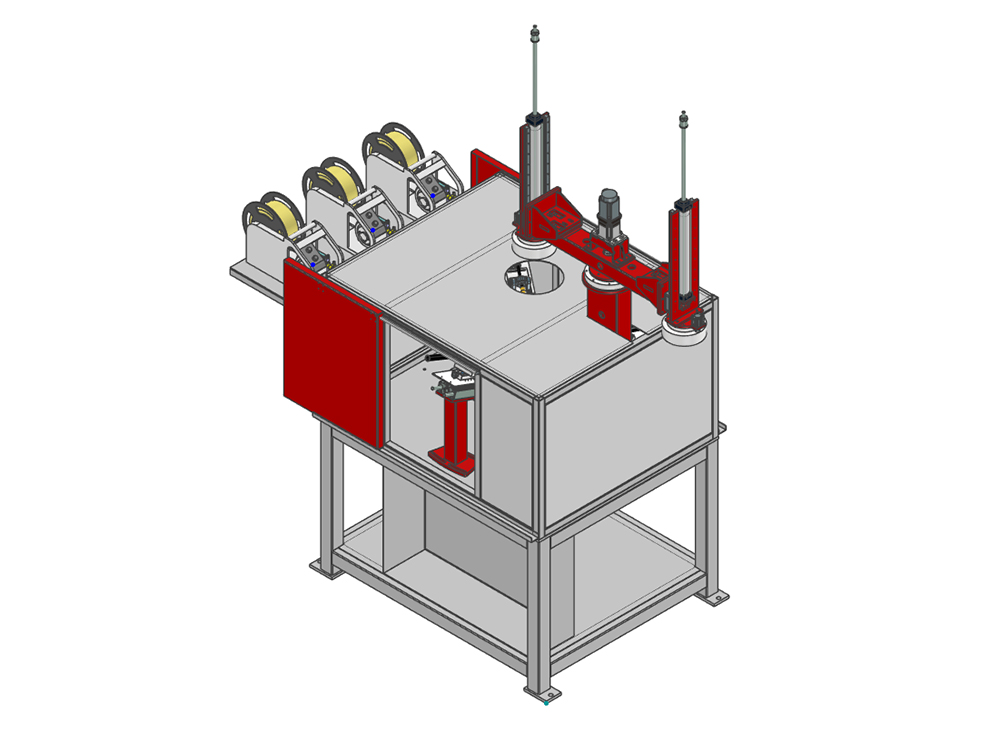
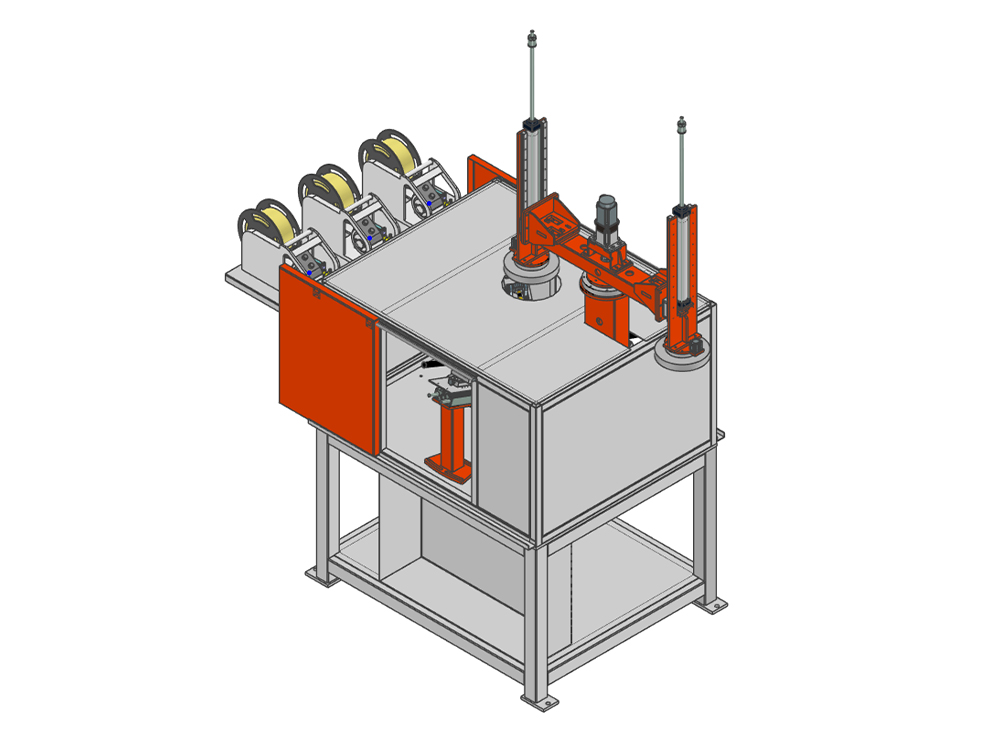
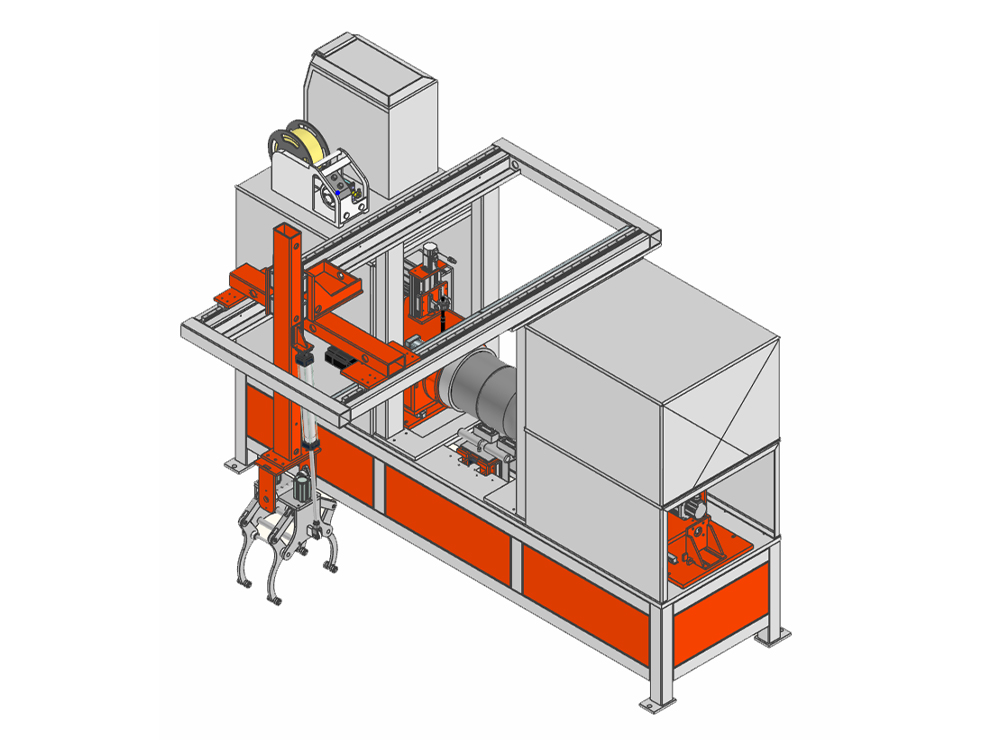
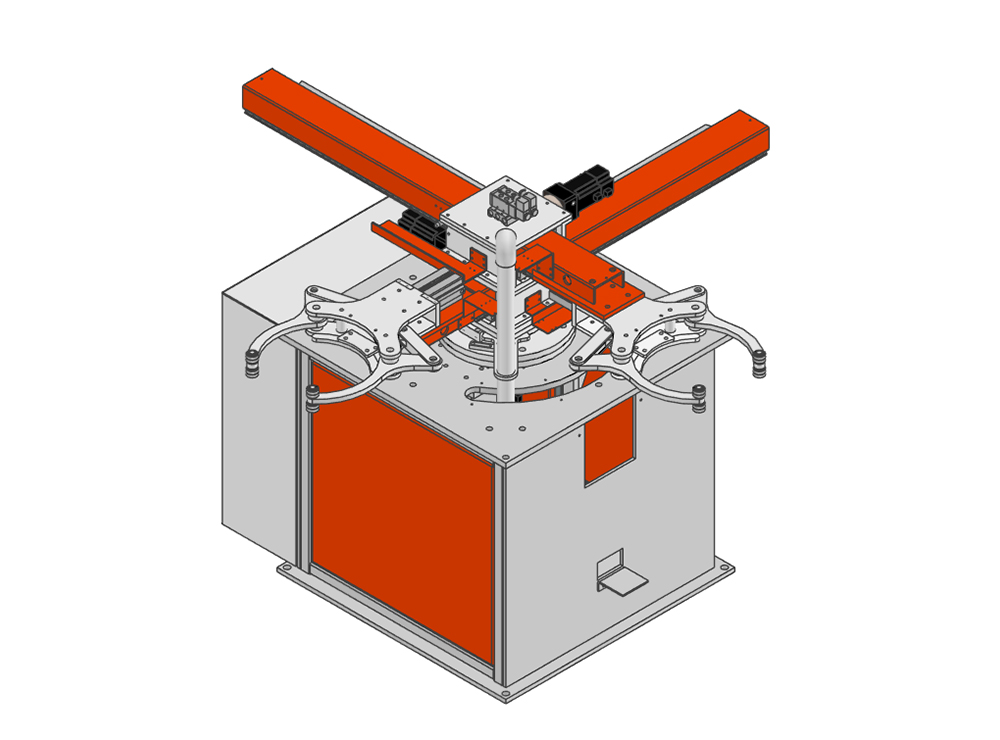
Shuofang presents itself as Henan Shuofang Intelligent Equipment Co., Ltd. and focuses on LPG cylinder production lines as well as cylinder-related manufacturing equipment. Its listed capabilities include material preparation, deep drawing, trimming, valve-seat welding, handle and base welding, circumferential welding, heat treatment, surface coating, hydraulic testing, and airtightness testing. The company also states that its production-line projects have been supplied in China and exported to markets including the United States, Brazil, and Bangladesh.
How to Evaluate a Custom LPG Cylinder Manufacturer
When I compare suppliers, I use evidence from five areas: production capability, quality control, documentation, export support, and after-sales service. Production capability should cover the intended cylinder range, material thickness, forming process, welding method, coating system, testing equipment, and monthly output. The supplier should explain which operations are performed in-house and which are subcontracted.
Quality control should be linked to measurable inspection points. I ask for material certificates, weld inspection records, dimensional reports, pressure-test records, air-leakage results, coating checks, valve-fit records, and final random-inspection procedures. I also request sample reports from the same product family rather than generic documents from unrelated cylinders.
Documentation is essential for international procurement. The supplier should be able to provide approved drawings, technical datasheets, packing lists, certificates of origin where required, inspection records, user instructions, labeling layouts, and shipment documents. If the destination market requires third-party certification, the buyer should confirm who arranges the inspection and who pays for retesting or design changes.
Shuofang lists more than 10 years of company history, a production base exceeding 20,000 square meters, annual output value above 70 million yuan, and production-line project experience that includes a reported annual capacity of 1.68 million LPG cylinders. It also states that equipment is covered by a one-year warranty, with free replacement of parts during the warranty period and continuing technical support. These figures are useful screening information, but I would still verify current capacity, product-specific experience, and applicable certificates during the quotation stage.
RFQ and Implementation Checklist
A complete RFQ should convert the market requirement into documents that a supplier can price and manufacture. I include the target capacity, water capacity, allowable filling quantity, empty weight range, dimensions, material grade, wall thickness, valve specification, pressure rating, coating, markings, packaging, and required certification. I also state the expected order quantity, annual demand, sample quantity, delivery destination, and target shipment schedule.
Before approving production, I request a technical drawing and a written deviation list. The drawing should show the cylinder body, welds, neck, valve seat, handle, base ring, protective components, dimensions, tolerances, and marking locations. Any difference between the buyer’s specification and the supplier’s standard model should be identified before the deposit is paid.
I normally divide approval into sample approval, pilot-batch inspection, and shipment release. Sample approval confirms fit, appearance, dimensions, valve compatibility, and documentation. Pilot-batch inspection checks consistency across production, while shipment release confirms quantity, packaging, certificates, inspection records, and container loading.
Landed-Cost and Lifecycle Planning
The quoted factory price is only one part of the acquisition cost. I calculate landed cost using the cylinder price, tooling, testing, certification, packaging, inland transport, ocean freight, insurance, import duty, port charges, customs clearance, and local delivery. For custom products, I also include engineering samples, printing plates, valve sourcing, drawing revisions, and possible third-party inspection.
Replacement-cycle economics should be included in the business case. A cylinder with a lower initial price may generate more cost if coating failure, damaged valves, poor weld consistency, or incompatibility causes early replacement. I compare the estimated service period, inspection cost, repair policy, return rate, and replacement price across at least two supplier options.
Final Thoughts
Customizing LPG Cylinder Sizes and Specifications for Different Markets works best when the buyer treats the cylinder as part of a complete distribution system rather than as an isolated steel container. Market demand determines capacity, customer handling determines dimensions and tare weight, local infrastructure determines valve compatibility, and regulation determines materials, testing, markings, and certification.
For most household markets, I would begin by comparing 6KG, 10KG, 12.5KG, and 15KG formats against refill frequency, lifting conditions, and retailer equipment. I would then confirm whether steel or composite construction fits the existing filling and inspection network. The final RFQ should include approved drawings, a compliance matrix, sample requirements, inspection criteria, packaging details, and a landed-cost model.
Shuofang can be considered when a buyer needs both LPG cylinder production knowledge and manufacturing-line support, especially where forming, welding, coating, valve installation, pressure testing, and leakage testing must be coordinated. The next practical step is to prepare a market specification sheet and request a product-specific quotation rather than asking for a general standard cylinder price.