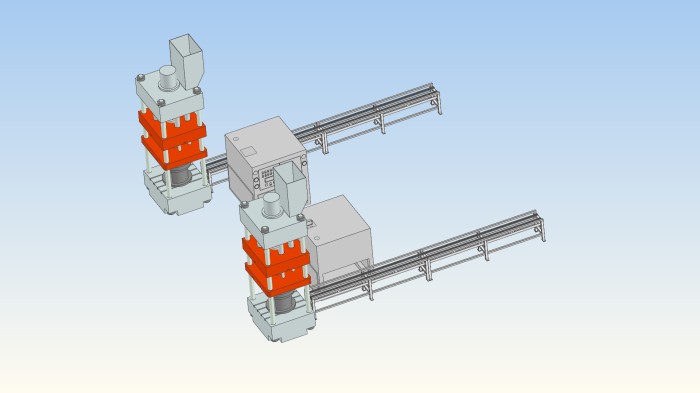
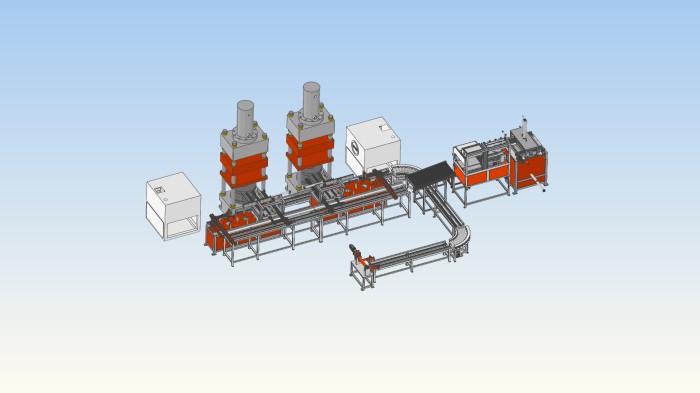
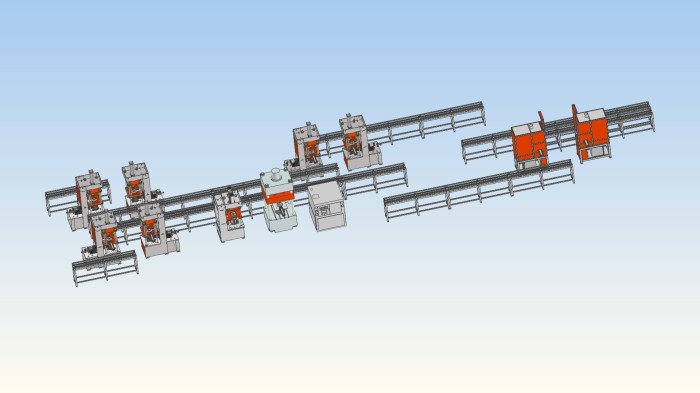
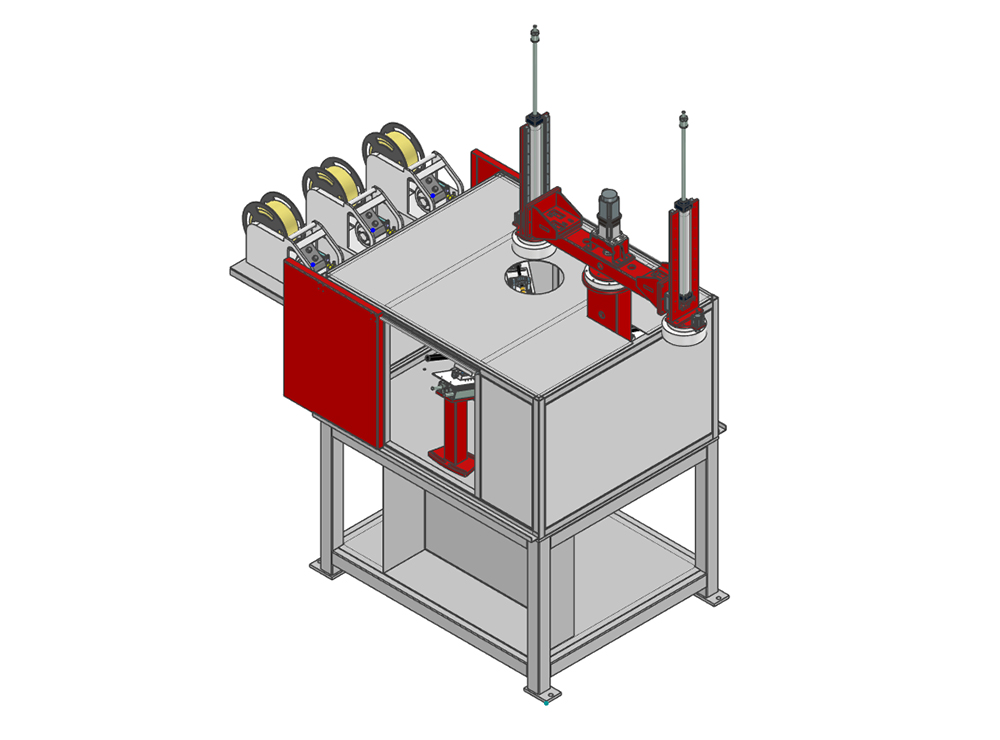
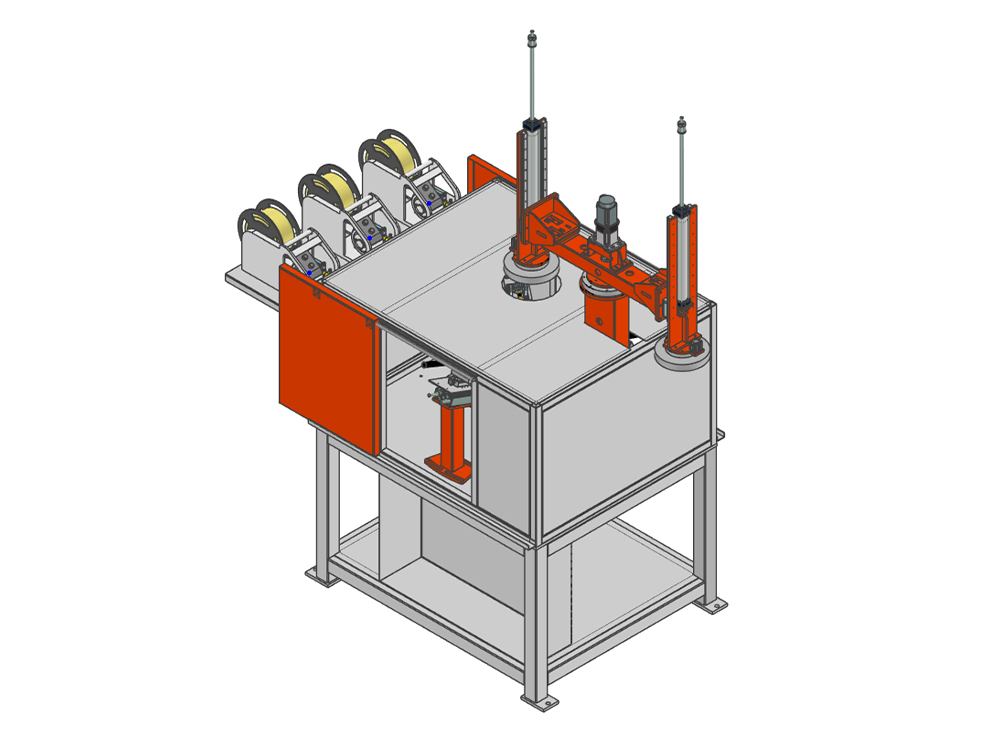
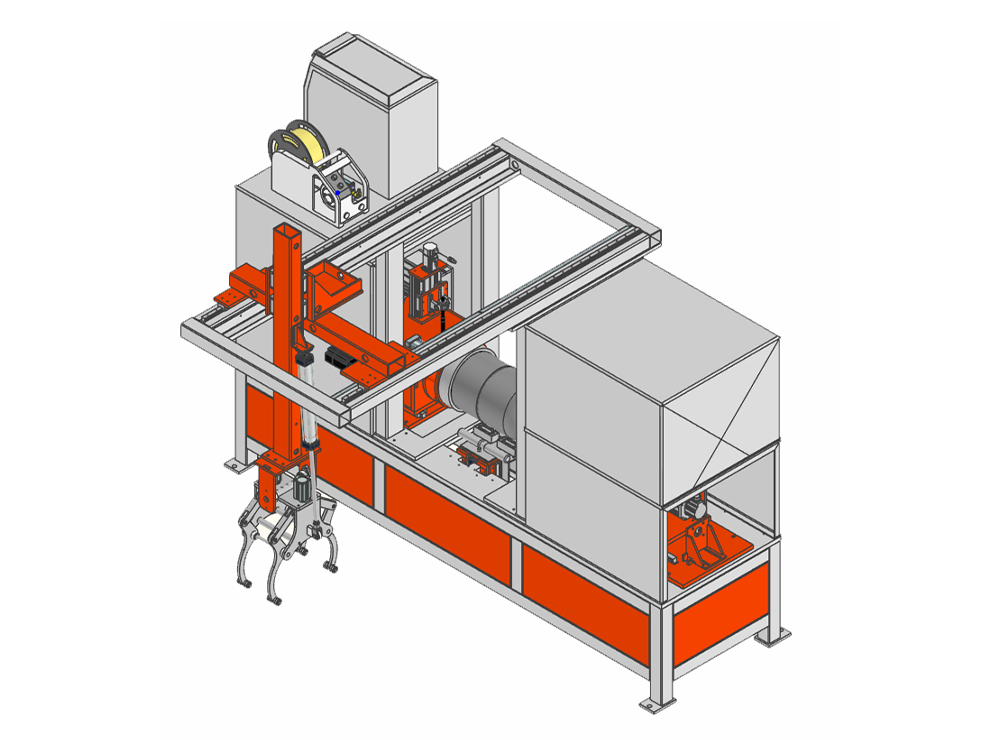
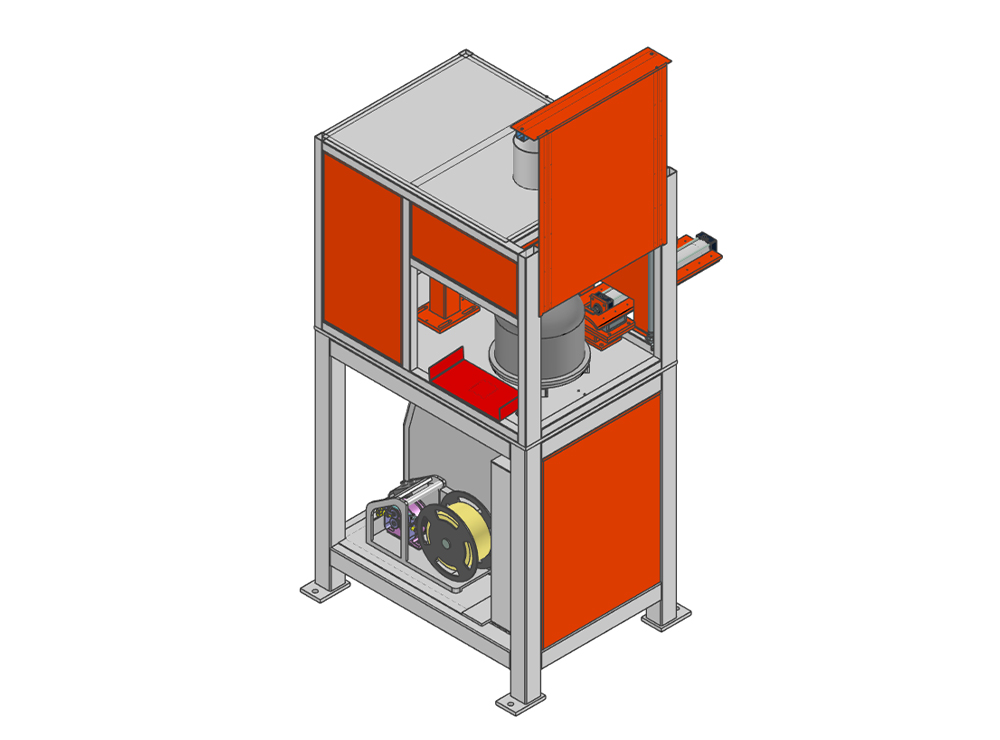
Content: The LPG cylinder end cap processing line series is fully equipped, covering end cap trimming machines, necking machines, weld cleaning machines, punching and lettering machines, as well as valve seat welding machines, hand guard welding machines, and base welding machines. It strictly controls workpiece dimensions, weld quality, marking, and welding strength. The technology is mature and adaptable to the processing needs of different specifications of cylinder end caps.
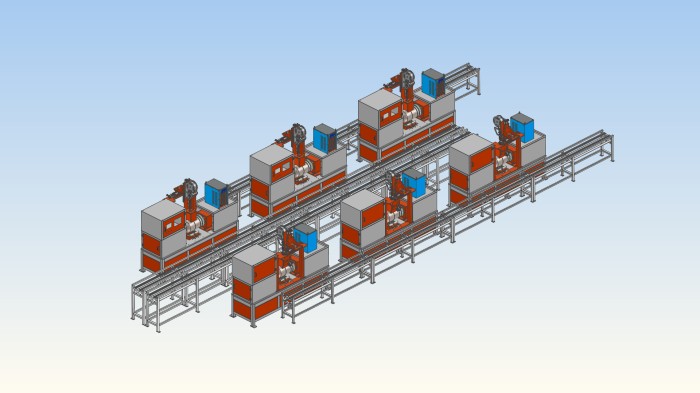
Semi-automatic End Cap Processing Line: The semi-automatic end cap processing line adopts a "manual feeding + automatic processing + automatic unloading" operation mode, balancing manual flexibility with equipment automation efficiency. The operator only needs to master basic material feeding and positioning. The entire line operates stably, is structurally robust, and is easy to learn and use. Routine maintenance is minimal, significantly reducing human error and operational safety hazards.
The equipment can be adjusted to process specifications according to production needs, meeting the batch production requirements of small and medium-sized enterprises, and can also serve as auxiliary equipment for large production lines, flexibly filling capacity gaps while balancing processing quality and production costs.
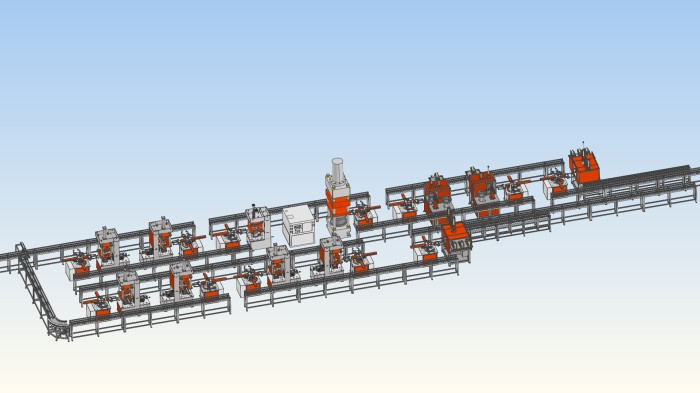
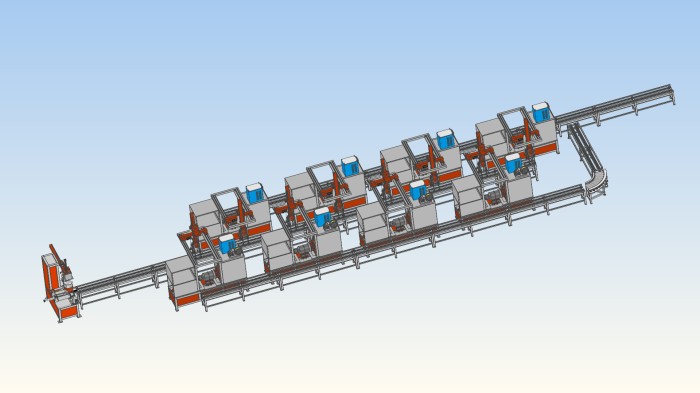
Automatic End Cap Processing Line: This LPG cylinder processing line integrates multiple specialized equipment, achieving fully automated operation from end cap processing to welding of matching components through a self-developed universal end cap robot. No manual intervention is required, significantly improving production efficiency and processing consistency.
The core highlight of this production line is the comprehensive adaptability of the universal end cap robot. The robot can precisely complete the entire process, including end cap blank feeding, processing station switching, welding assistance, and finished product unloading.
The automated production line operates stably with high processing precision, effectively avoiding human error and reducing quality issues such as end cap dimensional deviations. It also reduces labor input, lowers labor costs, and minimizes operational safety hazards. The equipment is simple and easy to operate, with convenient daily maintenance, low operating costs, and supports rapid model changeover. It can flexibly adapt to the production of various cylinder specifications, balancing processing precision and production efficiency.