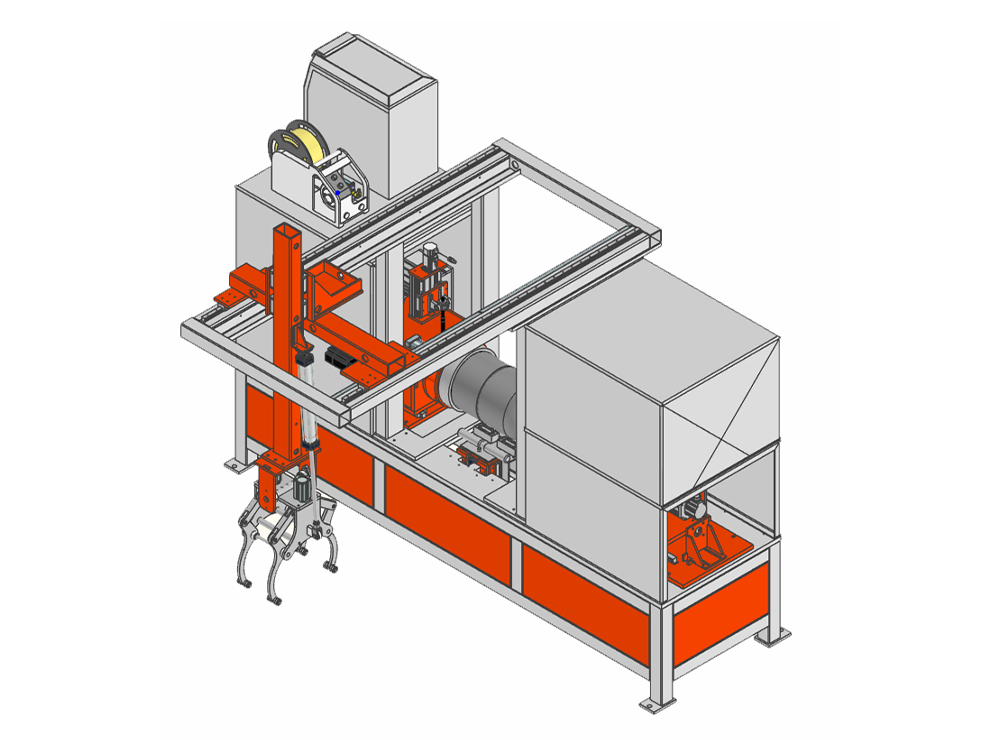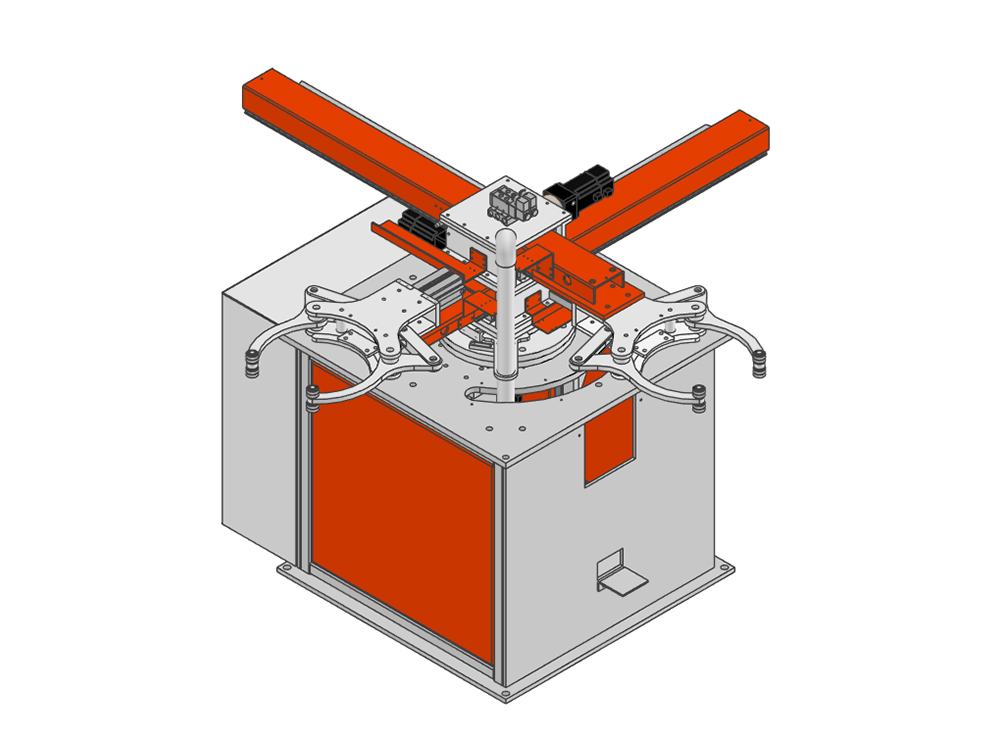
Why Heat Treatment Is Essential for High-Quality LPG Cylinder Manufacturing
Sep.15, 2026
Heat treatment is essential for high-quality LPG cylinder manufacturing because it refines the steel microstructure, relieves residual stress, improves strength and toughness, reduces deformation risk, and helps cylinders withstand internal pressure, temperature changes, handling, and long-term service. In practical production, it must be controlled together with forming, welding, coating, hydraulic testing, and traceability.
I treat heat treatment as a controlled metallurgical operation rather than a simple heating-and-cooling step. The furnace cycle affects the cylinder’s dimensional stability, weld-zone performance, resistance to cracking, and consistency from one production batch to the next. For manufacturers, the objective is not merely to heat cylinders, but to produce repeatable mechanical and dimensional properties that meet the applicable pressure-vessel standard.
!
What Is Heat Treatment in LPG Cylinder Manufacturing?
Heat treatment in LPG cylinder manufacturing is a controlled thermal process used to change the physical and metallurgical condition of steel cylinders after forming, welding, or other manufacturing operations. The process normally includes heating to a defined temperature range, holding the workpiece long enough for the cylinder wall to reach a reasonably uniform temperature, and cooling under a specified condition.
The exact cycle depends on the steel grade, wall thickness, cylinder diameter, forming history, welding method, and applicable standard. A cylinder manufacturer may use annealing, normalizing, stress relieving, or a combined thermal cycle, but these processes are not interchangeable. The selected method must be established through material certificates, welding procedures, mechanical testing, dimensional inspection, and production validation.
In LPG cylinder production, heat treatment commonly follows major forming and welding operations. It may be positioned after deep drawing and circumferential welding, before surface preparation and coating, although the sequence can vary according to the cylinder design and production line arrangement.
Why Heat Treatment Is Essential for High-Quality LPG Cylinder Manufacturing
The main reason for thermal treatment is that forming and welding create non-uniform stress and microstructural conditions in the steel. Deep drawing stretches parts of the blank, while trimming, neck forming, valve-seat welding, circumferential welding, and handle or foot-ring welding introduce additional localized heating and cooling.
If these conditions are not controlled, the finished cylinder can show dimensional variation, residual distortion, reduced ductility, or crack sensitivity. Heat treatment reduces these risks by allowing the steel structure to move toward a more uniform condition. The result is a cylinder with more predictable behavior during pressure testing, filling, transportation, and repeated service cycles.
Heat treatment does not replace good welding or inspection. Instead, it supports the following performance requirements:
- Pressure resistance: More consistent material properties help the cylinder withstand working and test pressure.
- Deformation resistance: A uniform structure reduces distortion during service and later handling.
- Crack resistance: Controlled thermal processing can reduce stress concentration and brittle regions.
- Mechanical strength: Correct treatment balances tensile strength, yield behavior, and elongation.
- Long-term reliability: Lower residual stress reduces the probability of premature failure.
- Regulatory compliance: Documented thermal cycles support conformity assessment and production audits.
The target is not the highest possible hardness. LPG cylinders require a controlled balance between strength and ductility because a pressure vessel must resist internal pressure while tolerating impact, temperature variation, and manufacturing stress.
How Heat Treatment Works in LPG Cylinder Production
The process is usually organized into five controlled stages. Each stage must be linked to a written procedure and recorded for each batch or production lot.
1. Material identification and pre-treatment inspection
Before loading the furnace, I recommend confirming the steel grade, heat number, thickness, cylinder model, welding status, and previous forming operations. Material certificates should be matched with the production traveler so that the furnace operator does not mix different grades or wall thicknesses without an approved cycle.
The manufacturer should also inspect obvious defects before heating, including incomplete welds, sharp notches, severe dents, excessive flash, and contamination. Heat treatment cannot correct an open weld defect or a deep mechanical crack. Heating a defective cylinder may make later diagnosis more difficult and can increase the safety risk during handling.
2. Controlled heating
The heating rate should be controlled to limit thermal gradients between the outer surface, inner wall, weld zone, and thicker attachments. Rapid heating can create temperature differences that add stress before the full cylinder reaches the treatment range.
A furnace for LPG cylinder production should provide reliable temperature measurement at multiple locations. Depending on the system design, this may include furnace sensors, load thermocouples, data logging, over-temperature protection, and calibration records. The required temperature is determined by the steel and process specification rather than by a universal number.
3. Soaking and temperature equalization
Holding time begins only when the cylinder load has reached the required temperature range, not simply when the furnace display reaches its setpoint. This distinction is important because a large batch can contain temperature differences caused by loading density, cylinder spacing, wall thickness, and furnace airflow.
A common engineering approach is to validate temperature uniformity with a loaded test cycle. The manufacturer then establishes an approved operating band, such as a specified setpoint with a defined tolerance, and confirms that the coldest and hottest measurement points remain within the process requirement. Recording this information helps identify furnace drift before it creates a large rejected batch.
4. Controlled cooling
Cooling determines part of the final microstructure and residual-stress condition. Depending on the treatment, cylinders may cool inside the furnace, in still air, or under another controlled method. Uncontrolled removal from a hot furnace can produce uneven cooling and unnecessary distortion.
The cooling strategy must also consider cylinder geometry. Thin sections, weld areas, valve bosses, and attached rings may cool at different rates. Excessive cooling intensity can increase thermal gradients, while cooling that is too slow may fail to produce the intended metallurgical condition.
5. Verification and release
After cooling, the cylinders should be checked for dimensions, surface condition, weld appearance, and evidence of distortion. A validated quality plan may also require hardness testing, tensile testing, bend testing, metallographic examination, hydraulic pressure testing, and air-leakage testing.
The release decision should be based on documented evidence. A furnace cycle without records of temperature, holding time, load identification, calibration status, and inspection results is difficult to defend during customer review or regulatory assessment.
How Heat Treatment Reduces Residual Stress in LPG Cylinders
Stress relieving for welded LPG cylinders is focused on reducing internal stress without necessarily changing the steel structure as extensively as annealing or normalizing. Welding produces a heated fusion zone, a heat-affected zone, and surrounding colder material. As these areas cool at different rates, contraction is restricted and residual stress remains in the cylinder wall.
Residual stress can combine with service pressure, impact, corrosion pits, and geometric discontinuities. This combination may increase distortion or crack sensitivity, particularly around circumferential welds, valve-seat welds, and other joints. A properly designed thermal cycle reduces stress gradients and makes the cylinder’s mechanical response more consistent.
Heat treatment and stress relieving should not be confused with welding quality control. A poor weld profile, lack of fusion, excessive porosity, or undercut remains a defect after heating. The thermal process can reduce residual stress around a sound weld, but it cannot convert an unacceptable weld into an acceptable one.
The Role of Heat Treatment in LPG Cylinder Quality Control
Heat treatment is one element of LPG cylinder manufacturing quality control, and it must connect with every earlier and later inspection point. I recommend using a process map that identifies the required control record for each major operation.
| Production stage | Main risk | Relevant control |
|---|---|---|
| Steel blank preparation | Wrong grade or thickness | Material certificate and traceability |
| Deep drawing | Thinning, wrinkles, cracks | Thickness and dimensional inspection |
| Neck and valve-seat forming | Misalignment or local stress | Position, geometry, and visual inspection |
| Welding | Porosity, undercut, incomplete fusion | Procedure control and weld inspection |
| Heat treatment | Uneven temperature or wrong cycle | Furnace mapping, calibration, and data logging |
| Surface preparation | Scale, oil, or contamination | Cleaning and surface inspection |
| Coating | Poor adhesion or thin coverage | Coating thickness and adhesion checks |
| Hydraulic testing | Pressure instability or leakage | Calibrated test equipment and recorded results |
| Air-leakage testing | Undetected leakage | Pressure decay or approved leakage method |
| Final inspection | Missing records or defects | Batch release checklist |
This separation is important because heat treatment does not provide corrosion protection. Corrosion resistance depends mainly on steel chemistry, surface preparation, coating selection, coating thickness, environmental exposure, and inspection of damaged areas.
Heat treatment also does not replace hydraulic testing. Hydraulic testing evaluates the completed cylinder under a defined test condition, while thermal treatment modifies the steel before final inspection. Both controls are necessary because they answer different engineering questions.
Common Heat-Treatment Defects, Causes, and Corrective Actions
A manufacturer-focused system should connect each thermal defect with a visible warning sign and a defined response.
| Defect | Likely cause | Warning sign | Safety consequence | Corrective action |
|---|---|---|---|---|
| Excessive distortion | Uneven loading or cooling | Ovality, tilted base, poor valve alignment | Installation problems and uneven stress | Review spacing, support, and cooling practice |
| Overheating | Incorrect setpoint or sensor failure | Scale, discoloration, hardness variation | Reduced ductility or altered strength | Stop release, verify sensors, retest material |
| Under-treatment | Short hold time or cold load zones | Inconsistent hardness or residual distortion | Variable pressure performance | Validate load temperature and holding time |
| Oxidation or scaling | Poor atmosphere control | Heavy scale and rough surface | Coating adhesion loss and wall damage risk | Improve furnace atmosphere and cleaning |
| Cracking | Excessive thermal gradient or pre-existing defect | Surface or weld-area cracks | Leakage or pressure failure | Quarantine batch and perform failure analysis |
| Batch variability | Mixed grades or unstable furnace control | Different results between loads | Unpredictable product behavior | Separate recipes and strengthen traceability |
| Decarburization | Furnace atmosphere not controlled | Soft surface layer or hardness reduction | Lower local strength | Control atmosphere and inspect affected material |
When a defect appears, the manufacturer should not simply repeat the furnace cycle without investigation. The correct response is to quarantine the affected lot, review the furnace records, inspect representative cylinders, verify calibration, and determine whether re-treatment is technically permitted for the specific steel and standard.
Choosing the Right LPG Cylinder Heat Treatment Furnace
When selecting a heat treatment furnace for LPG cylinder production, I would assess the equipment against the complete production process rather than comparing only heating capacity. The furnace must accommodate the cylinder diameter, length, wall thickness, loading pattern, planned output, required atmosphere, and available plant utilities.
A manufacturer should review these points:
- Material compatibility: Confirm that the furnace recipe supports the approved steel grades and thickness range.
- Temperature uniformity: Request a loaded temperature survey and define the allowable deviation for the process.
- Capacity and cycle time: Calculate cylinders per load, heating time, soaking time, cooling time, and loading efficiency.
- Atmosphere control: Determine whether air, controlled atmosphere, or another arrangement is appropriate for scale and surface requirements.
- Quenching or cooling strategy: Verify whether the system supports furnace cooling, air cooling, or another specified method.
- Data recording: Require automatic records for setpoint, actual temperature, time, alarm status, and batch identification.
- Safety systems: Check emergency shutdown, over-temperature protection, door interlocks, burner controls, and ventilation.
- Maintenance access: Evaluate heating elements, sensors, insulation, conveyor components, and spare-parts availability.
- Integration: Confirm compatibility with welding, surface preparation, coating, testing, and material-handling equipment.
- Validation support: Ensure the supplier can assist with installation qualification, operational qualification, and production trials.
A continuous furnace may suit stable, high-volume production with consistent cylinder models. A batch furnace may provide greater flexibility for multiple sizes, lower output, or frequent recipe changes. The correct choice depends on annual production, product mix, required traceability, labor availability, and the cost of rejected cylinders.
Shuofang and LPG Cylinder Heat Treatment Furnace Systems
Shuofang presents itself as a supplier of LPG cylinder manufacturing machinery and complete production-line solutions. Its equipment range includes forming, welding, annealing, coating, hydraulic testing, air-leakage testing, and related production equipment. The company also describes an operating LPG cylinder production base used to demonstrate production-line performance and process coordination.
For a buyer evaluating an LPG Cylinder Heat Treatment Furnace from Shuofang, I would request a process-specific technical package before purchase. That package should include furnace dimensions, rated capacity, applicable cylinder sizes, temperature-control accuracy, furnace uniformity data, heating method, cooling arrangement, power or fuel consumption, data-logging functions, safety interlocks, installation requirements, and commissioning responsibilities.
I would also ask for a sample quality plan showing how furnace records connect with cylinder identification and downstream inspection. The most useful commercial comparison is not the equipment price alone, but the total cost per accepted cylinder, including energy, labor, maintenance, calibration, rejected batches, spare parts, and production downtime.
Heat Treatment Requirements and Applicable Standards
There is no single heat-treatment recipe that applies to every LPG cylinder worldwide. Requirements depend on the governing standard, cylinder design, steel grade, welding method, inspection authority, and destination market.
Manufacturers may work under standards such as ISO, EN, DOT, or national pressure-vessel regulations, but the applicable edition and certification route must be confirmed for the target market. The thermal process should be supported by approved procedures and, where required, mechanical testing, weld qualification, inspection records, and conformity documentation.
A practical compliance file should contain:
- Steel certificates and heat-number traceability
- Approved forming and welding procedures
- Heat-treatment recipe and furnace calibration records
- Loaded temperature-uniformity verification
- Batch and cylinder identification
- Hardness or mechanical-test results where specified
- Dimensional inspection results
- Hydraulic and air-leakage test records
- Coating and surface-inspection records
- Nonconformance and corrective-action reports
How to Heat Treat LPG Cylinders Correctly
Correct treatment begins with process validation, not with a furnace purchase. I recommend establishing one approved recipe for each material and product family, then confirming the recipe through instrument calibration, loaded temperature surveys, representative testing, and documented production trials.
Operators should follow the same loading arrangement used during validation. Changing cylinder spacing, stacking height, support fixtures, or batch size can change airflow and temperature distribution. Every load should be identified, and any alarm, interruption, sensor failure, or abnormal cooling event should be recorded before the cylinders are released.
The final decision should combine thermal records with mechanical and pressure-vessel inspection. A cylinder that has completed the programmed cycle but fails dimensional, weld, hydraulic, leakage, or surface requirements must remain nonconforming until a qualified technical review determines the disposition.
Conclusion
Why Heat Treatment Is Essential for High-Quality LPG Cylinder Manufacturing is answered by the relationship between steel structure, residual stress, pressure performance, and production consistency. Controlled heating, soaking, and cooling help produce a more uniform microstructure, reduce deformation and crack sensitivity, and improve the cylinder’s ability to withstand pressure and handling.
Heat treatment should be managed as part of the complete manufacturing system, not as an isolated furnace operation. Before selecting equipment, I recommend confirming the steel grade, applicable standard, cylinder dimensions, output target, furnace uniformity, atmosphere control, cooling method, testing requirements, and traceability plan.
For a manufacturer evaluating Shuofang equipment, the next practical step is to request a process-specific furnace proposal supported by a loaded temperature survey, cycle-time calculation, energy estimate, inspection plan, commissioning schedule, and after-sales support scope. That evidence provides a more reliable basis for judging production capability than equipment capacity or purchase price alone.