Why Air Leakage Testing Is Essential for LPG Cylinder Safety
Aug.14, 2026
Leaking LPG cylinders pose a significant safety risk due to potential fires and explosions, making air leakage testing essential. Many industries overlook this crucial aspect of safety management, leading to devastating scenarios when regulations aren’t followed. Imagine a gas leak occurring unnoticed in a crowded residential area—lives could be lost and properties damaged. Conversely, by implementing effective air leakage testing using advanced Air Leakage Testing Machines, organizations can prevent hazardous incidents and ensure compliance with safety standards.
The Importance of Air Leakage Testing for LPG Cylinders
Air leakage testing, a process that quantifies the leakage rates of LPG cylinders, is vital for several reasons. According to the National Fire Protection Association (NFPA), approximately 3,000 fires annually are caused by gas cylinder leaks in the United States alone. By utilizing comprehensive testing like the Shuofang Air Leakage Testing Machine, companies can detect leaks before they lead to catastrophic events. For instance, a recent case study found that a manufacturing plant reduced its leakage rates by 45% after implementing routine testing protocols, showcasing the process's effectiveness in safeguarding lives and property.
How Air Leakage Testing Works
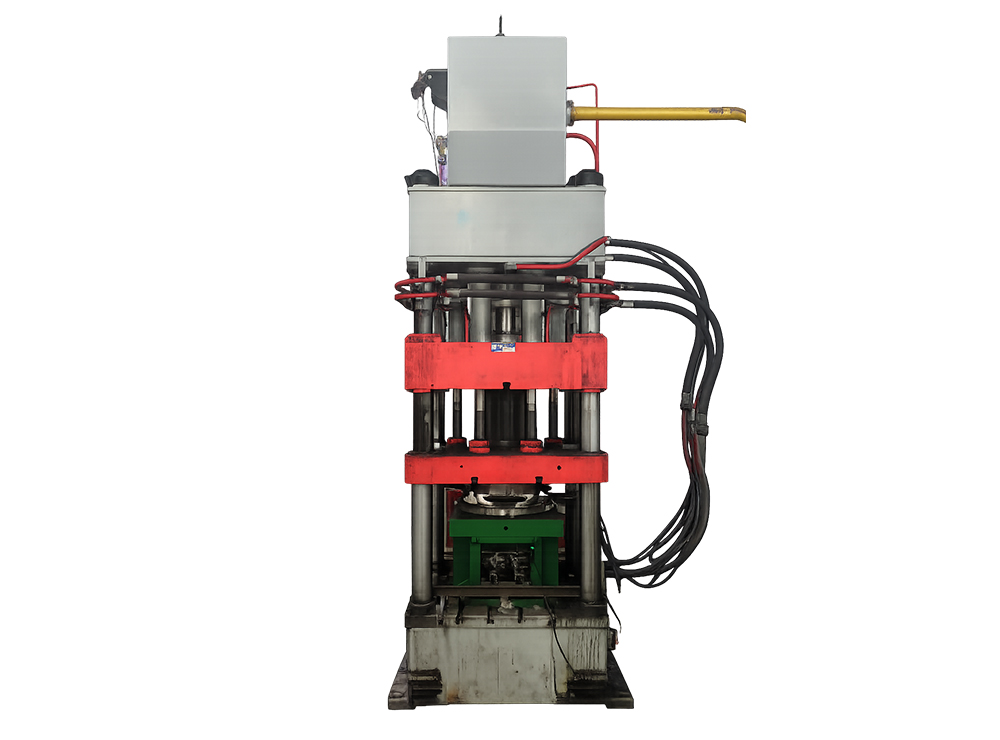
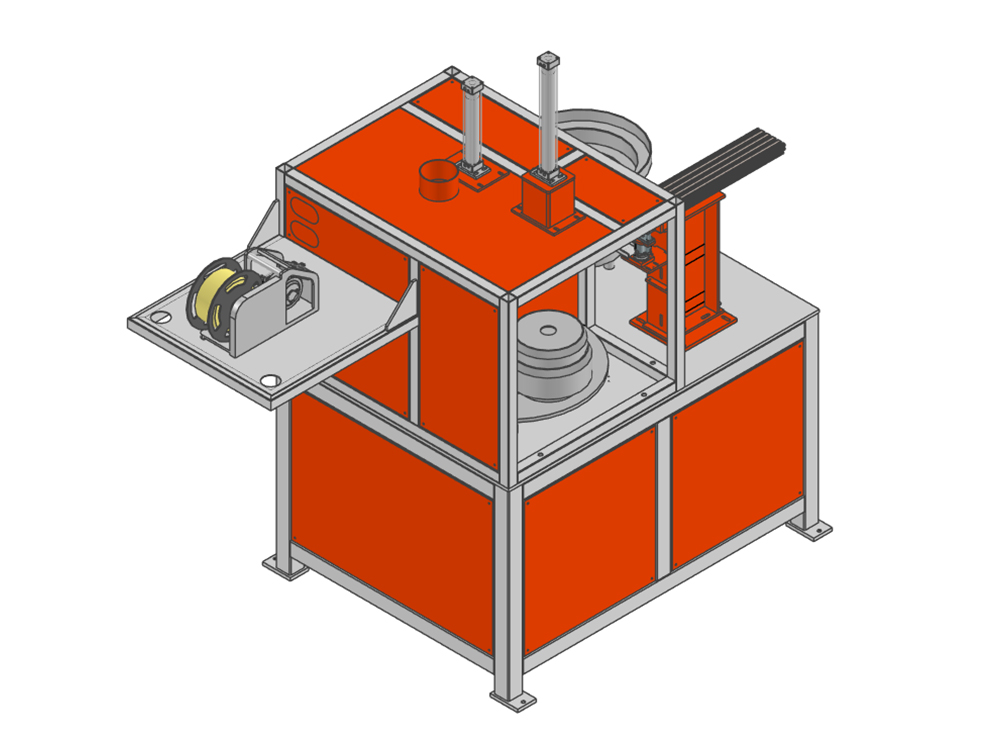
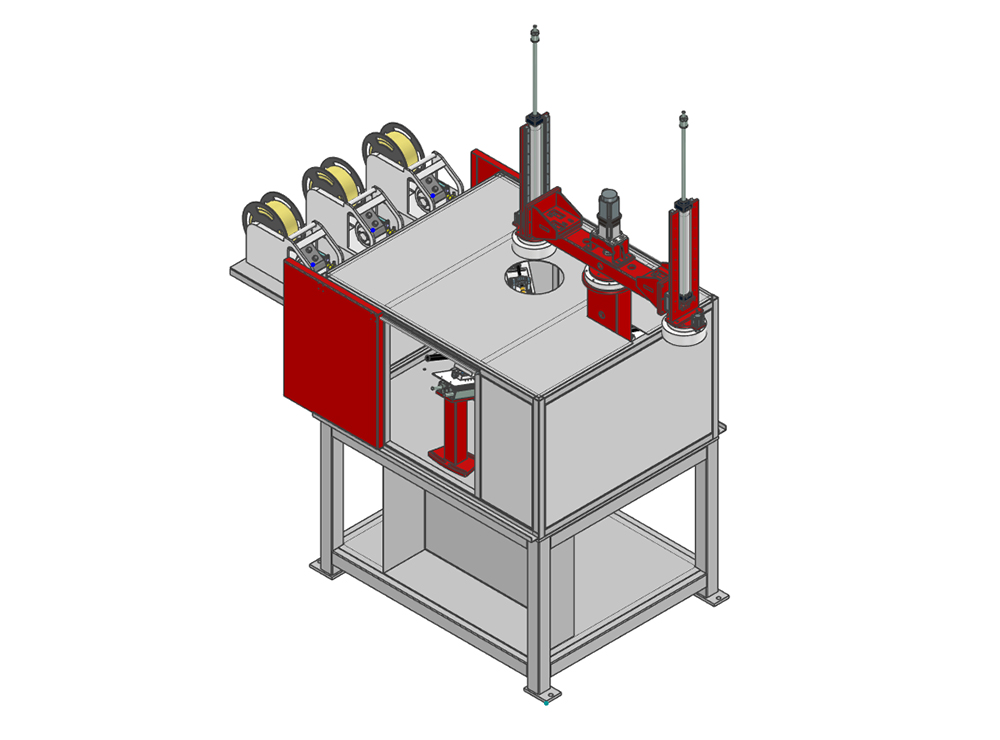
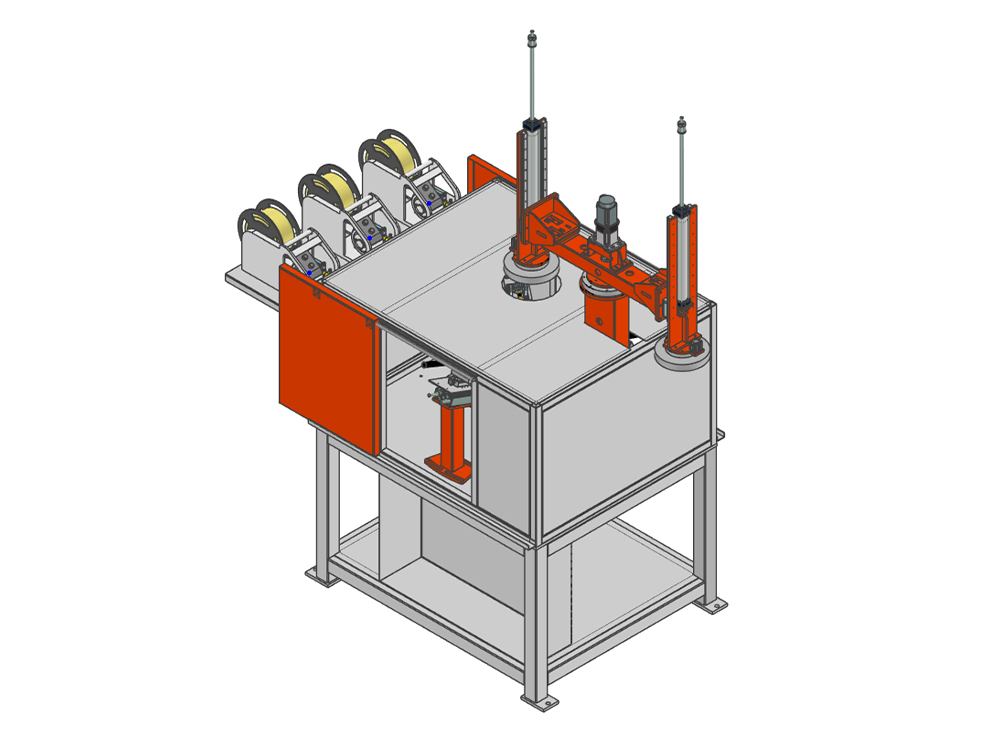
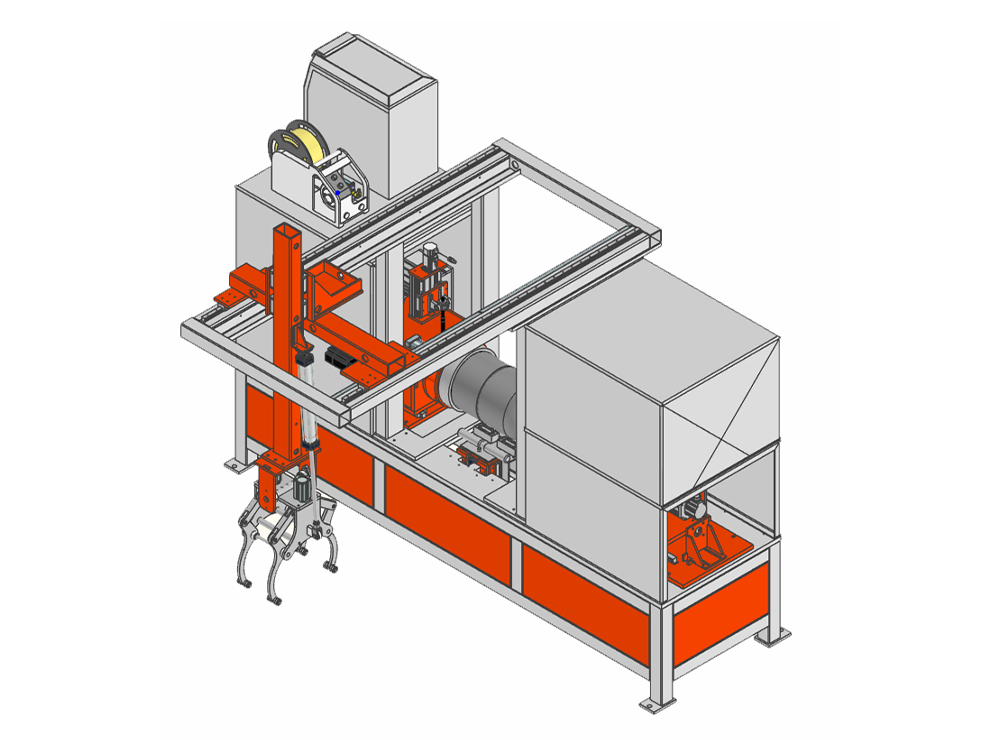
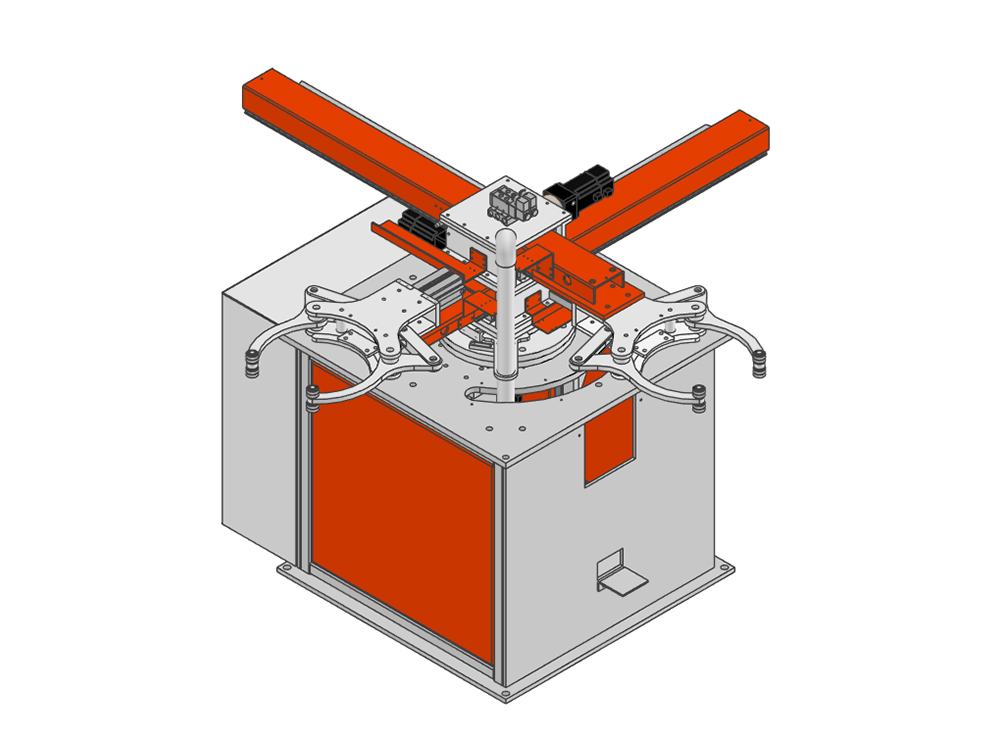
The air leakage testing process involves several steps using specialized equipment designed to measure the integrity of LPG cylinder valves and seals. Initially, the cylinder is pressurized with a gas, and any air that escapes indicates a leak. This technique allows for precise leak detection, helping to identify weak points that might otherwise go unnoticed. The Shuofang Air Leakage Testing Machine, known for its accuracy and speed, has reduced testing times by 30%, enabling quicker inspections without compromising safety.
Benefits of Using Air Leakage Testing Machines
Utilizing Air Leakage Testing Machines can significantly impact safety and efficiency. First, these machines offer precise measurements, ensuring that even the smallest leaks are detected. For instance, according to a study by the American Society of Mechanical Engineers, the average cost of an LPG leak incident can exceed $500,000, including damages and penalties. By conducting regular tests, companies can save substantially compared to the potential financial and reputational damage incurred from gas leaks.
Real-World Impact of Air Leakage Testing
In regions with dense industrial activity, the implementation of air leakage testing has proven crucial. A peer-reviewed article published in the International Journal of Industrial Safety highlighted that firms employing routine leak testing saw a 60% reduction in accidents related to gas leakage over a three-year period. Additionally, companies adhering to air leakage testing standards achieved an 80% improvement in regulatory compliance, which subsequently enhanced their market reputation and consumer trust.
Comparative Analysis: Testing vs. Ignoring
When comparing the consequences of routine air leakage testing versus neglecting this vital safety step, the difference is stark. For example, companies that perform regular air leakage tests reportedly lessen the risk of incidents by up to 80%. This contrasts sharply with firms that ignore these measures, leading to costly legal repercussions, damage control, and potential loss of life. A simple "Testing vs. Ignoring" approach reveals that while the investment in air leakage testing mechanical equipment may seem substantial upfront, it is more economical in the long run compared to the costs associated with accidents.
Conclusion
In summary, air leakage testing is not merely a regulatory requirement but a critical component of safety management in industries dealing with LPG cylinders. By adopting advanced testing technologies such as those offered by Shuofang, organizations can significantly reduce risks, comply with legal standards, and improve their operational efficiency. The data and case studies demonstrate that the costs of neglecting air leakage testing are far greater than the investment required for proper testing procedures.
Call to Action
To explore how air leakage testing can enhance your safety protocols, consider trying out the Shuofang Air Leakage Testing Machine today. Contact us for a consultation or request a demo to see its capabilities firsthand!
Frequently Asked Questions (FAQ)
What is air leakage testing and why is it important?
Air leakage testing is a method used to detect leaks in gas cylinders, ensuring safety and compliance with regulations. It helps prevent potential hazards related to gas leaks.
How often should LPG cylinders be tested for leaks?
It is recommended to test LPG cylinders at least once every year, or more frequently in high-use environments, to ensure safety and performance.
What are the consequences of not performing air leakage tests?
Neglecting air leakage tests can lead to severe safety hazards, including fires and explosions. Additionally, the financial repercussions of such incidents can be devastating, impacting insurance costs and operational reputations.