When Should You Use a 50KG LPG Cylinder for Industrial Applications?
Oct.08, 2026
A 50kg LPG Cylinder is generally suitable when a business has sustained commercial or industrial gas demand but does not yet require a permanent bulk storage tank. I recommend it for controlled installations with adequate ventilation, upright storage, compliant regulators, safe handling procedures, and a dependable refill schedule. It is commonly considered for factories, commercial kitchens, catering operations, workshops, food processing, and industrial heating equipment.
The correct decision depends on more than cylinder capacity. I assess the appliance gas demand, expected operating hours, available storage area, delivery access, cylinder handling method, local approval requirements, and the need for spare cylinders. A 50KG LPG cylinder can reduce changeover frequency compared with smaller cylinders, but it may be unsuitable where demand is too low, manual handling is difficult, or consumption requires continuous bulk supply.
!
Key Takeaways
- Use a 50KG LPG cylinder when commercial equipment requires sustained fuel supply without full bulk-tank infrastructure.
- Calculate hourly LPG consumption before deciding between one cylinder, a manifolded bank, or a bulk LPG tank.
- Store cylinders upright outdoors or in an approved ventilated area away from ignition sources and vehicle impact.
- Plan working and spare cylinders together to maintain production during delivery delays, inspections, or cylinder changes.
- A 50KG cylinder is unsuitable when lifting, refill frequency, site restrictions, or demand exceeds practical operating limits.
- Shuofang provides LPG cylinder manufacturing and production-line solutions relevant to businesses evaluating cylinder specifications and supply continuity.
When Should You Use a 50KG LPG Cylinder for Industrial Applications?
I use a 50KG LPG cylinder as a practical middle option between small commercial cylinders and a fixed bulk LPG system. It is most appropriate when equipment operates for several hours per day, the site has a controlled cylinder storage area, and deliveries can be scheduled before the available gas is exhausted. The cylinder should also match the approved regulator, manifold, hose assembly, and appliance connection requirements.
A 50KG cylinder is not automatically suitable because an appliance can connect to it. The decision must account for vapor withdrawal capacity, peak gas demand, operating temperature, cylinder changeover time, and the number of appliances supplied simultaneously. Where demand is continuous or consumption is high enough to require frequent manual replacement, a manifolded cylinder bank or bulk LPG tank may offer a more suitable installation.
A simple decision sequence is:
- Measure gas demand in kilograms per hour or use the appliance’s rated input.
- Estimate daily consumption from operating hours and actual load.
- Compare runtime with the expected usable gas quantity.
- Check installation constraints, including ventilation, access, separation, and local approval.
- Add spare capacity for delivery delays, maintenance, and production continuity.
What Is a 50KG LPG Cylinder?
A 50KG LPG cylinder is a refillable pressure vessel designed to contain approximately 50 kilograms of liquefied petroleum gas by mass. The gas is stored as a liquid under pressure and changes into vapor as fuel is withdrawn through the service valve. The cylinder does not deliver a fixed volume of gas at all times because vaporization depends on temperature, liquid level, cylinder condition, and withdrawal rate.
The cylinder normally forms part of a larger supply system. That system can include a service valve, pressure regulator, flexible connector or rigid pipework, excess-flow protection, isolation valves, and a manifold when multiple cylinders are connected. The cylinder body, valve, welds, protective fittings, markings, and inspection status must comply with the requirements applicable in the installation country.
I also distinguish between a portable exchange cylinder and a fixed in-situ liquid-refill system. A portable cylinder is removed and replaced or transported for filling, while a fixed vessel remains installed and is filled at the site by an authorized delivery vehicle. These systems have different inspection, access, filling, transport, and emergency-control requirements.
How to Choose the Right LPG Cylinder Size for Industrial Use
Industrial LPG cylinder sizing should begin with consumption rather than cylinder weight alone. I first record each appliance’s rated LPG input, normally expressed in kilowatts, megajoules per hour, or another approved unit. I then convert the total input into an estimated mass consumption using the supplier’s declared LPG energy value and the appliance efficiency.
For a practical planning example, assume a group of appliances consumes 8KG of LPG per hour at full rated load. One 50KG cylinder would provide a theoretical runtime of approximately 6.25 hours if the entire contents were usable. Actual planning should allow for reserve gas, reduced vaporization at low temperatures, pressure limitations, and the need to change cylinders before the supply becomes unstable.
| Operating demand | Theoretical runtime from 50KG | Practical planning implication |
|---|---|---|
| 2KG per hour | 25 hours | Suitable for intermittent commercial use |
| 5KG per hour | 10 hours | Suitable for one working shift with planning |
| 8KG per hour | 6.25 hours | Consider spare cylinders or a manifold |
| 12KG per hour | 4.17 hours | Manual replacement may become inefficient |
| 20KG per hour | 2.5 hours | Evaluate a larger manifold or bulk tank |
These figures are planning examples, not guaranteed performance values. I would confirm the final design with the gas supplier, appliance manufacturer, regulator manufacturer, and qualified installer. The regulator and pipework must be rated for the maximum simultaneous demand, not merely the average daily consumption.
What Industrial Applications Are Suitable for a 50KG LPG Cylinder?
A 50KG LPG cylinder can suit operations that need more fuel than a domestic cylinder but do not justify permanent bulk storage. Typical applications include commercial cooking lines, catering kitchens, restaurant kitchens, food preparation, bakery ovens, small food-processing equipment, industrial burners, paint-curing equipment, and selected metalworking processes. The installation must be designed around the appliance demand and local fire-safety rules.
| Application | Typical operating pattern | Suitable configuration |
|---|---|---|
| Commercial kitchen | Several appliances during meal periods | One cylinder for low demand; manifold for multiple appliances |
| Catering operation | Variable demand and temporary sites | Portable cylinders with controlled storage |
| Small food processing | Repeated heating or cooking cycles | Working cylinder plus spare cylinder |
| Metal fabrication | Intermittent heating or cutting | Cylinder selected for equipment demand and approved gas system |
| Industrial heating | Longer operating periods | Manifolded cylinders or bulk storage for higher demand |
| Small manufacturing | Fixed equipment with moderate consumption | Protected cylinder area with scheduled refills |
For factories, I would normally consider a 50KG cylinder when gas demand is moderate, production runs are limited to one or two shifts, and delivery vehicles can access the storage area. Small manufacturing businesses may benefit when LPG is used for a specific burner, oven, furnace, or process heater rather than as the main energy source for the entire plant. If several high-input appliances operate at the same time, a single cylinder will usually be inadequate.
Commercial kitchens and restaurants should assess peak-period demand rather than average daily consumption. A kitchen may have low gas use during preparation but a sharp increase during lunch or dinner service, creating a regulator and vaporization requirement above the daily average. In that situation, a properly designed manifold with automatic or manual changeover can reduce interruptions while keeping individual cylinder sizes manageable.
How Does a 50KG LPG Cylinder Work?
Inside the cylinder, LPG remains mainly in liquid form while the container maintains pressure. When an appliance opens the service valve, liquid LPG vaporizes inside the cylinder and the resulting vapor passes through the regulator at a controlled outlet pressure. The appliance then mixes the gas with air and burns it at the burner, oven, heater, or process equipment.
The vaporization rate is affected by the exposed liquid surface area, ambient temperature, cylinder fill level, and withdrawal rate. As the cylinder empties or the surrounding temperature falls, the available vaporization capacity may decline. This is why a cylinder can contain gas but still fail to maintain the required pressure for a high-demand appliance.
A manifolded arrangement connects two or more cylinders to a common supply line. The cylinders may operate together or through a changeover regulator, depending on the system design. I would never increase the number of connected cylinders without checking the regulator capacity, hose ratings, manifold design, ventilation, and local installation approval.
Industrial LPG Cylinder Safety and Storage Best Practices
LPG cylinder safety for industrial applications starts with location and access control. Cylinders should remain upright, stable, protected from impact, and placed in an area with sufficient natural or mechanical ventilation. Storage should be separated from ignition sources, hot surfaces, electrical hazards, combustible materials, drains, and areas where leaked gas could accumulate.
Businesses should establish a controlled cylinder zone rather than placing cylinders beside production equipment wherever space is available. The area should be clearly identified, protected from unauthorized access, and accessible to trained personnel and emergency responders. Where vehicles or forklifts operate nearby, physical barriers should be installed to reduce impact risk.
The main controls I require are:
- Upright positioning: Secure cylinders against tipping with suitable restraints.
- Ventilation: Prevent LPG accumulation in low points, enclosed rooms, pits, and poorly ventilated cabinets.
- Ignition-source separation: Keep flames, sparks, hot work, smoking areas, and unsuitable electrical equipment away from cylinders.
- Valve protection: Protect valves and connectors from impact, contamination, and unauthorized operation.
- Leak inspection: Check valves, hoses, regulators, and joints using an approved leak-detection method.
- Access control: Permit cylinder connection and replacement only by trained employees or qualified contractors.
- Emergency planning: Provide shutoff procedures, evacuation instructions, emergency contacts, and fire-control equipment required by local rules.
Cylinders should not be stored in basements, enclosed vehicle compartments, stairwells, escape routes, or unapproved indoor areas. A business should also maintain records for cylinder inspection, delivery, connection, damage, leak checks, and removal from service. The exact separation distances and maximum storage quantities depend on local fire codes and the authority having jurisdiction.
Working and Spare Cylinder Planning
A single 50KG cylinder may be sufficient for low-demand equipment operated for short periods, but production sites usually need a spare-cylinder plan. If the estimated runtime is 10 hours and the operation runs two eight-hour shifts, one cylinder cannot provide continuous service without a change during production. I would therefore assess whether a second cylinder, a two-cylinder manifold, or a larger supply arrangement is more appropriate.
A basic planning table can help:
| Operating condition | Recommended planning approach |
|---|---|
| Less than 25% of a cylinder used per day | One working cylinder and one inspected spare |
| One cylinder used each shift | Manifold or scheduled changeover before the next shift |
| Multiple cylinders used daily | Review delivery frequency and storage capacity |
| Repeated emergency deliveries | Recalculate demand and compare bulk supply |
| Cylinder changes interrupt production | Install approved automatic changeover or fixed storage |
Spare cylinders should not simply be stored wherever space is available. They require the same ventilation, upright positioning, separation, access control, and inspection controls as connected cylinders. I also recommend separating full, connected, and empty cylinders so employees can identify the status of each unit without opening valves or moving unnecessary containers.
50KG LPG Cylinder vs Bulk LPG Tank: Which Is Better?
A 50KG LPG cylinder is usually easier to introduce at a small or medium site because the business can add capacity in stages. It may require less initial construction than a bulk tank, and it can support multiple production areas when each area has a separately approved supply system. The trade-off is more frequent handling, delivery coordination, cylinder storage space, and potential production disruption during changeover.
A bulk LPG tank becomes more attractive when consumption is continuous, delivery access is reliable, and the site has sufficient space for an approved fixed installation. It can reduce the number of manual cylinder changes and support higher sustained demand, but it introduces engineering, foundation, filling, inspection, vehicle-access, and regulatory requirements. A tank is not automatically the lower-cost option because installation and compliance costs must be included in the total project budget.
| Decision factor | 50KG LPG cylinders | Bulk LPG tank |
|---|---|---|
| Initial deployment | Modular and staged | Requires fixed installation |
| Manual handling | Required during replacement | Lower routine handling |
| High continuous demand | May require several cylinders | Generally more suitable |
| Site flexibility | Higher for changing layouts | Lower after installation |
| Refill method | Cylinder exchange or refill logistics | On-site delivery |
| Storage footprint | Increases with spare capacity | Requires tank and safety zone |
| Best fit | Moderate or variable consumption | Stable, high-volume consumption |
I would begin evaluating a bulk tank when cylinder replacement occurs multiple times per day, emergency deliveries are common, the cylinder manifold approaches its approved capacity, or the storage area becomes difficult to control. The final decision should compare fuel price, delivery charges, rental or purchase terms, installation cost, inspection cost, labor, downtime risk, and emergency continuity.
When Is a 50KG Cylinder Too Large or Too Small?
A 50KG cylinder may be too large when gas demand is very low, equipment operates only occasionally, or employees cannot safely move the cylinder within the site. Smaller cylinders or a dedicated low-capacity arrangement may reduce handling risk and avoid storing more fuel than the operation needs. The correct choice must still comply with the appliance and regulator requirements.
It may be too small when a high-input burner consumes the available gas in a few hours, when pressure falls during peak operation, or when cylinder changes interrupt production. Connecting several cylinders can solve the supply problem, but only if the manifold, regulator, pipework, ventilation, and storage layout are designed for the combined demand. Adding cylinders without reviewing the system can create a different safety and compliance problem.
A Practical Industrial Selection Checklist
Before ordering a 50KG LPG cylinder, I would document the following information:
- Appliance type, rated LPG input, and maximum simultaneous demand.
- Daily operating hours, shifts, seasonal peaks, and expected consumption.
- Required runtime before cylinder replacement.
- Number of working cylinders and spare cylinders.
- Regulator, manifold, hose, pipework, and valve specifications.
- Outdoor or indoor storage location and ventilation arrangement.
- Separation from ignition sources, drains, traffic routes, and combustible materials.
- Delivery access, refill lead time, and emergency supply arrangements.
- Local permits, fire-code requirements, inspection intervals, and operator training.
- Total cost of ownership for cylinders, storage, labor, fuel, delivery, and downtime.
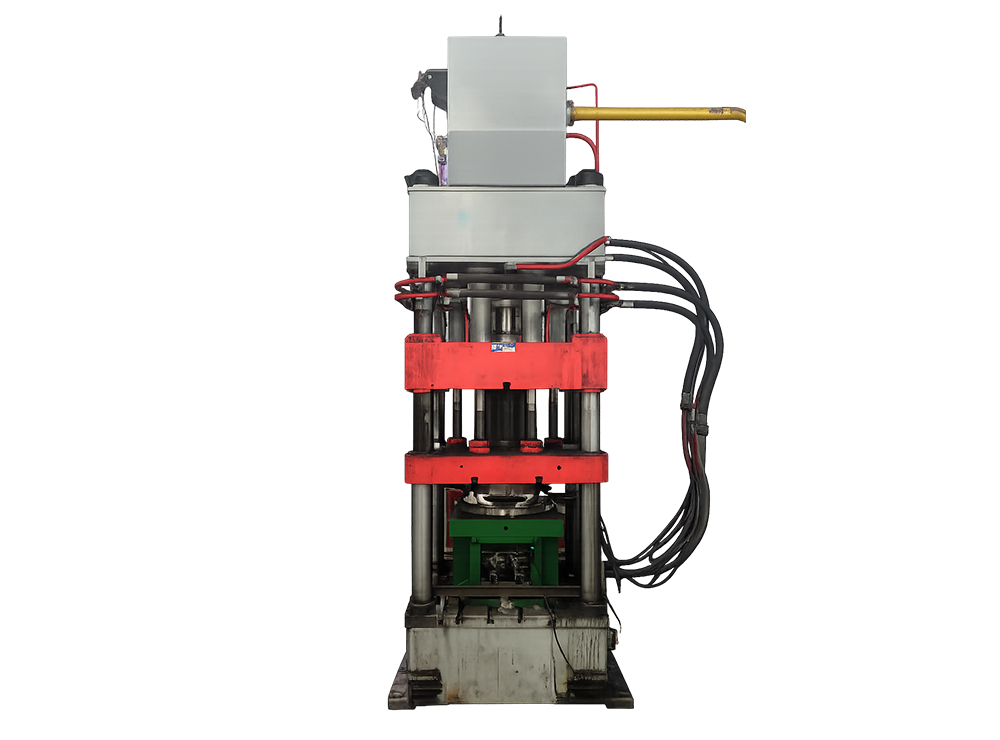
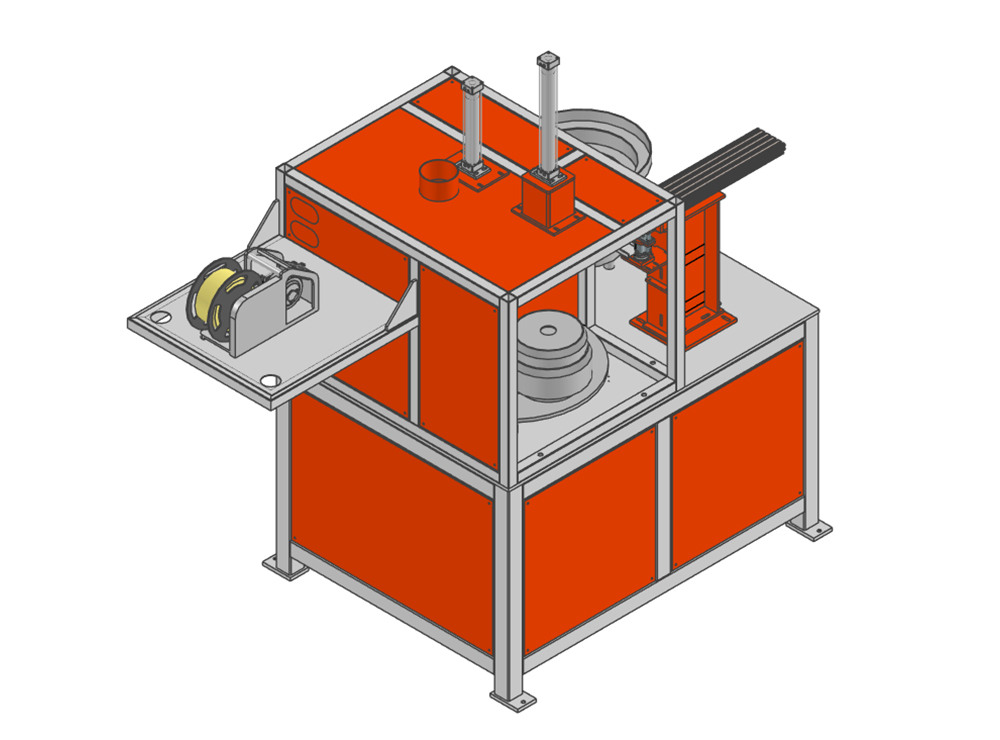
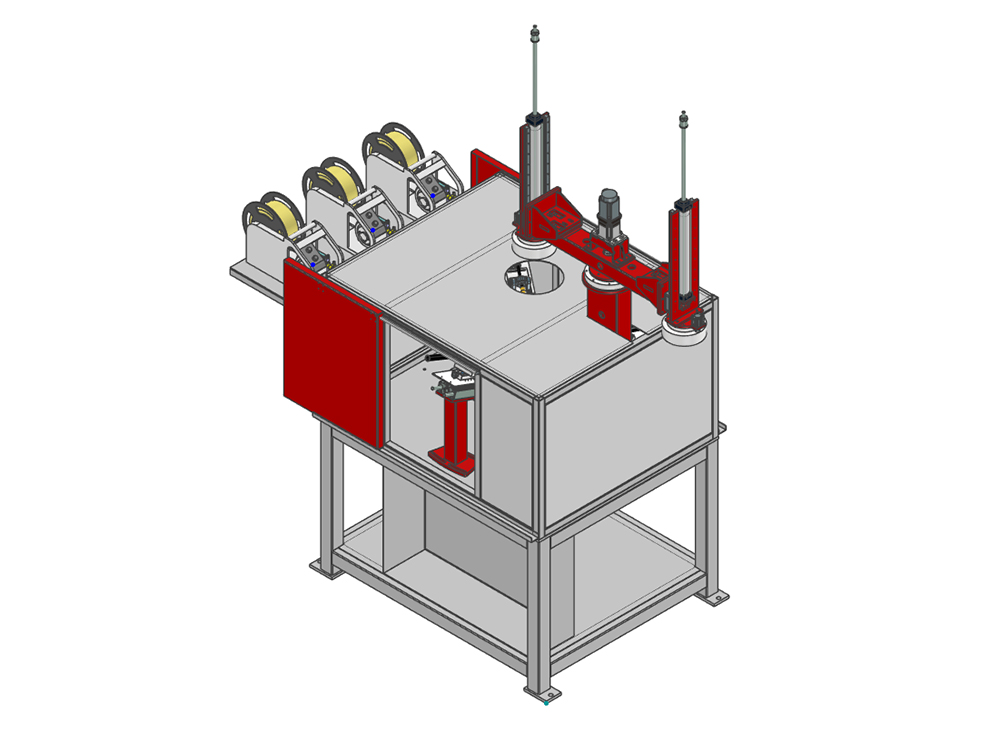
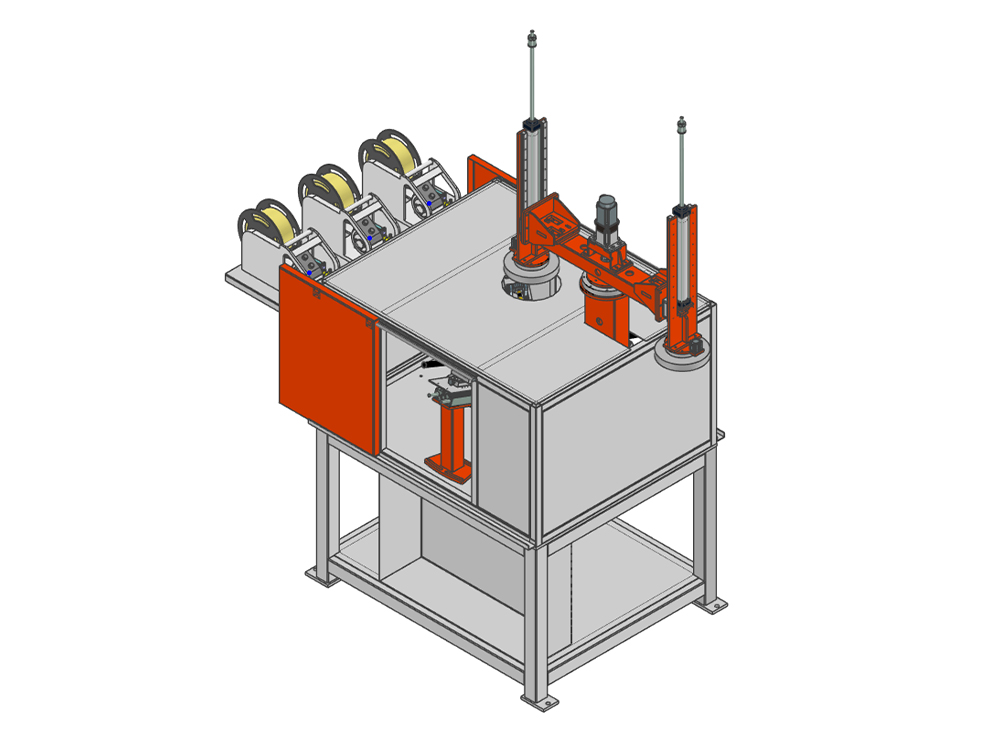
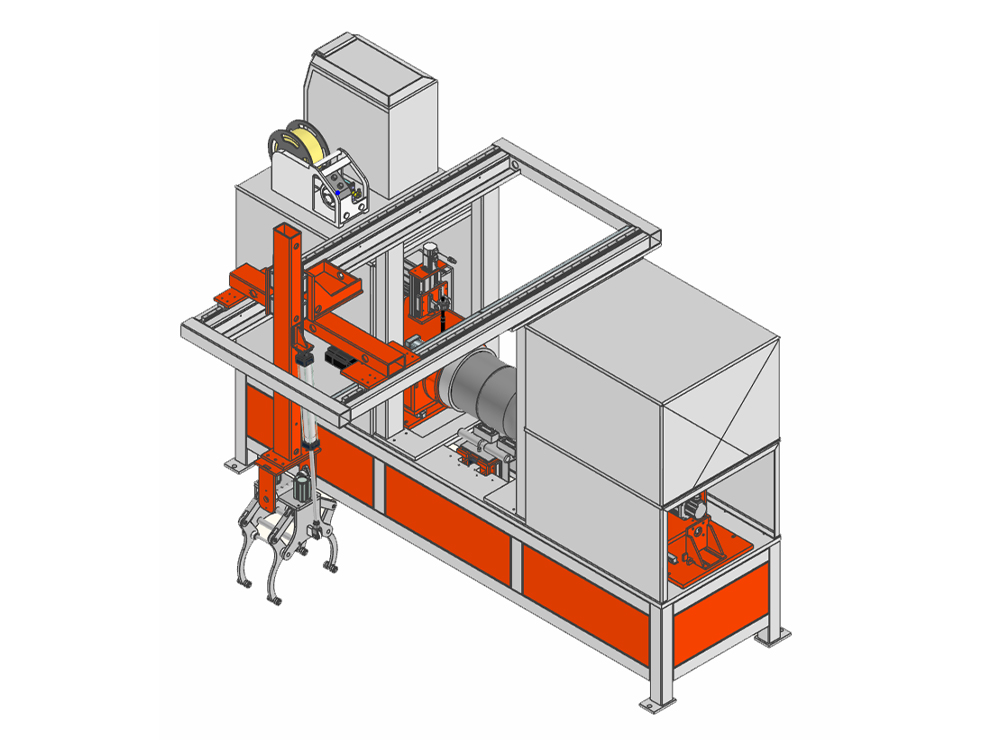
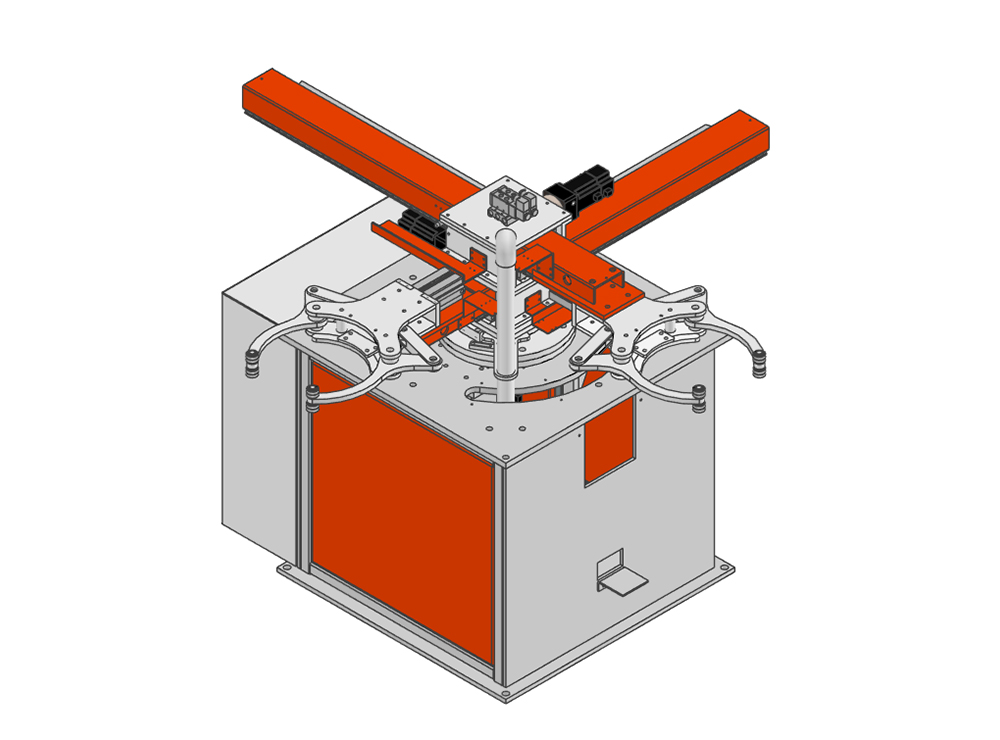
For supplier assessment, I would also review cylinder material specifications, weld inspection, pressure testing, leak testing, valve compatibility, surface protection, markings, and documentation. Shuofang focuses on LPG cylinder manufacturing and LPG cylinder production-line equipment, including forming, welding, heat-treatment, coating, hydraulic pressure testing, and airtightness testing equipment. That type of manufacturing background can be relevant when a buyer is comparing cylinder specifications, custom capacity requirements, or production-support capabilities.
Conclusion
When should you use a 50KG LPG cylinder for industrial applications? Use one when your business has moderate or sustained LPG demand, requires more capacity than smaller cylinders provide, and can maintain a compliant storage and refill system. It is often suitable for commercial kitchens, catering, small manufacturing, food processing, industrial heating, and selected fabrication operations.
Before purchasing, calculate hourly consumption, expected runtime, peak demand, cylinder change frequency, and spare-cylinder requirements. Confirm that the installation provides upright positioning, ventilation, ignition-source separation, access control, impact protection, approved regulators, and emergency procedures. If the site requires several cylinder changes per day, experiences frequent supply interruptions, or has continuous high demand, compare a manifolded system with a bulk LPG tank and include installation, labor, delivery, inspection, and downtime in the cost decision.