When Should You Choose a Semi-Automatic Welding Line?
Oct.01, 2026
If you need higher welding productivity and more consistent results than manual welding, but your products or budget do not justify full robotics, a Semi-Automatic Welding Line may be the right choice. I generally recommend it for low-to-medium production volumes, repeatable welds, variable product designs, limited skilled labor, and manufacturers that need measurable improvement without completely removing operator involvement. The decision should be based on production volume, part repeatability, weld complexity, floor space, tooling, workforce capability, and total ownership cost.
!
What Is a Semi-Automatic Welding Line?
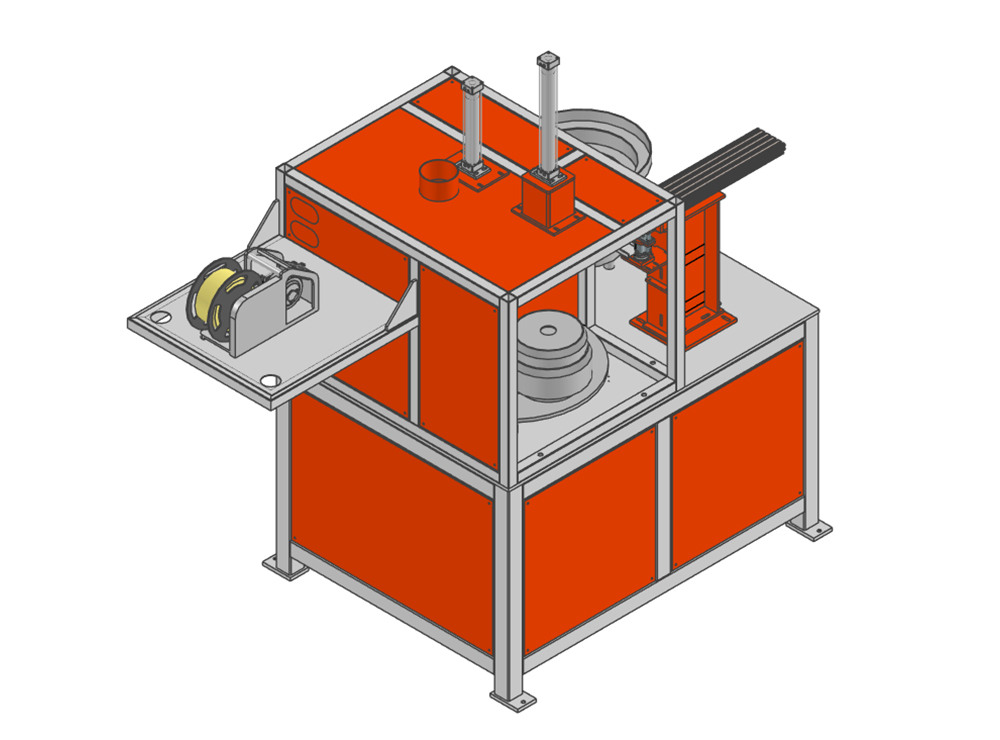
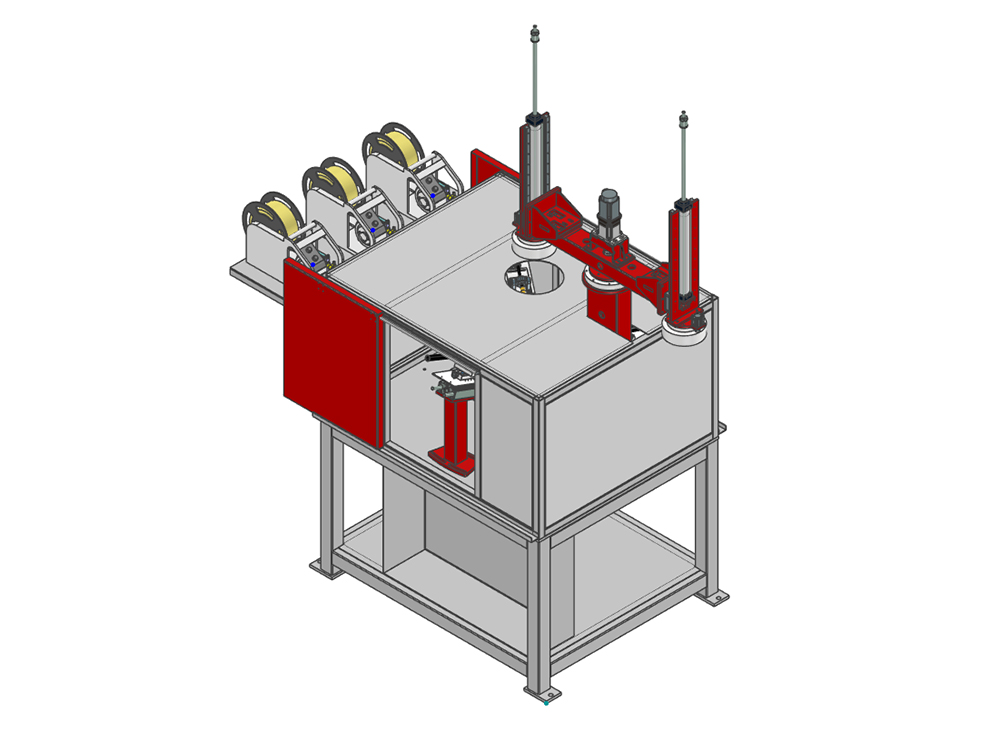
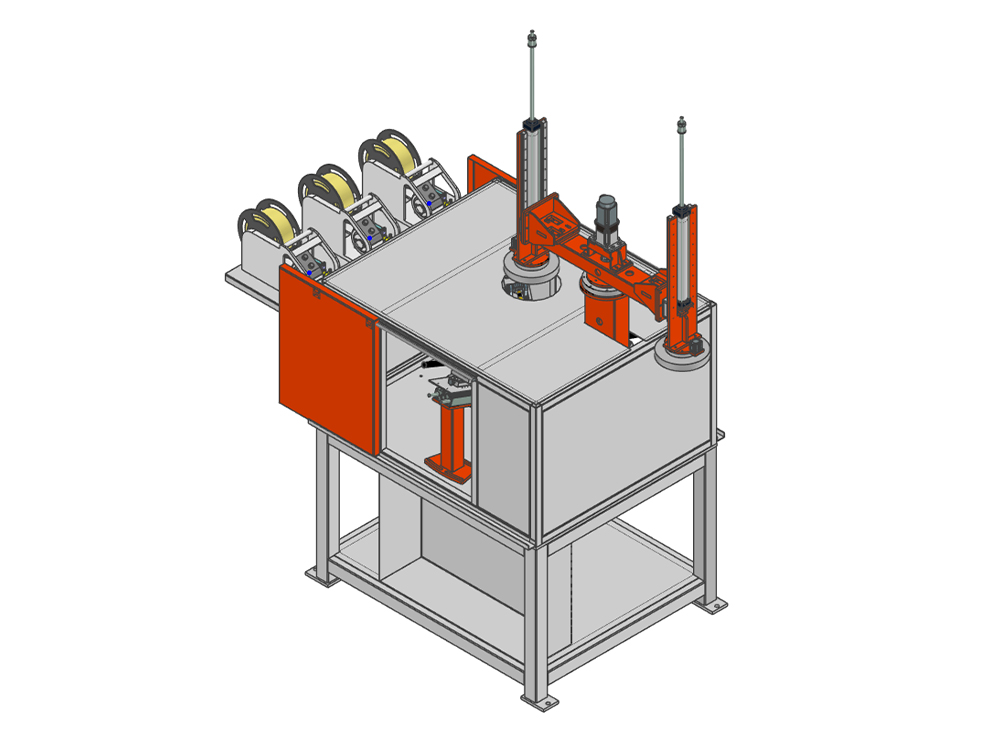
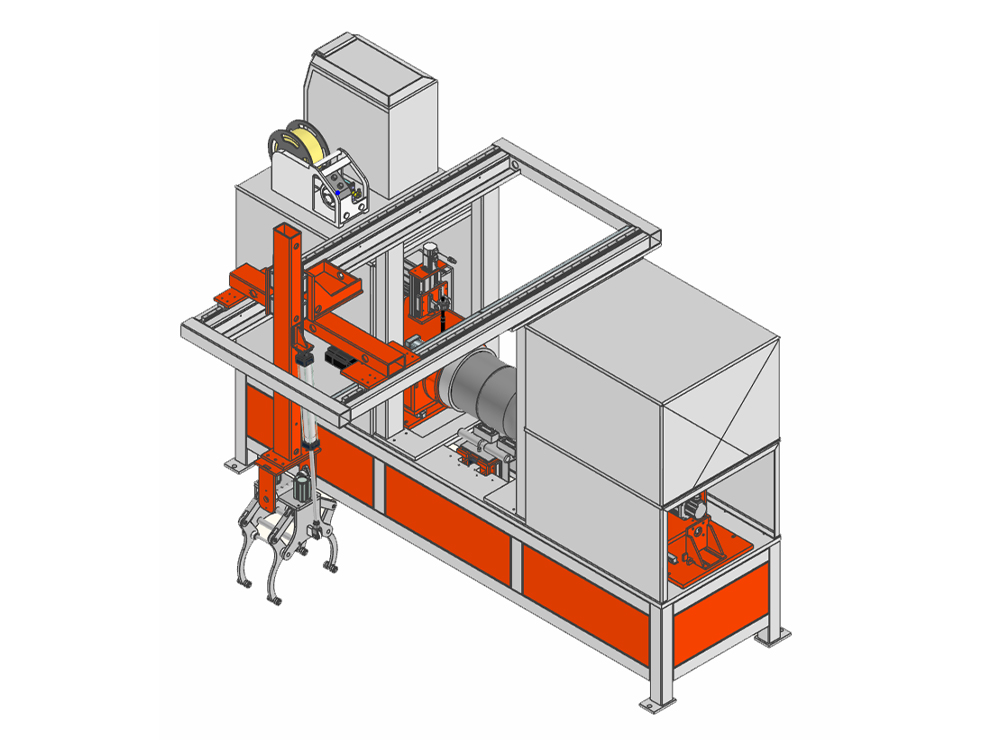
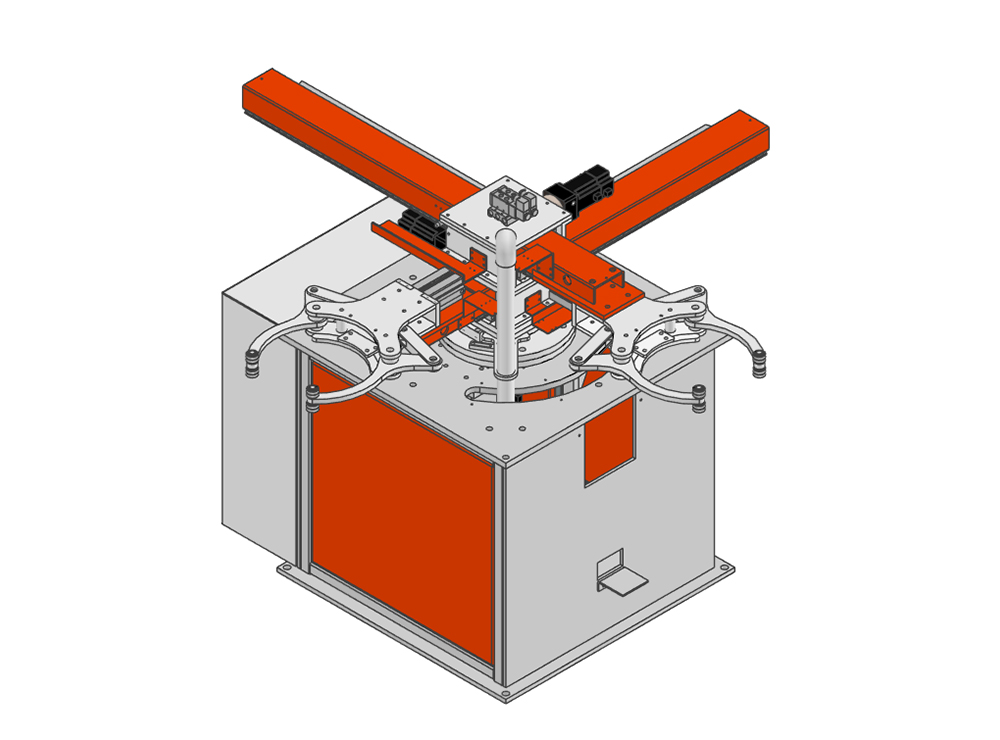
A semi-automatic welding line combines automated welding movement or process control with manual loading, positioning, inspection, or part transfer. The operator usually places the workpiece into a fixture, starts the welding cycle, monitors the process, and removes the completed part. Depending on the design, conveyors, automatic unloading, welding positioners, or transfer systems may reduce manual handling between operations.
This arrangement differs from manual welding because the welding motion, speed, current, wire feeding, or rotation may be controlled by equipment rather than by the operator’s hand. It also differs from a fully automatic or robotic welding system because the operator remains involved in more stages of production. For products such as LPG cylinders, semi-automatic equipment may be used for circular seam welding, valve neck welding, foot ring welding, collar welding, or handle welding.
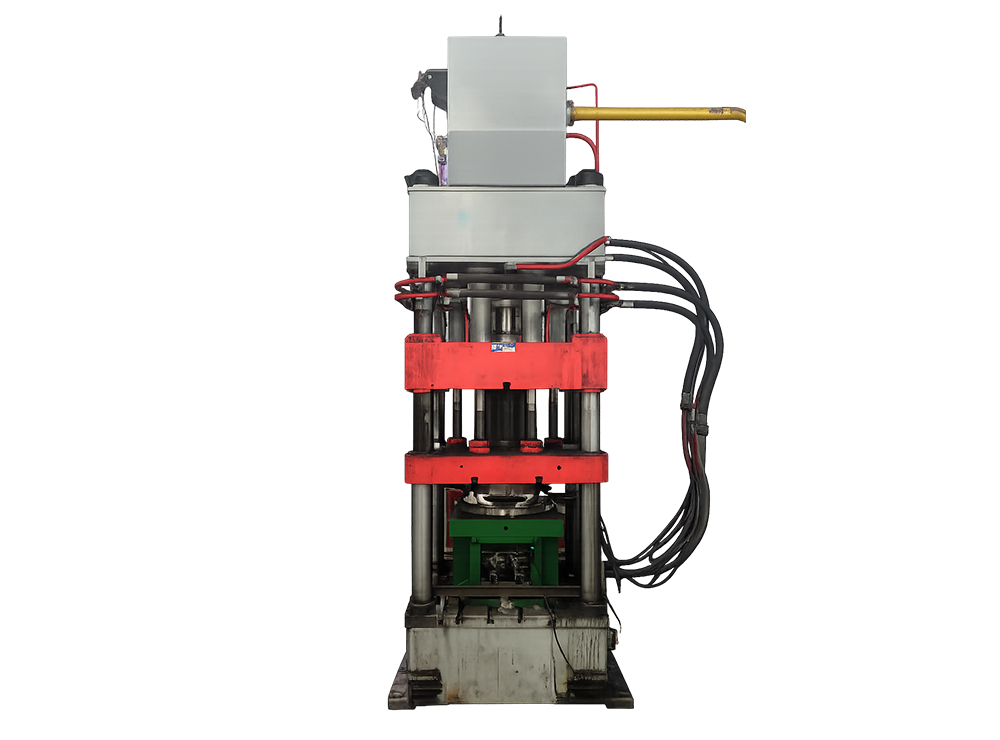
Shuofang presents semi-automated LPG cylinder production as a combination of automated mechanical equipment and manual assistance. Its listed equipment includes semi-automatic circular seam welding machines, valve neck welding machines, collar or handle welding machines, and foot ring welding machines. The company also describes production configurations that combine manual feeding, automatic welding, automatic unloading, conveyors, and annealing equipment.
When Should You Choose a Semi-Automatic Welding Line?
I use the following selection process when deciding whether semi-automatic welding automation is appropriate:
- Measure production volume: Choose semi-automatic equipment when manual welding is limiting output, but the forecast does not support a dedicated robotic cell or fully automatic line.
- Review part variation: Semi-automatic systems fit manufacturers producing several models, sizes, or configurations that require regular fixture or parameter changes.
- Identify repetitive welds: Automation is most useful when the same weld path, rotation, joint position, or sequence is repeated across many parts.
- Assess labor availability: Consider semi-automatic equipment when skilled welders are difficult to recruit, production depends on a small number of operators, or manual handling creates excessive fatigue.
- Calculate total investment: Include the welding machine, fixtures, controls, conveyors, safety equipment, installation, training, maintenance, consumables, and production downtime.
- Confirm required flexibility: Select semi-automatic equipment when operators must still make adjustments for product changes, special orders, or non-standard workpieces.
The strongest use case is a manufacturer that has stable enough work to justify repeatable equipment but not enough product uniformity to justify full robotics. I would also consider it when the company wants to automate one bottleneck instead of replacing an entire production line. This staged approach allows management to compare cycle time, first-pass yield, scrap rate, arc-on time, and operator hours before expanding automation.
Manual, Semi-Automatic, Fixed-Automatic, Robotic, and Collaborative Welding Compared
The correct automation level depends on how much of the process must remain flexible. I do not treat automation as a simple choice between manual welding and robotics because fixed-automatic machines, robotic cells, and collaborative systems serve different production conditions.
| Welding system | Operator involvement | Best production condition | Main advantage | Main limitation |
|---|---|---|---|---|
| Manual welding | High | Prototypes, repairs, irregular parts, very low volume | Lowest initial equipment cost | Output, consistency, and labor demand vary |
| Semi-automatic welding | Medium | Low-to-medium volume and repeatable welds | Balanced productivity and flexibility | Requires operator loading and process supervision |
| Fixed-automatic welding | Low-to-medium | High repetition with stable part geometry | Consistent cycle and weld movement | Less adaptable to frequent design changes |
| Robotic welding cell | Low during cycle | High volume and repeatable components | Automated path control and scalable output | Higher integration, programming, and fixture cost |
| Collaborative welding system | Medium | Smaller batches with safer operator interaction | Flexible deployment and easier reassignment | Usually lower payload and throughput than industrial robotics |
How Does a Semi-Automatic Welding Line Compare With Manual Welding?
Manual welding gives the operator direct control over fit-up, torch position, travel speed, and visual correction. That flexibility is useful for prototypes, repair work, changing joint conditions, and products that cannot be located consistently. However, manual welding performance can vary with operator skill, fatigue, training, posture, and production pressure.
A semi-automatic welding line controls the most repetitive part of the operation while allowing the operator to load parts, verify alignment, respond to variation, and perform inspection. This can reduce variation in welding speed and torch movement without requiring a full robotic programming department. The tradeoff is that the operator still influences cycle time through loading, unloading, fixture setup, and response to defects.
When Is Fixed Automatic Equipment Better Than Semi-Automatic Equipment?
Fixed-automatic welding equipment is more suitable when the part geometry, weld location, fixture position, and production sequence remain stable for long periods. It can provide a shorter and more predictable cycle because fewer operator decisions occur during production. The limitation appears when the manufacturer changes product dimensions frequently or must process many part families on one line.
For example, a high-volume cylinder producer with one dominant product size may benefit from dedicated automatic equipment. A custom metal fabricator producing several frame sizes, brackets, or vessel components may obtain better utilization from semi-automatic equipment. The decision should be based on annual production by model rather than total factory output alone.
Welding Automation for Medium-Volume Production
Semi-automatic welding is often appropriate for manufacturers that produce thousands to tens of thousands of similar components annually, although the correct threshold depends on weld length, cycle time, labor cost, changeover frequency, and quality requirements. A company producing 2,000 complex assemblies may have a stronger automation case than a company producing 20,000 simple parts if each assembly requires long manual weld time. I therefore evaluate welding minutes per part instead of relying only on unit volume.
A practical production review should record the following measurements for at least two to four representative weeks:
- Average welding time per part
- Loading and unloading time
- Changeover time between models
- Operator count per shift
- First-pass yield
- Rework and scrap percentage
- Downtime caused by fixtures, wire feeding, power sources, or material handling
- Actual daily output compared with planned output
- Arc-on time as a percentage of paid labor time
Semi-automatic welding becomes more attractive when the same weld is performed repeatedly but manual labor spends substantial time on positioning, rotation, or handling. It is also useful when production demand is rising but management cannot justify the floor space and integration work required for a robotic cell. I would be cautious if the product mix changes every few minutes or if parts cannot be located consistently in a fixture.
Selection Factors That Determine the Right Automation Level
Production Volume and Cycle Time
The equipment must match the required takt time, not just the average monthly quantity. If a line must produce 600 parts per shift, for example, management should calculate available production minutes, planned breaks, maintenance time, changeovers, and expected downtime before setting a target cycle. A machine that meets the theoretical cycle but misses the required output after loading delays may not provide a useful production improvement.
Part Repeatability and Fixture Quality
Semi-automatic welding depends on repeatable part location. If joint gaps, flange positions, or component orientation vary substantially, the machine may repeat the wrong weld position with consistent accuracy. I would validate incoming part tolerances, fixture clamping, datum surfaces, locator wear, and setup repeatability before approving the equipment.
Welding fixtures should hold parts securely without making loading unnecessarily slow. Quick-change fixtures may be justified when several product families share the same welding machine. The fixture quotation should include clamps, sensors, wear components, spare locating elements, and any special tooling required for safe access to the weld joint.
Weld Complexity
Simple circumferential seams, straight seams, repeated fillets, and fixed-position joints are usually easier to automate than irregular three-dimensional welds. Complex products may still benefit from semi-automatic positioning even if the operator controls torch movement for certain sections. I recommend separating the product into weld types rather than asking whether the entire assembly is suitable for automation.
Workforce Capability
A semi-automatic line still needs trained personnel who understand fixture loading, welding parameters, inspection, consumable handling, and fault recovery. The required skills are different from those used in fully manual welding, but they are not eliminated. Operators must know how to identify poor fit-up, wire feeding problems, abnormal arc behavior, incomplete fusion, spatter, distortion, and fixture misalignment.
Floor Space and Plant Layout
The purchase decision must include material flow, ventilation, electrical capacity, compressed air, shielding gas routing, safety guarding, access for maintenance, and space for incoming and completed parts. A compact machine may still require additional room for conveyors, fixtures, control panels, and operator movement. Shuofang’s customization process asks customers to provide factory length, width, height, product specifications, capacity requirements, budget, and process flow before designing a production solution.
Semi-Automatic Welding Line ROI and Total Cost of Ownership
The semi-automatic welding line ROI should be calculated from the complete project cost rather than the machine price alone. I use this structure:
Total investment = equipment + fixtures + controls + safety systems + installation + integration + training + initial spare parts + production downtime
Annual benefit = labor savings + additional contribution from higher output + reduced rework + lower scrap + reduced injury exposure − added maintenance and consumable costs
Simple payback period = total investment ÷ annual net benefit
For example, assume a project costs $180,000 after equipment, tooling, installation, training, and commissioning. If it reduces annual labor and rework costs by $72,000 while adding $24,000 in contribution from usable extra output, the annual benefit is $96,000 before additional maintenance. If maintenance and consumable costs add $16,000, the estimated net benefit becomes $80,000, producing a simple payback period of 2.25 years.
This calculation is only a planning example, not a quoted equipment price. Actual semi-automatic welding line pricing depends on weld type, number of stations, power source, fixture design, conveyors, control architecture, safety requirements, product dimensions, and integration scope. I would request a line-by-line quotation that separates equipment, tooling, installation, training, spare parts, warranty coverage, and ongoing service.
Operating cost should include electricity, shielding gas, wire or electrodes, contact tips, liners, nozzles, fixture wear parts, lubrication, calibration, preventive maintenance, and downtime. A lower purchase price may become more expensive if changeovers are slow, spare parts are difficult to obtain, or the machine requires specialist technicians for routine service. Shuofang states that its equipment includes a 12-month warranty, free replacement of parts during the warranty period, and lifetime technical support, but buyers should confirm the exact scope in the commercial contract.
Practical Manufacturing Use Cases
A semi-automatic welding line can suit LPG cylinder manufacturing when the producer needs repeatable circular seam welding but still requires manual loading and model changeover. Shuofang lists equipment for cylinder circumferential seams, valve necks, foot rings, collars, guard rings, and handles. Its semi-automated production description also includes automatic transfer to annealing equipment after welding, which can reduce manual handling between connected processes.
The same automation logic applies to steel frames, agricultural equipment, storage racks, pressure-related components, trailers, and custom metal fabrications. In each case, I would first identify the welds that consume the most labor and produce the most variation. Automating one repeated weld station may deliver a shorter payback than purchasing a complete robotic line for every joint.
Semi-automatic equipment is preferable to full robotics when product designs change regularly, annual volume is moderate, operators need to make frequent adjustments, or the company lacks robotics programming capability. Full robotics becomes more attractive when the product family is stable, weld paths are predictable, fixtures can maintain tight repeatability, and production demand supports high equipment utilization. The best choice is the system that maintains useful utilization after changeovers, maintenance, and demand fluctuations are included.
Implementation Roadmap Before Ordering Equipment
I recommend completing a staged implementation rather than ordering equipment from a product photograph or general capacity claim. First, audit the existing process and record cycle time, labor content, defect categories, rework, downtime, fixture problems, and model changeover duration. Then select one pilot product with a repeatable weld and enough annual volume to generate measurable operating data.
Next, validate the fixture and welding parameters using representative materials and production parts. The acceptance plan should define weld appearance, penetration requirements, dimensional tolerances, leak or pressure-test results where applicable, first-pass yield, cycle time, changeover time, and maximum allowable downtime. For LPG cylinder production, welding must be evaluated together with downstream processes such as annealing, hydrostatic testing, airtightness testing, and surface treatment.
After installation, train operators and maintenance personnel before ramping to full production. I would run a controlled trial using several shifts of production, compare actual results with the baseline, and correct fixture, parameter, handling, or inspection problems before setting the final output target. Useful success criteria include at least a documented reduction in cycle time, improved first-pass yield, lower rework, stable changeover performance, and a calculated payback period based on measured data rather than projected marketing figures.
Final Thoughts
When Should You Choose a Semi-Automatic Welding Line? Choose one when your production volume is high enough for manual welding to restrict output, your welds are repetitive enough for mechanical assistance, and your product variation still requires operator involvement. It is particularly suitable for low-to-medium production volumes, labor-constrained factories, custom metal fabrication, steel frame manufacturing, and LPG cylinder production with several related models.
I would not select semi-automatic equipment solely because it costs less than robotics. The decision should connect production volume, part repeatability, weld complexity, fixture quality, floor space, workforce capability, measurable quality targets, and total ownership cost. A properly selected system should show improvement in cycle time, arc-on time, first-pass yield, scrap rate, changeover time, OEE, or labor hours per part.
For manufacturers considering Shuofang, the practical next step is to prepare product drawings, weld samples, annual volume by model, shift information, current process data, factory dimensions, and budget limits. Shuofang describes a process that includes requirement collection, CAD layout and equipment lists, cost quotation, solution refinement, manufacturing, commissioning, acceptance, and operator training. That information gives both the buyer and equipment supplier a clearer basis for deciding whether a semi-automatic welding line, a fixed-automatic station, or a fully robotic solution is financially and operationally appropriate.