Understanding the Deep Drawing Process in LPG Cylinder Manufacturing
Sep.18, 2026
The deep drawing process in LPG cylinder manufacturing is a sheet-metal forming method that converts circular steel blanks into cylindrical or domed shells through controlled pressure. A punch pushes the blank through a die while a blank holder controls material flow. The operation creates consistent shell geometry, but success depends on steel properties, drawing ratio, lubrication, force control, die design, and inspection.
- Prepare certified steel sheet and cut circular blanks.
- Apply suitable lubricant and position each blank accurately.
- Form the blank through one or more deep drawing stages.
- Trim, pierce, jog, and inspect the shell dimensions.
- Weld formed shells, valve seats, handguards, and bases.
- Apply heat treatment, hydrostatic testing, leakage testing, coating, valve fitting, and final inspection.
What Is Deep Drawing in LPG Cylinder Manufacturing?
Deep drawing is a sheet metal forming process in which a flat steel blank becomes a hollow shell without removing material from the main body. In LPG cylinder production, the blank is placed over a die opening, held by a blank holder, and pushed into the die by a punch. The material flows radially inward and then downward, producing a cup, cylinder section, or domed end.
I use deep drawing because LPG cylinders require controlled geometry, repeatable wall thickness, and sufficient resistance to internal pressure. The process is different from simple pressing because the material travels a longer distance into the die cavity and undergoes greater plastic deformation. Depending on the cylinder diameter, height, steel grade, wall thickness, and construction type, the forming operation may require multiple drawing stages instead of one stroke.
The process is commonly applied to two-piece cylinders, where two formed shells are joined at a circumferential seam. Three-piece construction may use separate upper, lower, and central components, creating a different sequence for forming, trimming, and welding. The selected method must match the cylinder capacity, regional manufacturing standard, valve arrangement, required production volume, and available inspection system.
!
LPG Cylinder Manufacturing Process Overview
The complete LPG cylinder manufacturing process begins with steel preparation and ends with documented release of the finished cylinder. Each stage affects the next one, so I do not evaluate deep drawing separately from welding, heat treatment, testing, and coating. A shell that appears dimensionally correct can still fail later if its material history, weld quality, or pressure-test record is incomplete.
| Production stage | Main operation | Typical quality evidence |
|---|---|---|
| Steel preparation | Material verification, leveling, and surface inspection | Mill certificate, heat number, thickness record |
| Blanking | Cutting circular blanks | Blank diameter, edge condition, identification |
| Deep drawing | Forming cups or shells | Height, diameter, wall thickness, wrinkles, cracks |
| Trimming and piercing | Removing excess material and creating openings | Trim height, hole position, burr condition |
| End forming | Joggling, neck reduction, or edge preparation | Fit-up dimensions and alignment |
| Welding | Joining shells and attaching components | Weld appearance, penetration checks, traceability |
| Heat treatment | Stress relief or annealing | Furnace temperature and time record |
| Testing | Hydrostatic and air leakage tests | Pressure, holding time, leakage result |
| Finishing | Shot blasting, coating, marking, and valve fitting | Coating coverage, markings, assembly records |
| Final inspection | Dimensional and documentation review | Release checklist and serial number |
Steel preparation starts with confirmation of the material grade, thickness, surface condition, and heat number. I recommend checking sheet thickness at multiple points because variation in the incoming material can become wall-thickness variation after drawing. The blanking operation must also maintain a controlled diameter and clean edge, since notches, burrs, or uneven edges can initiate cracks during forming.
The blank is then coated or lubricated according to the forming system. Lubrication reduces friction between the blank, punch, die, and blank holder, but excessive lubricant can contaminate later welding surfaces. Operators should record lubricant type, application method, and maintenance interval rather than treating lubrication as an informal adjustment.
Deep Drawing Process in LPG Cylinder Manufacturing: Step-by-Step Overview
Material Preparation and Blanking
I begin by verifying the steel certificate against the production order. The material record should include grade, nominal thickness, coil or plate heat number, supplier batch, and inspection result. Before blanking, the sheet should be leveled and checked for rust, laminations, scratches, and excessive waviness.
Blank diameter is selected from the required shell geometry and forming allowance. The blanking machine must produce a consistent circular profile, because an oversized blank increases flange waste and forming load while an undersized blank may prevent the shell from reaching the required height. Every batch should include a first-piece inspection and periodic diameter checks.
First Drawing Operation
During the first drawing stroke, the punch carries the blank into the die while the blank holder applies a controlled force. The blank holder must be strong enough to prevent wrinkling in the flange, but not so strong that it restricts material flow and causes wall cracking. In practical production, I monitor the relationship between punch force, holder force, stroke position, and forming speed.
The drawing ratio is a critical design value. It compares the initial blank diameter with the punch diameter, and an excessive ratio increases the risk of tearing, thinning, and unstable material flow. When the required depth exceeds the safe single-stage forming limit, the cylinder shell is divided into two or more drawing stages with intermediate inspection or heat treatment where required.
Intermediate Drawing and Redrawing
Redrawing reduces the diameter and increases the shell depth under controlled conditions. It is not simply a repeat of the first operation, because the material has already experienced work hardening and may have reduced ductility. I therefore review the intermediate diameter, corner radius, lubrication condition, and forming load before approving the next stage.
The die radius influences both force and surface quality. A radius that is too small concentrates strain and increases cracking risk, while an overly large radius can reduce dimensional control. Tool surfaces should be polished, aligned, and inspected for wear because die damage can transfer repeating marks to every shell.
Trimming, Piercing, and End Forming
After drawing, the shell usually has excess flange material that must be trimmed to a controlled height. Trimming establishes the joint geometry for later welding, so uneven trimming can create gaps, misalignment, and inconsistent weld penetration. I check the cut edge for burrs, tearing, and localized thinning before the shell advances.
Piercing creates openings for valve seats or other components, depending on the design. Hole position, diameter, roundness, and edge condition must be measured against the drawing. Joggling, neck reduction, or end forming may then prepare the shell for assembly, but these operations must not introduce buckling or distortion into the pressure-bearing wall.
Equipment Used in the LPG Cylinder Deep Drawing Process
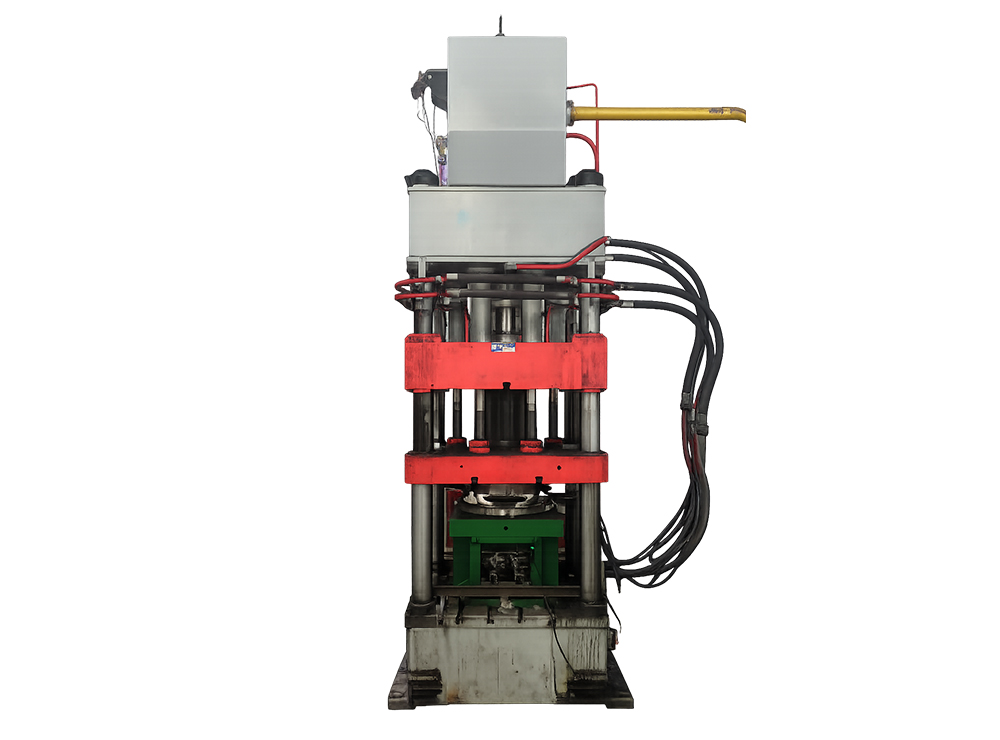
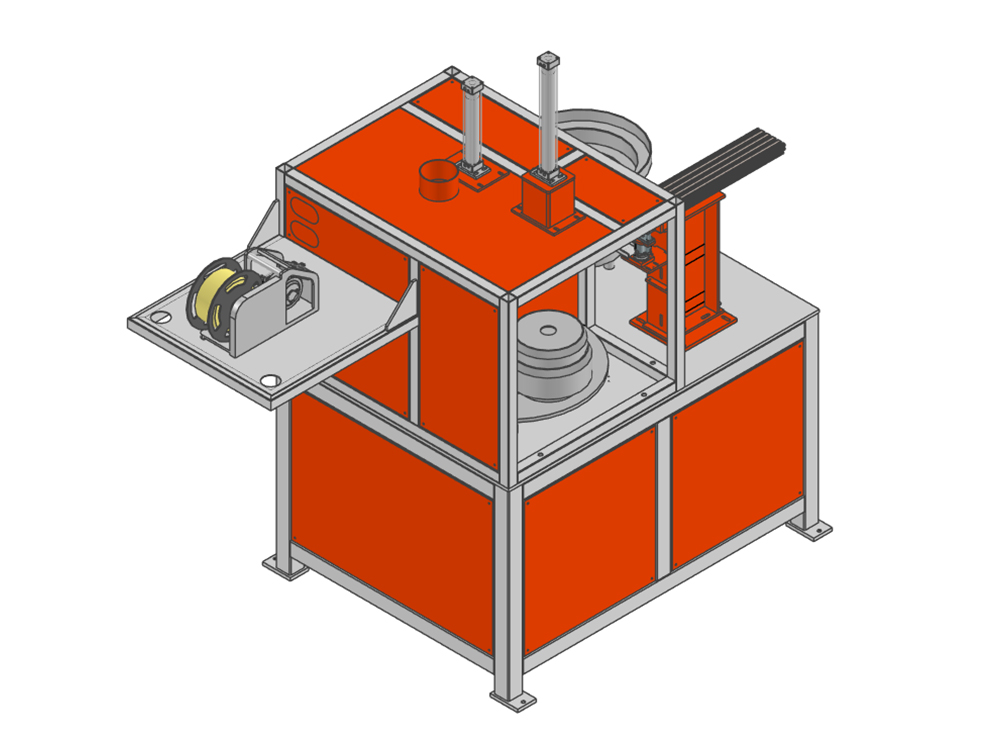
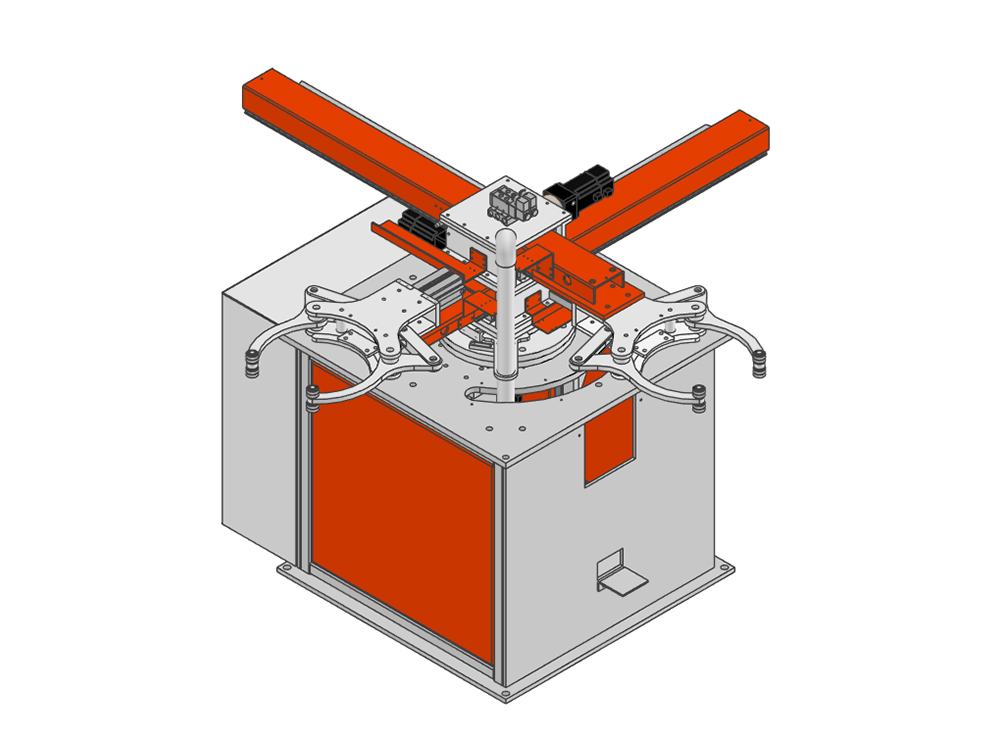
A Deep Drawing Machine normally includes a hydraulic press, punch and die set, blank-holder mechanism, lubrication system, transfer equipment, controls, guarding, and inspection interfaces. A hydraulic deep drawing press for LPG cylinders is selected according to required forming force, stroke length, worktable size, shell diameter, production cycle, and number of forming stages.
Manual, semi-automatic, and fully automatic lines serve different operating conditions.
| Line type | Typical application | Main control characteristic | Main limitation |
|---|---|---|---|
| Manual | Low-volume or development production | Operator loads and transfers blanks | Greater variation and labor exposure |
| Semi-automatic | Small and medium production | Press cycle is controlled, transfer is partly manual | Material handling can limit output |
| Fully automatic | Repetitive, high-volume production | Robots, conveyors, sensors, and PLC coordination | Higher initial investment and integration requirements |
When I compare equipment, I examine more than rated tonnage. The buyer should request forming-force curves, blank-holder control method, allowable die dimensions, cycle-time assumptions, changeover procedure, spare-parts list, guarding details, and acceptance-test criteria. Equipment should also be evaluated for the cylinder range it can produce, because a machine designed for one diameter may not accommodate another capacity without tooling and software changes.
Shuofang supplies LPG cylinder machinery and production-line solutions that include deep drawing equipment, trimming and joggling machines, welding systems, heat-treatment furnaces, testing machines, coating equipment, valve mounting machines, and handling systems. Its stated project scope covers automatic, semi-automatic, and segmented production lines, with customization based on product specifications, plant layout, capacity, and budget. The company also describes installation, commissioning, operator training, a one-year equipment warranty, and lifetime technical service as part of its support model.
Modern lines can add force sensors, position encoders, pressure monitoring, and production-data collection. I recommend connecting these signals to an industrial data system so that abnormal force increases, stroke deviations, lubrication interruptions, or repeated dimensional drift can be identified before a large batch is affected. Predictive maintenance can then use trends such as hydraulic pressure instability, pump temperature, vibration, cycle-time growth, or die-contact alarms to schedule service based on evidence.
Deep Drawing Mechanics and Process Control
Blank-holder force is one of the most important variables in LPG cylinder deep drawing. If the force is too low, the flange can form wrinkles that later become permanent wall defects. If the force is too high, the material cannot flow toward the die opening, causing excessive thinning, tearing, or increased press load.
Friction has a direct effect on forming stability. Poor lubrication increases drawing force and surface damage, while uneven lubrication can produce asymmetric flow and inconsistent wall thickness. I control this by standardizing lubricant concentration, application quantity, contact-surface cleanliness, and reapplication frequency.
Wall-thickness control requires measurement at several positions rather than one average reading. The bottom radius, sidewall, shoulder, and trimmed edge may experience different levels of thinning. A practical inspection plan combines ultrasonic or mechanical thickness measurement, height and diameter checks, visual inspection, and periodic sectioning during process validation.
Dimensional defects include ovality, excessive height variation, flange unevenness, shoulder distortion, off-center piercing, and poor shell alignment. These defects may originate from blank eccentricity, die wear, punch misalignment, incorrect holder pressure, or transfer errors. I use first-piece approval, hourly or batch sampling, control charts, and serial-number traceability to connect each defect to a specific machine, die set, material batch, and operator shift.
Welding, Heat Treatment, and Testing
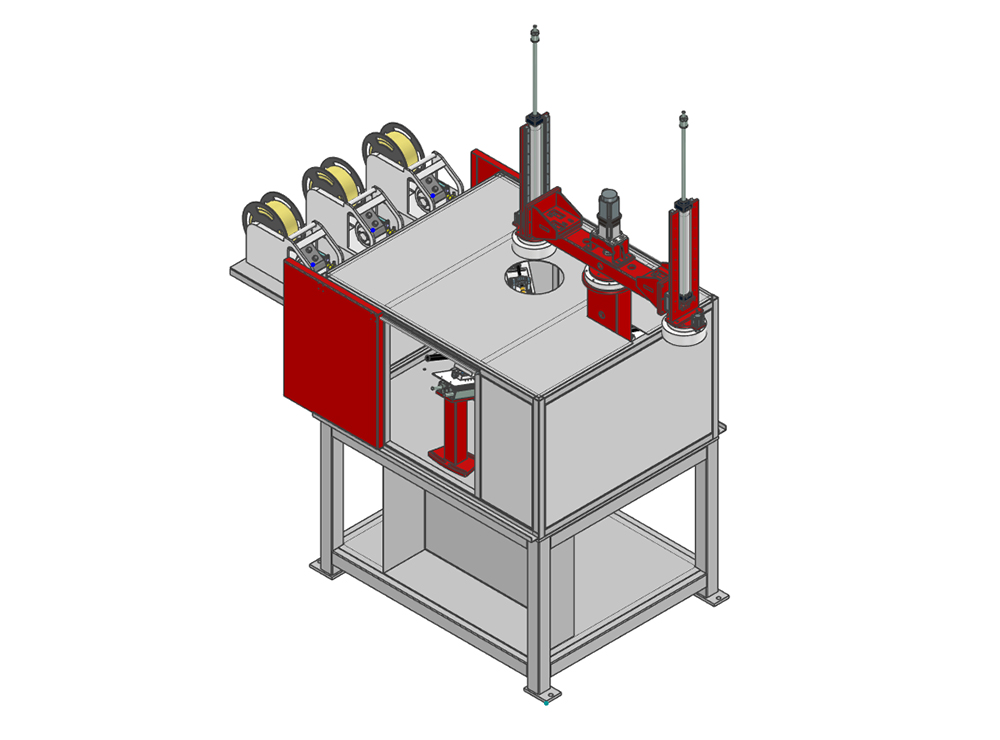
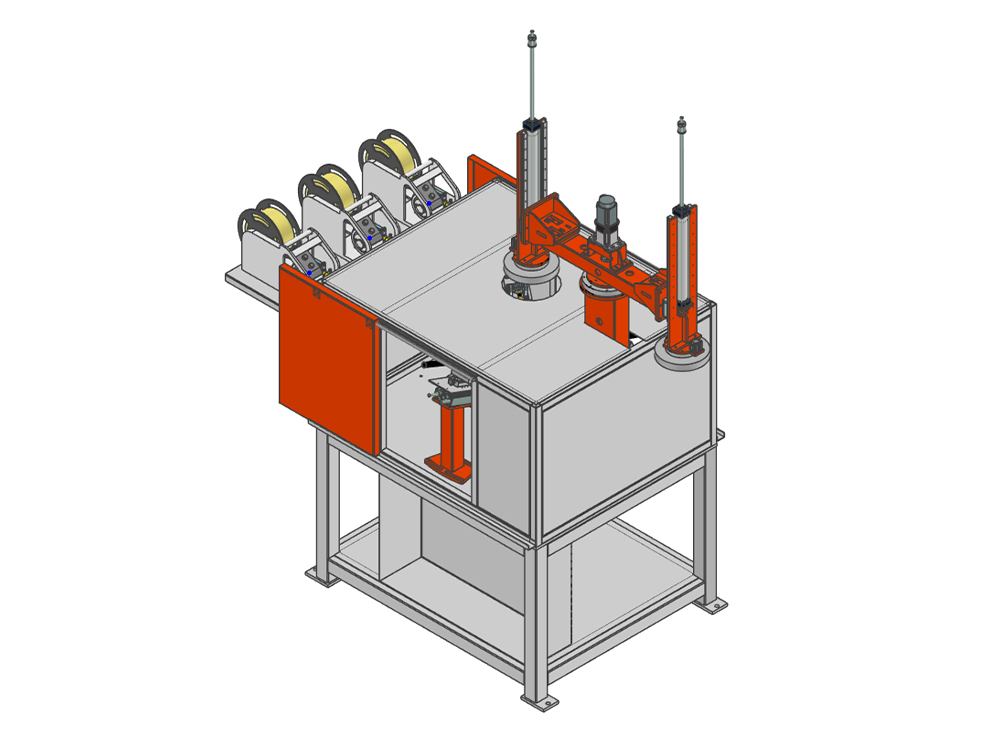
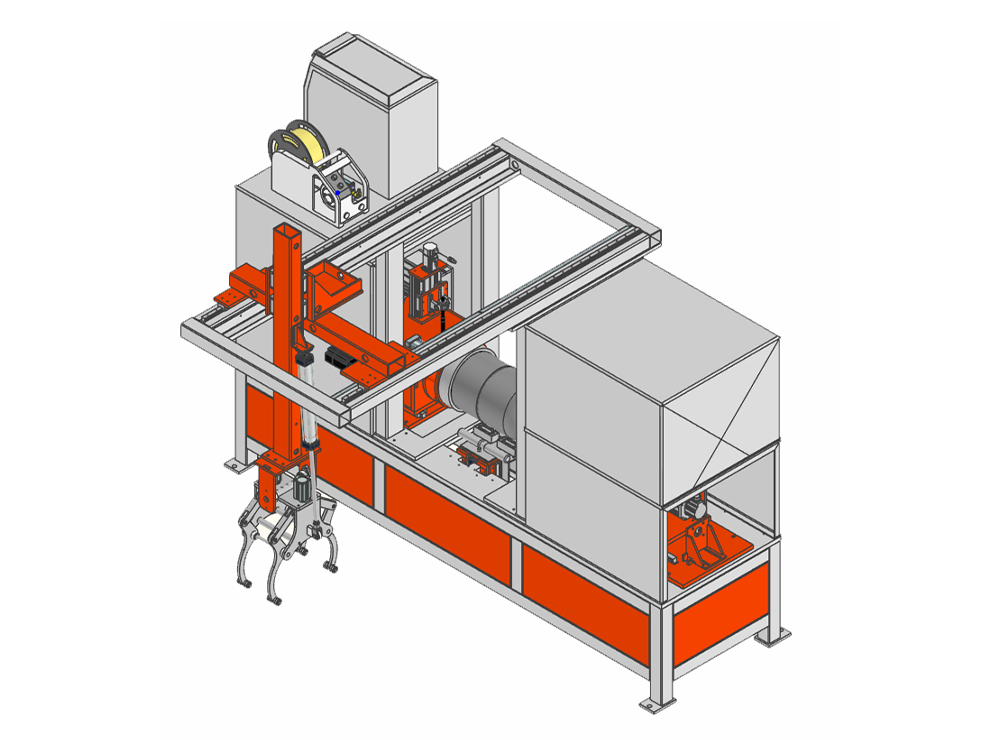
After shell forming, the upper and lower sections are assembled and joined by circumferential welding. Valve seats, handguards, and base rings may be welded in separate operations. Automated welding can improve repeatability by controlling travel speed, current, wire feed, torch position, and rotation, but the weld still requires inspection for undercut, porosity, incomplete fusion, excessive reinforcement, and burn-through.
Laser tracking or other seam-following systems can help maintain torch alignment when component fit-up varies within the permitted range. I still require fixture checks because tracking cannot correct every root gap or shell mismatch. Welding records should identify the cylinder batch, welding program, consumable lot, operator, machine, and inspection result.
Heat treatment or annealing is used to reduce residual stress and stabilize the welded structure when required by the design and governing standard. Furnace records should include temperature profile, holding time, loading arrangement, and calibration status. If the process is not controlled, residual stress and distortion may remain even when the weld appearance is acceptable.
Hydrostatic testing fills the cylinder with water and applies the specified test pressure under controlled conditions. Water is used because it stores far less energy than compressed gas, making the test safer for pressure-vessel verification. Air leakage testing is a separate check that uses pressurized air or another approved medium to detect leaks at welds, valve seats, and joints; it should not be treated as a replacement for the required hydrostatic test.
Common Deep Drawing Defects and How to Prevent Them
The main deep drawing defects in LPG cylinder production are wrinkles, cracks, excessive thinning, surface scoring, earing, ovality, and dimensional drift. Prevention begins with material verification and correct blank design, then continues through die alignment, lubrication, holder-force control, and scheduled tool inspection. Defect records should distinguish between material-related, tooling-related, machine-related, and operator-related causes.
| Defect | Likely cause | Corrective action |
|---|---|---|
| Wrinkling | Low blank-holder force or excessive material flow | Adjust holder force and review blank diameter |
| Cracking | Excessive drawing ratio, small die radius, poor lubrication | Reduce deformation per stage and inspect tooling |
| Wall thinning | Uneven flow or excessive local strain | Review force curve, die alignment, and material condition |
| Scoring | Damaged tool surface or insufficient lubrication | Polish or replace tooling and standardize lubricant |
| Ovality | Misalignment, transfer error, or uneven loading | Check punch, die, fixture, and blank centering |
| Height variation | Blank-size variation or unstable stroke position | Tighten blanking and press-position controls |
| Earing | Directional material properties | Adjust blank profile or material specification |
I do not accept visual inspection alone for safety-critical cylinders. The inspection system should combine dimensional checks, surface examination, weld inspection, wall-thickness verification, pressure testing, leakage testing, coating inspection, and document review. Each cylinder or production batch should remain traceable from steel heat number through final serial marking.
Safety Standards and Final Inspection
LPG cylinder manufacturing must follow the applicable national or regional pressure-vessel and gas-cylinder requirements. The exact acceptance values for wall thickness, test pressure, leakage, weld quality, marking, and periodic inspection depend on the destination market and cylinder design. Manufacturers should define these requirements before purchasing tooling or finalizing the production-line layout.
Final inspection normally confirms cylinder dimensions, tare weight where applicable, valve-seat position, weld condition, surface finish, coating adhesion, markings, hydrostatic result, air-leakage result, and accessory fit. I also review calibration records for pressure gauges, test equipment, temperature sensors, and measurement instruments. A cylinder should not be released solely because the production line completed its cycle.
How to Choose Deep Drawing Equipment for LPG Cylinders
I recommend preparing a technical requirement sheet before requesting quotations. It should state cylinder capacities, body diameter, shell height, nominal wall thickness, steel grade, two-piece or three-piece construction, target annual output, available floor space, utility conditions, regional standard, automation level, and required acceptance tests.
The buyer should ask each supplier to provide:
- Press force, stroke, speed range, and blank-holder control method.
- Drawing-stage proposal and expected tooling configuration.
- Cycle-time calculation based on the actual cylinder specification.
- Wall-thickness and dimensional acceptance criteria.
- Sensor, PLC, alarm, data-recording, and remote-support functions.
- Installation, commissioning, training, spare parts, warranty, and service terms.
- Factory acceptance and site acceptance test procedures.
Shuofang presents itself as a manufacturer and integrator rather than only a single-machine vendor. Its published company information describes more than 10 years of industry activity, a production base exceeding 20,000 square meters, annual output value above 70 million yuan, and project experience involving automated lines and LPG cylinder production facilities. Those figures should be verified during commercial due diligence through factory acceptance testing, reference projects, equipment records, and a written performance agreement.
Conclusion
Understanding the deep drawing process in LPG cylinder manufacturing helps me connect forming accuracy with cylinder safety, production efficiency, and long-term operating cost. The essential controls are material verification, blank accuracy, drawing ratio, blank-holder force, lubrication, die condition, wall-thickness measurement, and traceable inspection records. Deep drawing is only one part of the complete LPG cylinder manufacturing process, which also includes trimming, piercing, end forming, welding, heat treatment, hydrostatic testing, leakage testing, coating, valve fitting, and final inspection.
For a small producer, a semi-automatic line may provide a practical balance between investment and operator involvement. For a high-volume manufacturer, a fully automatic line with force sensors, machine data collection, automated transfer, welding control, and integrated testing can reduce process variation and improve traceability. Before selecting a Deep Drawing Machine or complete line, I would confirm the cylinder design, applicable regional standard, capacity target, quality criteria, acceptance tests, service scope, and actual factory demonstration offered by Shuofang.