Troubleshooting Common Problems in LPG Cylinder Manufacturing Equipment
Oct.02, 2026
The most common LPG cylinder manufacturing equipment problems involve air leaks, pressure loss, restricted flow, abnormal forming, defective welds, inaccurate testing, and inconsistent surface finishing. I troubleshoot them by isolating the equipment safely, identifying the production symptom, inspecting connected components, checking settings and calibration, correcting the root cause, and escalating pressure-related or electrical repairs to qualified professionals.
Key Takeaways
- I begin every LPG cylinder equipment fault diagnosis with shutdown, isolation, and documented symptom identification.
- Forming defects often result from worn tooling, incorrect hydraulic settings, material variation, or poor alignment.
- Welding defects require checks of current, pressure, electrode condition, fit-up, shielding, and cylinder surface preparation.
- False leak-test results commonly originate from blocked fixtures, damaged seals, unstable pressure, or calibration drift.
- Preventive maintenance reduces downtime when inspections, lubrication, spare parts, and calibration records follow fixed intervals.
- Pressure vessels, electrical cabinets, hydraulic circuits, and safety interlocks require qualified technical intervention.
What Is LPG Cylinder Manufacturing Equipment Troubleshooting?
I define LPG cylinder manufacturing equipment troubleshooting as a controlled process for locating the physical, mechanical, electrical, pneumatic, hydraulic, or process-related cause of a production problem. It is different from simply replacing a failed part because the visible defect may originate earlier in the production line. For example, an incomplete circumferential weld can result from unstable welding current, incorrect shell alignment, worn electrodes, poor material preparation, or excessive movement in the welding fixture.
A complete diagnosis must connect the production symptom with measurable operating conditions. I normally compare the defective cylinder with a confirmed acceptable cylinder, then record pressure, flow, temperature, current, cycle time, dimensional readings, and test results where applicable. This approach prevents operators from adjusting several variables at once and losing the evidence needed to identify the actual root cause.
How LPG Cylinder Manufacturing Equipment Works
An LPG cylinder production line normally combines material preparation, blanking or stamping, deep drawing, trimming, joggling, valve-seat preparation, handle and foot-ring forming, welding, heat treatment, shot blasting, painting, valve fitting, hydrostatic testing, air leakage testing, and final inspection. Each machine controls a different stage, but the stages are connected through tooling accuracy, material movement, fixtures, sensors, and quality checkpoints. A fault in one operation can therefore appear as a defect in a later operation.
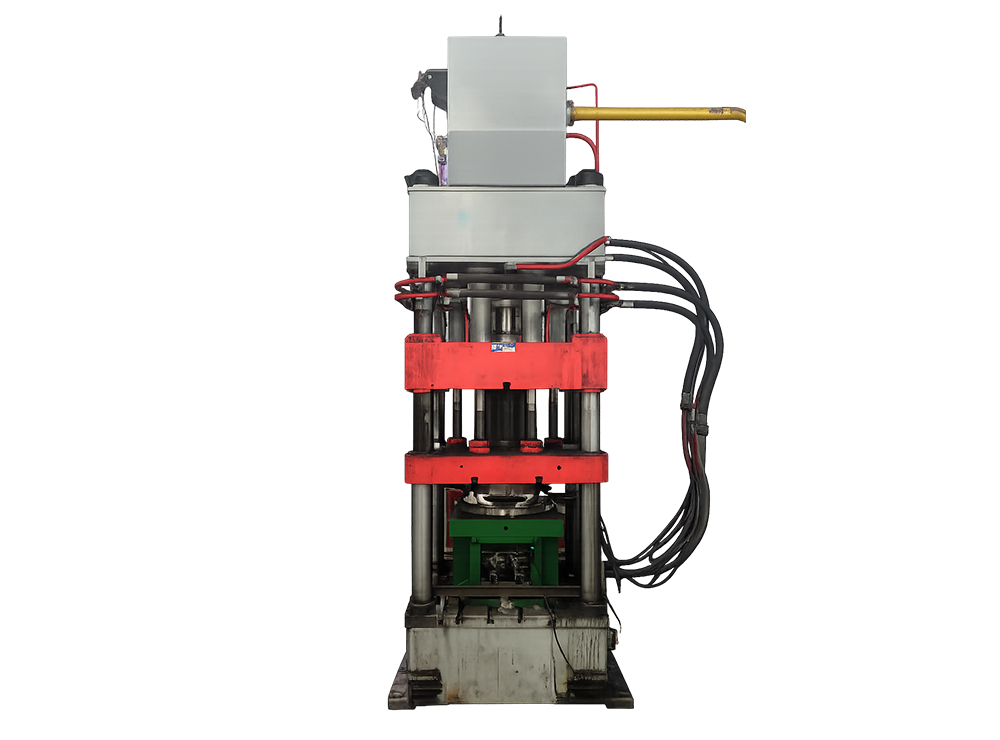
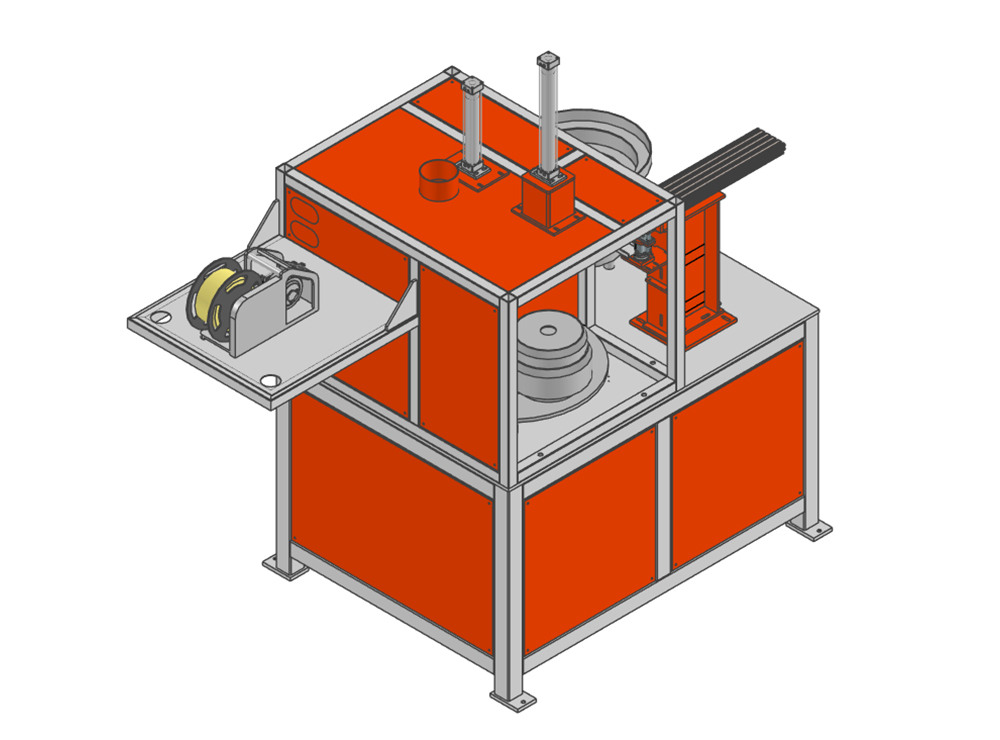
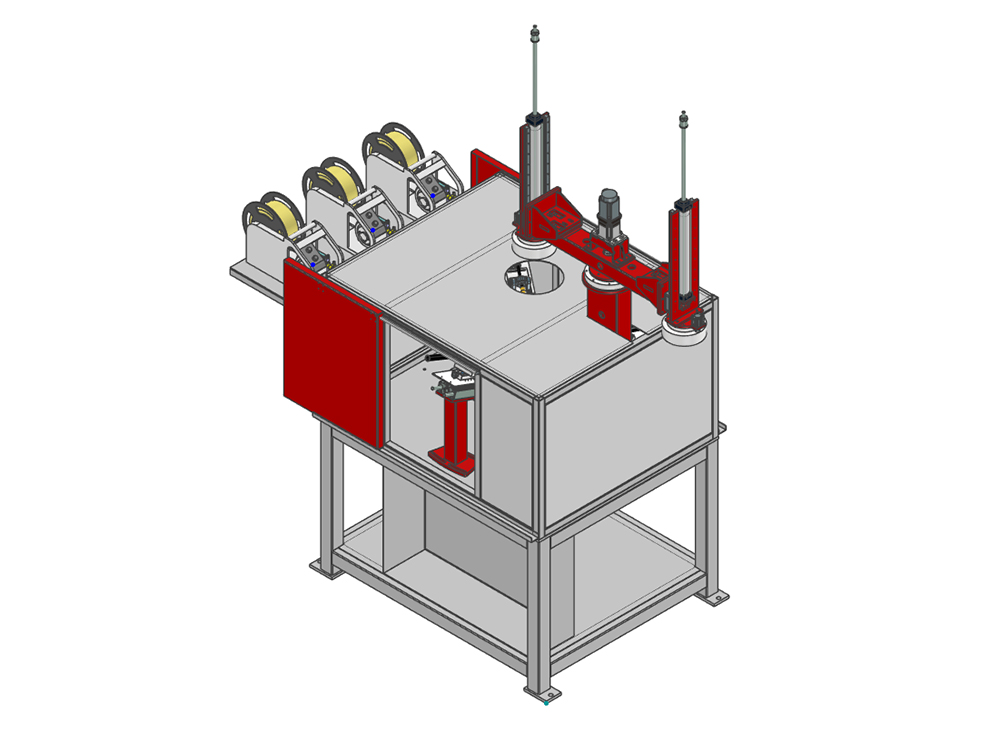
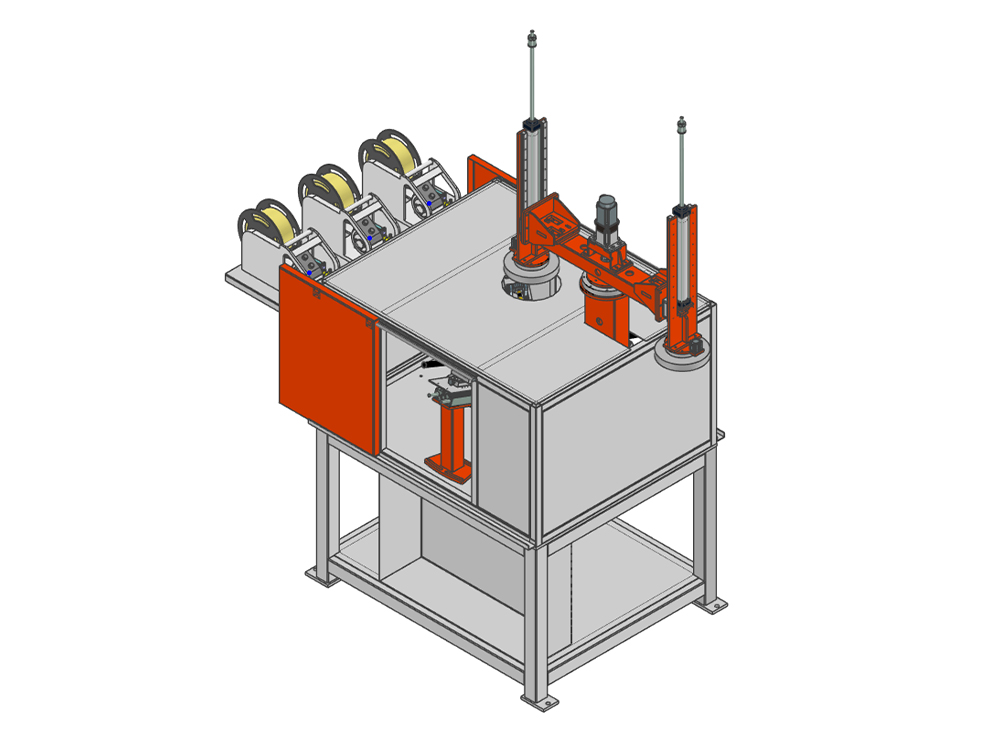
Shuofang supplies equipment across these production stages, including deep drawing machines, automatic and semi-automatic welding lines, anneal furnaces, powder coating lines, hydro testing machines, an Air Leakage Testing Machine, valve mounting machines, silk printing machines, and shot blasting machines. Its production-line solutions also include automated, semi-automated, and segmented configurations. When I evaluate a line, I consider not only the individual machine but also how transfer systems, control logic, testing equipment, and operator procedures work together.
!
Troubleshooting Common Problems in LPG Cylinder Manufacturing Equipment: Causes and Solutions
1. Make the Equipment Safe Before Inspection
I first stop the affected machine and prevent automatic restart. The operator should isolate electrical power, compressed air, hydraulic pressure, stored mechanical energy, hot surfaces, and any cylinder or gas-related hazard before opening guards or entering the work area. A lockout/tagout procedure should identify the energy source, the authorized person, the isolation point, and the verification method.
I do not treat a control-panel stop button as complete isolation. After shutdown, I verify that hydraulic gauges have returned to a safe condition, pneumatic pressure has been released, moving tooling cannot descend, heated components have cooled, and electrical isolation has been tested by an authorized person. If a cylinder is pressurized, leaking, deformed, overheated, or damaged during testing, production should remain stopped until a qualified technician determines the safe disposition.
2. Define the Symptom and Establish a Baseline
I record exactly what changed instead of using broad descriptions such as “the machine is unstable.” Useful information includes the machine number, product size, material batch, tooling identification, operator, shift, alarm code, cycle time, defect rate, and the time when the problem began. I also compare the last acceptable production run with the first defective run.
The following symptom-to-cause matrix helps connect production defects with equipment failures:
| Production symptom | Likely equipment or process causes | First checks |
|---|---|---|
| Shell wall thickness varies | Misaligned die, worn punch, incorrect blank position, material thickness variation | Tool alignment, blank dimensions, hydraulic pressure |
| Cracks after deep drawing | Excessive forming force, insufficient lubrication, unsuitable material, sharp tooling radius | Oil condition, die radius, pressure trend, material certificate |
| Incomplete or porous weld | Low current, unstable contact pressure, dirty surfaces, worn electrodes, poor fit-up | Welding current, electrode faces, shell alignment |
| Weld distortion | Excessive heat input, uneven clamping, incorrect sequence, poor cooling | Fixture condition, welding time, clamp pressure |
| Pressure loss during testing | Fixture seal damage, hose leakage, blocked passage, valve-seat defect | Hoses, fittings, O-rings, gauges, test connections |
| False leak-test failure | Calibration drift, unstable air supply, temperature change, trapped liquid | Reference cylinder, regulator, sensor, drainage |
| Paint peeling or uneven coating | Poor blasting, surface contamination, incorrect curing temperature, spray blockage | Surface profile, powder flow, oven temperature |
| Abnormal machine noise | Bearing wear, loose fastener, misalignment, hydraulic cavitation | Guards, bearings, oil level, pump inlet |
| Restricted flow | Blocked filter, kinked hose, clogged nozzle, undersized fitting | Filters, hoses, valves, pressure differential |
| Excessive cycle time | Sensor misread, slow hydraulic response, low air pressure, transfer obstruction | Sensors, PLC timing, pressure and flow readings |
3. Inspect Valves, Regulators, Hoses, Fittings, and Cylinders
Restricted flow and pressure loss frequently occur outside the main machine frame. I inspect regulators, shutoff valves, filters, flexible hoses, quick couplings, pressure gauges, fittings, and cylinder test connections before adjusting the machine program. A partially closed valve, contaminated filter, kinked hose, loose fitting, or damaged O-ring can create symptoms that look like a pump or compressor failure.
I check whether the regulator maintains the required pressure during the complete cycle rather than only when the machine is idle. I also inspect hoses for abrasion, blistering, flattening, chemical damage, and incorrect routing near hot or moving parts. For cylinder fixtures, I check sealing faces, locating pins, clamps, and contact surfaces because a damaged fixture can produce repeated false failures even when the cylinder itself is acceptable.
LPG Cylinder Body Forming Machine Faults
Deep drawing and forming machines commonly develop problems involving wrinkling, cracking, uneven wall thickness, incorrect height, distorted edges, and incomplete seating in the die. I begin by checking the blank diameter, material thickness, lubrication, die condition, punch alignment, blank-holder force, and hydraulic pressure. A small change in material hardness or surface condition can produce a large change in forming behavior.
Hydraulic press troubleshooting requires attention to both pressure and flow. Pressure that is too low may prevent complete forming, while excessive pressure can increase cracking, tool wear, and deformation. If the pressure gauge fluctuates, I inspect the hydraulic oil level, filter, pump inlet, relief valve, hose connections, and possible air entry before changing the forming program.
Tooling wear is another common cause of gradual quality decline. I measure critical die and punch surfaces against the approved tooling dimensions and record wear rather than relying only on visual inspection. If defects occur at the same location on every shell, I suspect tooling geometry, alignment, or material contact before blaming the control system.
LPG Cylinder Welding Defects and Solutions
When I troubleshoot LPG cylinder welding defects, I separate the problem into electrical input, mechanical pressure, material preparation, fixture alignment, and shielding or cooling conditions. Incomplete fusion can result from insufficient current, low electrode pressure, excessive travel speed, poor contact, or a gap between components. Porosity may indicate contamination, trapped oil, surface scale, inadequate shielding, or unstable gas flow where a shielded process is used.
Cracks require immediate attention because they may indicate excessive heat input, rapid cooling, material stress, poor joint preparation, or repeated welding over a damaged area. I stop the affected operation, identify the crack location, inspect electrode condition, verify the welding schedule, and review the material batch. I do not approve a cylinder for further processing merely because the crack is small or the weld appears acceptable after grinding.
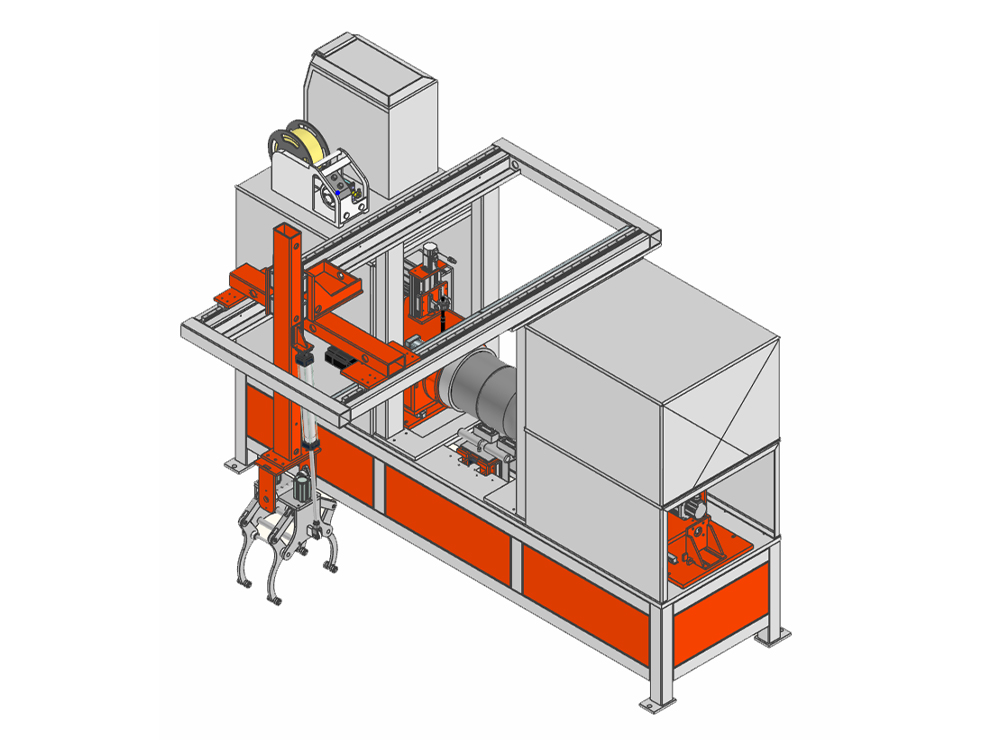
For circumferential welding, I check shell roundness, seam alignment, clamp pressure, electrode tracking, rotation speed, and the condition of the welding contact surfaces. Shuofang describes laser tracking on its circumferential welding equipment, so I would include tracking sensor cleanliness, alignment, signal stability, and calibration status in the inspection plan. A tracking system cannot compensate for severe shell distortion or a loose fixture.
Hydrostatic and Air Leakage Testing Problems
Hydrostatic testing equipment problems often involve unstable pressure, slow filling, trapped air, inaccurate gauges, leakage at the fixture, or incomplete drainage. I verify that the test medium is free from excessive contamination, the pump and filter are functioning, the pressure gauge is within its calibration period, and the cylinder is correctly positioned. Trapped air can affect test behavior and may create unsafe conditions, so the approved plant procedure must define filling, venting, pressurizing, holding, and depressurizing steps.
An Air Leakage Testing Machine can give false results when its test fixture does not seal consistently. I inspect O-rings, contact faces, clamps, pressure regulators, hoses, pneumatic valves, sensors, and the reference cylinder used for verification. I also check whether ambient temperature, moisture, or residual water inside the cylinder is influencing pressure stability.
I maintain a calibration record for every pressure gauge, transducer, flow sensor, and leak-test reference device. The record should include equipment identification, calibration date, reference standard, measured deviation, acceptance decision, technician, and next due date. If a test result conflicts with a confirmed reference cylinder, I remove the testing station from production until the discrepancy is explained.
Heat Treatment, Shot Blasting, Painting, and Valve Fitting
Heat-treatment faults often appear as inconsistent mechanical properties, discoloration, distortion, or insufficient stress relief. I inspect furnace temperature mapping, thermocouple condition, conveyor speed, loading pattern, door seals, burner or heating-element operation, and temperature records. A displayed temperature is not sufficient evidence if the sensor is misplaced or the furnace has hot and cold zones.
Shot blasting equipment can produce uneven surface preparation when abrasive media flow is restricted, wheel blades are worn, the cabinet is overloaded, or the recovery system is blocked. I check abrasive condition, blast pressure or wheel speed, nozzle alignment, cabinet seals, dust collection, and the surface profile achieved on sample cylinders. Poor blasting can later appear as paint adhesion failure rather than a blasting problem.
Painting-line faults include blocked spray nozzles, unstable powder or paint flow, incorrect grounding, contaminated surfaces, and curing temperatures outside the approved process window. I record oven temperature at several positions, verify conveyor speed, and inspect whether the cylinder is fully exposed to the coating pattern. Valve mounting problems may originate from incorrect torque, damaged threads, poor alignment, contaminated sealing surfaces, or worn tooling, so I inspect both the machine and the cylinder neck before changing torque settings.
LPG Cylinder Manufacturing Machine Maintenance
I recommend a maintenance schedule divided into operator checks, weekly inspections, monthly service, and planned annual verification. The exact interval should follow the machine design, operating hours, duty cycle, and supplier instructions, but every interval should produce a dated record rather than an informal verbal confirmation. Maintenance should cover lubrication, filters, hoses, fasteners, guards, sensors, tooling, electrical cabinets, hydraulic oil, pneumatic regulators, and safety interlocks.
| Maintenance interval | Main activities |
|---|---|
| Every shift | Check leaks, alarms, guards, abnormal noise, pressure readings, tooling cleanliness, and emergency stops |
| Weekly | Inspect hoses, fittings, sensors, electrode condition, lubrication points, filters, clamps, and fixture seals |
| Monthly | Review pressure and temperature trends, inspect hydraulic oil condition, verify alignment, clean control cabinets |
| Every three months | Check tooling wear, calibration status, electrical terminals, pneumatic valves, grounding, and safety circuits |
| Annually or according to risk | Complete formal calibration, hydraulic service, electrical inspection, furnace verification, and safety review |
Critical spare parts should match the failure history of the line. I normally prioritize seals, O-rings, hoses, filters, welding electrodes, sensor heads, relays, fuses, pneumatic valves, hydraulic valves, bearings, tooling inserts, pressure gauges, and fixture components. Spare-parts control should include part number, approved substitute, storage condition, minimum quantity, supplier lead time, and the machine where the part is used.
Reducing LPG Cylinder Production Line Downtime
For LPG cylinder production line downtime reduction, I measure more than total stoppage hours. I track mean time to detect, mean time to repair, repeat-failure frequency, first-pass yield, changeover duration, rejected cylinders per shift, and the percentage of downtime caused by waiting for parts or technical approval. These figures identify whether the main problem is machine reliability, diagnosis speed, material quality, operator training, or service response.
I also use a short root-cause report for every recurring fault. The report should state the symptom, containment action, confirmed cause, failed component, corrective repair, verification test, responsible person, and prevention measure. If a welding problem returns after three repairs, the plant should review the welding schedule, fixture design, electrode specification, material preparation, and operator method instead of repeating the same component replacement.
Shuofang states that it provides installation, commissioning, operator training, production guidance, and ongoing technical support for its LPG cylinder production solutions. When selecting or evaluating a supplier, I would confirm the response process, spare-parts availability, calibration support, electrical documentation, training scope, warranty boundaries, and remote diagnosis method before commissioning the line. These details directly affect how quickly a manufacturer can restore production after a fault.
When to Repair, Replace, or Escalate
I repair equipment when the frame, control architecture, tooling base, and safety system remain suitable and the failure is limited to a replaceable or serviceable component. Replacement becomes more practical when the machine has repeated failures, obsolete controls, unavailable parts, unsafe guarding, poor dimensional stability, or repair costs that exceed the expected production benefit. I make this decision from downtime records, repair invoices, defect data, energy use, and expected remaining service life.
I involve a qualified professional for pressure-system work, electrical cabinet modifications, hydraulic accumulator service, furnace burner repairs, safety-circuit changes, structural welding, and any investigation involving a damaged or pressurized cylinder. Operators can perform defined visual inspections and routine cleaning, but they should not bypass interlocks, increase pressure beyond approved limits, alter safety logic, or continue production with unverified test equipment.
Conclusion
Troubleshooting Common Problems in LPG Cylinder Manufacturing Equipment requires a documented sequence: isolate the machine, define the symptom, inspect connected components, verify settings and calibration, identify the root cause, test the correction, and record the result. I give particular attention to forming alignment, welding parameters, hydrostatic and air leakage testing, heat treatment, blasting, painting, valve fitting, pressure loss, restricted flow, and abnormal output.
Manufacturers should combine daily operator checks with weekly component inspections, monthly service reviews, scheduled calibration, critical spare-parts control, and formal lockout/tagout procedures. When defects repeat, I recommend reviewing tooling wear, material variation, fixture condition, process settings, and operator training rather than replacing parts without evidence. For pressure, electrical, hydraulic, furnace, and safety-system faults, the correct next step is to stop production and involve a qualified technician or the equipment supplier, including Shuofang when its machinery or production-line support is involved.