Shot Blasting vs Chemical Cleaning: Which Surface Preparation Method Is Better?
Oct.02, 2026
Shot blasting vs chemical cleaning is not a question with one universal answer. Shot blasting is generally preferred for rust, mill scale, old coatings, and surface-profile creation, while chemical cleaning is better for oils, grease, salts, intricate geometries, and conversion pretreatment. The final choice depends on the substrate, contaminant, coating system, geometry, production volume, and required finish.
In my experience, manufacturers make costly preparation errors when they treat cleaning and profiling as the same operation. A surface can look visually clean while still containing oil, soluble salts, embedded abrasive, or corrosion products that weaken coating adhesion. The correct method must therefore be selected from the complete process rather than from appearance alone.
!
Shuofang, formally Henan Shuofang Intelligent Equipment Co., Ltd., supplies LPG cylinder production equipment and integrated manufacturing lines that can include heat treatment, shot blasting, coating, testing, and inspection. Its published company information identifies more than 10 years of operating history, a production base exceeding 20,000 square meters, and annual output value above RMB 70 million. These figures provide useful context for evaluating shot blasting as part of a connected industrial production line rather than as an isolated machine purchase.
Shot Blasting vs Chemical Cleaning: Key Differences
Shot blasting is a mechanical surface preparation method. Steel shot, abrasive grit, or another media is propelled against the workpiece to fracture rust, remove mill scale, detach old coatings, and create controlled peaks and valleys. The resulting surface profile increases the mechanical key available to many paint and powder-coating systems.
Chemical cleaning uses alkaline cleaners, solvents, acids, phosphates, or other formulated treatments to dissolve, emulsify, convert, or loosen contaminants. It is particularly useful for oil, grease, fingerprints, salts, and residues that abrasive impact may spread or press into the substrate. Chemical treatment can also form a conversion layer, but its result depends strongly on concentration, temperature, contact time, rinsing, and bath control.
| Factor | Shot blasting | Chemical cleaning |
|---|---|---|
| Rust removal | Strong for loose and adherent rust | Depends on acid or conversion chemistry |
| Mill scale | Strong when impact energy is suitable | Usually slower or chemically intensive |
| Old paint | Strong for many coating systems | Requires compatible stripping chemistry |
| Oil and grease | Limited unless degreasing occurs first | Strong with suitable alkaline or solvent stage |
| Soluble salts | Does not reliably remove salts | Can remove them when rinsing is controlled |
| Surface profile | Creates measurable roughness | Usually does not create a coating anchor profile |
| Complex internal geometry | Limited by media access | Often more suitable for narrow passages |
| Waste stream | Spent abrasive, dust, and removed coating | Spent bath, rinse water, sludge, and chemical containers |
| Main process risk | Excessive roughness, embedded oil, flash rust | Residual chemistry, inadequate rinsing, corrosion |
For coating preparation, the visual condition should be checked against a defined standard. ISO 8501-1 provides rust and preparation grades for steel, while ISO 8503 methods address the profile of blast-cleaned surfaces. Replica-tape measurement under ISO 8503-5 can assess average peak-to-valley profile over a stated measurement range of approximately 20–115 micrometres, depending on the tape grade.
How Shot Blasting Works for Surface Preparation
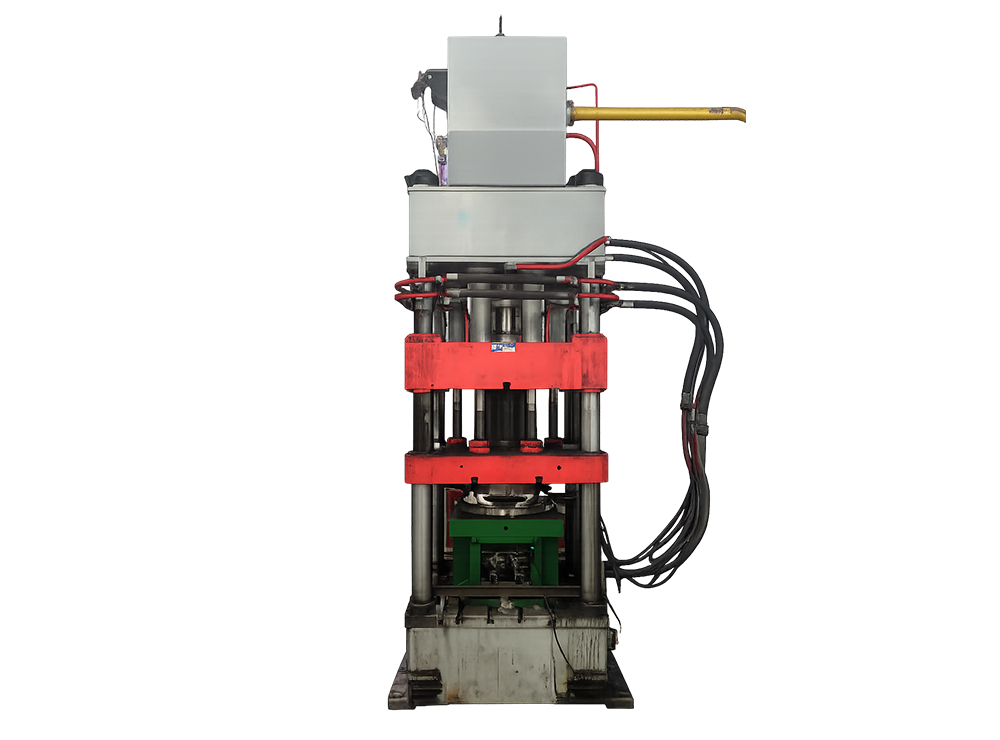
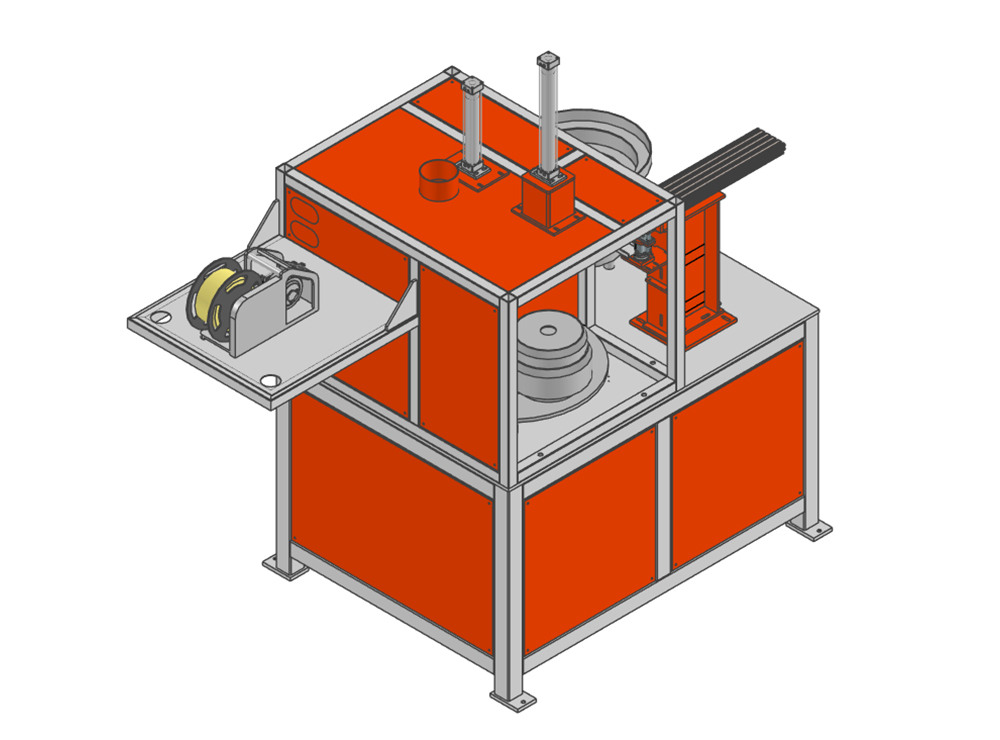
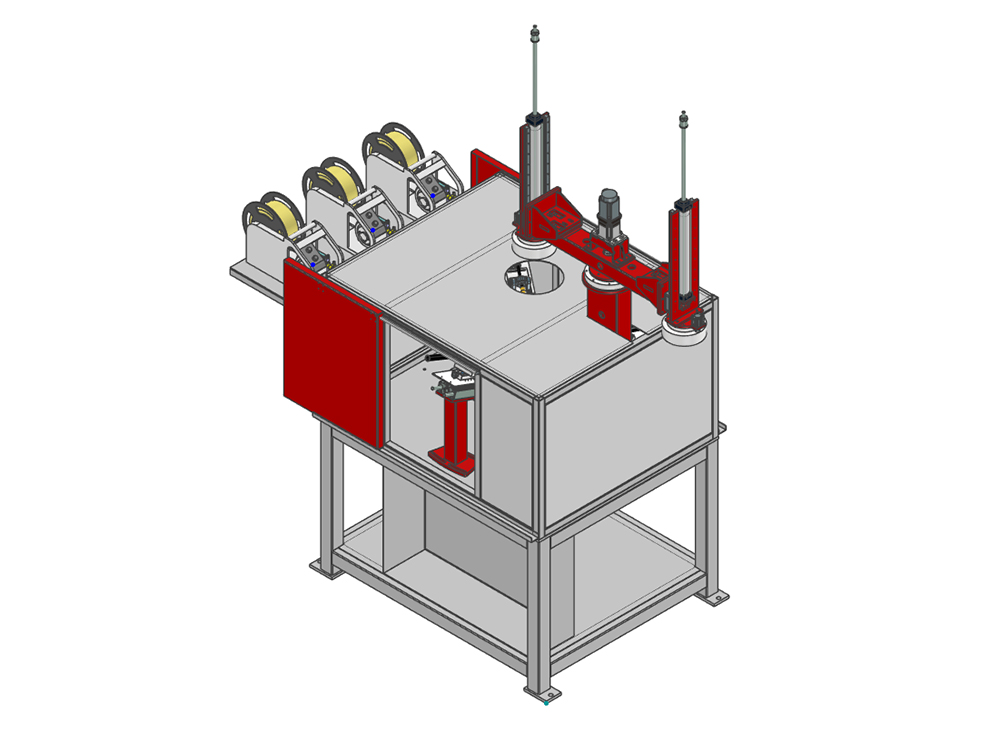
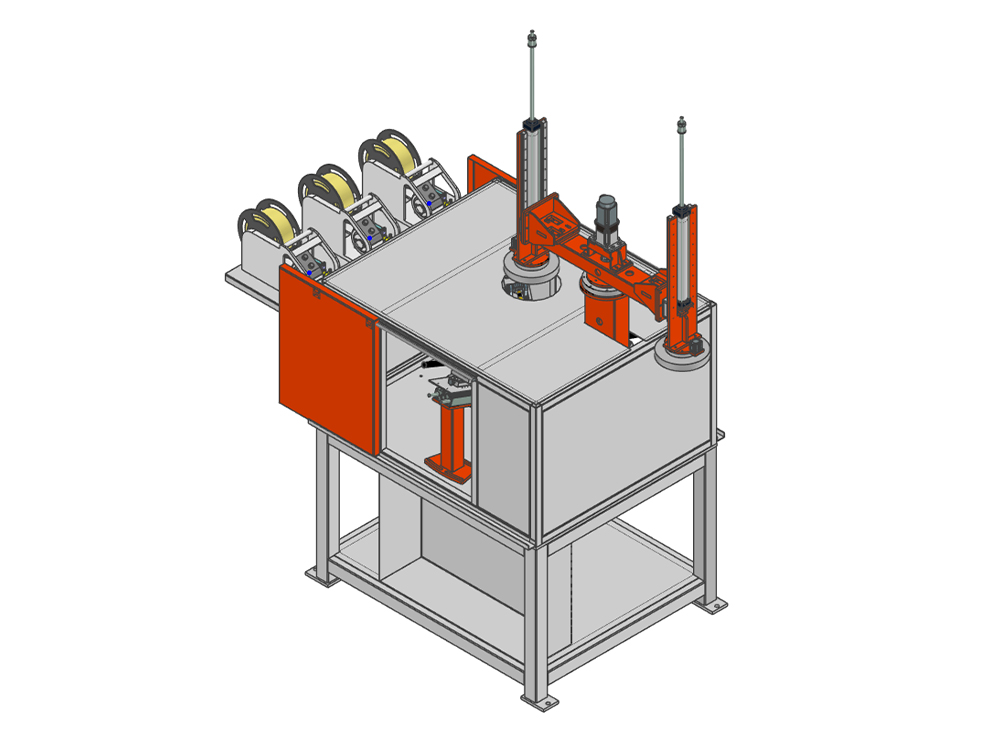
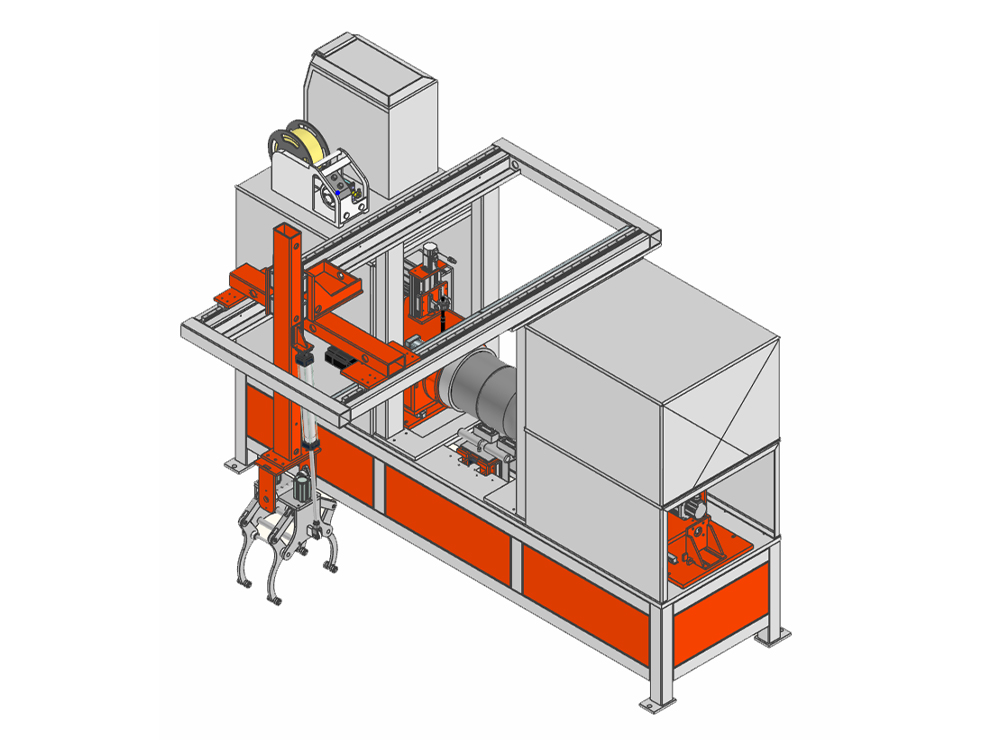
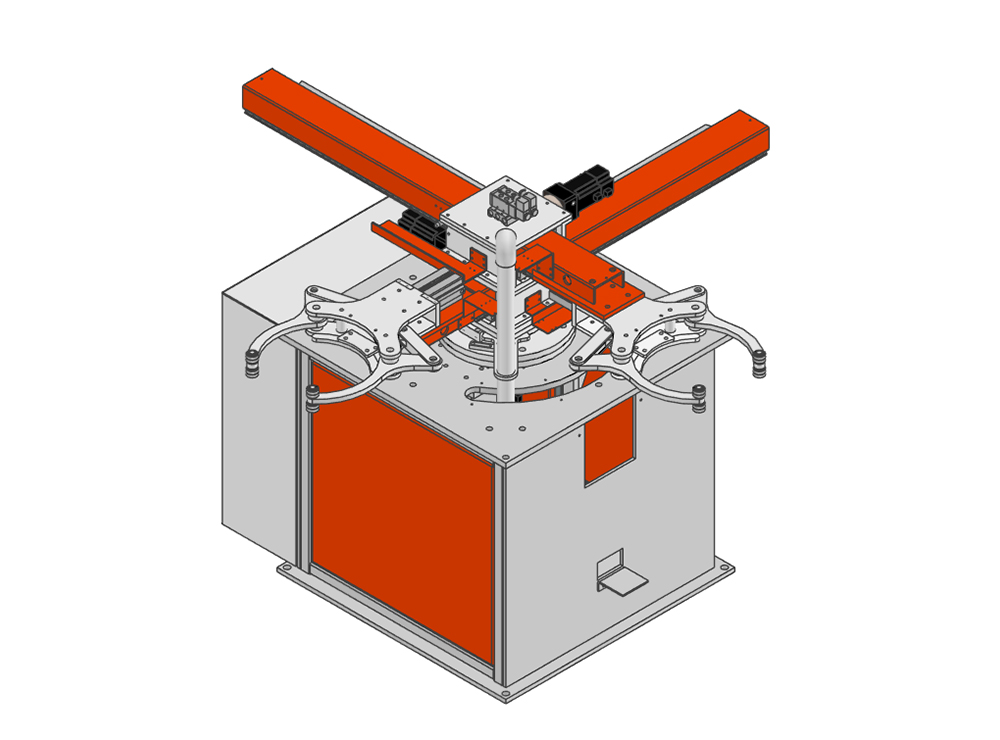
A Shot Blasting Machine accelerates metallic or non-metallic media toward a component using a wheel, compressed air, or another delivery system. Each impact transfers energy to the surface, breaking brittle rust and scale away from the base metal. The process can also remove previous coatings and produce a repeatable surface texture when wheel speed, media size, coverage, and exposure time are controlled.
The principal advantage of abrasive blasting for surface preparation is that it combines cleaning and profiling in one mechanical operation. For carbon-steel parts with rust, weld discoloration, mill scale, or firmly attached coatings, this can reduce the number of separate preparation stages. However, shot blasting is not a substitute for degreasing because oil can remain on the substrate, contaminate the media, or become embedded in surface valleys.
Shot blasting is usually a strong choice for:
- Carbon-steel parts with moderate or heavy rust.
- Welded structures with heat tint and spatter.
- Steel cylinders, frames, brackets, and fabricated components.
- Surfaces requiring a specified coating profile.
- High-volume production where automatic loading and media recovery are practical.
The finish depends on the abrasive type. Steel shot tends to produce a more rounded, peened profile, while angular grit can cut more aggressively and create sharper surface features. Excessive impact can deform thin sheet, round sharp edges, expose inclusions, or create a profile deeper than the coating manufacturer permits.
Shot blasting also creates measurable production responsibilities. Operators must control dust extraction, abrasive classification, media replacement, machine wear, workpiece coverage, and surface inspection. A practical inspection plan may include visual grading, profile measurement, dust removal, soluble-salt testing, and coating application within the specified recoat or flash-rust window.
How Chemical Cleaning Works for Surface Preparation
Chemical cleaning relies on a controlled reaction rather than impact. Alkaline cleaners emulsify oil and grease, solvent systems dissolve organic residues, acid cleaners attack oxides and scale, and phosphate or similar conversion stages modify the surface before painting or powder coating. The selected chemistry must match the metal because an aggressive treatment can etch aluminum, attack zinc, or cause hydrogen-related concerns in susceptible materials.
Chemical surface treatment for metal is often better for narrow channels, threads, recessed areas, perforations, and parts where abrasive media cannot reach uniformly. It can also remove contaminants that shot blasting leaves behind, especially oil films, salts, and processing residues. For this reason, chemical cleaning is frequently used before blasting, after blasting, or as part of a separate pretreatment line.
Chemical cleaning is commonly selected for:
- Oil-contaminated parts from machining or forming.
- Aluminum, zinc-coated, or thin-gauge components requiring lower mechanical stress.
- Complex geometries with internal passages.
- Salt contamination that must be dissolved and rinsed away.
- Powder-coating lines that require degreasing and conversion pretreatment.
The limitations are equally important. Chemical cleaning does not normally create the same mechanical profile as abrasive blasting, so a chemically cleaned surface may require conversion coating, light abrasion, or another adhesion-promoting treatment. Inadequate rinsing can leave alkalinity, acidity, chloride, phosphate, or surfactant residues under the coating.
The waste profile must also be calculated. A chemical line may require bath monitoring, heating, filtration, rinse stages, wastewater treatment, sludge handling, ventilation, personal protective equipment, and documented disposal. These costs can exceed the initial equipment price when production volumes are low or local discharge requirements are strict.
Comparing Performance by Contaminant and Substrate
The correct answer changes according to what must be removed. Rust and mill scale are generally mechanical-removal problems, while grease and soluble salts are chemical or water-rinsing problems. Old paint may require blasting, chemical stripping, or a combination depending on coating thickness, adhesion, toxicity, and disposal controls.
| Contaminant or condition | Preferred first method | Reason |
|---|---|---|
| Loose rust | Shot blasting or mechanical cleaning | Removes corrosion products efficiently |
| Heavy rust and mill scale | Shot blasting | Provides impact energy and profile creation |
| Oil and grease | Chemical degreasing | Dissolves or emulsifies organic contamination |
| Soluble salts | Chemical wash and controlled rinsing | Blasting alone does not reliably dissolve salts |
| Weld discoloration | Shot blasting or compatible pickling | Depends on geometry and required finish |
| Old powder coating | Shot blasting, thermal, or chemical stripping | Selection depends on thickness and substrate |
| Aluminum oxidation | Controlled chemical treatment or fine abrasive process | Prevents excessive deformation and roughness |
| Complex cavities | Chemical cleaning | Improves access to recessed areas |
| Smooth steel before powder coating | Blasting plus pretreatment | Combines profile with chemical cleanliness |
For steel parts, shot blasting may be the most efficient main preparation method when rust, scale, and coating removal are the dominant requirements. For aluminum, galvanized steel, or thin sheet, the process must be gentler because excessive impact can alter dimensions or surface appearance. For powder coating, the best process often includes degreasing, rinsing, drying, controlled blasting or abrasion, a conversion treatment when specified, and immediate coating.
Surface Preparation Before Powder Coating
Surface preparation before powder coating must address both adhesion and cleanliness. Powder can cover a visually bright surface and still peel if oil, salts, oxide residues, or loose corrosion remain underneath. A suitable surface profile can improve mechanical adhesion, but profile depth must remain compatible with coating thickness and the required finish.
Shot blasting is useful before powder coating when steel contains mill scale, rust, weld residue, or an old coating. It exposes fresh metal and creates a profile that can support adhesion. Chemical cleaning is still needed when the workpiece carries oil, stamping lubricant, fingerprints, or soluble salts because blasting does not guarantee their removal.
A practical workflow for many steel components is:
- Inspect the incoming part for rust, scale, oil, salt, and existing coatings.
- Degrease first when oil or forming lubricant is visible or suspected.
- Rinse and dry to prevent chemical carryover.
- Shot blast to the specified cleanliness and profile.
- Remove dust and verify the surface before coating.
- Apply conversion pretreatment where the coating specification requires it.
- Coat promptly under controlled humidity and temperature conditions.
The sequence may change for a production line. In Shuofang’s published LPG cylinder process examples, shot blasting is positioned among forming, welding, heat treatment, testing, coating, and inspection operations. One documented project reached a stated annual capacity of 1.68 million cylinders after production-line expansion and optimization, showing why preparation equipment must be considered together with material handling, coating, testing, and line balance.
Cost, Safety, Waste, and Production Speed
The initial purchase price does not determine the lower-cost method. I evaluate total project cost through labor, equipment depreciation, abrasive or chemical consumption, energy, ventilation, maintenance, media recovery, wastewater treatment, waste disposal, inspection, rework, and coating-life consequences.
Shot blasting usually has a clearer dry-process workflow, especially when the machine includes abrasive recovery and dust collection. Its cost increases with media loss, abrasive replacement, dust-filter maintenance, wear on blast wheels or nozzles, and the labor needed for loading and unloading. If the workpiece is oily, blasting can also increase rework by contaminating the machine and producing an apparently clean but coating-incompatible surface.
Chemical cleaning can reduce mechanical handling and may treat complex shapes more uniformly. Its cost includes chemical replenishment, bath control, heating, rinsing, wastewater treatment, sludge disposal, corrosion control, and worker protection. Small manufacturers should compare annualized operating cost rather than relying on a single equipment quotation.
Safety requirements differ rather than disappear. Shot blasting requires guarding, dust control, noise protection, abrasive containment, and respiratory protection where engineering controls do not maintain exposure below applicable limits. Chemical lines require compatible tanks, ventilation, spill control, emergency washing facilities, chemical-resistant PPE, labeling, and procedures for mixing and disposal.
Failure Risks That Change the Decision
A common failure is flash rust after blasting. Clean steel can oxidize quickly when exposed to moisture, condensation, or contaminated compressed air, so the interval between blasting, inspection, and coating must be controlled. Drying, dehumidification, clean air, and prompt coating reduce this risk.
Another failure is trapped or redeposited salt. ISO 8502-6 describes the Bresle method for extracting water-soluble contaminants from surfaces, including curved and difficult-to-orient components. The standard also recognizes that soluble material may remain hidden in crevices, under corrosion layers, or beneath oil and grease, which is why one surface test cannot replace process control.
Excessive roughness creates a different problem. Deep peaks may remain insufficiently covered, increasing coating consumption and corrosion risk at exposed points, while overly aggressive blasting can damage thin sections or alter the visual finish. Powder-coating peel-off can also result from embedded oil, residual cleaner, poor rinsing, inadequate drying, incompatible conversion chemistry, or coating application outside the specified process window.
Decision Matrix: Which Method Should You Choose?
| Your priority | Recommended approach | Why |
|---|---|---|
| Remove heavy rust and mill scale from steel | Shot blasting | Combines removal with profile formation |
| Remove oil before blasting | Chemical degreasing first | Prevents oil spreading and media contamination |
| Clean narrow passages or complex cavities | Chemical cleaning | Reaches areas abrasive media may miss |
| Prepare steel for a thick protective coating | Shot blasting with profile control | Supports mechanical adhesion |
| Prepare aluminum or thin sheet | Mild chemical treatment or controlled fine blasting | Reduces deformation and excessive roughness |
| Remove soluble salts | Water or chemical cleaning with verification | Salt must be dissolved and removed |
| Maintain a smooth decorative finish | Chemical cleaning or controlled light abrasion | Limits visible impact texture |
| Run high-volume steel production | Automatic shot blasting with recovery | Supports repeatable throughput and media control |
| Achieve maximum process reliability | Hybrid workflow | Separates degreasing, profiling, pretreatment, and coating |
When a Hybrid Process Is the Better Alternative
In many manufacturing environments, the choice is not shot blasting or chemical cleaning. A hybrid process is more reliable because each method addresses a different contamination layer. Chemical cleaning removes oil and soluble residues, shot blasting removes rust and scale while creating profile, and conversion pretreatment improves corrosion resistance or coating compatibility where required.
I recommend testing the sequence on representative parts before approving production. Measure visual cleanliness, surface profile, soluble salts, coating adhesion, coating thickness, and visible finish after curing. The trial should include the actual substrate, contaminant level, coating system, line speed, drying conditions, and inspection method.
Shuofang’s equipment portfolio includes Shot Blasting Machine systems within broader LPG cylinder manufacturing lines, along with powder-coating, heat-treatment, hydraulic testing, and air-leakage testing equipment. For manufacturers evaluating an integrated line, this type of supplier can be assessed not only on the machine itself but also on layout design, commissioning, operator training, testing, warranty terms, spare parts, and production-line coordination. Its published service information states a one-year equipment warranty, free replacement of parts during that warranty period, and lifetime technical support.
Final Recommendation
Shot Blasting vs Chemical Cleaning: Which Surface Preparation Method Is Better? The answer depends on the contamination and the coating specification. Choose shot blasting when rust, mill scale, old coatings, weld residue, and controlled surface profile are the main requirements; choose chemical cleaning when oil, grease, salts, sensitive substrates, or complex geometries dominate.
For most steel parts before painting or powder coating, I would not approve blasting alone without checking degreasing and soluble-salt control. The safer production decision is often chemical cleaning first, shot blasting second, pretreatment third, and coating immediately after verification. Manufacturers should compare labor, equipment, media, wastewater, disposal, inspection, rework, and coating-life costs over the expected production volume rather than comparing equipment prices alone.