Quality Control Checklist for LPG Cylinder Manufacturing Plants
Aug.24, 2026

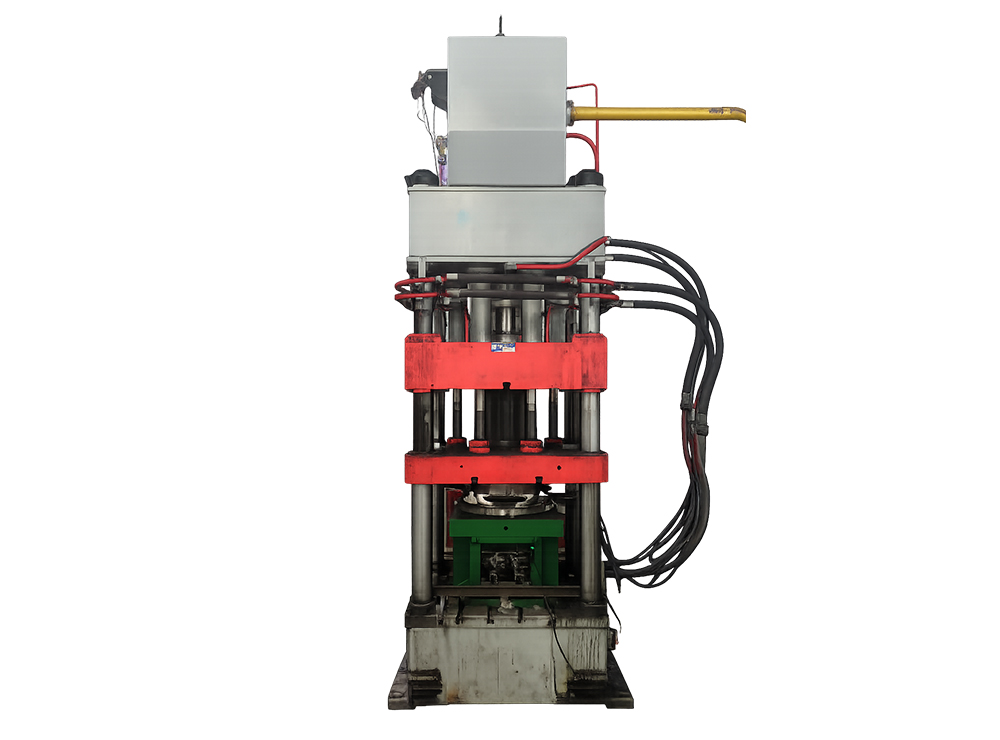
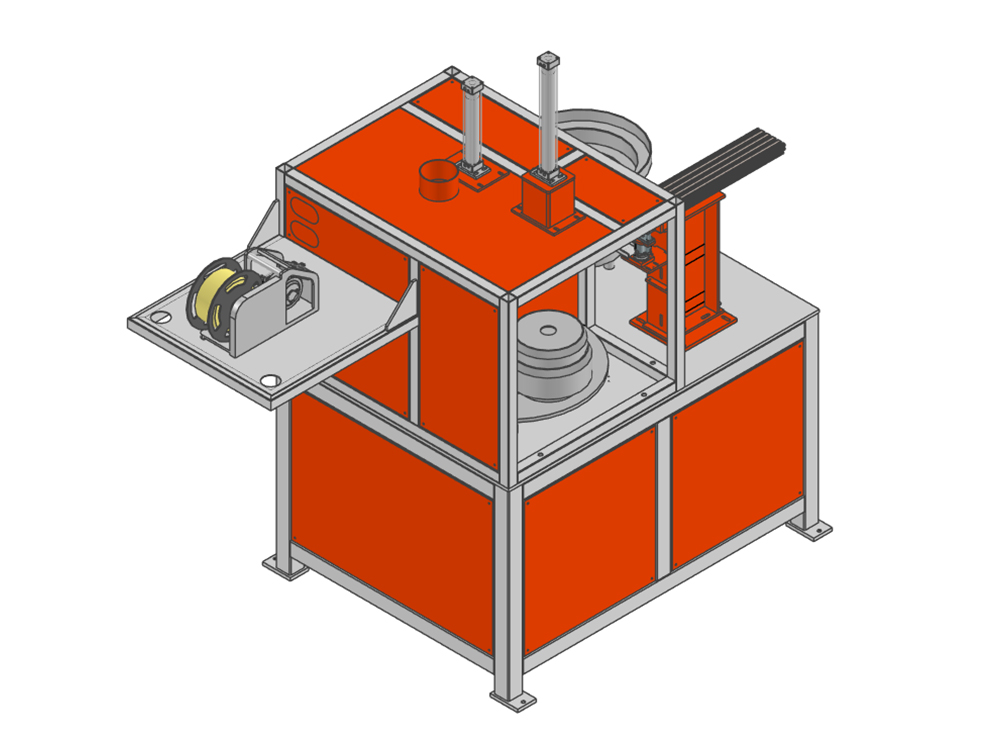
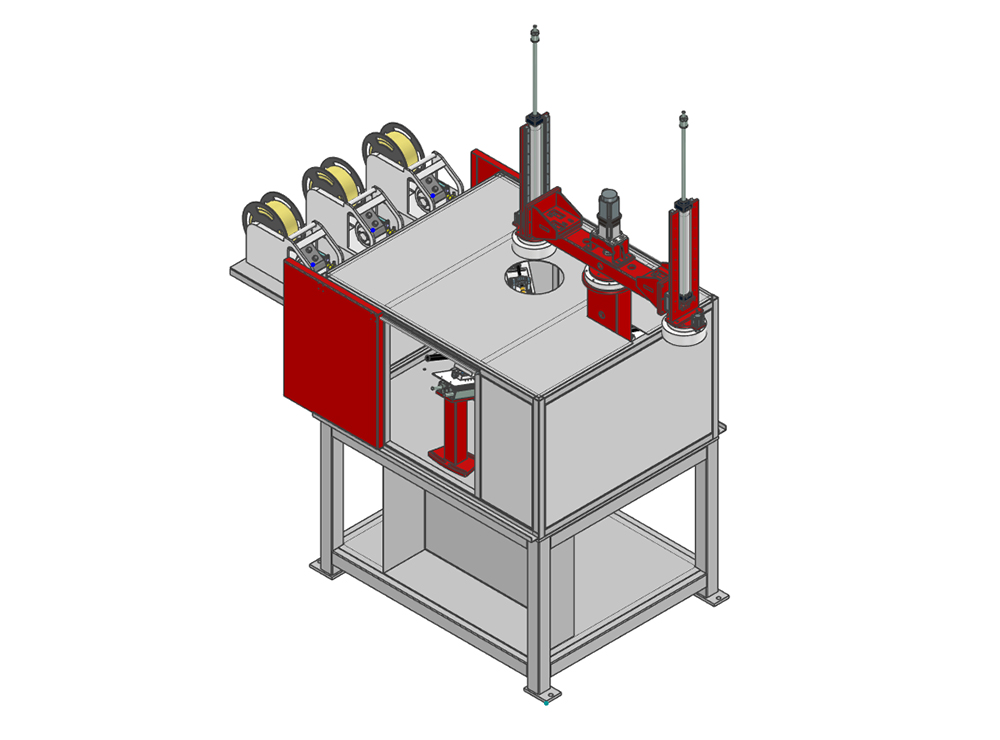
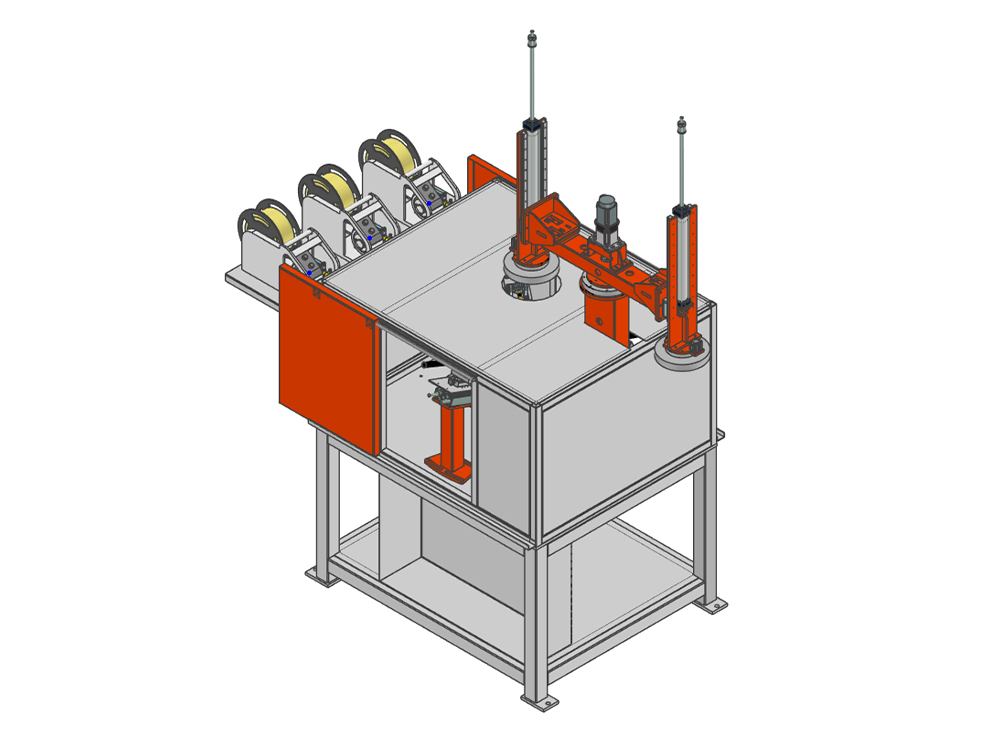
Quality control is essential for LPG cylinder manufacturing plants. It ensures safety and reliability in every cylinder produced. However, maintaining high standards can be challenging. With the right equipment and processes, manufacturers can minimize defects and improve product quality. Understanding the core aspects of LPG gas cylinder manufacturing equipment can make a significant difference in production efficiency. The manufacturing process must meet safety regulations and industry standards to prevent potential hazards.
Introduction
Summary Answer
A quality control checklist for LPG cylinder manufacturing plants includes regular inspections, testing procedures, and safety audits. Implementing a thorough quality control process helps ensure the cylinders produced are safe for use and meet industry regulations.
1. Key Components of Quality Control
For effective quality control in LPG cylinder manufacturing, consider these essential components:
- 1. Material Inspection
- 2. Welding Quality Assurance
- 3. Cylinder Pressure Testing
- 4. Surface Coating Evaluation
- 5. Final Inspection Procedures
1. Material Inspection
Begin by checking the raw materials. Ensure the steel used for cylinders meets specific standards, such as ASTM A53. Regular vendor audits can help maintain material quality.
2. Welding Quality Assurance
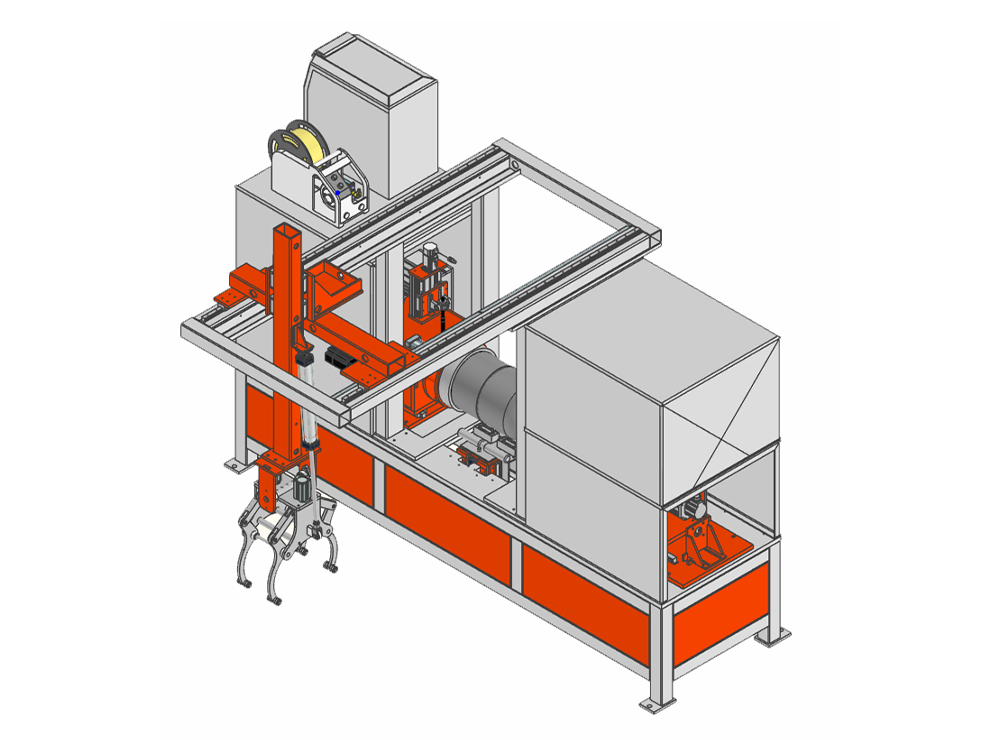
Welding is critical in cylinder assembly. Utilize Non-Destructive Testing (NDT) methods like ultrasonic testing to detect faults in welds. Have certified welders perform this task.
3. Cylinder Pressure Testing
Every LPG cylinder must undergo pressure testing to ensure it can handle its intended use. The test typically involves filling the cylinder with water and pressurizing it to check for leaks.
4. Surface Coating Evaluation
The finish on a cylinder protects it from rust and damage. Conduct random sampling of surface coatings to ensure they meet the required specifications.
5. Final Inspection Procedures
A final check is crucial before cylinders leave the factory. Inspect every aspect, including labeling and documentation, to comply with safety standards.
2. Implementing an Effective Quality Control Checklist
Creating a quality control checklist involves several steps:
- Assess current quality control processes.
- Identify areas requiring improvement.
- Collaborate with team members to develop specific guidelines.
- Regularly update the checklist based on changing standards.
- Train staff on effective implementation.
3. Advantages of a Quality Control Checklist
A well-structured quality control checklist provides several benefits:
- Clear procedures help reduce errors.
- Enhances accountability among staff.
- Improves compliance with safety regulations.
Conclusion
In summary, a quality control checklist is vital for LPG cylinder manufacturing plants. It ensures that every stage of production is monitored, leading to safe and reliable products. Implementing effective processes will reduce defects and maintain high safety standards in manufacturing.
FAQ
Q: What is the importance of quality control in LPG cylinder manufacturing?
A: Quality control is essential to ensure safety, reliability, and compliance with industry standards.
Q: How often should quality checks be performed?
A: Quality checks should be performed regularly throughout the manufacturing process to catch any issues early.
Q: What are some common defects in LPG cylinders?
A: Common defects include weld failures, leaks, and improper surface coatings.
Q: How can manufacturers ensure material quality?
A: Manufacturers can conduct regular inspections and audits of their suppliers to ensure material quality.
Q: What testing methods are recommended for LPG cylinders?
A: Pressure testing and non-destructive testing methods like ultrasonic testing are recommended to ensure safety.