LPG Cylinder Production Facilities and Processes
May.18, 2026
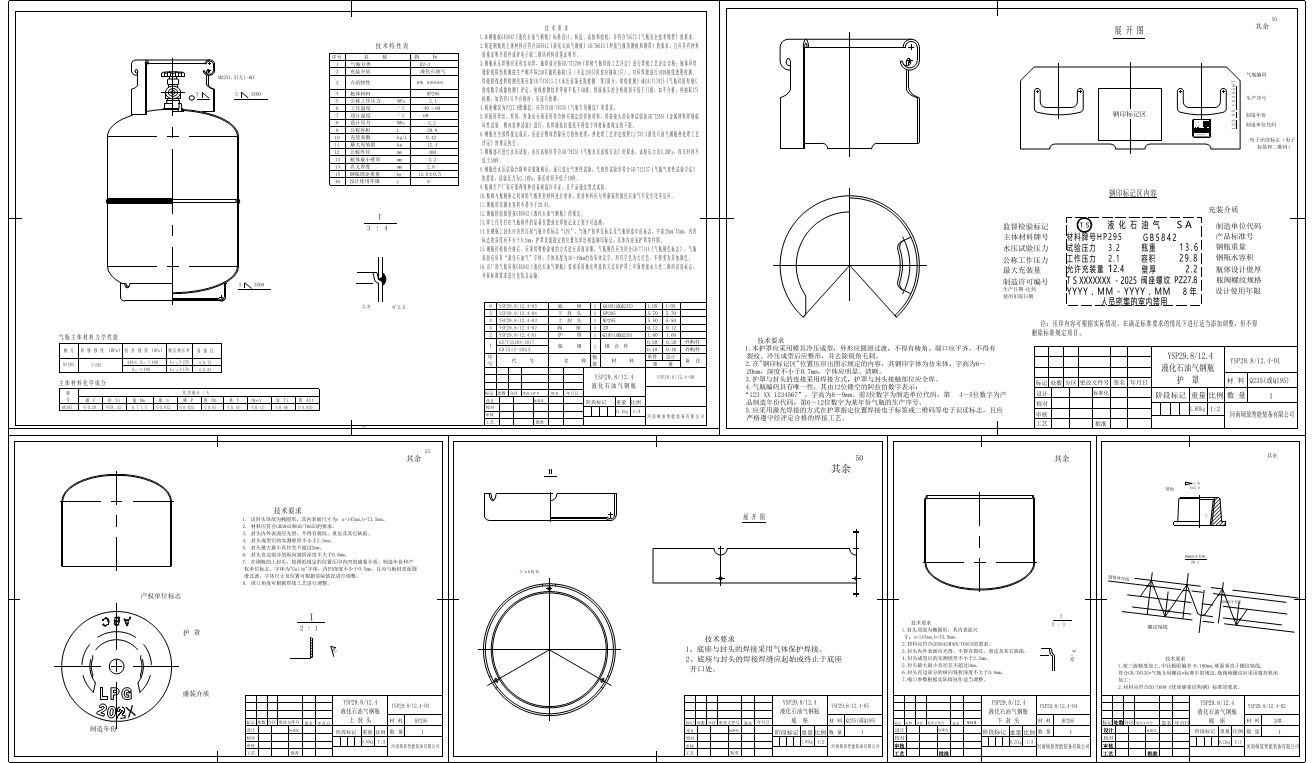 As pressure-bearing special equipment, liquefied petroleum gas (LPG) cylinders require strict adherence to standards and special equipment safety supervision requirements during production. They are produced using dedicated production facilities and closed-loop quality control processes, covering the entire process from raw material inspection upon arrival, forming and processing, welding, heat treatment, painting, testing to final release. Key processes are fully traceable. These cylinders are widely used in household cooking, heating, and various industrial applications. This section on production facilities and processes will introduce several stages of the LPG cylinder manufacturing process.
1. Material Procurement
The first step in manufacturing LPG cylinders is to procure high-strength special steel. Strict control is maintained at the source regarding the material, thickness, and physicochemical properties of raw materials. All raw materials undergo rigorous sampling inspection before warehousing, ensuring the cylinders' pressure resistance, corrosion resistance, and overall structural strength from the outset, laying a solid foundation for the quality of the finished product.
2. Plate Cutting
According to the drawing parameters, the steel plate is cut into specific sizes and shapes using automated precision cutting equipment and CNC cutting technology. The cuts are smooth and even with controllable errors, effectively avoiding deviations in subsequent forming and welding processes, improving workpiece fit and production efficiency.
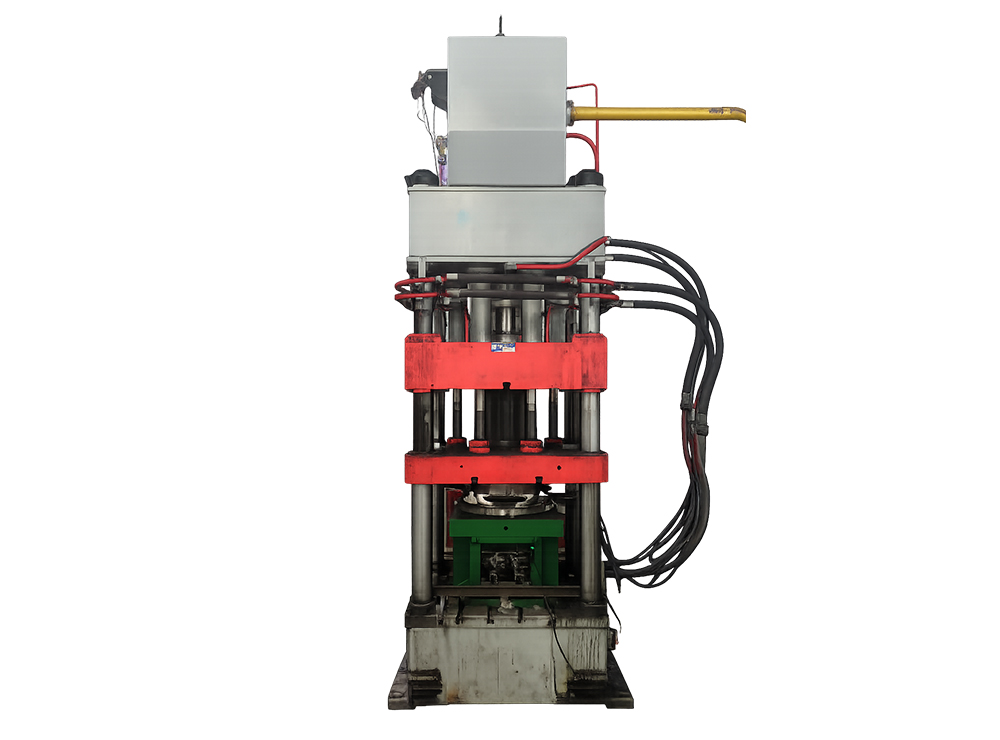
3. Imprinting and Stretching
The cut steel plate is then processed by a large hydraulic stretching machine to complete the overall shaping of the bottle head and body. The bottle body is uniformly formed inside and out with consistent wall thickness, eliminating defects such as deformation and cracks.
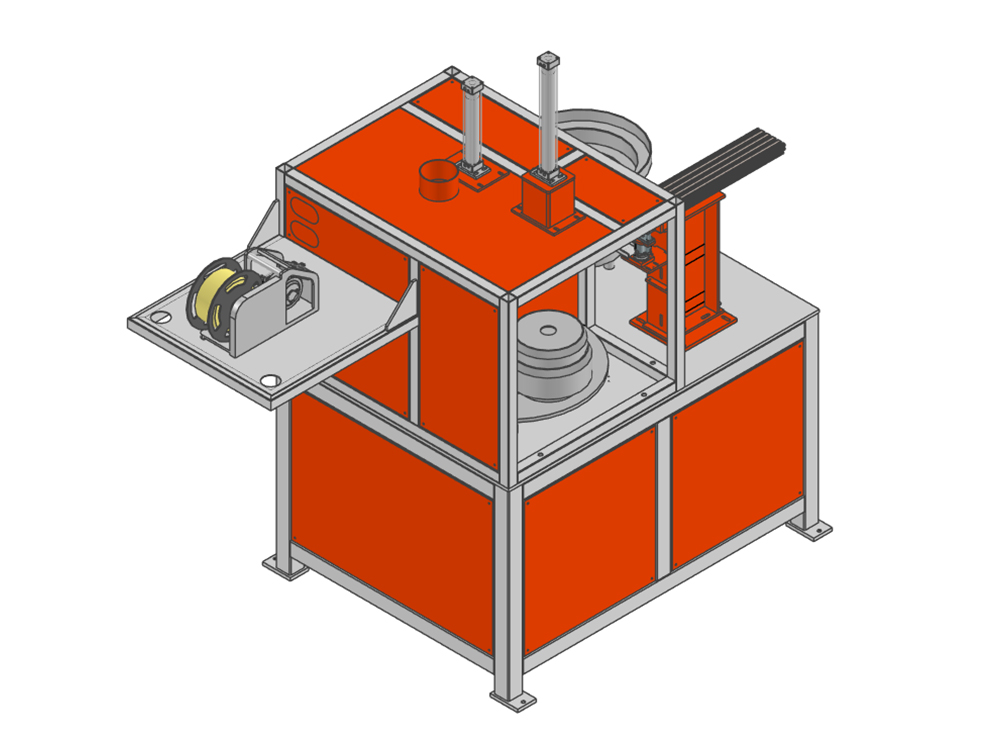
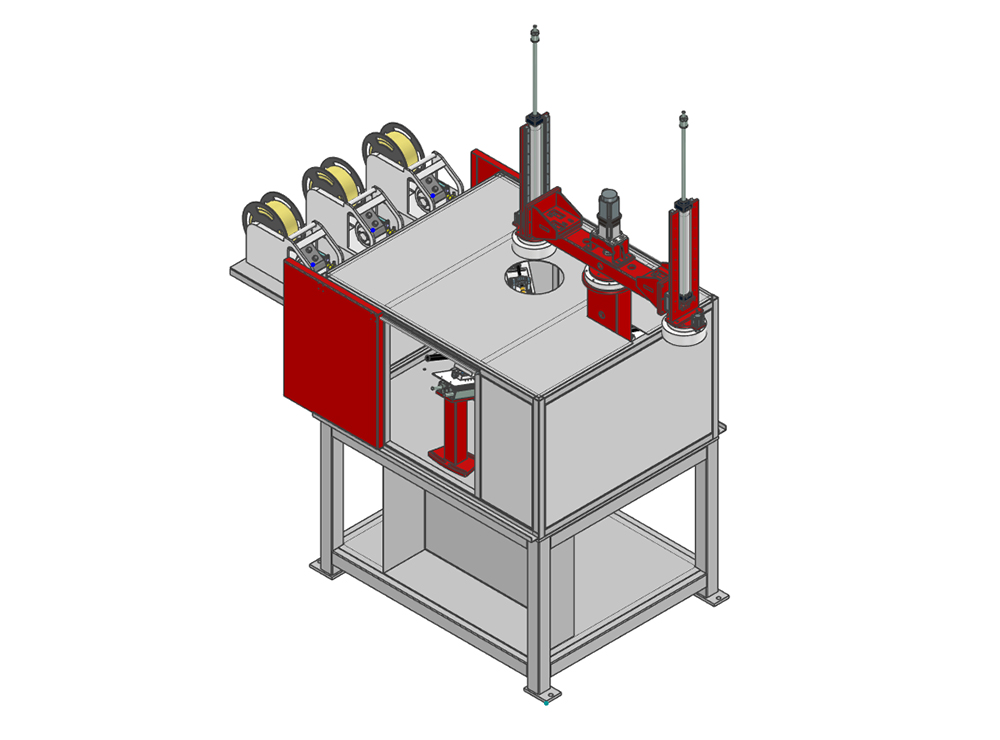
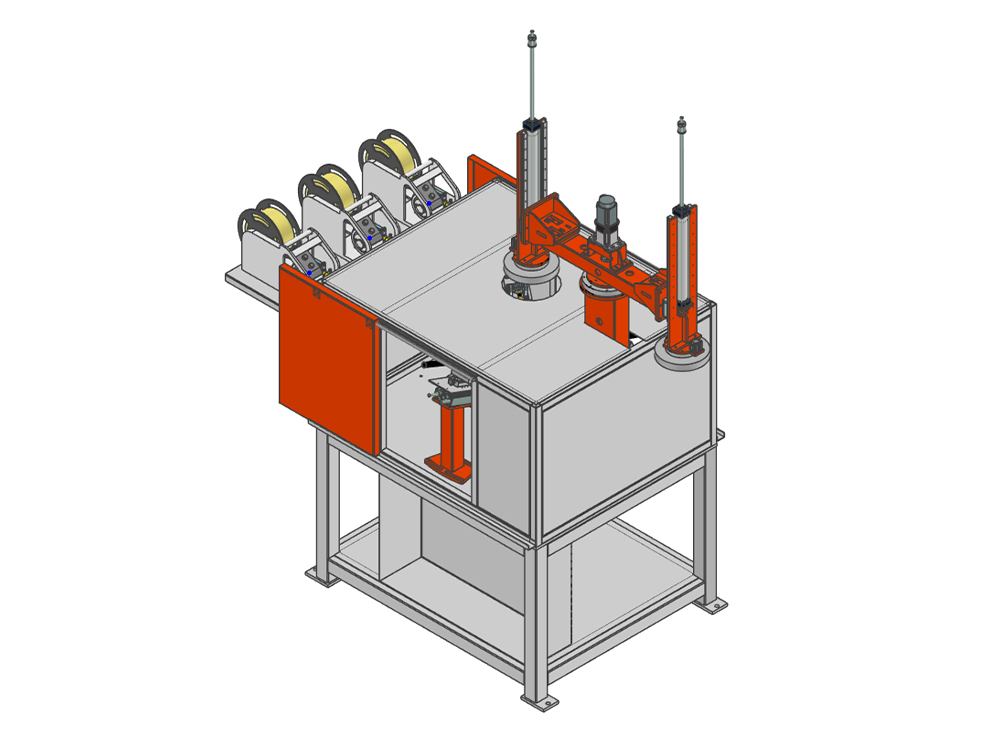
4. Welding
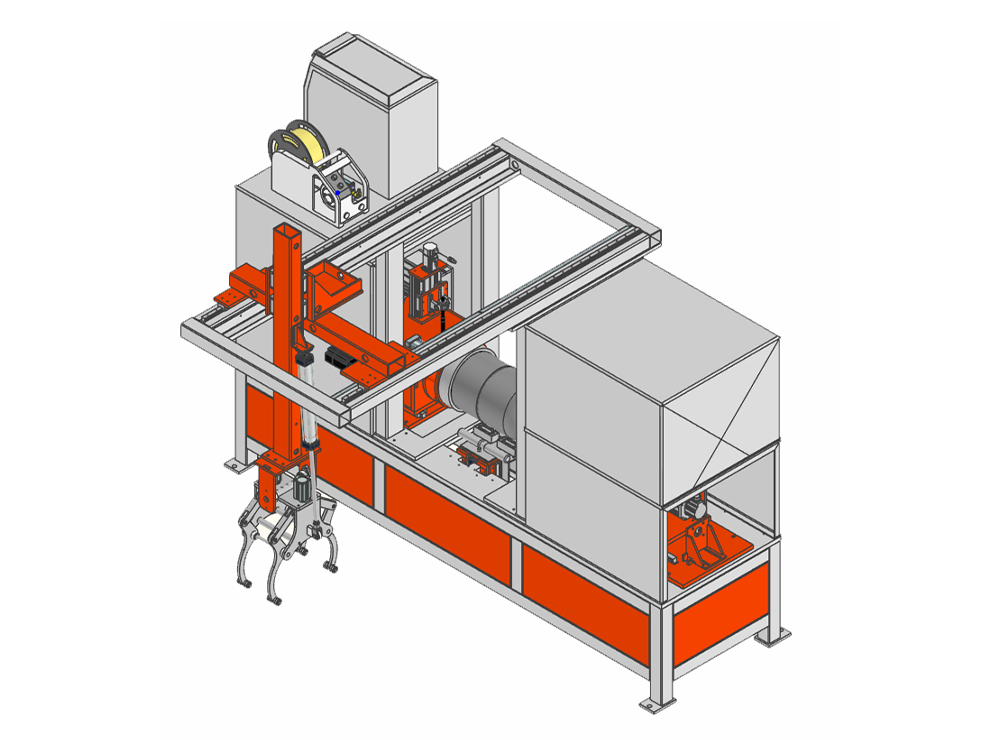
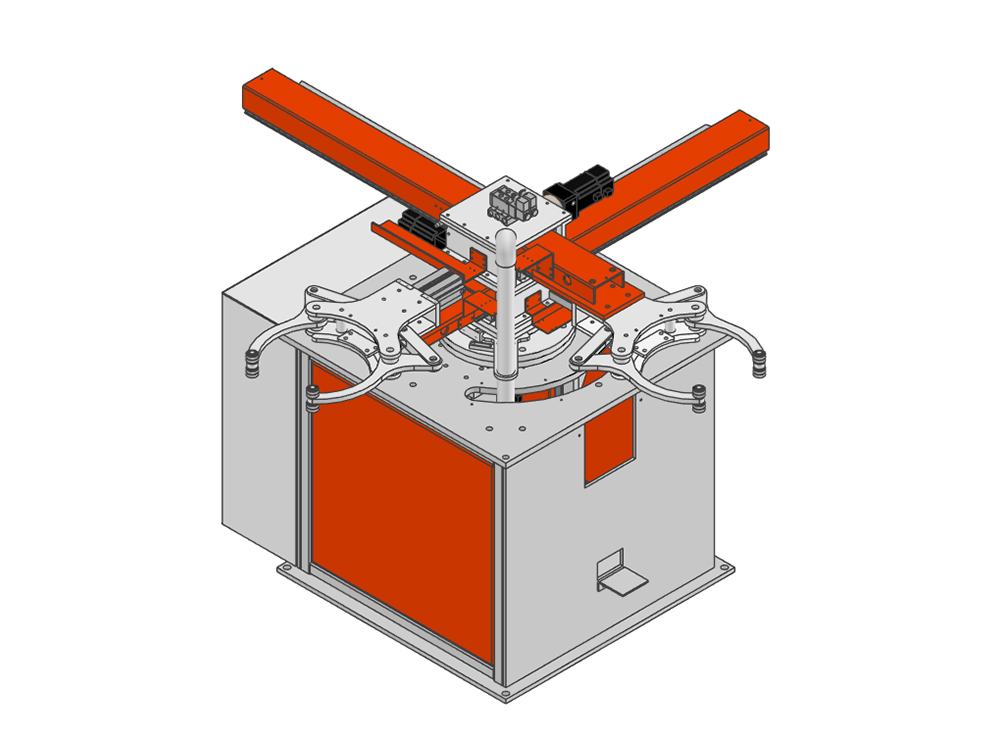
After forming the cylindrical shape, the next step is welding. Multiple welding techniques are used in the manufacturing of liquefied petroleum gas cylinders, including:
● Circumferential Seam Welding: This process involves continuously welding the longitudinal seam of the cylinder. It ensures the seam is safe and leak-proof.
● Handle and Bottom Ring Welding: The handle and bottom ring used to connect the cylinder provide stability and convenience for the user.
● Valve Sleeve Welding: The valve sleeve is welded to the top of the cylinder to house the valve assembly that controls the flow of liquefied petroleum gas. Welding is a critical step, and the weld seam must meet strict quality standards to ensure the safety and integrity of the cylinder.
Using automated welding equipment ensures uniform, full, aesthetically pleasing weld seams with high strength and excellent sealing, effectively reducing safety hazards.
5. Heat Treatment
After welding, the liquefied petroleum gas cylinder undergoes stress-relieving heat treatment. This process uses an overall annealing process, heating and holding at a predetermined temperature to fully release residual welding stress, preventing cylinder deformation and stress cracking, and enhancing the overall structural integrity of the cylinder.
6. Shot Blasting
Shot blasting is a surface treatment process that removes rust, scale, or surface defects through shot blasting/sandblasting, phosphating, etc., resulting in a clean and uniform surface.
7. Surface Coating
To protect the cylinder exterior from corrosion, a surface coating is applied. Environmentally friendly electrostatic spraying is used, sequentially applying an anti-corrosion primer and topcoat, followed by drying and curing to form a protective coating. Finally, product identification, model number, and traceability information are printed.
8. Valve Installation
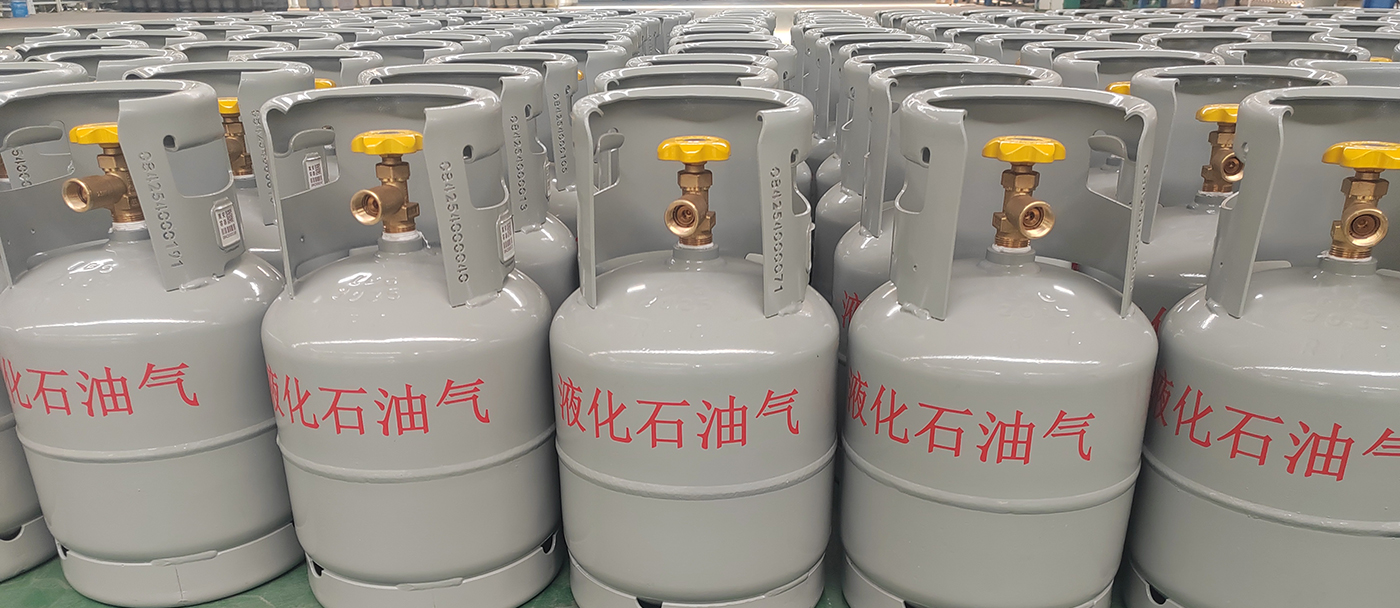
The valve assembly controlling the release of liquefied petroleum gas (LPG) from the cylinder is installed on top of the cylinder. This assembly includes the valve body, safety relief valve, and other components. Proper installation is crucial for ensuring the safe operation of the cylinder.
9. Multiple Pressure Tests
Hydraulic testing is a critical quality control step in LPG cylinder manufacturing. Each cylinder undergoes hydrostatic testing and airtightness testing to rigorously verify its pressure resistance and sealing performance. Only after all indicators meet the standards can it proceed to the next stage, preventing quality issues such as leaks and insufficient pressure resistance.
10. Final Inspection and Certification:
Before leaving the manufacturing facility, each LPG cylinder undergoes a final review to check for defects, anomalies, or safety issues. Once the cylinder is deemed safe and compliant with all relevant standards and regulations, it is certified and released for shipment.
11. Recertification and Maintenance:
Liquefied petroleum gas (LPG) cylinders have a fixed service life. To ensure long-term safety, regular recertification and re-inspection are essential to maintain their continued safety and integrity. During recertification, a comprehensive visual inspection and testing of the cylinders are conducted, and refurbishment is performed when necessary. Aged, damaged, or substandard cylinders are scrapped to eliminate safety hazards.
Conclusion
LPG cylinder production is standardized and meticulously executed throughout the entire process, strictly adhering to industry safety regulations. They are specifically designed for the safe storage and transportation of high-pressure LPG. From raw material selection, forming and welding, corrosion protection, to factory testing, every step undergoes strict quality control to ensure the cylinders are pressure-resistant, durable, and have stable performance. Safety is the core focus of the entire production process, while also considering product quality and compliance requirements, comprehensively ensuring user safety and environmental safety.