LPG Cylinder Market Analysis 2026
Oct.27, 2026
LPG Cylinder Market Analysis 2026 indicates that the global cylinder hardware market is smaller than the total LPG fuel market, with working estimates commonly placed around US$1.5–2.5 billion in annual cylinder-related revenue and an expected 4%–7% CAGR through 2034. Steel cylinders remain dominant by installed base, Asia-Pacific leads demand, and growth depends on household penetration, refill frequency, replacement cycles, steel prices, composite adoption, and safety regulations.
!
What Is the LPG Cylinder Market?
The LPG cylinder market includes the manufacturing, sale, refurbishment, testing, distribution, and replacement of pressurized cylinders used to store and transport liquefied petroleum gas. It is a hardware market connected to residential cooking, commercial food service, industrial heating, agriculture, hospitality, and emergency energy supply.
I separate this market from the wider LPG fuel market because the two categories measure different economic activities. LPG fuel-market revenue includes gas production, imports, storage, wholesale, and retail sales, while the cylinder market measures physical containers, valves, accessories, testing services, and related manufacturing equipment.
The market works through a recurring asset cycle. A cylinder is manufactured and certified, placed into a distributor or household network, refilled repeatedly, inspected at scheduled intervals, repaired or repainted when required, and eventually replaced when corrosion, deformation, age, or failed testing makes continued use uneconomic.
Historical Baseline and 2026 Market Position
Available market studies often produce different values because some include only new cylinder sales while others include valves, accessories, inspection services, and manufacturing equipment. Some reports also combine cylinder revenue with LPG distribution revenue, which can make the market appear several times larger than the underlying container business.
For a practical 2026 analysis, I use a working hardware-market range of US$1.5–2.5 billion, with a planning growth rate of 4%–7% annually through 2034. This range should be treated as an analytical baseline rather than a single audited figure, because market boundaries, regional prices, replacement accounting, and composite-cylinder inclusion vary between research providers.
| Market indicator | 2026 working view |
|---|---|
| Global LPG cylinder hardware value | US$1.5–2.5 billion |
| Planning CAGR through 2034 | 4%–7% |
| Dominant product type | Steel cylinders |
| Leading demand region | Asia-Pacific |
| Main application | Residential LPG supply |
| Key demand variables | New users, refill frequency, replacement cycles, regulation |
LPG Cylinder Market Analysis 2026: Key Trends and Growth Drivers
The strongest growth factor is the continued use of LPG where households and businesses need portable energy without a direct natural-gas pipeline. In many developing and middle-income markets, cylinders provide a practical connection between import terminals, filling stations, distributors, and end users.
A second driver is replacement demand. Cylinders are not permanent assets; they require periodic inspection and eventual retirement. Even when the number of LPG users remains stable, distributors must replace units affected by corrosion, valve damage, dents, failed hydrostatic testing, or excessive service age.
A third factor is refill frequency. A household using one cylinder every several months creates less annual demand than a restaurant, bakery, hotel, or food-processing plant that refills multiple cylinders each week. For this reason, cylinder demand should be estimated through both installed base and annual turnover.
Main Factors Driving LPG Cylinder Market Growth in 2026
- Household energy access: New LPG users require initial cylinder inventories and distribution equipment.
- Urbanization: Restaurants, apartment buildings, catering businesses, and small factories increase commercial demand.
- Pipeline limitations: Areas without extensive natural-gas networks continue to depend on portable cylinders.
- Safety regulation: New rules can require replacement of older units and investment in certified products.
- Industrial substitution: LPG can replace coal, diesel, or electricity in selected heating and process applications.
- Distribution expansion: More filling stations and retail points improve cylinder availability and refill convenience.
- Product modernization: Lightweight and corrosion-resistant designs support replacement of older steel units.
Growth is restrained by steel price volatility, freight costs, foreign-exchange pressure, LPG subsidy changes, and inconsistent enforcement of safety rules. A distributor may also postpone purchases if cylinder circulation is slow, even when long-term demand is rising.
LPG Cylinder Market Segmentation by Type and Application
The main product segmentation is based on material, capacity, design, ownership model, and end use. Steel LPG cylinders account for the largest installed base because they combine established production methods, lower unit cost, repair familiarity, and compatibility with existing filling infrastructure.
Composite LPG cylinders remain a smaller but expanding segment. They generally target markets that value lower weight, corrosion resistance, improved visibility of gas level, or modern appearance. Their higher purchase price, different repair requirements, certification needs, and limited local production capacity can slow adoption.
| Segment | Typical characteristics | Main demand pattern |
|---|---|---|
| Steel cylinders | Lower purchase cost, established supply chain, repairable body | Residential, commercial, industrial |
| Composite cylinders | Lower weight, corrosion resistance, newer design | Premium residential, hospitality, specialty distribution |
| Small portable units | Compact capacity and frequent handling | Camping, mobile food service, small households |
| Household cylinders | Common domestic capacities | Cooking and water heating |
| Commercial cylinders | Larger capacity and higher turnover | Restaurants, hotels, catering |
| Industrial cylinders | Higher-volume or specialized service | Heating, processing, workshops |
By application, residential demand usually provides the largest unit volume. Commercial users often contribute more frequent refills and higher annual cylinder utilization, while industrial users may purchase specialized capacities, manifold-compatible units, or cylinders designed for specific operating conditions.
By geography, the market differs substantially. Asia-Pacific benefits from large populations, expanding LPG access, strong cylinder manufacturing capacity, and broad residential use. Africa offers considerable long-term potential but can face infrastructure gaps, affordability constraints, limited filling networks, and uneven safety enforcement. Europe and North America are more mature markets, where replacement, specialty applications, outdoor use, and regulatory compliance are more important than rapid household expansion.
Regional Market Maturity and Demand Indicators
I assess regional maturity using five practical indicators: pipeline access, household LPG penetration, safety standards, subsidy policy, and distribution infrastructure. A region with limited pipeline access and rising household incomes may generate new-cylinder demand, while a mature region with stable users may generate more replacement and specialty demand.
| Region | Market maturity | Primary demand signal | Main constraint |
|---|---|---|---|
| Asia-Pacific | High-growth and mixed maturity | Household expansion, commercial use, manufacturing | Regulation varies by country |
| Africa | Early to developing | Energy access and urban adoption | Distribution and affordability |
| Latin America | Developing to mature | Residential and commercial LPG networks | Currency and subsidy changes |
| Europe | Mature | Replacement, certification, specialty use | Slow volume growth |
| North America | Mature and specialized | Industrial, recreational, and replacement demand | Established alternatives |
Asia-Pacific is likely to remain the largest regional market in 2026 by production capacity and consumption volume. However, regional leadership does not mean every country offers the same opportunity. Investors and manufacturers should compare cylinder circulation rates, import dependence, local steel availability, testing capacity, distributor concentration, and government policy before entering a specific market.
LPG Cylinder Manufacturers and Competitive Landscape
The competitive landscape includes cylinder producers, valve suppliers, automated machinery companies, testing-equipment providers, LPG distributors, and integrated energy firms. A useful manufacturer comparison should examine product specialization, manufacturing scale, regional approvals, material capability, automation level, testing systems, customization, and after-sales support.
Leading suppliers are not identical in market position. Some focus on standard household steel cylinders, while others produce commercial and industrial capacities. Some compete through low-cost mass production, and others target automated plants, customized cylinder formats, export certification, or complete manufacturing lines.
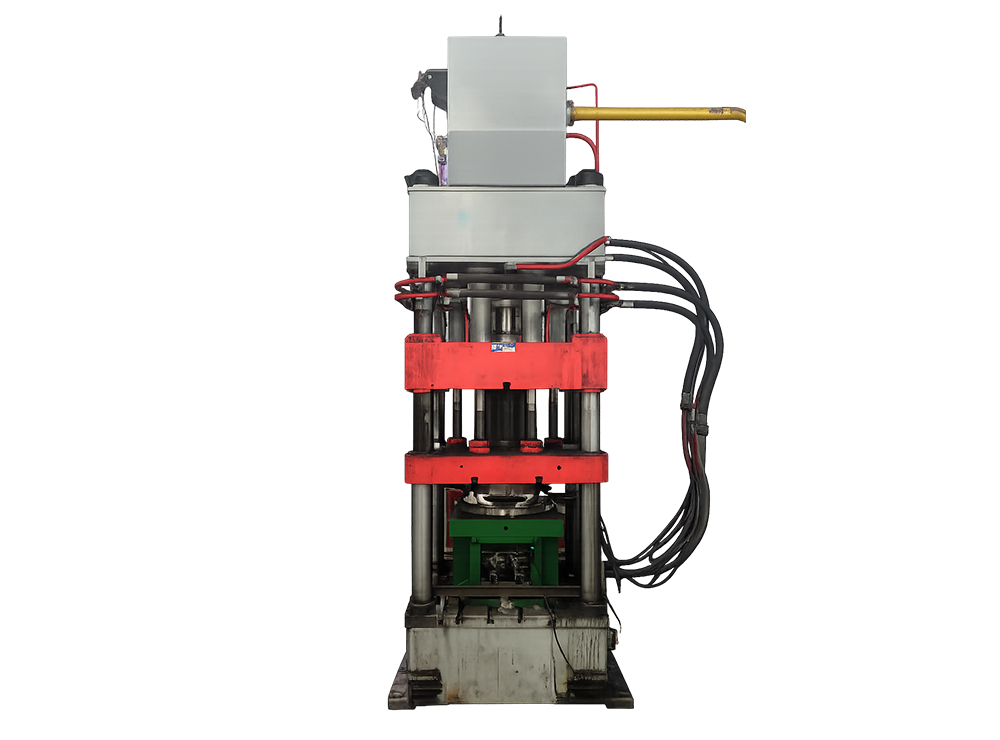
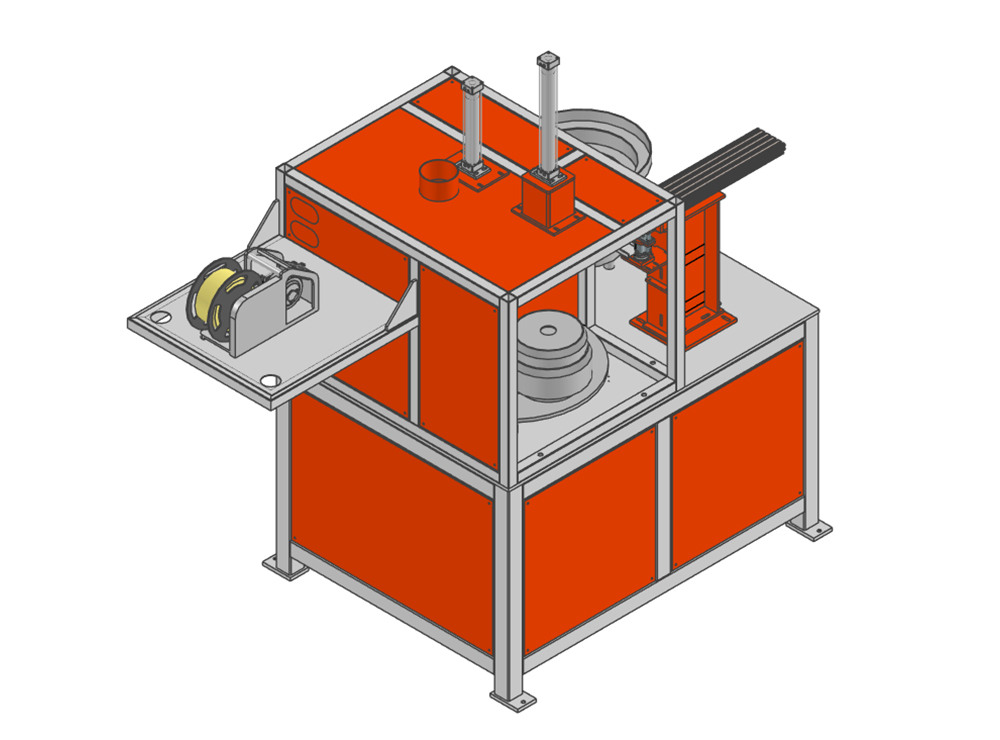
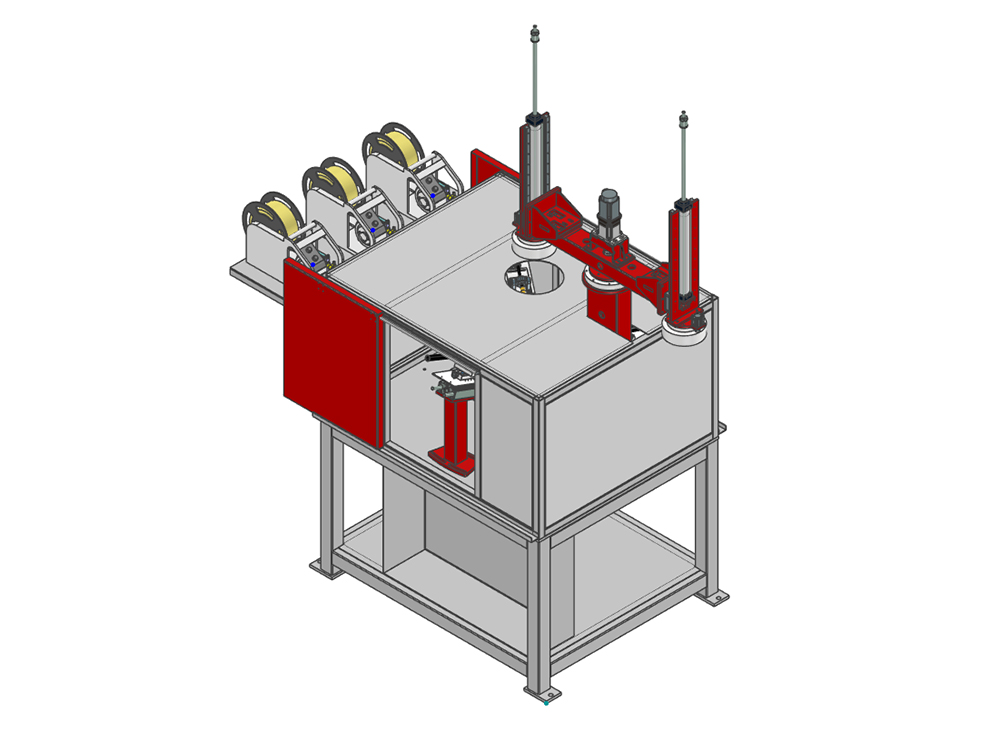
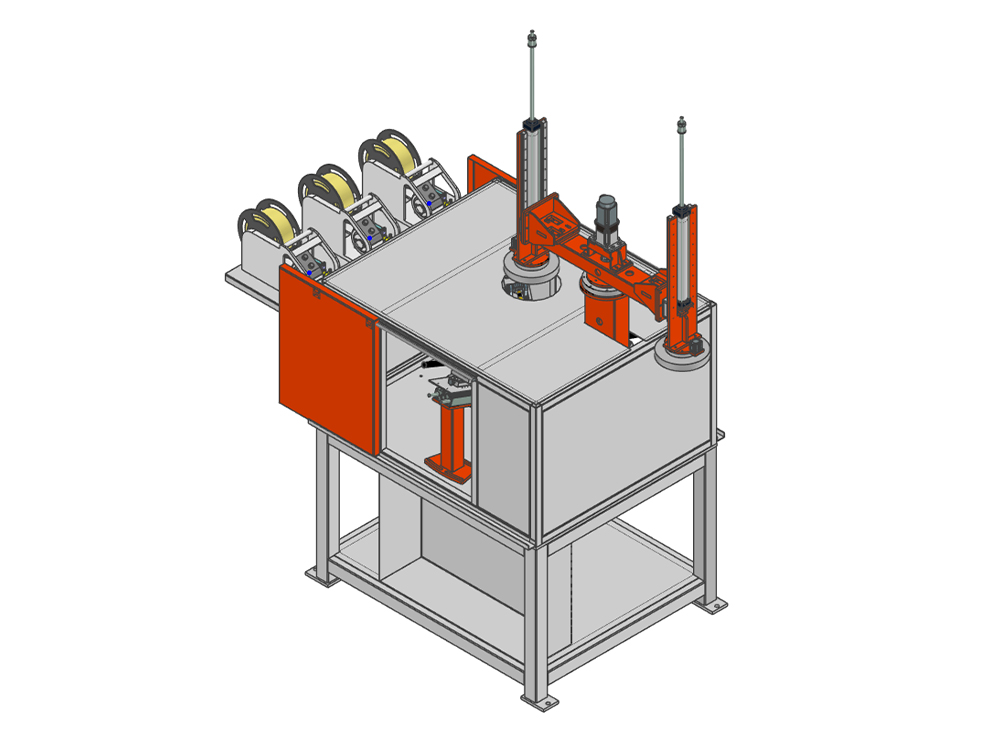
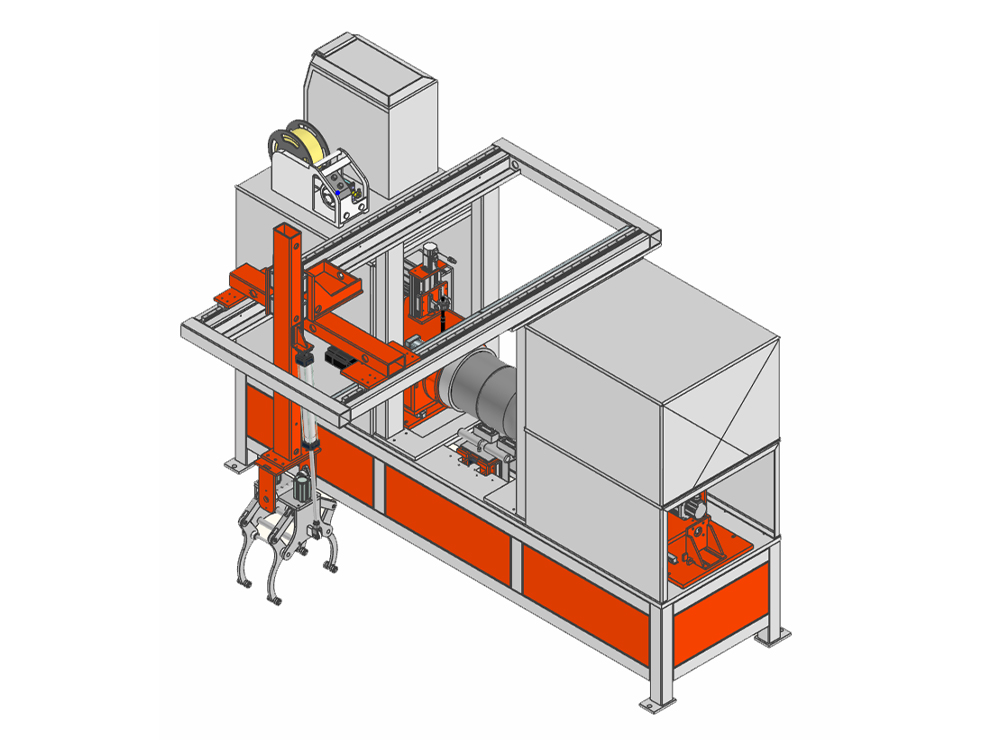
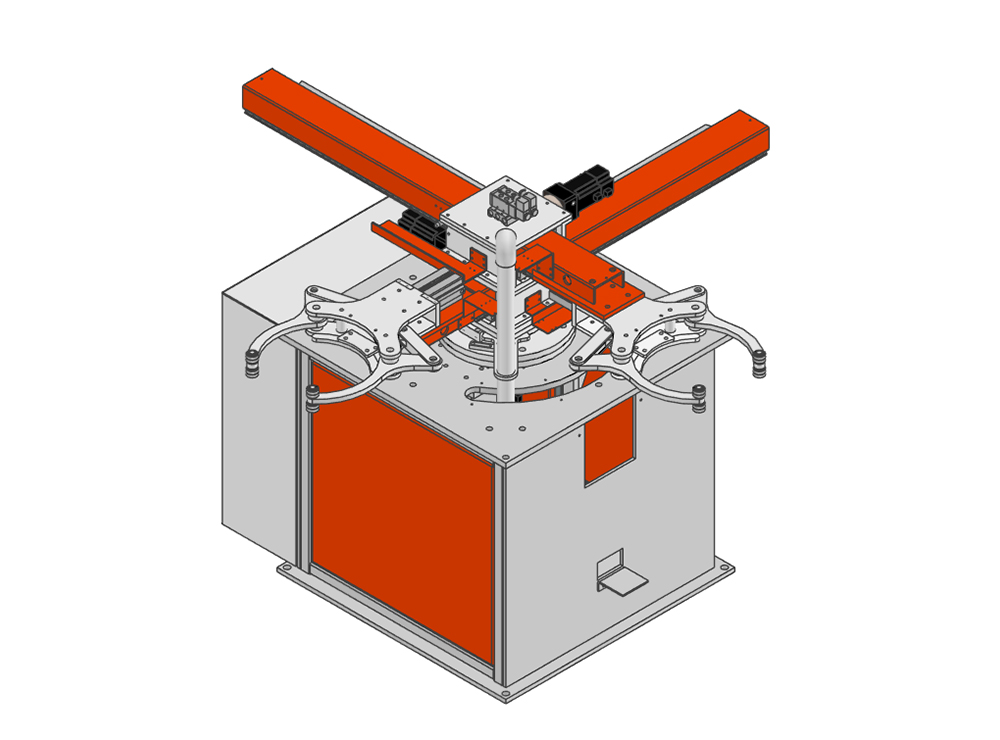
Shuofang, operating through Henan Shuofang Intelligent Equipment Co., Ltd., represents the production-equipment side of this industry. Its stated business scope includes LPG cylinder production lines, automated and semi-automatic systems, deep drawing, welding, trimming, polishing, powder coating, heat treatment, hydrostatic testing, air-leakage testing, valve mounting, and related machinery.
The company describes a production base exceeding 20,000 square meters, more than 10 years of operating history, and annual output value above 70 million yuan. Its published solution range includes complete line design, equipment manufacturing, installation, commissioning, operator training, and long-term technical support. These details position Shuofang as an equipment and process-integration supplier rather than only a finished-cylinder vendor.
For buyers evaluating an lpg cylinders manufacturer, I would examine the following measurable factors:
- Annual production capacity and demonstrated output from comparable projects.
- Cylinder sizes supported, including household, commercial, and custom formats.
- Available standards and approvals for the target export or domestic market.
- Hydrostatic and air-leakage testing equipment included in the line.
- Welding-control method and inspection records.
- Automation level and required labor per shift.
- Warranty period, spare-parts policy, training, and installation scope.
- Evidence from operating plants rather than catalog claims alone.
Shuofang states that its equipment has been supplied within China and exported to markets including the United States, Brazil, and Bangladesh. It also describes projects involving automated lines with annual output of up to 1.68 million LPG cylinders, which provides a useful reference point for buyers planning medium-to-large production capacity.
How LPG Cylinder Prices Are Determined
Cylinder prices depend on material weight, steel grade, capacity, valve configuration, surface treatment, testing requirements, certification, order volume, packaging, and freight. Steel prices influence the body cost directly, while valves, collars, foot rings, handles, coatings, and inspection requirements determine the remaining cost structure.
A lightweight cylinder may reduce material consumption, but reducing wall thickness cannot be evaluated separately from pressure requirements, fatigue life, corrosion exposure, and local safety rules. Composite cylinders typically carry higher initial costs because of fiber reinforcement, liner design, specialized manufacturing, certification, and different end-of-life procedures.
For distributors, the correct calculation is not simply purchase price per cylinder. I would compare total cost per service year, including refill turnover, repair rate, inspection expense, transport weight, loss rate, deposit recovery, replacement frequency, and resale or scrap value.
2026 Outlook Scenarios Through 2034
A single forecast can hide important risks, so I use three scenarios for planning.
| Scenario | Indicative CAGR | Conditions |
|---|---|---|
| Downside | 2%–3.5% | Lower LPG subsidies, weak construction, high steel prices, delayed replacement |
| Base case | 4%–7% | Steady household adoption, regular replacement, moderate commercial growth |
| High-growth | 7%–9% | Faster energy access, stronger distribution investment, higher safety replacement |
In the base case, steel cylinders remain the volume leader, while composite products gain share in premium residential and commercial applications. Demand should be strongest where LPG access is expanding and where existing cylinders are approaching inspection or retirement thresholds.
The high-growth case requires several conditions to occur together: more filling stations, better cylinder tracking, stable LPG affordability, supportive energy policy, and investment in local production. If these factors are absent, the market may still grow, but mainly through replacement rather than new-user expansion.
Investment Opportunities and Practical Selection Criteria
For investors, the most attractive segments are not always the largest by unit volume. Cylinder testing, refurbishment, valve supply, automated welding, coating systems, and replacement logistics can offer recurring revenue alongside new-cylinder manufacturing.
For small businesses and gas distributors, the best opportunity may be a regional niche with measurable turnover rather than a large national market. I would assess the number of active users, average refill interval, cylinder loss rate, distributor concentration, steel supply, transport distance, and inspection backlog before committing capital.
Manufacturers should prioritize production lines that match confirmed demand. A line designed for 1.68 million cylinders per year may be inappropriate for a smaller market if utilization remains below planned capacity. Conversely, a semi-automatic line may restrict labor efficiency when annual orders justify automated feeding, welding, testing, and material handling.
Conclusion
LPG Cylinder Market Analysis 2026 points to a global hardware market with a practical planning value of approximately US$1.5–2.5 billion, a likely medium-term growth range of 4%–7%, continued steel-cylinder dominance, and the strongest overall regional position in Asia-Pacific. The most reliable forecast method separates cylinder revenue from LPG fuel revenue and measures demand through new users, refill frequency, replacement cycles, material costs, and regulatory requirements.
I recommend that manufacturers, distributors, and investors build country-level models rather than relying on one global market number. Compare household penetration, pipeline access, filling infrastructure, safety enforcement, subsidy policy, steel supply, and composite adoption before selecting a segment. Suppliers such as Shuofang should be evaluated by production capacity, testing systems, automation level, customization, project evidence, and after-sales support, not by company name alone.