Key Stages of LPG Cylinder Production Every Manufacturer Should Know
Aug.13, 2026
The lpg cylinder production line is crucial for manufacturers focused on delivering safe and reliable products. Understanding the key stages can help streamline production and improve safety standards. Many manufacturers struggle with inefficiencies in their processes, which leads to delays and increased costs. By learning about important steps like welding, testing, and painting, manufacturers can enhance their operations and ensure that they comply with industry regulations. This article will break down the essential stages of LPG cylinder production while introducing related concepts such as safety measures and quality control.
Introduction
Summary Answer
The **key stages of LPG cylinder production include material preparation, cylinder forming, welding, testing, cleaning, and painting**. Each stage is vital in ensuring the final product is durable and safe for use in various applications.
Key Stages of LPG Cylinder Production
- Material Preparation
- Cylinder Forming
- Welding
- Testing and Inspection
- Cleaning and Surface Treatment
- Painting and Coating
1. Material Preparation
The first step involves selecting high-quality raw materials, typically steel or aluminum. These materials must meet specific standards to ensure safety and reliability. Certifying materials helps prevent defects in the final product.
2. Cylinder Forming
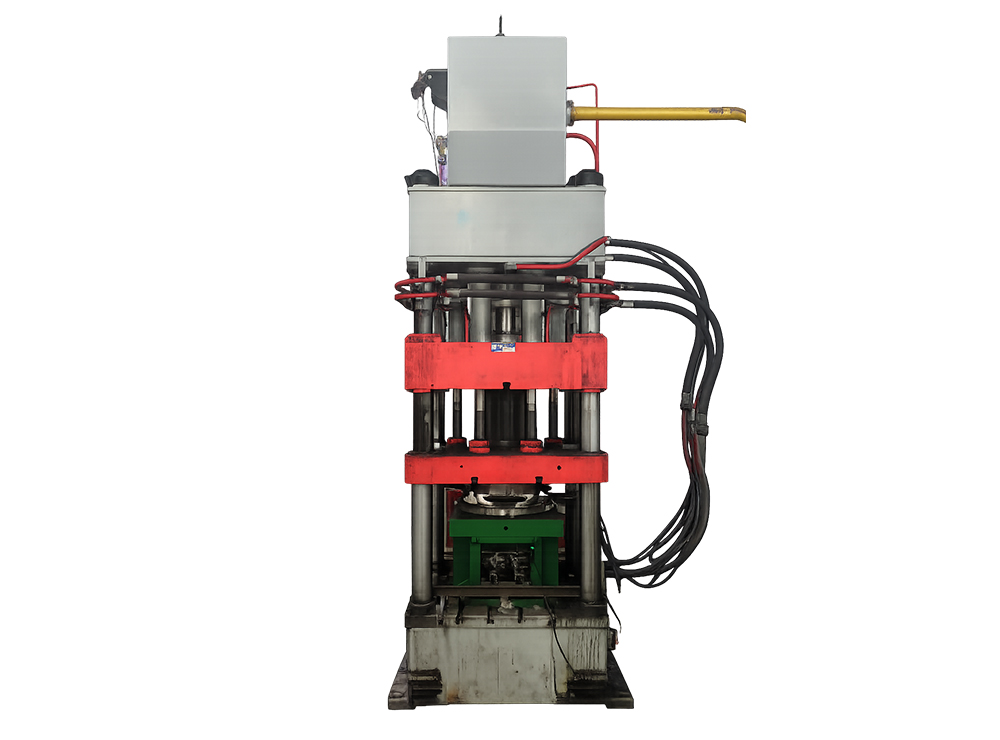
In this stage, raw materials are cut into sheets. These sheets are then transformed into the cylindrical shape via processes like bending and rolling. Accurate dimensions are critical at this point to avoid issues later in production.
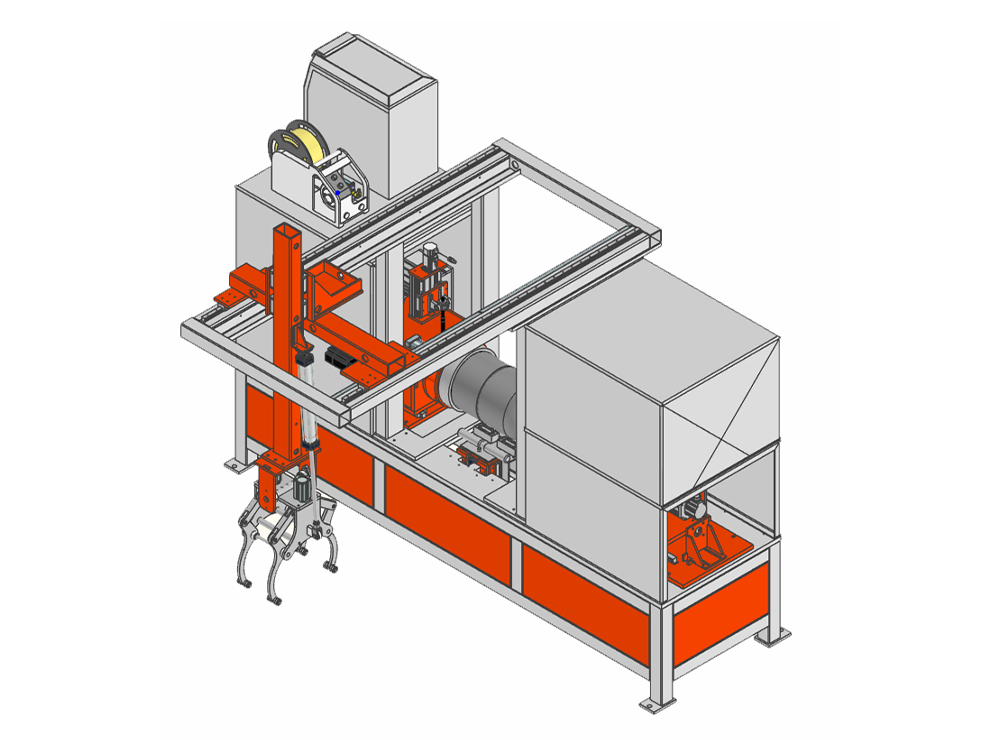
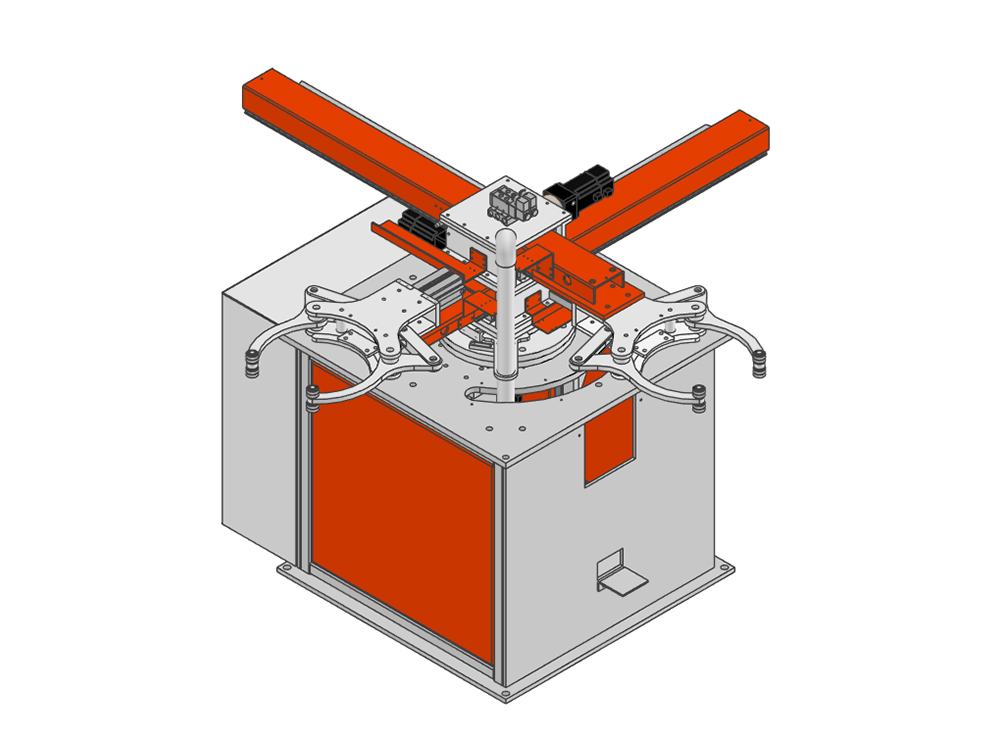
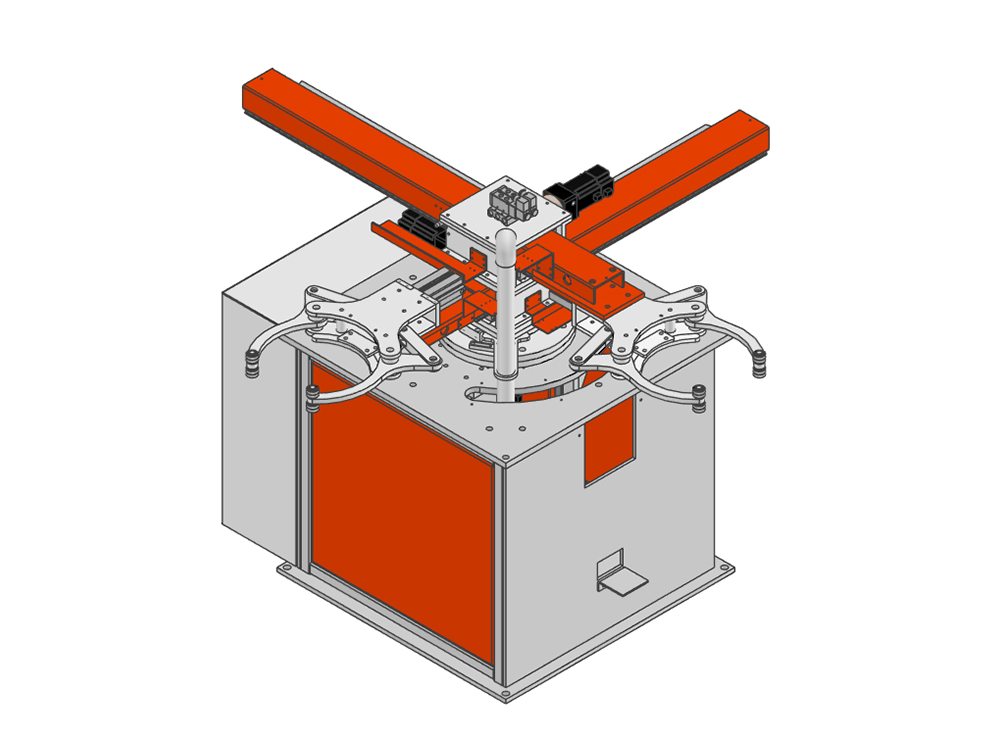
3. Welding
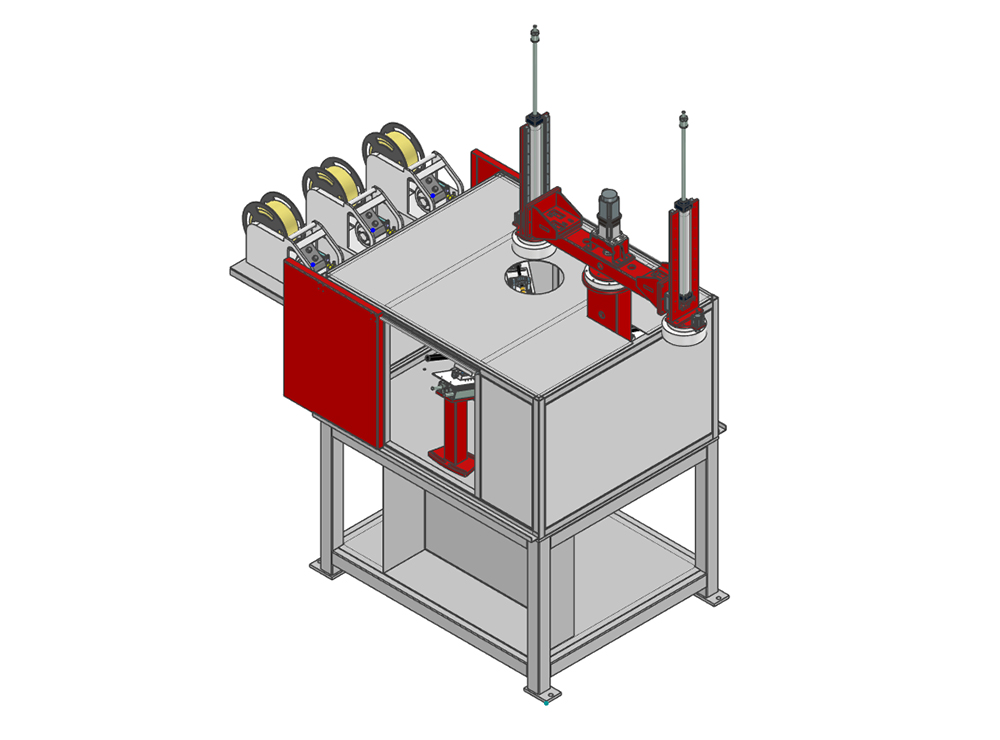
Welding is a vital part where the cylinder pieces are securely joined. Different welding techniques like MIG (Metal Inert Gas) or TIG (Tungsten Inert Gas) can be used. Each method offers various advantages regarding strength and precision.
4. Testing and Inspection
Testing ensures that the cylinders are leak-proof and can withstand high pressure. Hydrostatic testing is a common method. This stage also includes visual inspections for welding quality and overall structure integrity.
5. Cleaning and Surface Treatment
Before painting, each cylinder must be thoroughly cleaned to remove oil, rust, and other contaminants. Surface treatment can involve sandblasting or using chemical cleaners to prepare the surface for optimal adhesion of the paint.
6. Painting and Coating
Finally, the cylinders are painted for protection and appearance. Specialized coatings might be applied to enhance durability and resistance to corrosion. Ensuring a uniform coat can impact the cylinder's lifespan significantly.
Conclusion
Understanding the key stages of LPG cylinder production is essential for any manufacturer. Each step, from material preparation to painting, plays a critical role in ensuring the product meets safety standards and performs well under pressure. By focusing on these stages, manufacturers can improve efficiency, reduce costs, and provide better products to their customers.
FAQ
- What materials are used to manufacture LPG cylinders?
Typically, steel or aluminum is used for durability and safety. - Why is testing important in the production line?
It ensures the cylinders are safe, leak-proof, and can handle high pressure. - What is the role of surface treatment?
It prepares the cylinder for painting and prevents corrosion. - How does welding affect cylinder safety?
Proper welding ensures that the cylinder is structurally sound and can safely contain gas. - Can the painting process affect cylinder performance?
Yes, a good coat can protect against rust and extend the cylinder's lifespan. - What regulations must manufacturers follow?
Manufacturers must comply with local and international safety standards for gas cylinders.