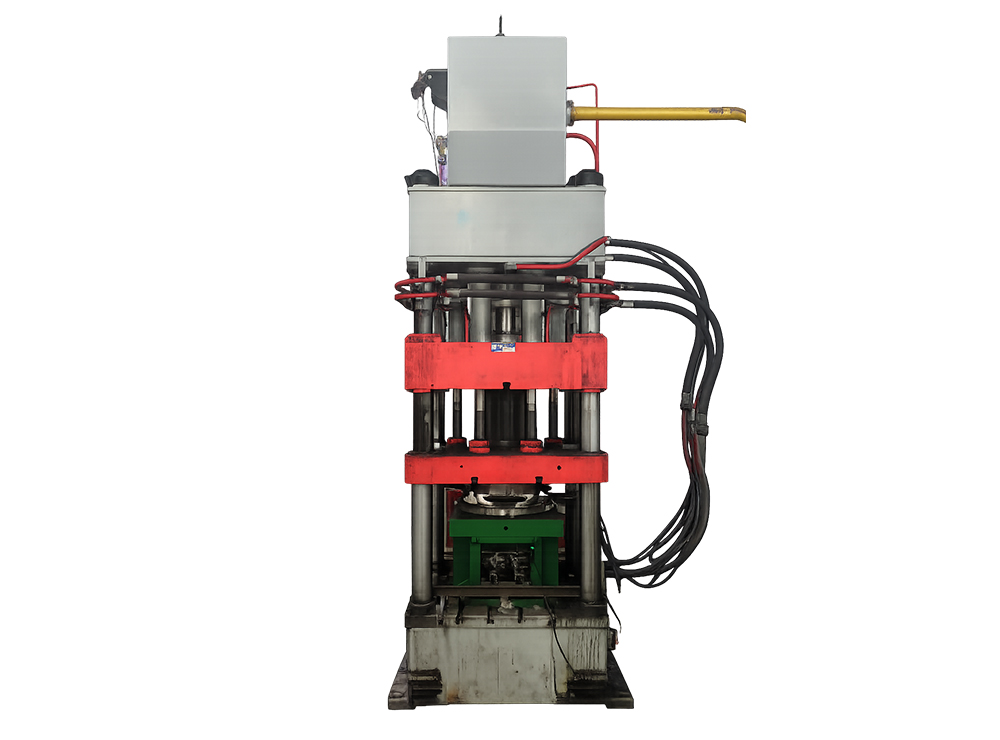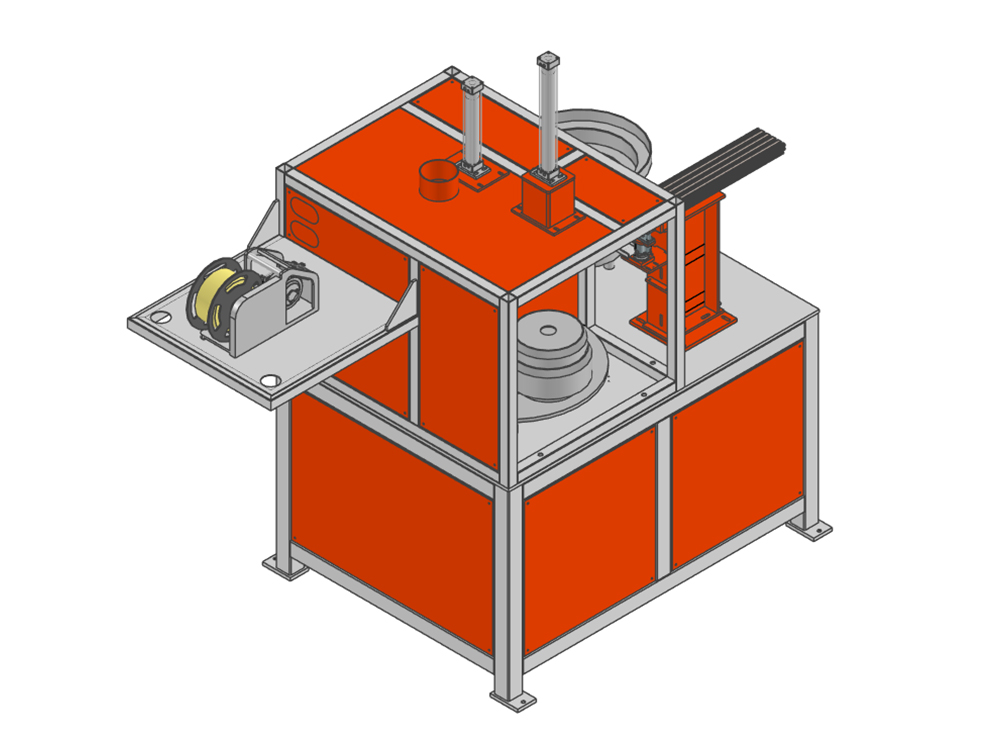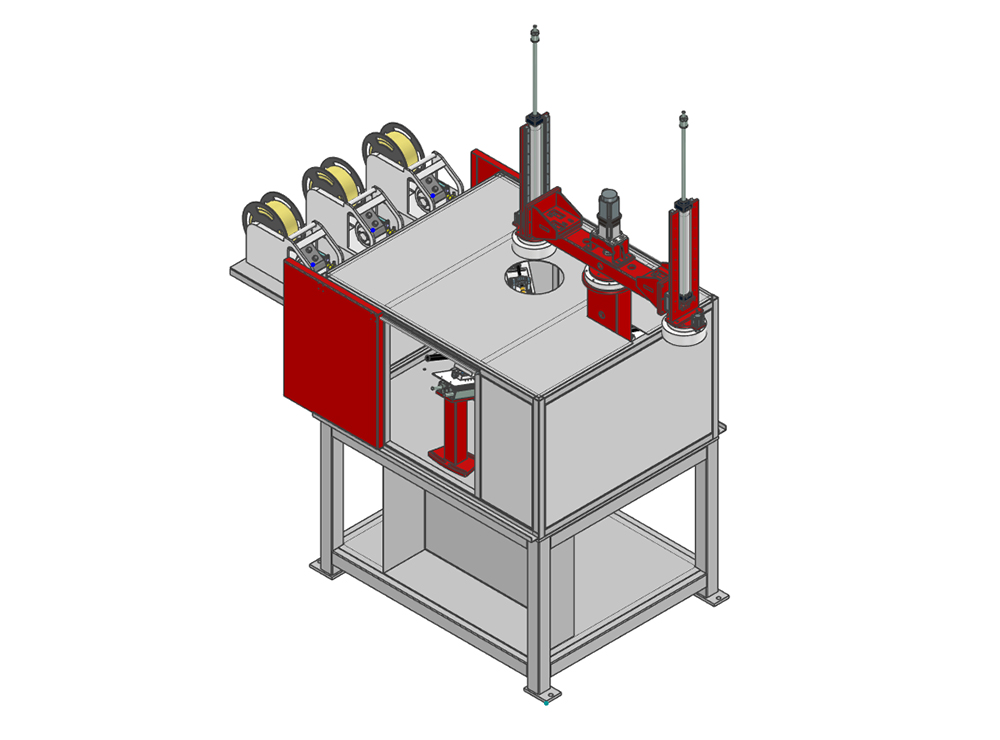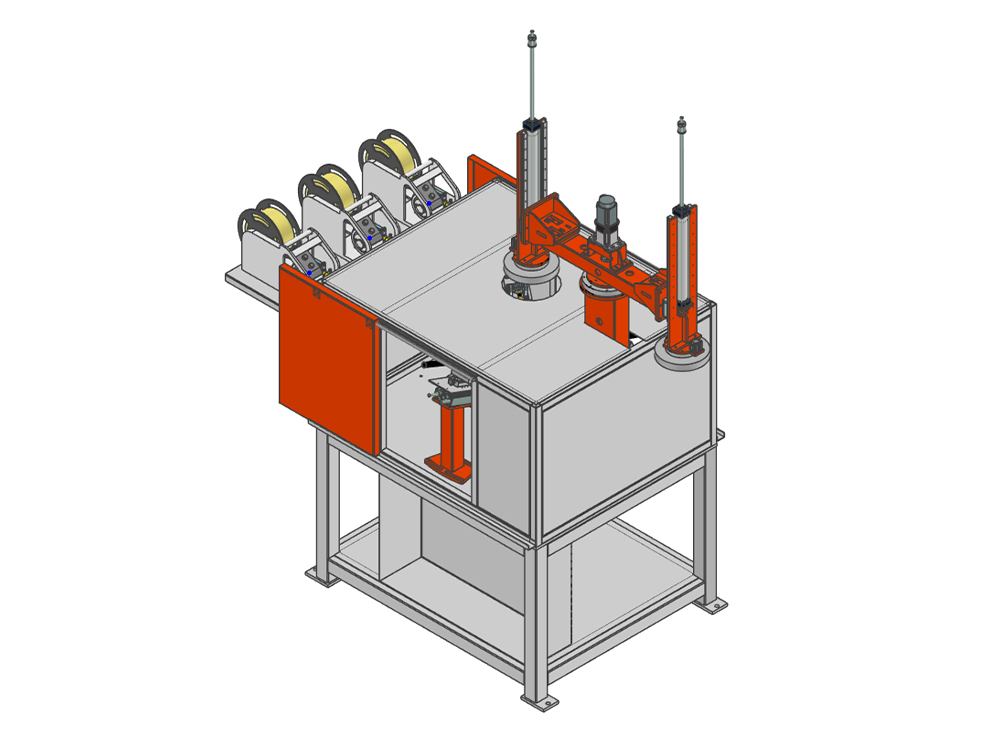
Key Questions to Ask Before Buying an LPG Cylinder Manufacturing Line
Jul.30, 2026
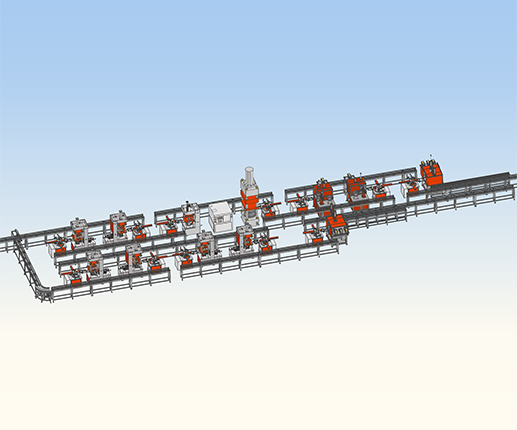
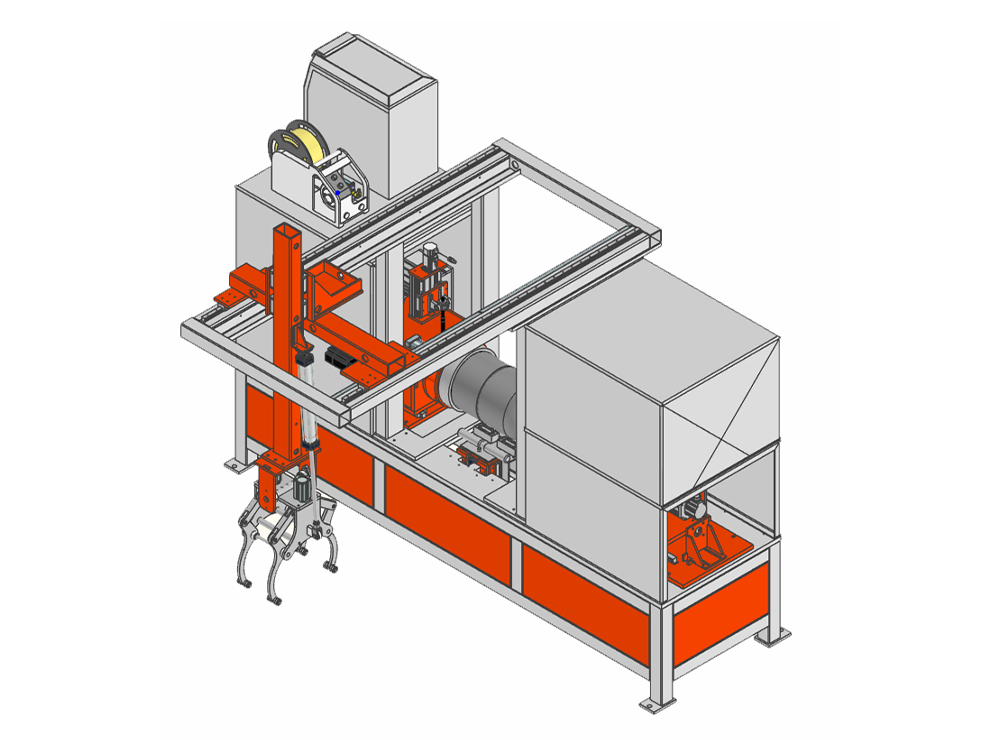
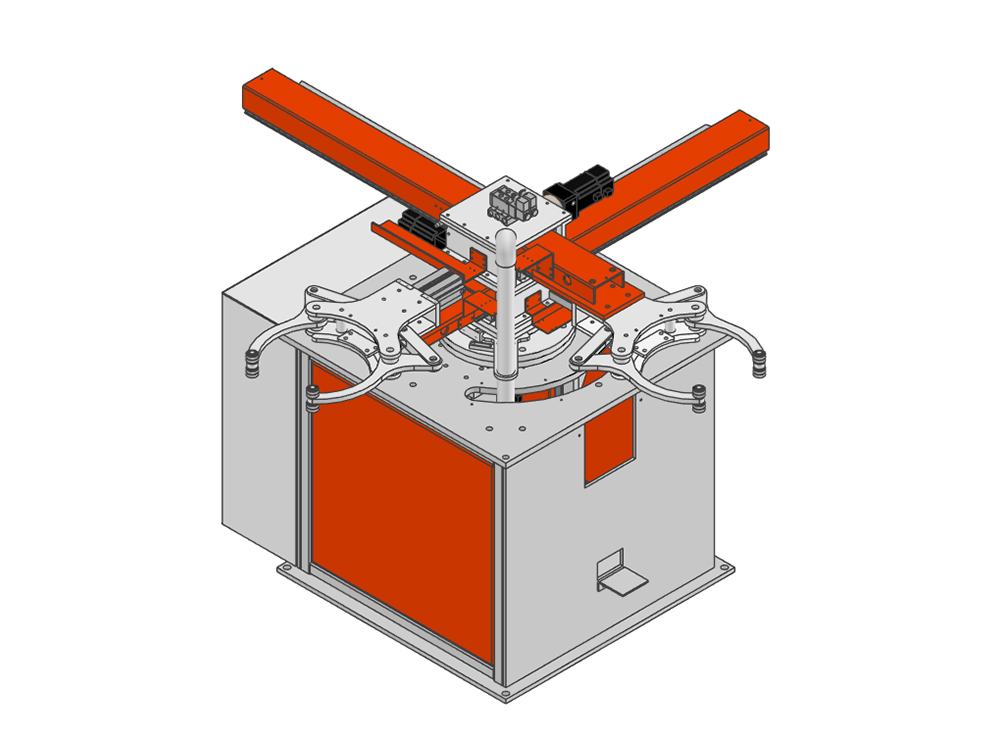
When considering the purchase of an LPG cylinder manufacturing line, it’s crucial to ask the right questions. Finding a reliable lpg cylinder supplier can be challenging. Many factors come into play, including production capacity, safety features, and equipment reliability. It's important to understand these aspects to ensure you make an informed choice. In this article, we will address the key questions to guide your decision-making process for an LPG cylinder manufacturing line.
Introducing Your LPG Cylinder Manufacturing Line Needs
Summary Answer
The key questions to ask before buying an LPG cylinder manufacturing line include inquiries about production capacity, safety features, equipment reliability, supplier reputation, and after-sales service. **These factors significantly impact the efficiency and safety of your operation.**
1. What is the Production Capacity of the Line?
Understanding Your Needs
It’s important to determine how many cylinders you need to produce in a specific time frame. Check the machine's specifications for maximum output per hour or per day. Make sure that the line can meet your expected demand without bottlenecks.
2. What Safety Features are Included?
Prioritizing Safety and Compliance
Safety should always be a priority. Ensure that the manufacturing line complies with industry safety standards. Look for features like emergency stop buttons, safety guards, and fire suppression systems to protect your employees and facility.
3. How Reliable is the Equipment?
Avoiding Downtime
Equipment reliability is essential for a smooth operation. Investigate the brand’s track record. Speak with current users to learn about their experiences. Reliability affects production efficiency and overall costs.
4. What is the Supplier's Reputation?
Choosing the Right Partner
Research the LPG cylinder supplier’s reputation. Read reviews and testimonials from other buyers. A reputable supplier will offer not just equipment but also support and guidance throughout the purchasing process.
5. What After-Sales Service is Provided?
Ensuring Long-Term Support
After-sales service is crucial for maintenance and repairs. Verify what kind of support the supplier offers. This may include training for your staff, warranty options, and the availability of spare parts.
6. What is the Total Cost of Ownership?
Calculating Your Investment
Beyond the initial purchase price, consider ongoing costs such as maintenance, energy consumption, and operational expenses. A lower purchase price may result in higher long-term costs if the equipment is less efficient.
Conclusion
In summary, when considering an LPG cylinder manufacturing line, ask about production capacity, safety features, equipment reliability, supplier reputation, after-sales service, and total cost of ownership. Understanding these factors is essential for making an informed choice. Focus on finding a trustworthy LPG cylinder supplier who can meet your manufacturing needs.
FAQ
Q1: How do I evaluate the production capacity required for my business?
A1: Assess your sales forecasts to determine how many cylinders you anticipate needing on a daily and weekly basis.
Q2: What are the common safety standards for LPG cylinder manufacturing?
A2: Common safety standards include ISO 9001, ASME, and local regulatory requirements. Ensure your equipment meets these standards.
Q3: Why is it important to check the supplier's reputation?
A3: A reliable supplier can provide better support, offer quality equipment, and ensure timely delivery, impacting your production quality.
Q4: What types of after-sales services should I ask about?
A4: Look for training, maintenance support, warranty options, and availability of spare parts.
Q5: How can I reduce the total cost of ownership?
A5: Choose energy-efficient equipment, maintain regular service schedules, and invest in training for employees to maximize productivity.
Q6: What common issues should I watch for with LPG cylinder manufacturing lines?
A6: Common issues can include equipment malfunctions, safety concerns, or production inefficiencies. Regular maintenance can help mitigate these risks.