How to Optimize Powder Coating Line Performance
Nov.06, 2026
To understand How to Optimize Powder coating line Performance, I start with the bottleneck rather than increasing conveyor speed or purchasing new equipment. Powder coating line optimization improves usable output by stabilizing pretreatment, racking, spraying, curing, material flow, maintenance, and quality control. The goal is to raise first-pass yield, reduce powder consumption, control rework, and increase pounds-per-hour output without creating under-cure, over-bake, poor adhesion, or film-thickness defects.
Key Takeaways
- Find the limiting process before changing conveyor speed, oven settings, staffing, or automation equipment.
- Track OEE, first-pass yield, transfer efficiency, rack density, downtime, and pounds-per-hour output.
- Stabilize pretreatment, grounding, gun settings, airflow, powder delivery, and part presentation before increasing line speed.
- Validate oven temperature uniformity and dwell time with recorded profiles instead of relying only on controller readings.
- Compare optimization costs with added usable output, reduced rework, powder savings, and maintenance downtime.
How to Optimize Powder Coating Line Performance
I use a sequential optimization method because a coating line behaves as one connected system. A faster conveyor cannot compensate for poor pretreatment, insufficient grounding, weak powder delivery, or incomplete curing. Before making changes, I record at least five production shifts of baseline data so that improvements can be compared against the same product mix and operating schedule.
- Measure the current line condition. Record OEE, line utilization, first-pass yield, rack density, conveyor speed, oven dwell time, film thickness, powder consumption, downtime minutes, and pounds per hour.
- Locate the bottleneck. Compare the available capacity of pretreatment, loading, spraying, curing, unloading, inspection, and packaging.
- Stabilize surface preparation. Control cleaning, rinsing, chemical concentration, bath temperature, pH, conductivity, and drying.
- Improve part presentation and transfer efficiency. Correct rack spacing, grounding, gun distance, airflow, powder flow, and spray patterns.
- Validate oven performance. Profile representative parts at different positions and confirm metal temperature, dwell time, and temperature uniformity.
- Reduce unplanned downtime. Standardize inspections for filters, guns, pumps, hoses, conveyors, burners, sensors, compressed air, and reclaim equipment.
- Verify the result financially. Calculate the change in usable output, powder cost, labor hours, rework, scrap, energy, and maintenance expense.
This sequence prevents isolated adjustments from moving defects from one process stage to another. For example, increasing conveyor speed may raise theoretical pieces per hour while reducing cure quality and first-pass yield. I treat usable output—not machine speed—as the primary production result.
!
What Are the Most Important Factors Affecting Powder Coating Line Performance?
The most important factors are surface preparation, part presentation, transfer efficiency, curing, material flow, equipment availability, and quality feedback. These factors interact, so a single-stage improvement rarely produces a stable result when upstream or downstream conditions remain inconsistent.
Pretreatment directly affects adhesion, corrosion resistance, and rework. I monitor chemical concentration, bath temperature, pH, conductivity, spray pressure, nozzle condition, rinse quality, and part drainage. If water remains trapped in seams or recessed areas, the drying oven may become the real constraint, even when the pretreatment tunnel appears to have sufficient capacity.
Racking affects both production density and coating access. I calculate rack density as the number of parts per hanger, rack, or conveyor section while checking whether hooks, recesses, and contact points remain accessible to the guns. A rack that carries 20% more parts but causes shadowing or poor grounding can reduce first-pass yield enough to lower total usable output.
The booth and guns should be evaluated through measurable settings rather than visual judgment. I record powder flow, atomizing or shaping air, gun-to-part distance, reciprocator stroke, gun overlap, voltage or current settings, and the condition of electrodes and nozzles. Transfer efficiency also depends on part geometry, powder characteristics, booth airflow, grounding resistance, and whether the recovery system returns consistent powder to the process.
How to Measure and Improve Powder Coating Line Efficiency
I measure powder coating line efficiency with a combination of production, quality, and equipment indicators. OEE is useful when calculated consistently:
OEE = Availability × Performance × Quality
Availability equals operating time divided by planned production time. Performance compares actual output with the designed output during operating time, while quality represents good parts divided by total produced parts. A line producing 1,000 parts with 90% availability, 80% performance, and 95% quality has an OEE of 68.4%, calculated as 0.90 × 0.80 × 0.95.
| Metric | Calculation | Why I Track It |
|---|---|---|
| First-pass yield | Accepted parts without rework ÷ total parts | Shows process stability |
| Transfer efficiency | Powder deposited ÷ powder sprayed | Identifies powder loss |
| Line utilization | Actual running time ÷ scheduled time | Shows unused capacity |
| Rack density | Parts per rack or hanger | Connects loading with coating access |
| Pounds per hour | Good coated output ÷ operating hour | Measures usable throughput |
| Downtime rate | Unplanned downtime ÷ scheduled time | Identifies reliability losses |
| Film-thickness variation | Maximum thickness minus minimum thickness | Shows spray and part-presentation control |
I do not use one target for every plant because part size, powder type, geometry, and product requirements differ. Instead, I establish a baseline and set improvement thresholds such as a 5% reduction in unplanned downtime, a 3-percentage-point increase in first-pass yield, or a 10% reduction in powder consumption per accepted part. Each target should have a defined measurement period and an identified data owner.
Digital monitoring can make this process more reliable. Sensors or data logs should capture conveyor speed, oven temperature at multiple points, burner status, booth pressure, compressed-air pressure, powder feed rate, film thickness, downtime codes, and recipe changes. I also connect each defect to its production batch, powder lot, operator shift, rack type, and oven profile so that repeated patterns can be isolated.
Increase Throughput Without Sacrificing Coating Quality
Powder coating line throughput optimization begins by separating theoretical capacity from usable capacity. Theoretical capacity is often calculated from conveyor speed and hanger spacing, while usable capacity includes accepted parts after inspection and rework. If a line produces 500 parts per hour but 8% require rework, its accepted output is 460 parts per hour before additional scrap is considered.
I first inspect material flow between loading, pretreatment, drying, spraying, curing, unloading, inspection, and packaging. A staging queue before the booth may indicate insufficient spray capacity, while empty conveyor spaces after the oven may indicate curing or inspection constraints. If the oven is full but the booth is underloaded, adding guns will not increase total output unless curing capacity and unloading capacity are also available.
Conveyor speed should be changed only after dwell time and coating quality are verified. The basic relationship is:
Oven dwell time = Heated oven length ÷ Conveyor speed
For example, a 30-meter heated zone at 3 meters per minute provides 10 minutes of nominal dwell time. The actual metal temperature profile may provide less effective cure time if parts enter cold, if temperature distribution varies across the oven, or if dense racks block airflow.
To increase output without reducing quality, I test changes in controlled increments. A 5% conveyor-speed increase should be followed by film-thickness checks, adhesion testing, appearance inspection, and an oven profile on representative parts. If first-pass yield falls from 96% to 91%, the apparent speed gain may produce fewer accepted parts per shift.
How to Optimize a Powder Coating Oven
An oven should be optimized according to the powder manufacturer’s cure schedule and the actual temperature of the metal part. The controller display may show air temperature near one sensor, but it does not prove that thick sections, welded joints, recesses, or parts at the edge of the load reached the required temperature for the required time.
I use a data logger or profiling system to measure part temperature at multiple positions. Profiles should include light and heavy parts, different rack locations, the first and last hanger positions, and areas that historically show poor cure. I compare ramp-up time, peak metal temperature, dwell above the required cure threshold, and temperature variation across the load.
| Oven Check | What to Record | Possible Corrective Action |
|---|---|---|
| Temperature uniformity | Temperature at left, center, and right zones | Adjust burners, airflow, or insulation |
| Metal temperature | Surface temperature on representative parts | Change dwell time or heat input |
| Dwell time | Time above the powder cure requirement | Adjust conveyor speed |
| Airflow | Circulation and exhaust condition | Clean ducts, fans, and filters |
| Burner performance | Flame stability and fuel pressure | Inspect burner and control system |
| Door and seal condition | Heat leakage around openings | Replace damaged seals |
Over-baking can change color, gloss, or coating performance, while under-baking may cause poor adhesion, reduced hardness, or premature failure. I therefore avoid using a single oven temperature as the only control value. A validated recipe should include part family, rack density, conveyor speed, zone settings, profile results, and inspection requirements.
How to Improve Transfer Efficiency and Reduce Powder Waste
Transfer efficiency improves when more sprayed powder reaches the grounded part and less powder enters the booth filter or recovery stream. The main variables are grounding, gun settings, airflow, powder delivery, part geometry, rack density, and powder recovery operation.
Grounding should be checked at the part and rack, not only at the booth structure. Paint buildup on hooks can create electrical resistance and reduce attraction between the charged powder and the part. I establish a grounding inspection interval based on production volume, clean contact points during scheduled maintenance, and replace hooks or fixtures when contact cannot be restored.
Gun distance and angle must match the part geometry. Excessive distance can reduce deposition, while insufficient distance may create uneven coverage or back-ionization. Recesses, corners, and Faraday areas may require adjusted voltage, current, powder flow, gun angle, or a separate pass rather than simply increasing powder output.
Powder delivery should remain stable across the shift. I inspect pumps, pickup tubes, hoses, sieves, fluidizing air, moisture control, and powder containers. If reclaim powder is mixed with virgin powder, the ratio and screening method should be documented because uncontrolled variation can affect appearance and application behavior.
Powder consumption should be calculated per accepted part or per square meter of coated area. A reduction from 0.42 pounds to 0.38 pounds per accepted part appears small, but at 10,000 accepted parts per month it represents 400 pounds of powder saved before considering rework and disposal costs.
Diagnostic Decision Tree for Defects and Downtime
I use a symptom-based decision tree before changing several settings at once. The first question is whether the issue is isolated to one part family, one rack position, one gun, one shift, or the entire line.
- Poor adhesion across the line: Check pretreatment chemistry, rinsing, drying, contamination, cure profile, and substrate condition.
- Thin coating on one side: Check gun alignment, airflow, reciprocator movement, rack orientation, and part spacing.
- Heavy coating in corners or recesses: Check voltage, gun distance, spray angle, grounding, and Faraday-area settings.
- Color or gloss variation: Check powder lot, reclaim ratio, film thickness, oven profile, and contamination.
- Orange peel or rough texture: Check film thickness, powder storage, cure profile, compressed air, and surface cleanliness.
- Frequent booth blockage: Check powder feed rate, hose condition, sieve performance, recovery settings, and filter loading.
- Line stops at irregular intervals: Review conveyor overload, sensor faults, burner alarms, compressed-air pressure, and accumulated powder on moving components.
- Oven cannot maintain temperature: Inspect burner output, fan operation, exhaust balance, door seals, insulation, and excessive cold-load entry.
I record the defect rate before and after each corrective action. Changing five variables simultaneously may produce a temporary improvement but makes the actual cause difficult to identify. A controlled change should include the setting, responsible person, start time, product family, inspection result, and whether the change becomes part of the standard recipe.
Standardize Pretreatment, Maintenance, and Inspection
Standard work is necessary because powder coating defects often return after a successful adjustment. I create checklists for every shift, week, and maintenance interval, with numeric acceptance criteria wherever possible. A checklist should identify who performed the inspection, what was measured, the result, and the corrective action.
Daily checks may include hook cleanliness, gun condition, powder hose condition, booth filters, compressed-air pressure, powder level, conveyor lubrication, oven alarm status, and visible contamination. Weekly checks can include grounding resistance, nozzle wear, pump performance, pretreatment concentration, rinse conductivity, oven profile review, and reclaim-system inspection.
Compressed air deserves separate attention because water, oil, or pressure variation can affect powder delivery and pneumatic equipment. I specify the required pressure and air cleanliness according to the equipment supplier’s instructions, then monitor pressure at the point of use rather than only at the compressor. Sudden pressure drops should be connected to production timestamps so that intermittent spray defects can be investigated.
The quality-control plan should include film thickness, adhesion, appearance, cure verification, color or gloss where applicable, and rework classification. Inspection results should be separated into process defects, material defects, handling damage, and customer-specific requirements. This classification shows whether the next investment should focus on pretreatment, spraying, curing, fixtures, operator training, or packaging.
When Automation Can Improve Powder Coating Line Performance
Powder coating line automation can improve performance when the current loss is caused by repeatable manual variation, insufficient data, labor constraints, or unsafe material handling. Suitable applications may include automatic reciprocators, conveyor tracking, automatic gun control, recipe management, part identification, oven monitoring, and digital downtime recording.
Automation should not be selected simply because a line is slow. If the main loss comes from poor grounding, unstable pretreatment, or an undersized oven, automation at the booth may increase the rate of defective parts. I first calculate the available capacity and identify the largest measurable loss.
A basic investment calculation is:
Annual benefit = Added accepted output margin + powder savings + labor savings + avoided rework − added operating cost
Payback period = Investment cost ÷ Annual benefit
For example, if an upgrade costs $120,000 and produces $60,000 in annual net benefit, the simple payback period is two years. I also include installation downtime, training, spare parts, software fees, energy use, maintenance labor, and the cost of integrating the new equipment with the existing pretreatment, conveyor, booth, oven, and inspection systems.
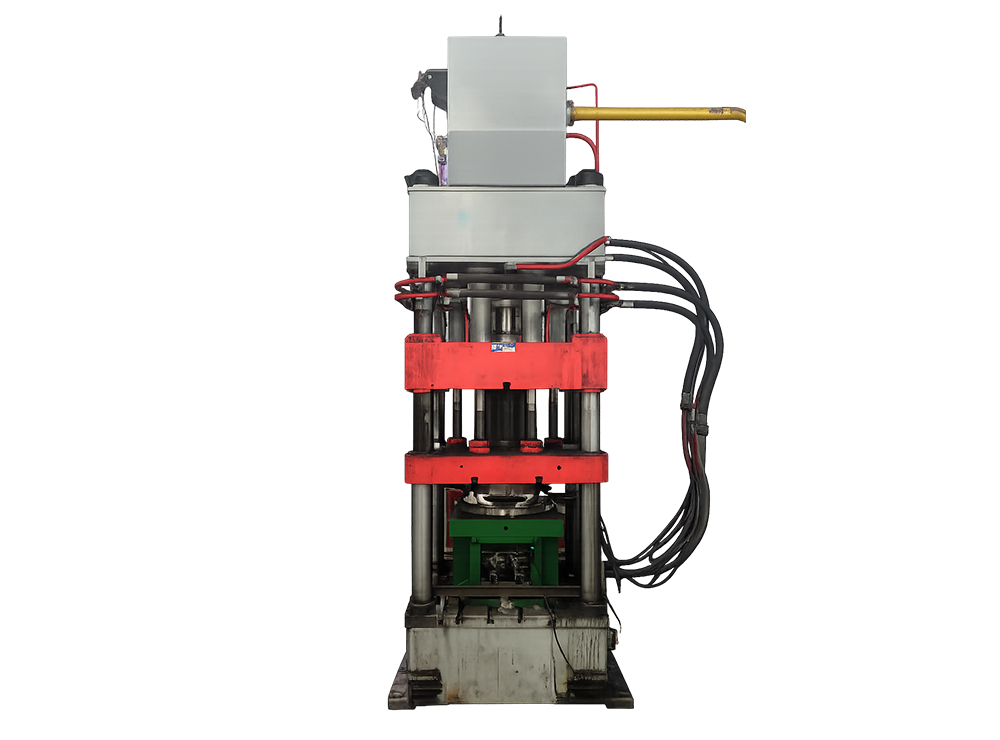
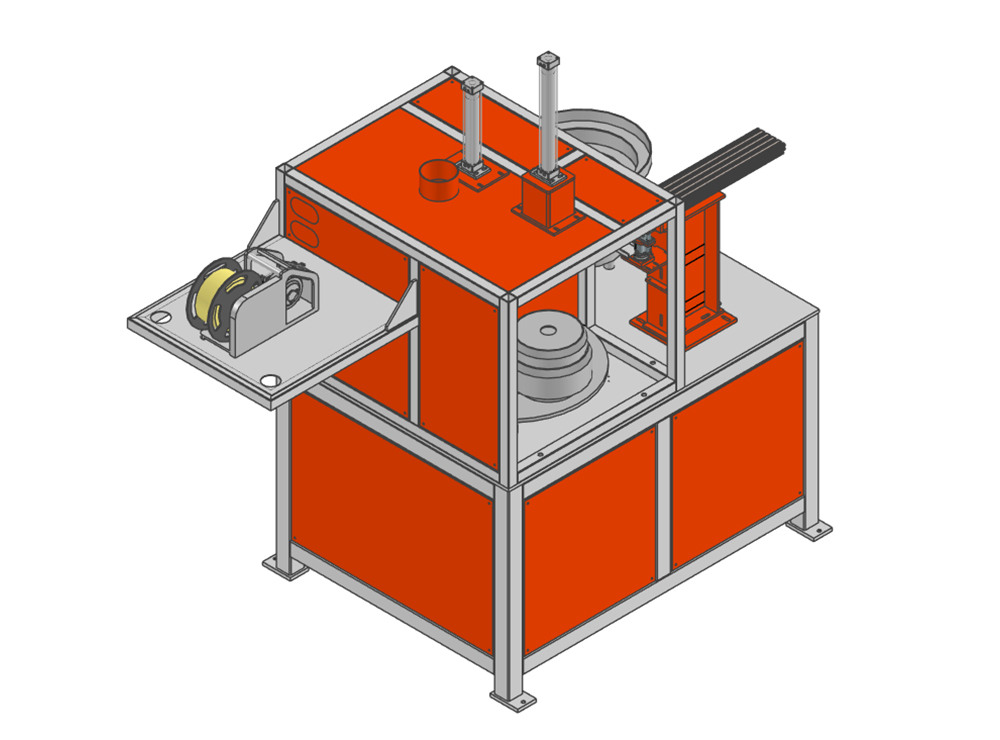
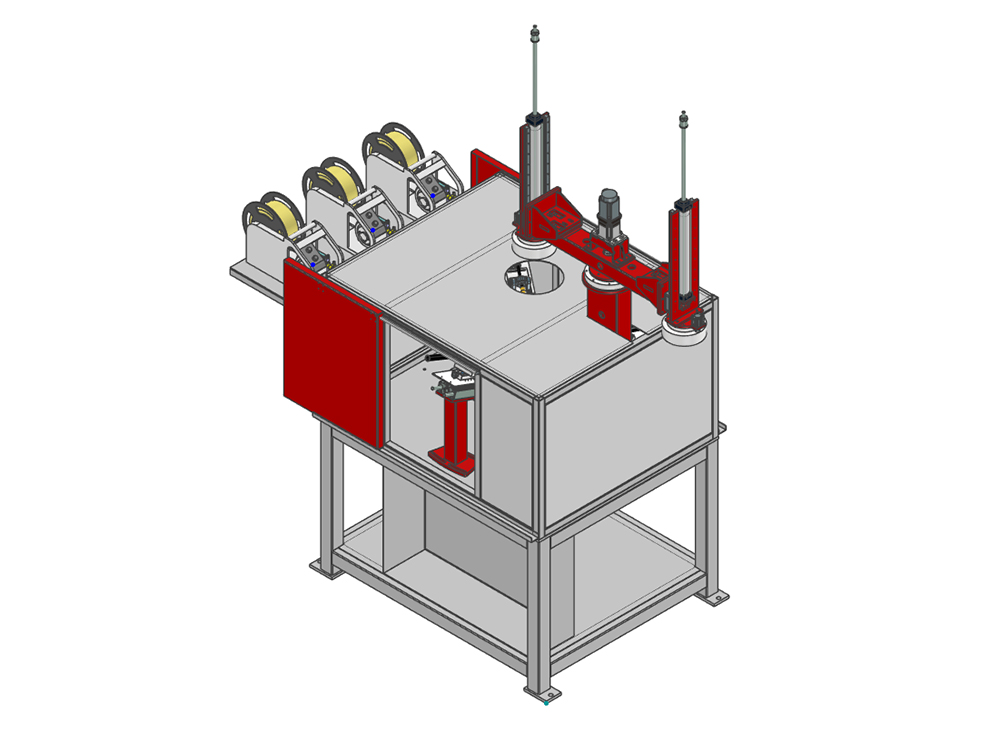
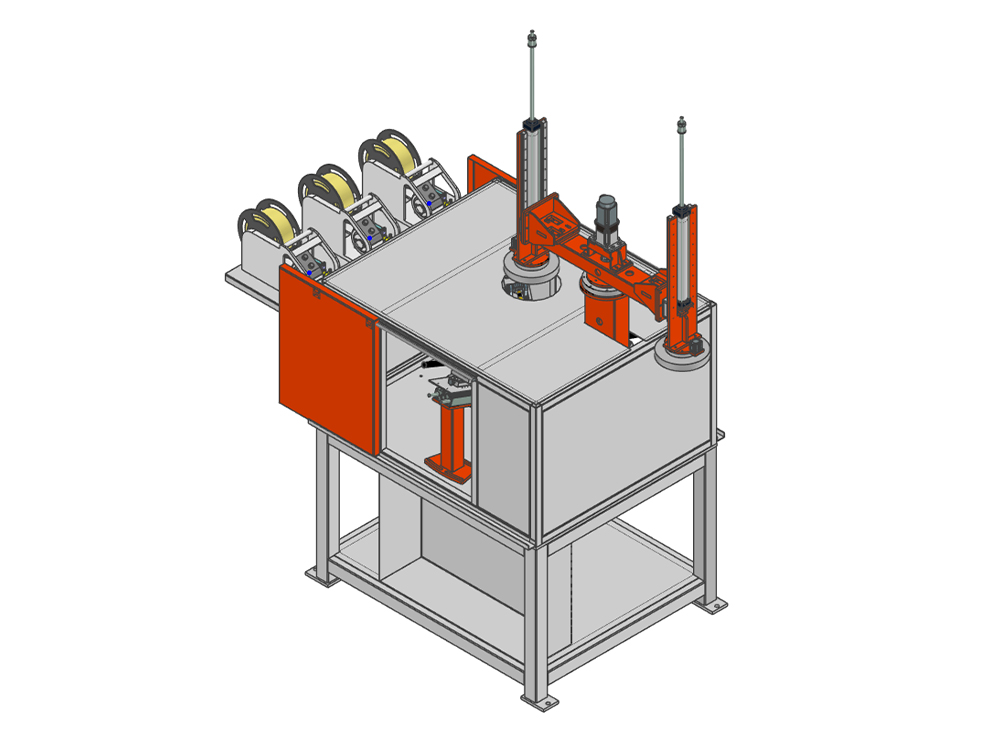
Shuofang is relevant to this integrated equipment discussion because Henan Shuofang Intelligent Equipment Co., Ltd. presents automated, semi-automated, and segmented production-line solutions for LPG cylinder manufacturing. Its stated scope includes surface coating equipment alongside forming, welding, heat treatment, testing, and related production equipment. The company reports a production base exceeding 20,000 square meters, more than 10 years of operating history, and equipment deployment in China, the United States, Brazil, Bangladesh, and other markets.
How to Choose Powder Coating Line Optimization Strategies
| If the main problem is... | Start with... | Measure the result using... |
|---|---|---|
| Frequent adhesion failures | Pretreatment and drying audit | Adhesion pass rate and rework |
| Uneven film thickness | Grounding, gun settings, and racking review | Thickness variation |
| Low accepted output | Bottleneck and material-flow analysis | Pounds per hour and first-pass yield |
| Excessive powder use | Transfer-efficiency test | Powder per accepted part |
| Cure complaints | Multi-point oven profile | Metal temperature and dwell time |
| Repeated short stops | Downtime coding and preventive maintenance | Downtime minutes per shift |
| High labor variation | Recipe control and targeted automation | Setting variation and defect rate |
| High capital-investment risk | ROI model and production trial | Payback period and annual benefit |
I recommend choosing the least expensive corrective action that addresses the verified bottleneck. A fixture redesign may produce a greater gain than a new spray booth if the current problem is poor part orientation. Likewise, oven profiling may resolve inconsistent cure results without requiring a larger oven.
Conclusion
How to Optimize Powder Coating Line Performance is primarily a measurement and control problem, not a conveyor-speed problem. I begin by establishing baseline OEE, first-pass yield, transfer efficiency, rack density, downtime, film thickness, powder consumption, and accepted pounds per hour. I then correct the largest constraint across pretreatment, racking, spraying, curing, material flow, maintenance, and quality control.
The most reliable improvement plan combines recorded oven profiles, standardized pretreatment checks, clean grounding points, stable gun settings, controlled powder recovery, documented recipes, and defect-based diagnosis. Before purchasing automation, sensors, reclaim equipment, oven upgrades, or new fixtures, I calculate the expected change in usable output and compare it with total investment and operating cost.
For a practical next step, I would complete a five-shift performance audit, create a defect and downtime Pareto chart, validate the oven profile, and test one controlled improvement at a time. Manufacturers evaluating integrated equipment can also review suppliers such as Shuofang according to production scope, customization requirements, commissioning support, training, warranty terms, and long-term maintenance needs.