How to Calculate ROI for an LPG Cylinder Manufacturing Project
Oct.30, 2026
To calculate ROI for an LPG cylinder manufacturing project, divide annual net profit by total invested capital and multiply by 100. The calculation must include equipment, land, construction, installation, labor, steel, valves, utilities, testing, certification, working capital, production yield, selling price, rejection rate, financing, and commissioning delays.
!
Why ROI Matters Before Building an LPG Cylinder Plant
I treat ROI as a decision-making measurement rather than a single profitability number. It shows how much annual profit a project may generate compared with the capital invested, but it does not by itself show when the investment will be recovered or whether the project can service debt. For that reason, I calculate ROI alongside payback period, NPV, IRR, break-even volume, and DSCR.
Traditional manufacturing estimates often assume that a new factory operates at full capacity from the first month. That assumption can distort the result because commissioning, operator training, equipment adjustments, material shortages, rejected cylinders, and customer qualification may reduce output during the first operating year. A bankable LPG cylinder manufacturing project should therefore use a phased production ramp-up and at least three operating scenarios.
The main inputs are production capacity, annual utilization, cylinder size, steel consumption per unit, production yield, selling price, variable cost, fixed cost, capital expenditure, working capital, tax, financing cost, and maintenance requirements. I also include pressure testing, air leakage testing, painting, valve mounting, certification, environmental approvals, and worker safety costs because these items directly affect both production cost and market access.
How to Calculate ROI for an LPG Cylinder Manufacturing Project Step by Step
1. Define the Production Model
I begin by identifying the cylinder types and sizes the plant will produce. A factory making 6 kg, 12.5 kg, 15 kg, or larger commercial cylinders will have different steel consumption, forming requirements, valve specifications, cycle times, and selling prices. The calculation should not combine all products into one average unless the product mix is clearly defined.
For each cylinder model, I record the following operating assumptions:
- Nominal cylinder capacity and product specification
- Steel blank weight and expected material scrap
- Number of cylinders produced per shift
- Number of shifts per day
- Operating days per year
- Planned utilization rate
- Rejection and rework percentage
- Selling price per accepted cylinder
- Valve, foot ring, handguard, coating, and packaging cost
- Required inspection and certification procedures
A simple production formula is:
Annual accepted output = Design capacity × Operating days × Utilization rate × Production yield
For example, a line designed for 1,680,000 cylinders per year may produce fewer accepted units during its first year. If utilization is 55% and production yield is 96%, annual accepted output would be:
1,680,000 × 55% × 96% = 887,040 accepted cylinders
This is more realistic than treating the design capacity as the first-year sales volume.
2. Identify the Initial Investment and Project Costs
The LPG cylinder manufacturing project cost should include every expenditure required to bring the plant from planning to commercial production. I separate these costs into fixed investment, pre-operating expenses, and working capital because each category affects cash flow at a different point in the project.
Typical initial investment categories include:
| Investment category | Examples |
|---|---|
| Land and site development | Land purchase or lease, drainage, access roads, site preparation |
| Civil construction | Production workshop, warehouse, offices, testing area, utilities |
| Production equipment | Deep drawing, trimming, welding, heat treatment, coating, testing, and valve mounting equipment |
| Installation | Mechanical installation, electrical connections, piping, commissioning |
| Quality and testing | Hydrostatic pressure testing, air leakage testing, gauges, inspection tools |
| Pre-operating costs | Staff recruitment, training, trial production, permits, engineering |
| Working capital | Steel inventory, valves, consumables, wages, utilities, receivables |
| Contingency | Design changes, freight variation, commissioning delays, replacement parts |
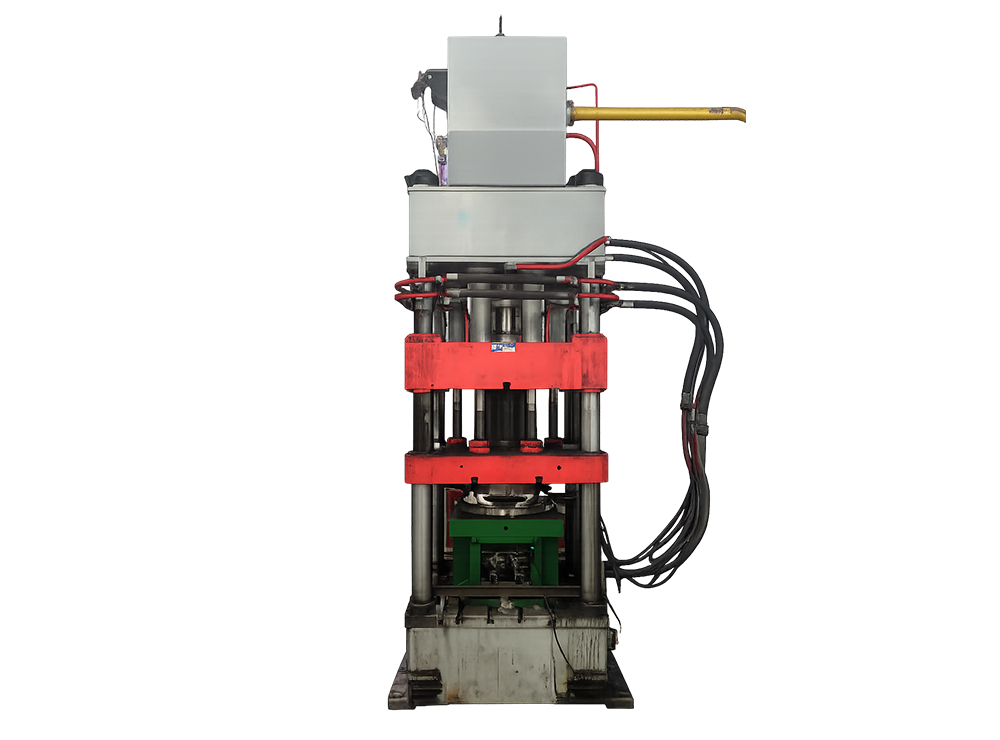
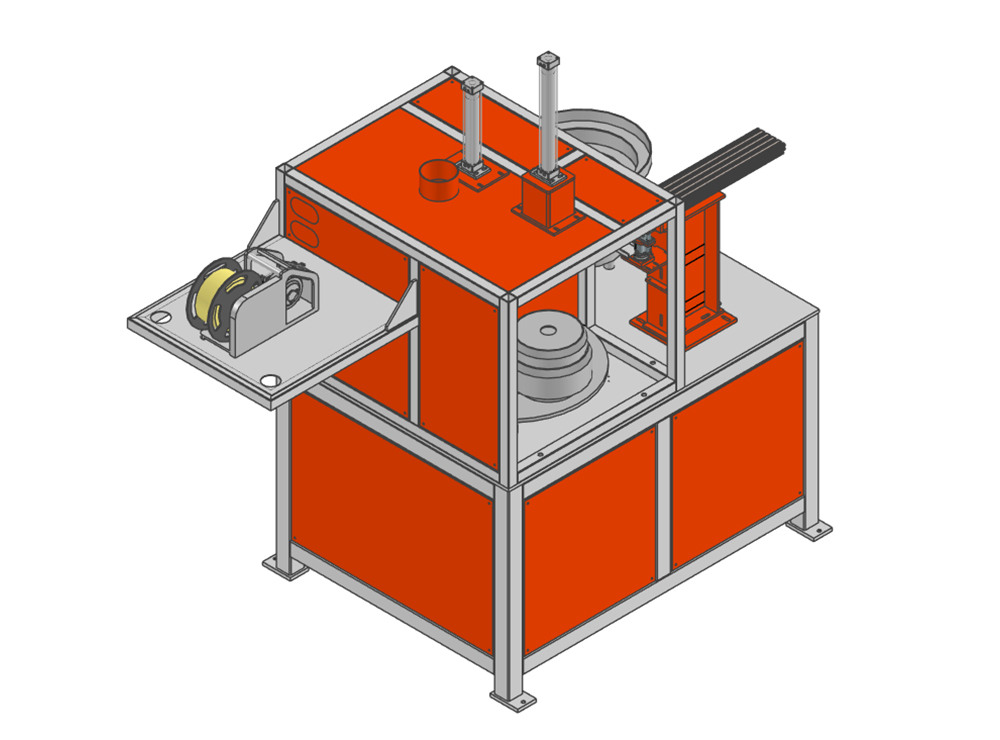
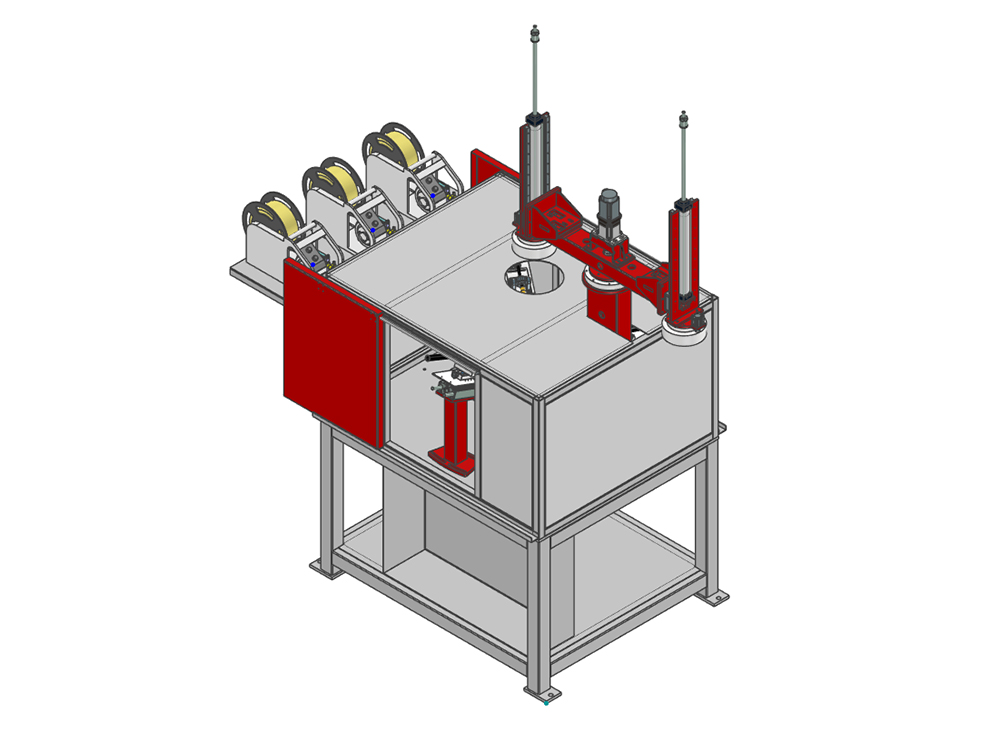
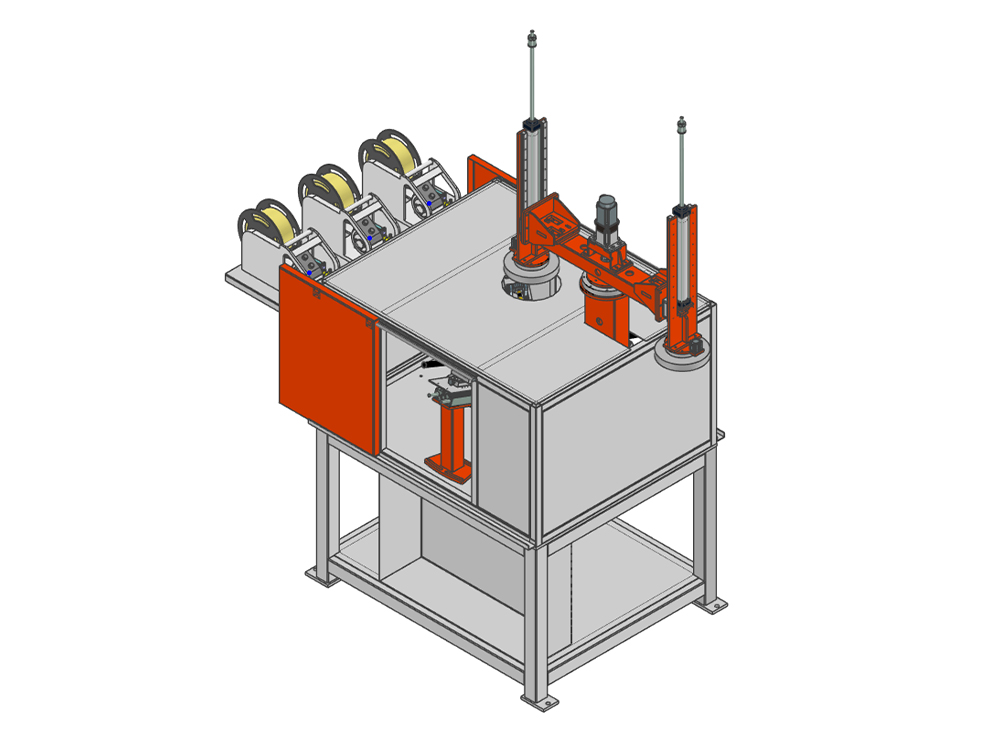
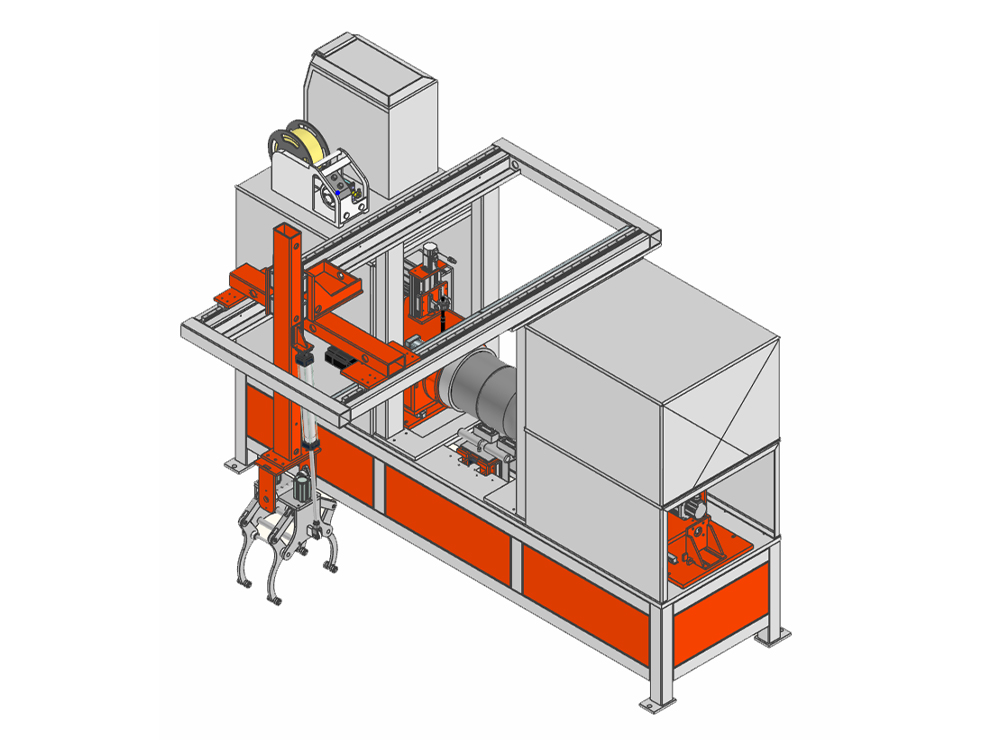
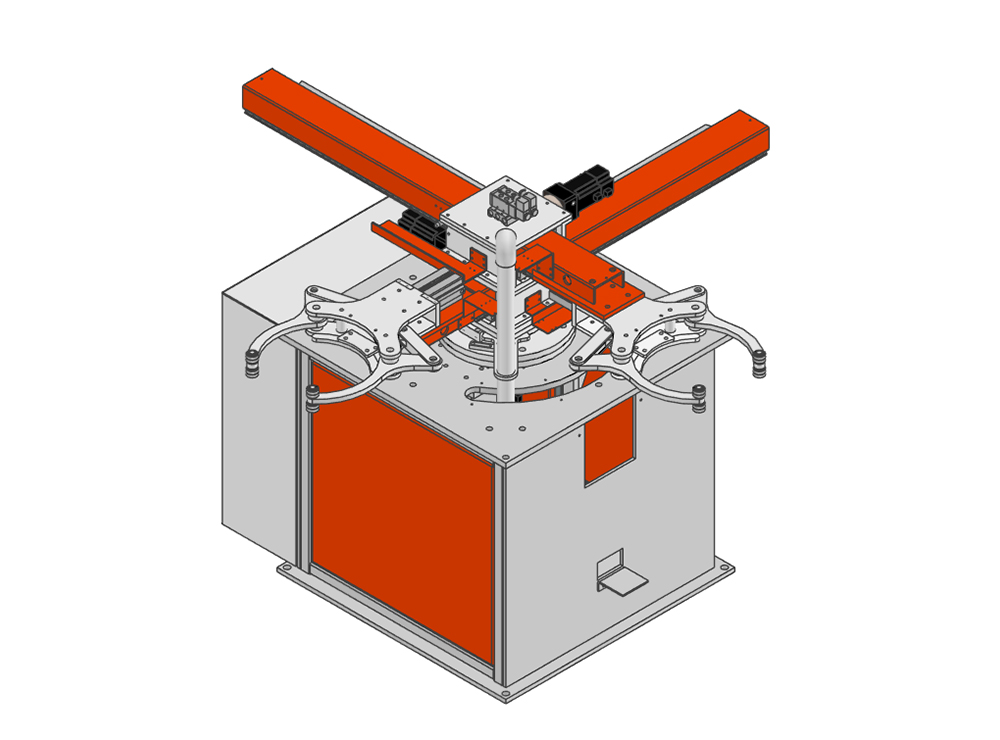
A complete lpg cylinder production line may include material feeding, deep drawing, trimming, valve seat welding, handguard and base welding, circumferential welding, heat treatment, surface coating, valve installation, and final inspection. Shuofang presents automated, semi-automated, and segmented production line configurations, which means the investment model should match the selected automation level instead of using one generic equipment price.
I also include import duties, inland transportation, insurance, exchange-rate exposure, spare parts, and taxes where applicable. If the equipment quotation excludes installation, training, testing fixtures, or commissioning support, those items must be added as separate project costs. A low equipment quotation can produce an inflated ROI if the financial model omits these necessary expenditures.
3. Calculate Production Revenue
Annual revenue is calculated from accepted production rather than total production. The formula is:
Annual revenue = Accepted cylinders sold × Average selling price per cylinder
Suppose a plant sells 887,040 accepted cylinders at an average price of $32 per unit. The estimated annual revenue is:
887,040 × $32 = $28,385,280
The selling price should be based on quotations from actual distributors, gas companies, industrial customers, and regional wholesalers. I avoid using a single optimistic price because LPG cylinder prices can vary by size, steel grade, certification, coating, valve type, order volume, and delivery terms.
Seasonal demand should also be included. A project serving household markets may experience different demand from one serving commercial or industrial buyers. I normally apply monthly or quarterly sales assumptions so that inventory, receivables, and working capital are not underestimated.
4. Calculate Operating Costs and LPG Cylinder Production Profit Margin
Operating expenses consist of variable costs and fixed costs. Variable costs increase with production volume, while fixed costs remain relatively stable within the plant’s operating range.
Important variable costs include:
- Steel sheet or steel coil
- LPG valves and valve components
- Welding wire, electrodes, and shielding gas
- Paint, powder coating, and surface-treatment materials
- Electricity, natural gas, compressed air, and water
- Packaging and handling
- Direct production labor
- Scrap disposal and rework
Fixed or semi-fixed expenses may include management salaries, maintenance staff, rent, insurance, laboratory costs, software, security, certification renewals, environmental monitoring, and equipment depreciation.
For an illustrative calculation, assume the following annual costs:
| Cost item | Annual amount |
|---|---|
| Steel and major components | $17,740,800 |
| Utilities and consumables | $1,772,000 |
| Direct labor | $1,420,000 |
| Maintenance and spare parts | $710,000 |
| Administration and compliance | $850,000 |
| Logistics and selling expenses | $1,060,000 |
| Total operating cost | $23,552,800 |
With annual revenue of $28,385,280, operating profit before depreciation, financing, and tax would be:
$28,385,280 − $23,552,800 = $4,832,480
The operating profit margin would be:
$4,832,480 ÷ $28,385,280 × 100 = 17.02%
This is an illustrative model, not a market benchmark. I would replace every assumption with supplier quotations, local labor rates, utility tariffs, tax rules, financing terms, and verified customer prices before approving investment.
5. Include Quality, Compliance, and Safety Costs
LPG cylinder manufacturing has safety-related costs that cannot be treated as optional overhead. Each cylinder may require dimensional inspection, weld inspection, hydrostatic pressure testing, air leakage testing, coating checks, marking, traceability, and certification according to the target market’s regulations.
The compliance budget may include:
- Product certification and registration
- Pressure testing equipment and calibration
- Air leakage testing systems
- Welding procedure qualification
- Material certificates and traceability systems
- Environmental approvals and emissions controls
- Fire protection and emergency response systems
- Worker safety training and protective equipment
- Periodic inspection and certification renewal
Shuofang’s equipment range includes hydro testing machines, air leakage testing machines, valve mounting machines, welding equipment, coating lines, and other supporting machinery. When I prepare an ROI model, I assign costs to these functions individually so that testing capacity and compliance spending are connected to the production plan.
A plant that reduces testing or safety expenditure may show a higher spreadsheet ROI but face rejected batches, regulatory penalties, customer claims, or production stoppages. Avoided downtime and lower rework should be included as financial benefits only when they are supported by measured cycle-time, defect-rate, or maintenance data.
6. Calculate Net Profit and Standard ROI
The standard formula is:
ROI = Annual net profit ÷ Total project investment × 100
Assume the project requires the following total investment:
| Investment item | Amount |
|---|---|
| Land and site preparation | $1,500,000 |
| Construction and utilities | $3,800,000 |
| Production equipment | $7,200,000 |
| Installation and commissioning | $950,000 |
| Certification and pre-operating expenses | $350,000 |
| Initial working capital | $2,200,000 |
| Contingency reserve | $1,000,000 |
| Total investment | $17,000,000 |
If annual operating profit is $4,832,480, depreciation is $900,000, financing cost is $520,000, and tax is $682,496, estimated net profit is:
$4,832,480 − $900,000 − $520,000 − $682,496 = $2,729,984
The resulting ROI is:
$2,729,984 ÷ $17,000,000 × 100 = 16.06%
This worked example shows why ROI should be calculated from net profit when comparing investor returns. If the calculation uses operating profit instead, it may overstate the cash available after depreciation, interest, and tax.
How Factory Ramp-Up Changes the ROI Result
A realistic financial model should show at least a three-year ramp-up rather than applying mature production to every year. I may use 55% utilization in Year 1, 75% in Year 2, and 88% in Year 3, subject to confirmed sales contracts and equipment capability.
The model should also include commissioning delays. A two-month delay can reduce first-year output by approximately 16.7% before considering additional training or quality issues. If the plant has a 4% rejection rate instead of the planned 2%, the business loses both material value and production capacity.
I recommend building three scenarios:
| Scenario | Utilization | Yield | Selling price | Main purpose |
|---|---|---|---|---|
| Conservative | 55%–70% | 93%–95% | 5% below base | Tests downside exposure |
| Base case | 70%–85% | 96%–98% | Verified market price | Supports normal planning |
| Upside case | 85%–92% | 98%–99% | 3%–5% above base | Tests capacity potential |
The output should be a year-by-year cash flow statement rather than one annual ROI percentage. This reveals whether the project can fund inventory, survive weak demand, and meet loan payments during the early operating period.
Combine ROI With Break-Even and Payback Period Analysis
An LPG cylinder manufacturing break-even analysis identifies the output level at which total revenue equals total costs. The formula is:
Break-even volume = Fixed costs ÷ (Selling price per unit − Variable cost per unit)
If annual fixed costs are $3,540,000, selling price is $32, and variable cost is $26 per accepted cylinder, break-even volume is:
$3,540,000 ÷ ($32 − $26) = 590,000 cylinders
The plant must therefore sell approximately 590,000 accepted cylinders before it begins generating operating profit under these assumptions. I compare this volume with realistic first-year output and confirmed demand rather than with the line’s theoretical design capacity.
Payback period measures how long it takes to recover the original investment from cumulative cash flow. A simple formula is:
Payback period = Initial investment ÷ Annual cash flow
Using $17,000,000 of investment and $3,630,000 of annual after-tax cash flow, the simple payback period is approximately 4.68 years. A discounted payback calculation will usually be longer because it accounts for the time value of money.
ROI, payback period, NPV, and IRR answer different questions. ROI measures the profit generated relative to investment, payback measures recovery speed, NPV measures value after discounting future cash flows, and IRR estimates the project’s annualized return. DSCR adds a lender-focused test by comparing cash available for debt service with scheduled principal and interest payments.
Validate Assumptions Before Final Investment Approval
I validate equipment assumptions against written supplier quotations that specify capacity, cycle time, included equipment, installation scope, warranty, spare parts, training, and commissioning responsibilities. For Shuofang or any other supplier, I would request a process layout, utility list, production sample data, acceptance criteria, delivery schedule, and clear exclusions before finalizing the investment model.
Local operating inputs require the same level of checking. Steel prices should be confirmed for the required grade and thickness, while labor costs should reflect actual wages, benefits, overtime, and technical staffing. Electricity, gas, water, waste treatment, freight, taxes, insurance, and financing rates should be based on current local quotations rather than broad estimates.
I also test the model with sensitivity analysis. A 10% increase in steel cost, a 5% decline in selling price, a 10-percentage-point reduction in utilization, a two-month commissioning delay, or a 3% increase in rejection can materially change ROI and payback. The final investment decision should be based on the downside case’s NPV, DSCR, break-even volume, and cash reserve requirement, not only on the base-case ROI.
Practical Ways to Improve Project ROI
The most defensible improvements come from measurable operating changes. Reducing steel scrap by 1% may improve material cost per accepted cylinder, while reducing rejection from 4% to 2% increases sellable output without adding the same level of fixed cost. Shorter changeover time can also increase annual production when the plant serves several cylinder sizes.
Automation should be evaluated through labor savings, cycle-time improvement, defect reduction, safety benefits, and maintenance requirements. A fully automated line may require more capital than a segmented or semi-automated line, so I compare the additional investment with the expected annual cash benefit and financing burden.
Working-capital control is another direct ROI factor. Shorter customer payment terms, better steel purchasing schedules, lower finished-goods inventory, and reliable valve supply can reduce the amount of capital tied up in operations. These improvements may increase investor return even when the production line itself remains unchanged.
Conclusion
How to Calculate ROI for an LPG Cylinder Manufacturing Project requires more than dividing estimated profit by equipment cost. I first calculate total investment, including land, construction, LPG cylinder manufacturing equipment, installation, compliance, commissioning, and working capital. I then model accepted production, revenue, steel and component consumption, operating costs, rejection rates, taxes, financing, annual cash flow, break-even volume, payback period, NPV, IRR, and DSCR.
The worked example produced a 16.06% net ROI, but that figure is meaningful only if its assumptions are supported by supplier quotations, local costs, confirmed selling prices, and a realistic factory ramp-up. Before investing, I would obtain a detailed production-line proposal from suppliers such as Shuofang, verify testing and certification requirements, and run conservative, base, and upside scenarios. This process provides a clearer basis for deciding whether the proposed LPG cylinder manufacturing project can generate acceptable returns under actual operating conditions.