How to Build an LPG Cylinder Manufacturing Plant from Scratch
Aug.13, 2026
Building an LPG cylinder manufacturing plant presents significant challenges for aspiring entrepreneurs. Users may grapple with questions like: "What are the essential components I need?" or "How do I ensure safety and compliance?" In addressing these concerns, it’s crucial to define the business model, understand the market demand, and navigate regulatory requirements on LPG cylinder production. By taking a structured approach, potential manufacturers can overcome obstacles and aim for efficient operations.
How to Build an LPG Cylinder Manufacturing Plant from Scratch
Before diving into the manufacturing process, you need to gather necessary materials and tools. Below is a checklist of prerequisites:
- Market Research: Conduct comprehensive analysis on market demand; recent statistics indicate a 10% annual growth in LPG consumption globally.
- Business Plan: Outline capital investments, projected operational costs, and revenue forecasts.
- Location & Infrastructure: Secure an industrial space of at least 10,000 square feet, ensuring it's compliant with local zoning laws.
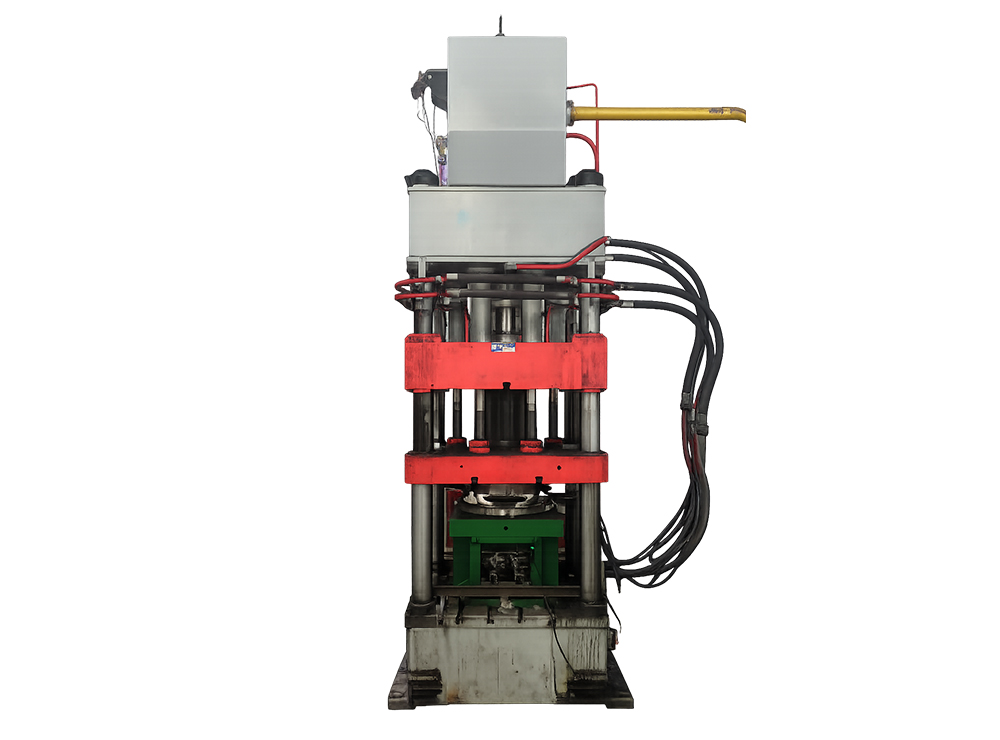
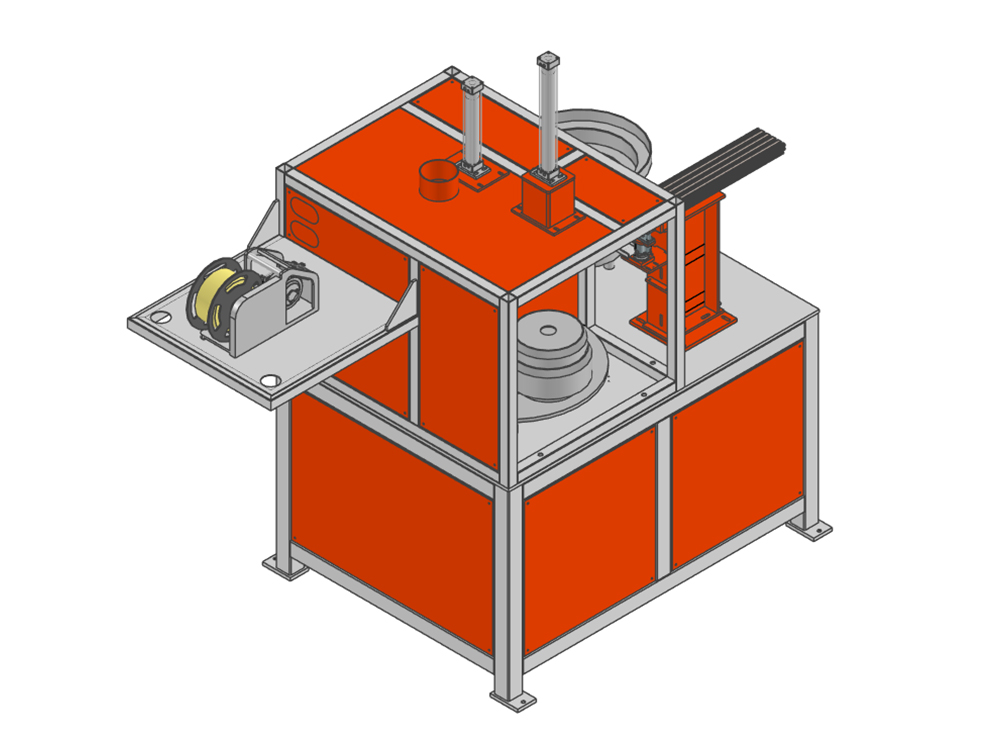
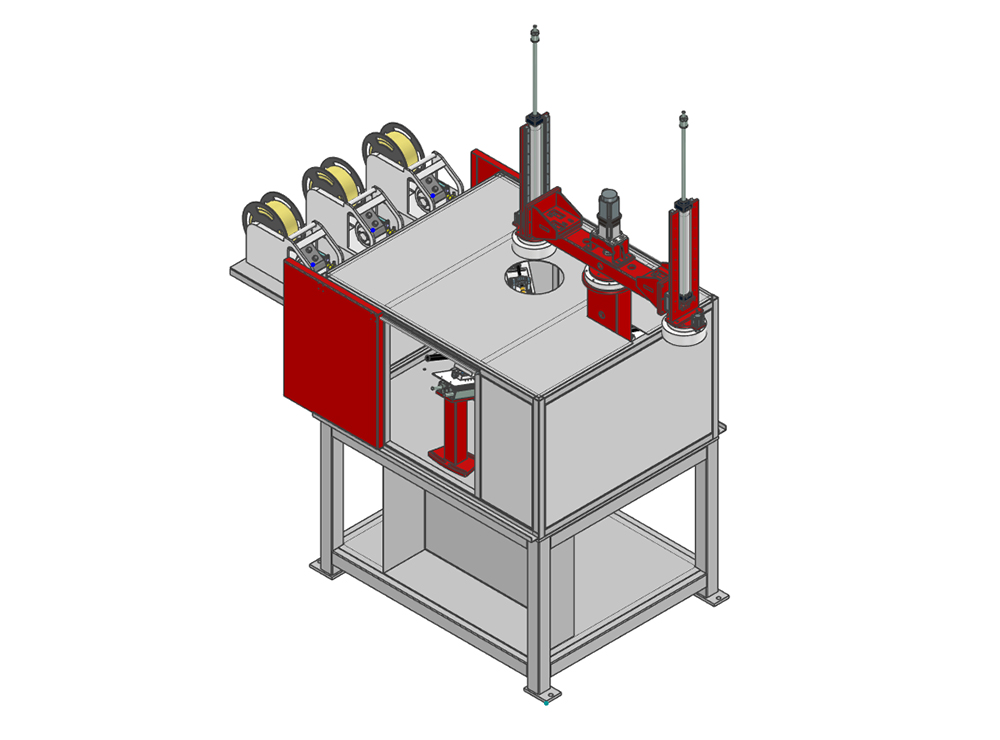
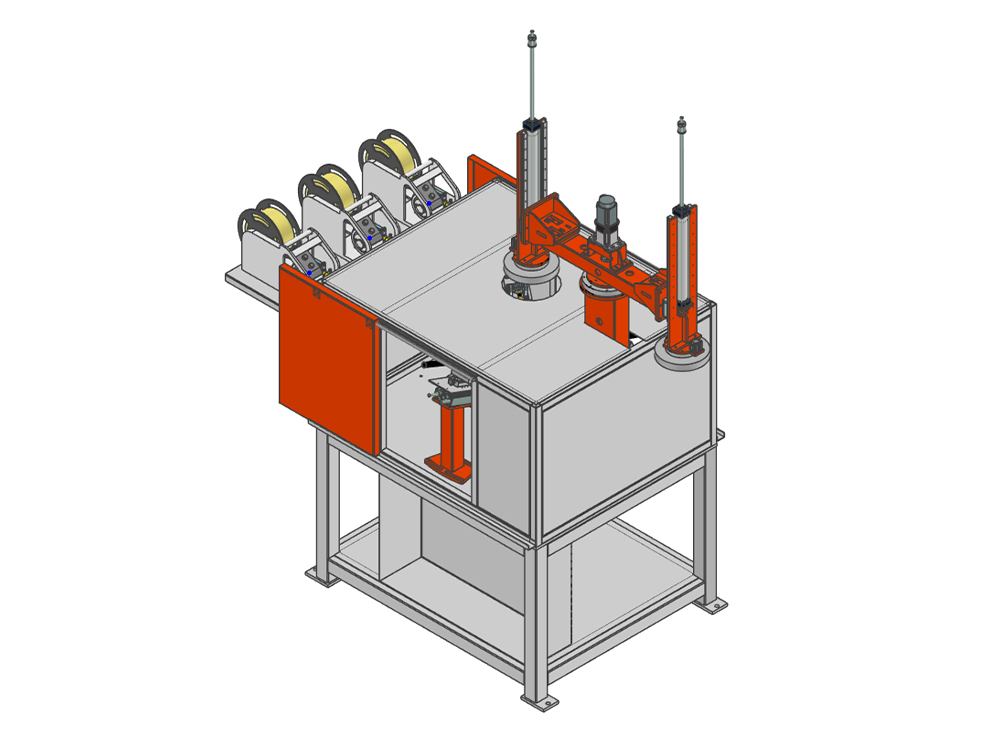
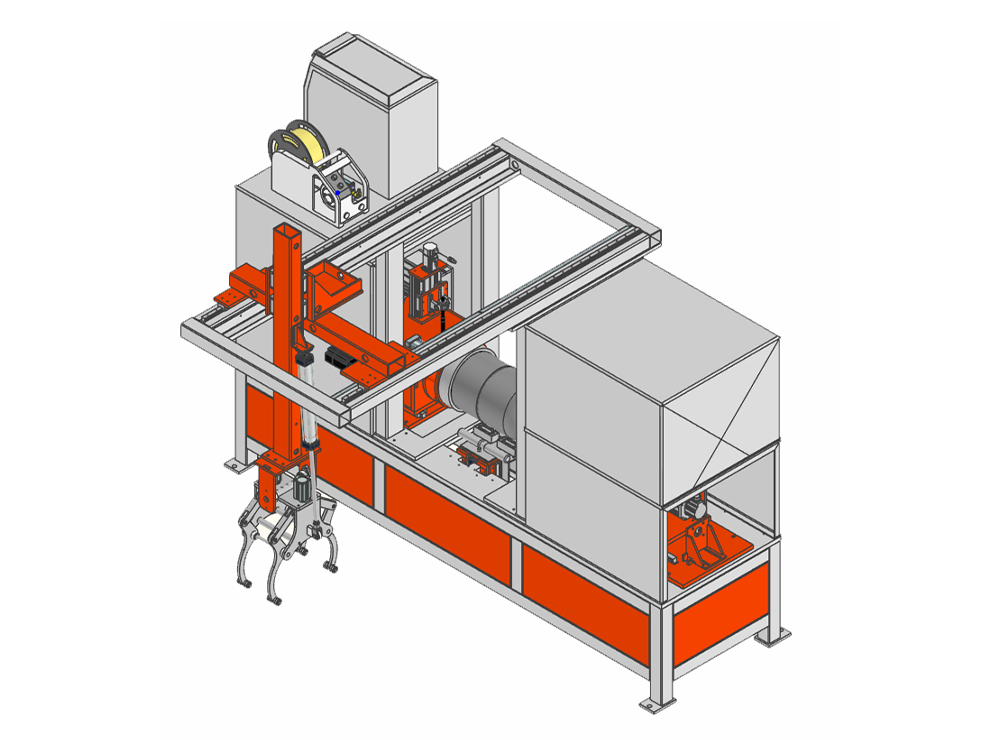
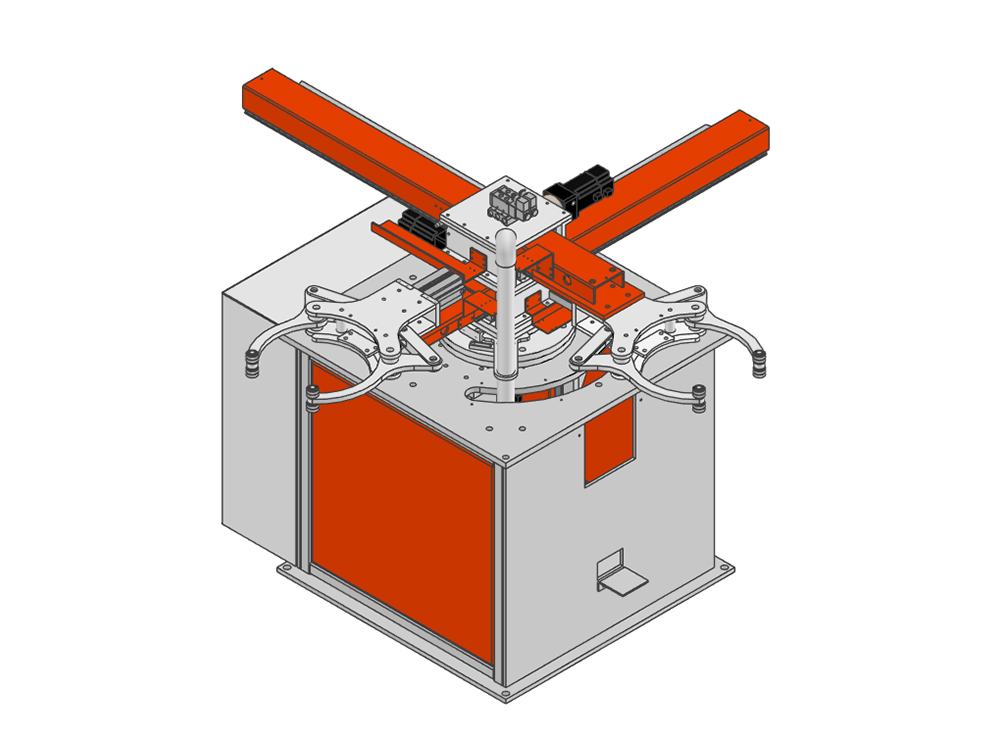
- Machinery and Tools: Purchase essential equipment such as cylinder rolling machines, welding machines, and testing equipment.
Required Preparation to Start Your LPG Cylinder Production Lines
Setting up your manufacturing plant involves systematic organization. Follow these steps:
- Step 1: Site Selection and Factory Layout
Choose a facility near a transportation hub. The layout should promote safety and efficiency, addressing key areas: receiving raw materials, assembly lines, and testing zones. - Step 2: Acquire Necessary Permits and Licenses
Comply with national and state regulations regarding LPG cylinder production. Engage with local authorities to ensure all permits are secured. - Step 3: Sourcing Raw Materials
Order high-quality steel plates, valves, and fittings from reputable suppliers like Shuofang, ensuring they meet established industry standards. - Step 4: Set Up Machinery and Equipment
Install all machinery, ensuring operational efficiency. For example, using state-of-the-art welding machines can reduce welding time by up to 40% based on production metrics. - Step 5: Hire Skilled Workforce
Recruit certified welders and assembly line workers. Provide training on safety regulations and equipment usage, focusing on minimizing workplace accidents—which can occur at a rate of 2.5 injuries per 100 workers in manufacturing. - Step 6: Implement Quality Control Procedures
Design a thorough quality assurance checklist. Research shows a robust QC system can reduce defect rates by up to 50%. - Step 7: Marketing and Sales Strategies
Develop a marketing plan to establish branding. Utilize online platforms to reach potential distributors and clients within the LPG sector.
Step-by-Step Guidance on Setting Up Your LPG Cylinder Manufacturing Plant
Common Errors and Solutions in LPG Cylinder Manufacturing
Being aware of potential pitfalls can save you time and resources. Here are common errors and their solutions:
- Overlooking Safety Standards: Ensure compliance with safety laws to avoid costly fines. Regular training for employees is crucial.
- Insufficient Market Research: Avoid assumptions; utilize real data to inform production choices. Analyze consumer behavior patterns to tailor your LPG offerings.
- Lack of Quality Control: Products must pass rigorous testing. Implement regular audits to maintain high standards and customer satisfaction.
Summary and Recommendations
Building an LPG cylinder manufacturing plant requires careful planning and knowledge. Focus on understanding the industry, obtaining certified suppliers, and ensuring compliance with safety regulations. To streamline operations, consider installing advanced production lines, like those from Shuofang, known for their efficiency and reliability. Equip your workforce with the right tools and knowledge, ensuring they are motivated and skilled.
Frequently Asked Questions (FAQ)
Q1: What are the startup costs for an LPG cylinder plant?
A1: The initial investment can range from $250,000 to $1 million, depending on equipment, location, and scale of operations.
Q2: How long does it take to set up the plant?
A2: Typically, it can take from 6 to 12 months to fully operationalize a manufacturing plant, factoring in land acquisition, construction, and machinery installation.
Q3: What is the demand forecast for LPG cylinders?
A3: Current forecasts suggest an increase in demand of approximately 8-10% annually, driven by growth in developing economies and energy sectors.