How Surface Finishing Affects LPG Cylinder Service Life and Safety
Sep.14, 2026
Surface finishing is a corrosion-control and safety process for LPG Gas Cylinders. It includes cleaning, abrasive blasting, surface preparation, coating application, curing, inspection, and maintenance. How Surface Finishing Affects LPG Cylinder Service Life and Safety depends on the complete system: the steel surface must be prepared correctly, the coating must suit the operating environment, application must meet the specified thickness, and defects must be identified before corrosion reduces wall integrity.
!
What Is LPG Cylinder Surface Finishing?
LPG cylinder surface finishing is the controlled treatment of the cylinder’s external and, where required, internal surfaces after forming, welding, heat treatment, and testing. The external process normally includes degreasing, removal of mill scale and rust, abrasive blasting or mechanical preparation, primer or powder application, curing, marking, and final inspection. Its main purpose is to separate the steel from water, oxygen, salts, chemicals, and repeated handling damage.
In practical production, surface finishing is connected to more than appearance. A coating system can slow external corrosion, preserve readable markings, reduce the development of pits, and help inspectors identify damage during future examinations. It cannot compensate for incorrect steel thickness, defective welds, failed hydrostatic testing, excessive deformation, or a cylinder that has already exceeded its permitted service condition.
I treat the finish as one part of a larger safety chain. The cylinder must first satisfy material, forming, welding, heat-treatment, pressure, and leakage requirements; the coating then helps preserve that condition during storage, transport, filling, and use.
How Surface Finishing Affects LPG Cylinder Service Life and Safety
The causal chain is direct: surface contamination or coating defects allow moisture and corrosive agents to reach the steel, corrosion removes wall material, wall loss changes the cylinder’s pressure-resistance margin, and inspection may reject the cylinder or require retirement. A blister, exposed weld area, deep scratch, or rust pocket may therefore indicate more than a cosmetic problem. It can be an early sign that the protective barrier has failed.
Service life is influenced by four connected conditions:
- Surface preparation determines whether the coating can bond to the steel.
- Coating selection determines resistance to humidity, salt, chemicals, ultraviolet exposure, and handling.
- Application and curing determine whether the coating forms a continuous protective film.
- Inspection and maintenance determine how quickly damage is found and corrected.
Poor adhesion can cause peeling around the valve guard, foot ring, weld seams, or contact points. Insufficient coating thickness can leave the steel vulnerable at edges and high-wear areas, while excessive thickness may conceal defects, crack during handling, or interfere with markings and dimensional requirements. Flash rust that develops between blasting and coating can also reduce adhesion if it is not removed before application.
From Corrosion to Inspection Rejection
External rust does not always mean immediate cylinder failure, but it requires assessment. Surface rust may be removed and recoated when the underlying steel remains within the permitted dimensional and structural limits. Pitting, deep corrosion, sharp gouges, distorted areas, damaged welds, or leakage indications require a qualified inspection decision rather than simple repainting.
A coating can hide corrosion if the inspection process relies only on visual appearance. For this reason, refurbishment should include coating removal in suspect areas, measurement of remaining wall thickness where required, examination of welds and attachments, and confirmation that hydrostatic or other mandated tests remain valid. The final decision should be recorded by cylinder identification number, inspection date, defect type, repair action, and release status.
The Surface Preparation Process
Cleaning Before Abrasive Blasting
Before blasting, I would remove oil, grease, dirt, salt deposits, old loose paint, welding residue, and other contaminants. Solvent cleaning, alkaline cleaning, hot-water washing, or a combination may be selected according to the contamination level and the coating manufacturer’s process sheet. Cleaning must also address the valve area, foot ring, handguard, weld seams, and recesses where moisture and debris collect.
A surface that looks dry may still contain soluble salts or oil. If these remain beneath the coating, they can cause blistering, underfilm corrosion, or loss of adhesion. Cleaning records should identify the method used, the responsible operator, and the inspection result before blasting begins.
Abrasive Blasting and Surface Profile
Abrasive blasting removes rust, mill scale, old coating, and weak surface layers while creating a profile that allows mechanical bonding. The abrasive type, cleanliness, nozzle pressure, distance, angle, and exposure time should be controlled so that the steel is prepared without thinning edges or damaging weld details.
The required cleanliness grade and surface profile should come from the selected coating system and applicable cylinder standard. Profile depth can be checked with a suitable comparator or electronic instrument, while visual cleanliness should be examined under adequate lighting. Blasting media must be dry and free from oil or contaminants that could be transferred to the cylinder.
Why Surface Preparation Is Important Before Coating
Surface preparation often determines more of the final coating life than the paint or powder brand. If rust remains in pits, the coating may bridge over unstable material and later lift from the surface. If blasting dust remains, the first coating layer may bond to dust instead of steel.
After blasting, cylinders should be protected from rain, condensation, and high humidity. Flash rust must be evaluated before coating, especially in coastal or humid production areas. The prepared surface should be coated within the qualified time window established for the facility, environmental conditions, and coating system.
Powder Coating for LPG Cylinders Versus Liquid Paint
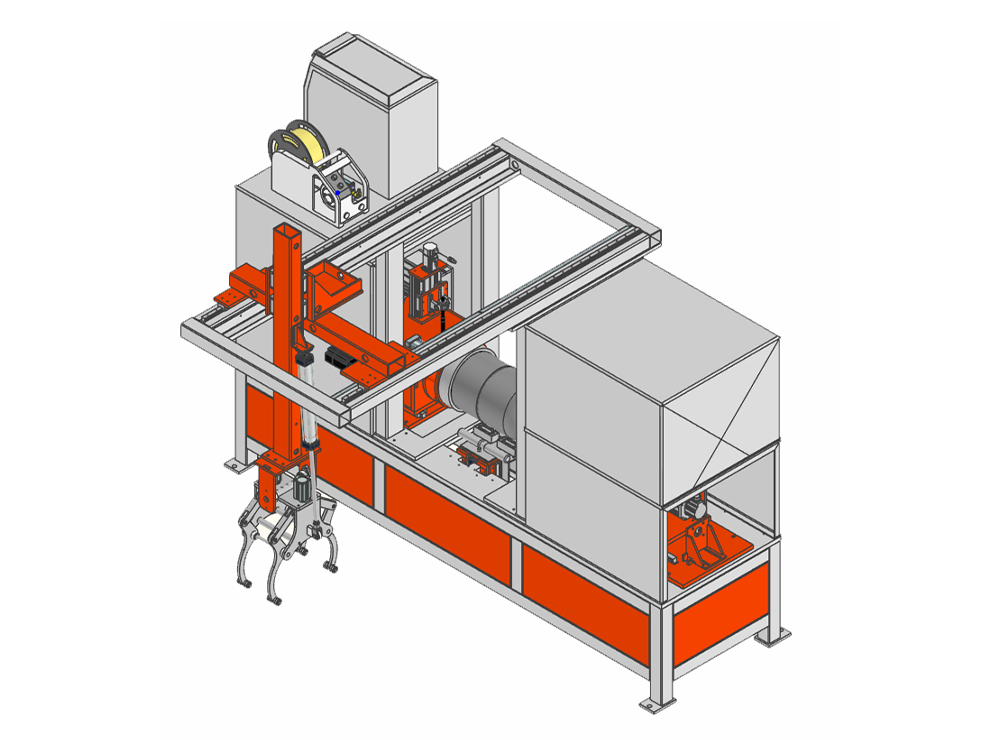
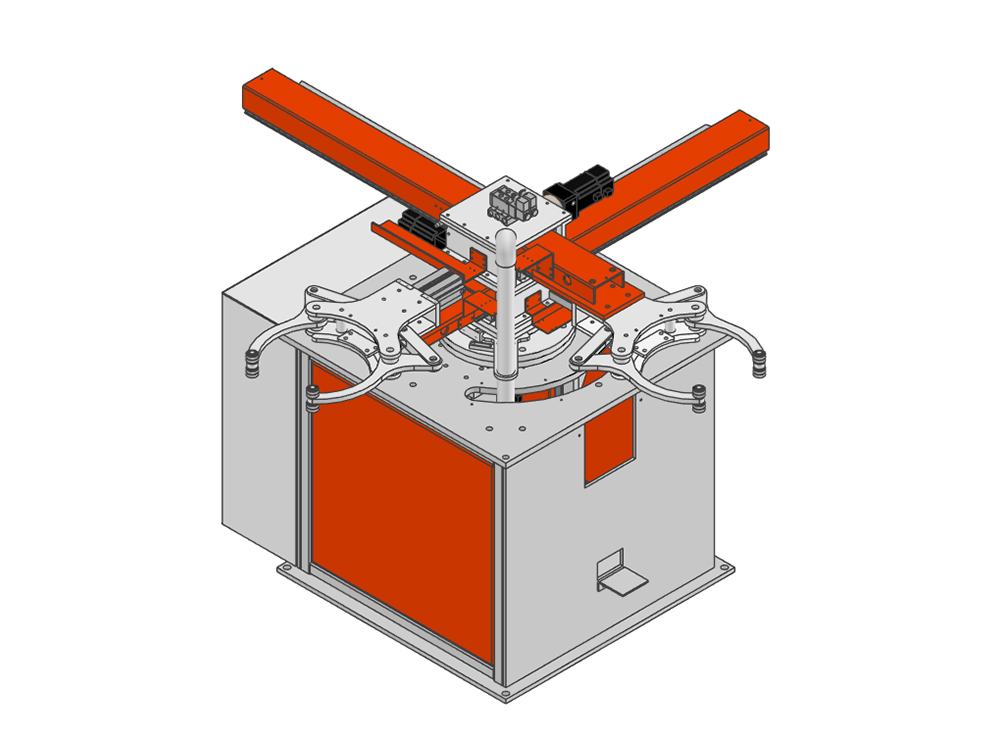
Powder coating for LPG cylinders uses electrically charged dry powder that is deposited on the grounded steel cylinder and then cured in an oven. When the process is controlled, the cured film can provide uniform coverage and resistance to routine handling. It is commonly integrated with a production line that includes blasting, powder application, oven curing, cooling, marking, and inspection.
Liquid paint systems use one or more wet-applied layers, such as primer, intermediate coat, and topcoat. They can be useful for repair work, small production volumes, color changes, and localized touch-up. However, solvent evaporation, application technique, recoat intervals, humidity, and curing conditions can affect the final result.
| Factor | Powder coating | Liquid paint |
|---|---|---|
| Main use | Factory production and repeatable batch finishing | Production, refurbishment, and localized repair |
| Application control | Electrostatic deposition and oven curing | Spray, brush, or roller with wet-film control |
| Common risk | Poor grounding, Faraday-cage areas, under-cure, excessive film thickness | Runs, sags, solvent entrapment, poor recoat adhesion |
| Repair method | Damaged areas may require compatible liquid repair coating | Easier to blend during field touch-up |
| Environmental sensitivity | Requires controlled powder storage and curing temperature | More sensitive to humidity, solvent evaporation, and recoat timing |
| Verification | DFT, cure assessment, adhesion, visual inspection | DFT, drying or cure assessment, adhesion, visual inspection |
Neither system is automatically suitable for every LPG cylinder. For humid inland locations, a qualified anti-corrosion system may be sufficient when storage is dry and handling is controlled. Coastal distributors need stronger attention to salt contamination, edge coverage, drainage, and frequent inspection. Industrial sites may require chemical resistance, while high-handling operations need a coating system selected for impact and abrasion exposure.
Choosing a Finish for Different Operating Environments
I use the service environment as the starting point rather than selecting a coating by color or initial price. The decision should include humidity, salt exposure, chemical contact, ultraviolet exposure, cylinder turnover, transport distance, storage arrangement, and the availability of inspection and repair personnel.
| Environment | Main exposure | Finishing priorities |
|---|---|---|
| Inland, relatively dry | Intermittent humidity and handling | Clean steel, consistent adhesion, complete edge coverage |
| Coastal or marine | Salt-laden moisture and frequent condensation | Salt removal, strong surface preparation, corrosion-resistant coating system |
| High-humidity region | Condensation, wet storage, slow drying | Controlled blasting-to-coating interval, moisture monitoring, sealed storage |
| Industrial area | Chemicals, dust, heat, mechanical contact | Chemical compatibility, abrasion resistance, documented curing |
| High-handling distribution | Scratches, impacts, stacked contact | Tough finish, foot-ring protection, rapid damage inspection and touch-up |
The finish should also be compatible with cylinder markings. Product identification, tare information, warning labels, inspection dates, and ownership markings must remain readable after coating. Coating should not obstruct the valve, pressure-relief components, weld inspection areas, or required identification marks.
Quality Control for LPG Cylinder Coating
A coating process should produce documented evidence rather than relying on appearance alone. At minimum, I would divide quality control into preparation, application, curing, and release records.
Preparation Controls
Preparation records should include cylinder batch number, pre-existing damage, cleaning method, blasting media, surface cleanliness, surface profile, and time between blasting and coating. The inspection team should also record ambient temperature, steel temperature, relative humidity, and any condensation risk when these factors affect coating performance.
Application and Thickness Controls
Dry-film thickness, or DFT, should be measured with a calibrated gauge at defined locations. Sampling plans may specify measurements around the cylinder body, upper and lower domes, weld seams, foot ring, and handguard because these areas do not receive coating in exactly the same way.
A single thickness reading is not enough to describe a batch. The acceptance range must be taken from the coating system specification, and out-of-range readings should trigger investigation rather than automatic release. Excessively thin areas should be repaired; excessively thick or poorly cured areas may require removal and reapplication.
Adhesion and Cure Checks
Adhesion checks should be performed using a method appropriate to the coating and production stage. A qualified cross-cut, pull-off, or other test can reveal whether the coating is bonded to the steel or only sitting on contamination. Test frequency should be defined by the quality plan, with additional checks after a material change, equipment adjustment, abnormal curing cycle, or repeated defect.
For powder coating, cure verification is essential because a film can look complete while remaining under-cured. Oven temperature, part temperature, dwell time, and load arrangement should be recorded according to the powder supplier’s technical requirements. Liquid coatings require control of mixing ratio, pot life, wet-film thickness, drying time, and recoat interval.
How to Inspect and Maintain LPG Cylinder Surface Finishes
LPG cylinder coating inspection should begin with a visual examination before filling, after transport damage, and during periodic cylinder inspection. I would look for blistering, cracking, peeling, exposed steel, rust staining, underfilm corrosion, impact marks, coating loss at the foot ring, and damage around the handguard and valve area.
A practical maintenance checklist includes:
- Confirm cylinder identification and inspection status.
- Check the entire circumference, both domes, weld seams, foot ring, and handguard.
- Remove loose coating and rust from damaged areas before repair.
- Determine whether pitting or wall loss requires technical assessment.
- Use compatible touch-up materials and follow surface-preparation requirements.
- Confirm that markings remain legible after repair.
- Record the defect, location, coating material, operator, date, and release decision.
- Retire cylinders with unacceptable deformation, severe corrosion, failed testing, leakage, or damage beyond approved repair limits.
Inspection intervals should follow the cylinder’s applicable regulations, owner procedures, and service classification. A fixed repainting schedule cannot replace condition-based inspection because two cylinders with the same age may experience very different humidity, handling, and chemical exposure.
External Finishing and Internal Surface Requirements
Most LPG cylinder finishing concerns involve the external surface, but internal cleanliness is a separate safety issue. The interior must be free from loose scale, moisture, oil, abrasive residue, welding debris, and other contaminants that could affect the gas service or valve components.
Specialty or high-purity applications may require internal cleaning, drying, passivation, or material-compatibility controls beyond ordinary external painting. Internal coatings should never be applied without verifying compatibility with LPG, pressure conditions, temperature range, curing requirements, and applicable approvals. An external powder coating cannot correct internal contamination or an unsuitable internal surface.
Hydrostatic testing, air leakage testing, valve inspection, and coating inspection should remain separate but coordinated activities. A cylinder should not be released solely because its external finish appears intact.
The Role of Shuofang in LPG Cylinder Production
Shuofang, formally Henan Shuofang Intelligent Equipment Co., Ltd., presents LPG Gas Cylinders and the associated manufacturing equipment as part of a complete production-line approach. Its listed equipment includes shot blasting machines, powder coating lines, hydro testing machines, air leakage testing machines, welding equipment, and other cylinder-production systems.
This equipment sequence matters because surface finishing is most reliable when it is connected to upstream forming, welding, heat treatment, pressure testing, and downstream inspection. Shuofang describes an operating production base, customized automated and semi-automated lines, installation and training support, and equipment applications for domestic and overseas projects. For a buyer evaluating an LPG cylinder surface finishing service or production line, the practical questions should concern process records, coating specifications, inspection equipment, operator training, spare parts, and after-sales support rather than equipment appearance alone.
A Practical Lifecycle Plan for Cylinder Finishing
A complete lifecycle plan begins with a qualified finish at manufacture and continues through every filling and distribution cycle. New cylinders should receive documented preparation, coating, curing, and release inspection. During service, distributors should separate routine visual checks from formal periodic examinations and should quarantine cylinders when damage exposes steel or raises concern about structural condition.
Refurbishment should follow a controlled sequence:
- Identify the cylinder and review its inspection history.
- Depressurize, clean, and isolate it according to approved procedures.
- Inspect for deformation, leakage, corrosion, damaged welds, and attachment defects.
- Remove failed coating and corrosion from affected areas.
- Measure or assess remaining wall condition where necessary.
- Refinish only when the cylinder remains suitable for continued service.
- Verify coating thickness, adhesion, appearance, markings, and required tests.
- Record the release decision or retirement reason.
This approach reduces the risk of treating structural corrosion as a painting problem. It also provides traceability when a distributor manages thousands of cylinders across different storage and transport conditions.
Conclusion
How Surface Finishing Affects LPG Cylinder Service Life and Safety can be answered through the complete process: proper cleaning and abrasive blasting improve adhesion, a suitable coating protects steel from moisture and corrosion, controlled curing creates a continuous film, and documented inspection identifies defects before they become structural concerns. Surface finishing extends service life only when it is combined with pressure testing, leakage control, cylinder inspection, and correct retirement decisions.
For LPG cylinder manufacturers, gas distributors, and refurbishment workshops, the next step is to create a written finishing specification covering surface cleanliness, blasting, environmental conditions, coating type, thickness range, curing, adhesion, inspection frequency, and repair limits. Facilities in coastal, humid, industrial, or high-handling environments should apply additional inspection controls based on actual exposure. The coating is a protective barrier, but cylinder safety depends on the barrier, the steel, the testing program, and the records working together.