How Powder Coating Improves the Durability and Appearance of LPG Cylinders
Oct.06, 2026
When I evaluate How Powder Coating Improves the Durability and Appearance of LPG Cylinders, I focus on two connected outcomes: protection of the steel substrate and consistent visual quality. Powder coating creates a continuous thermoset film that can resist corrosion, moisture, ultraviolet exposure, impact, abrasion, and repeated handling when the surface is correctly prepared and the coating is fully cured. It also produces a uniform color and texture with fewer runs, sags, and solvent-related defects than many wet-paint applications.
The result depends on the complete LPG cylinder powder coating process, not powder alone. Cleaning, pretreatment, drying, electrostatic spraying, oven curing, inspection, and rework control must work as one production sequence. In this guide, I explain the process, the protection mechanisms, the quality-control points, and the equipment considerations for manufacturers producing household, commercial, and portable cylinders.
Key Takeaways
- Powder coating protects LPG cylinders through pretreatment, bonded film coverage, controlled curing, and resistance to repeated handling.
- Surface preparation determines adhesion, corrosion resistance, coating consistency, and the frequency of premature rework.
- A suitable coating system must match climate severity, corrosion exposure, cylinder handling, production volume, and operating budget.
- Proper curing requires verified part temperature and dwell time, rather than relying only on oven air temperature.
- Powder coating usually provides more consistent appearance and lower solvent emissions than conventional liquid painting.
- Cylinder coatings must be distinguished from coatings for large LPG storage tanks because geometry, throughput, and application conditions differ.
What You Need Before Starting
Before I select equipment or powder, I define the cylinder dimensions, steel grade, expected production rate, color requirements, exposure conditions, and inspection criteria. A 6-kilogram portable cylinder used indoors has different coating demands from a 15-kilogram commercial cylinder stored outdoors in a humid coastal region. I also identify whether the line will process new cylinders, refurbished cylinders, or both, because old coatings and corrosion require different preparation methods.
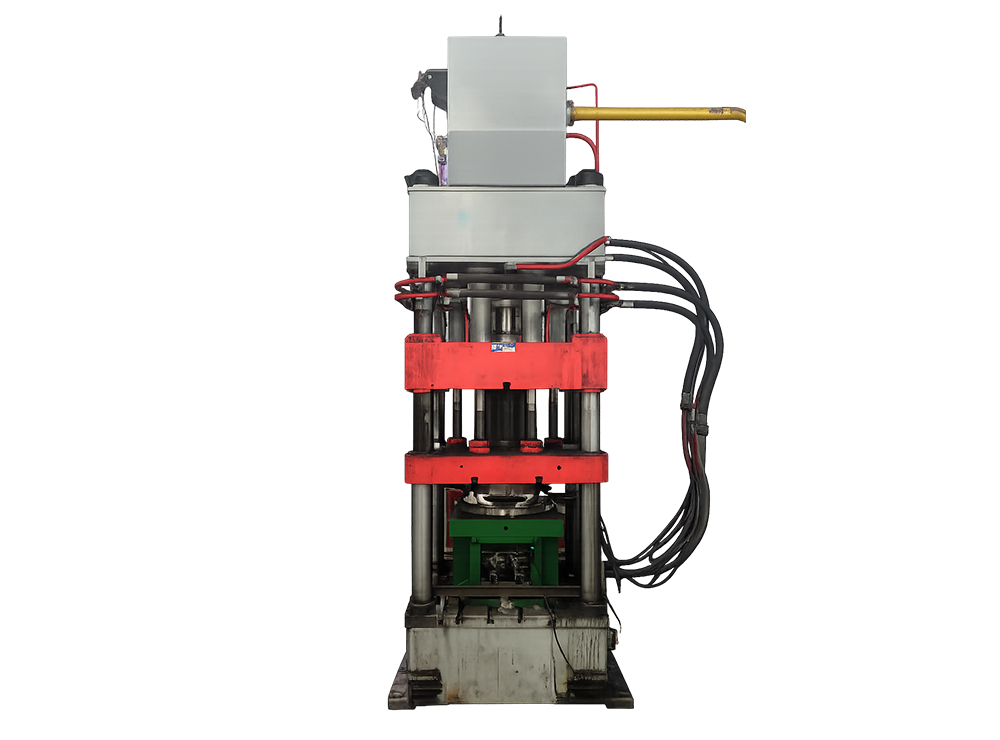
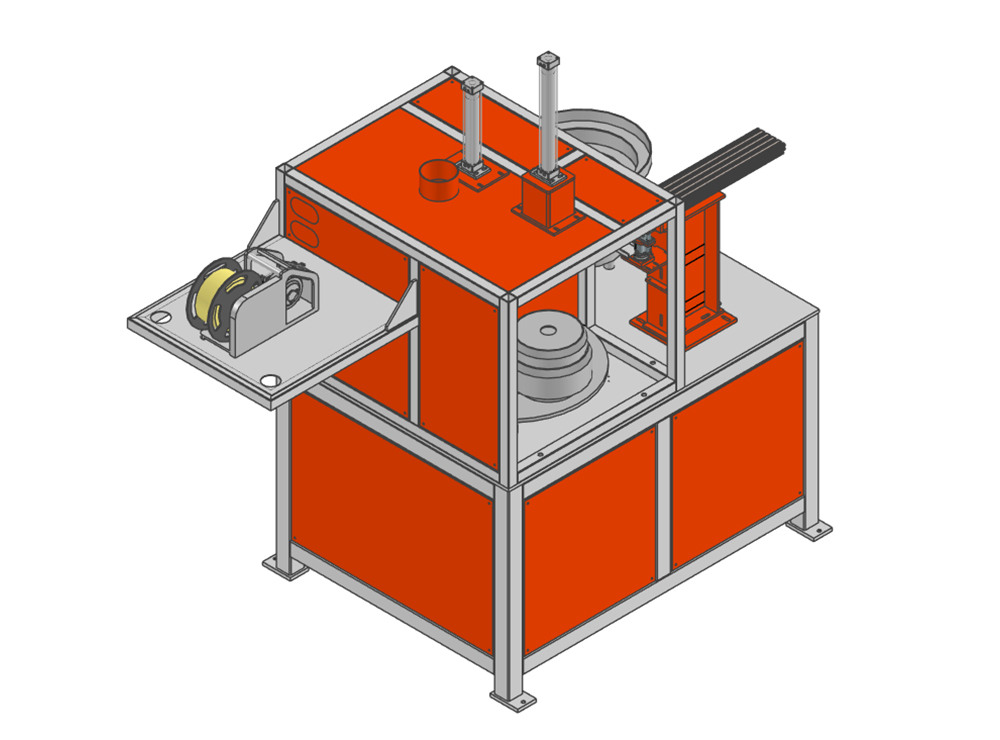
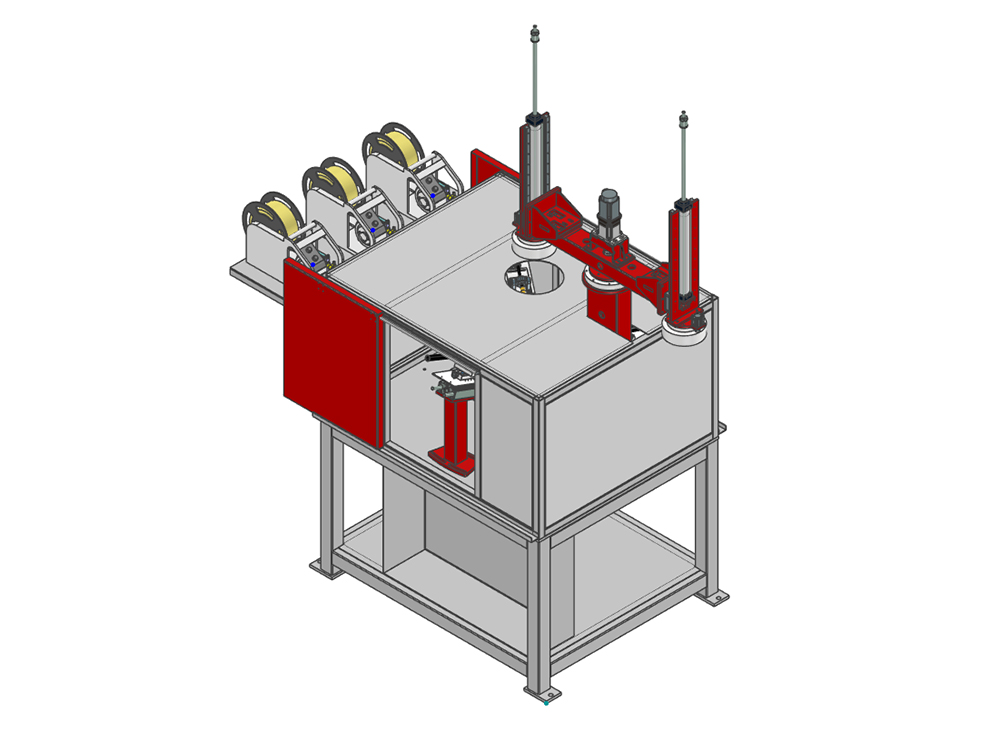
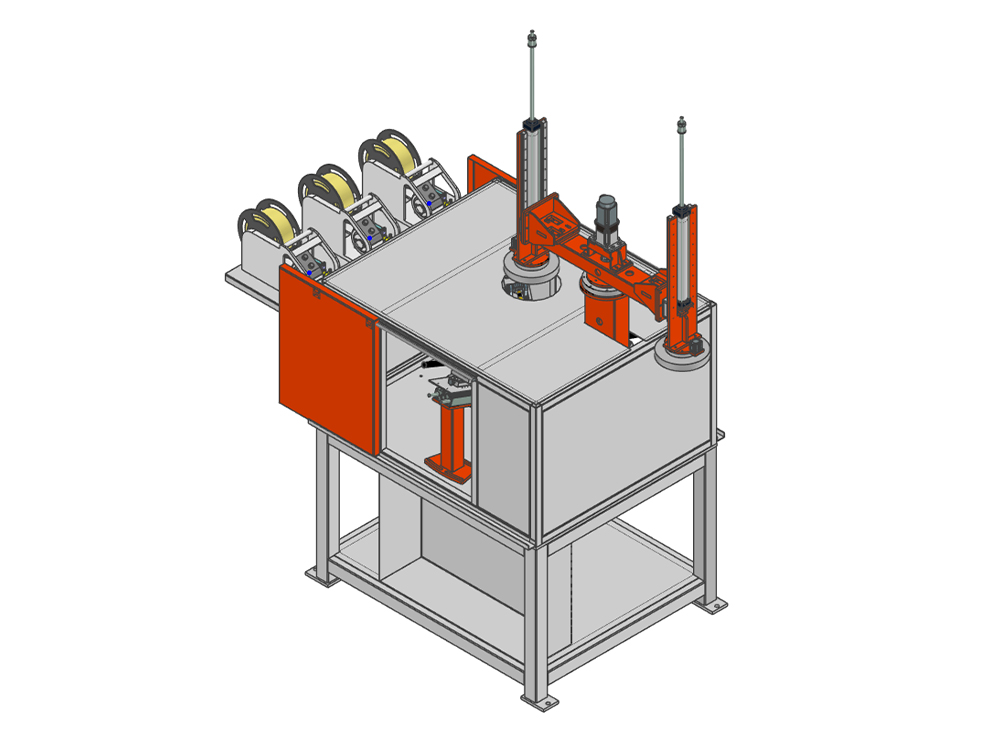
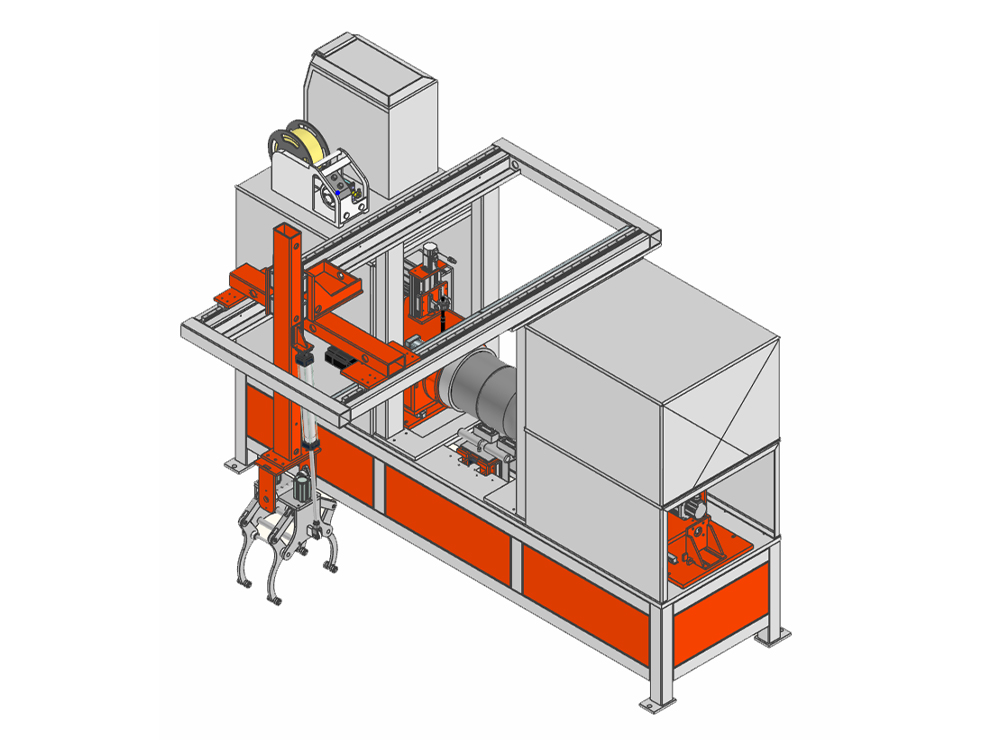
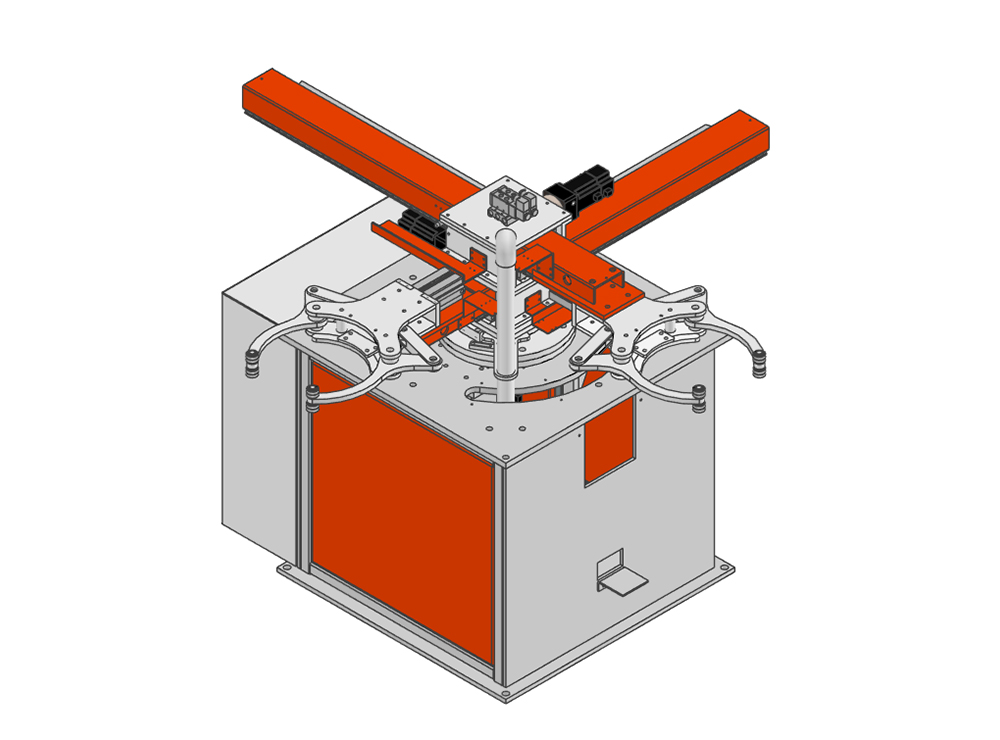
The main equipment normally includes a cleaning or pretreatment section, drying oven, electrostatic powder spray booth, curing oven, conveyor or rotating fixtures, compressed-air treatment, powder recovery equipment, and inspection tools. For automated production, the line must also control hanger spacing, cylinder rotation, spray-gun distance, powder delivery, and oven residence time. Shuofang presents its Powder coating line as part of a broader LPG cylinder manufacturing solution that can include forming, welding, heat treatment, coating, testing, and related inspection equipment.
I also prepare a written process specification before production begins. It should state the target coating type, color, gloss or texture, dry-film thickness range, pretreatment method, curing schedule, adhesion requirement, appearance limits, and rework procedure. Without these values, operators may judge the coating visually while missing under-cure, poor adhesion, thin areas, or moisture trapped beneath the film.
Step 1 — Prepare and Inspect the LPG Cylinder Surface
The first stage of how to powder coat LPG cylinders is removing contamination that can interfere with adhesion. Oil, welding residue, mill scale, dust, moisture, fingerprints, and loose rust can all create blistering, pinholes, peeling, or early corrosion beneath the coating. I begin by inspecting the cylinder body, weld zones, foot ring, collar, valve-seat area, and handle because these locations often retain more residue than broad flat surfaces.
Surface preparation may include alkaline cleaning, rinsing, mechanical abrasion, shot blasting, or chemical pretreatment. The selected method depends on the cylinder condition and the required corrosion protection level. For new steel cylinders, a controlled cleaning and conversion treatment may be sufficient; for heavily oxidized surfaces, abrasive preparation may be necessary before powder application.
What to Check Before Coating
- Remove visible oil, grease, weld spatter, loose scale, and rust.
- Confirm that threaded areas, valve openings, and identification surfaces are protected.
- Ensure the cylinder is completely dry before entering the spray booth.
- Check that abrasive media and compressed air do not introduce new contamination.
- Verify that the prepared surface has a consistent profile without sharp burrs.
- Record rejected cylinders separately instead of sending them directly into the coating line.
Moisture removal is particularly important. Water left in seams, rings, valve areas, or handling fixtures can vaporize during curing and create bubbles or pinholes. I use a controlled drying stage and confirm that cylinders remain dry during transfer from pretreatment to spraying, especially in humid production environments.
Step 2 — Apply the Powder by Electrostatic Spraying
Powder coating for LPG cylinders normally uses an electrostatic spray process. The spray gun charges powder particles, while the grounded steel cylinder attracts them to its surface. This produces an initial deposited layer before curing, but the final protective performance is created only after the powder melts, flows, chemically cross-links, and cools into a continuous film.
The operator must control powder output, gun voltage, atomizing air, spray distance, cylinder rotation, and travel speed. Excessive voltage can create back-ionization or uneven coverage, while insufficient charge may reduce transfer efficiency. Complex areas such as the bottom ring, shoulder transitions, welds, and handle supports may require a different gun angle, slower movement, or a secondary pass.
A practical coating target must come from the selected powder manufacturer and the cylinder specification. Many industrial powder systems are applied within a controlled dry-film range, often approximately 60–120 micrometers, but the correct value depends on resin chemistry, corrosion requirements, edge geometry, and certification needs. I treat this range as a process starting point rather than a universal requirement.
Application Controls That Affect Results
- Grounding: Maintain a reliable electrical path between the cylinder and the conveyor or fixture.
- Powder condition: Store powder in a dry area and prevent contamination from other colors or materials.
- Gun position: Keep distance and angle consistent across the cylinder body.
- Coverage sequence: Give additional attention to welds, lower rings, shoulders, and recessed areas.
- Film thickness: Measure representative points rather than checking only the broad sidewall.
- Color change control: Clean the booth, hoses, guns, and recovery system before changing colors.
The appearance improvement comes from the controlled application of a dry powder film. When settings are stable, the surface can show even color, consistent gloss, and fewer curtains or sag marks than liquid paint. However, powder coating does not hide deep dents, sharp weld irregularities, or poor steel preparation, so the substrate must meet an acceptable condition before spraying.
!
Step 3 — Cure the Coating at the Correct Part Temperature
Curing is the stage that converts deposited powder into a durable film. The powder must reach its specified metal temperature and remain there for the required dwell time, allowing the resin and curing agent to cross-link. Oven air temperature alone does not prove that the cylinder has cured correctly because thick steel, cold loading conditions, conveyor speed, and cylinder spacing affect heat transfer.
Common industrial powder systems may specify a metal temperature around 160–200°C with a dwell period often between 10 and 20 minutes, but the actual requirement must come from the technical data sheet for the chosen powder. I verify the schedule using temperature sensors or data loggers placed on representative cylinder locations. The shoulder, bottom ring, and densely loaded sections may heat differently from the open sidewall.
Under-curing can produce weak adhesion, poor chemical resistance, low hardness, and early weathering. Over-curing may alter color, reduce gloss, embrittle certain films, or create unnecessary energy consumption. For that reason, I treat the curing profile as a recorded manufacturing parameter, not an informal oven setting.
How I Verify the Curing Stage
- Measure oven-zone temperature separately from cylinder-metal temperature.
- Confirm conveyor speed and calculate actual dwell time.
- Record the first and last cylinders after startup or a major adjustment.
- Check color and gloss against an approved reference panel.
- Investigate smoke, bubbling, unusual odor, or surface craters immediately.
- Repeat verification after changing cylinder mass, loading density, powder chemistry, or line speed.
Step 4 — Inspect the Coated Cylinder and Control Rework
After curing and cooling, I inspect the cylinder under consistent lighting. The inspection covers color, gloss, texture, coverage, pinholes, craters, bubbles, thin areas, overspray, contamination, edge coverage, and damage from fixtures. Visual inspection should be combined with measurements because an attractive surface can still have poor adhesion or insufficient film thickness.
A coating quality-control checklist should include dry-film thickness measurements at defined locations, adhesion testing at a controlled sampling frequency, curing verification, and dimensional checks around valve openings and threaded areas. Depending on the applicable product standard and customer specification, additional tests may include impact resistance, abrasion resistance, humidity exposure, salt-spray evaluation, or accelerated weathering. These tests are qualification tools; they do not replace routine line inspection.
Practical Quality-Control Checklist
- Cleanliness: No oil, dust, loose scale, or visible moisture before spraying.
- Pretreatment: Correct chemical concentration, temperature, contact time, rinsing, and drying.
- Film thickness: Within the approved process range at body, shoulder, ring, and weld locations.
- Adhesion: No unacceptable peeling or detachment after the selected adhesion test.
- Cure: Verified metal temperature and dwell time recorded for the production batch.
- Appearance: No exposed steel, pinholes, runs, craters, color mismatch, or severe orange peel.
- Rework: Defective cylinders identified, isolated, corrected, and reinspected.
Rework must be controlled carefully. Light surface defects may be corrected according to the powder supplier’s repair procedure, but repeated recoating can change dimensions, reduce appearance consistency, or conceal underlying corrosion. I do not allow a rejected cylinder to return to production without recording the defect cause and confirming that the repaired surface meets the same inspection requirements as a first-pass cylinder.
How Powder Coating Improves LPG Cylinder Durability and Appearance
Powder coating improves durability mainly by creating a continuous barrier between the steel cylinder and the surrounding environment. When pretreatment and adhesion are correct, the film slows the movement of water, oxygen, salts, and contaminants toward the substrate. This helps reduce rust formation, under-film corrosion, and coating breakdown around handling points.
The coating also helps protect against mechanical damage. LPG cylinders are frequently lifted, stacked, transported, placed on concrete, and exposed to contact with metal frames or other cylinders. A properly cured thermoset film can improve resistance to impact and abrasion compared with a poorly applied thin paint layer, although no coating can prevent damage from severe dents, cutting, welding, or sharp mechanical contact.
Outdoor exposure creates additional demands. Ultraviolet radiation can fade some pigments and degrade unsuitable resin systems, while rain, condensation, and coastal salt can accelerate corrosion at scratches and exposed edges. For outdoor LPG storage or distribution, I specify a weather-resistant powder system with documented color-retention and corrosion-performance data rather than selecting a material only by initial appearance.
Appearance improvement is measurable through color consistency, gloss level, surface uniformity, and defect rate. Powder coating can provide smooth, textured, satin, or gloss finishes, as well as standardized colors for product identification and brand control. Consistency depends on powder batch control, gun settings, curing conditions, booth cleanliness, and the avoidance of mixed overspray.
Powder Coating Versus Liquid Paint for LPG Cylinders
When I compare powder coating vs liquid paint for LPG cylinders, I look beyond initial purchase price. Liquid painting can be useful for small batches, repairs, complex color changes, or applications where oven curing is impractical. Powder coating is often more suitable for repeatable industrial production because the process can recover overspray, reduce solvent emissions, and produce a consistent film under controlled conditions.
| Evaluation factor | Powder coating | Liquid paint |
|---|---|---|
| Application method | Electrostatic dry powder | Spray-applied liquid coating |
| Main curing method | Heated oven | Air drying, forced drying, or baking |
| Solvent emissions | Generally low or absent in the powder material | Often requires solvent management |
| Film consistency | Strong when grounding, thickness, and curing are controlled | Depends heavily on viscosity, spray technique, and drying |
| Small-batch flexibility | Less convenient when color changes require cleaning | Often easier for frequent color changes |
| Overspray recovery | Possible with compatible recovery equipment | Usually more limited |
| Repair method | Requires controlled recoating or approved repair material | Spot repair may be simpler |
| Best production fit | Repetitive cylinder manufacturing | Low volume, repair, or special coating work |
Metallization is another alternative, but it serves a different purpose and should not be treated as a direct replacement in every cylinder application. Zinc or aluminum-based layers can provide sacrificial or barrier protection, yet the final system may still require sealing, painting, or additional protection against handling damage. I select among powder, liquid paint, and metallization according to the required corrosion class, process temperature, equipment investment, repair method, and lifecycle cost.
How to Choose a Powder Coating System for LPG Cylinders
The right system depends on exposure, handling, throughput, and budget. For indoor or moderate-climate distribution, a standard polyester or hybrid powder may meet the appearance and corrosion requirements when preparation and curing are controlled. For outdoor, humid, industrial, or coastal conditions, I evaluate exterior-grade polyester systems and request documented test results relevant to the intended environment.
| Operating condition | Coating-system priority | Process emphasis |
|---|---|---|
| Indoor household use | Uniform color and basic corrosion protection | Clean steel, consistent film, controlled cure |
| Outdoor storage | UV and weather resistance | Exterior-grade resin, edge coverage, exposure testing |
| Coastal or high-humidity climate | Corrosion resistance and pretreatment | Strong conversion treatment, moisture control, salt exposure evaluation |
| Frequent loading and unloading | Impact and abrasion resistance | Adequate film thickness, fixture protection, handling inspection |
| High-volume production | Repeatability and line efficiency | Automated spray control, recovery, conveyor and oven balancing |
| Small manufacturing batches | Flexible setup and low changeover cost | Manual or semi-automatic equipment, simple color management |
A complete line should be sized for cylinder diameter, height, weight, hanging method, production rate, and available floor space. Shuofang identifies automated, semi-automatic, and segmented LPG production-line configurations, allowing the coating section to be considered alongside forming, welding, testing, and handling operations. I would compare a supplier’s proposed line using documented throughput, oven capacity, powder recovery method, electrical load, compressed-air demand, spare-parts plan, and commissioning scope.
Powder Coating LPG Cylinders Versus Coating Large LPG Tanks
LPG cylinders and large propane or LPG storage tanks should not be treated as the same coating project. Cylinders are smaller, repeatedly handled, frequently stacked, and often processed in high quantities through conveyorized equipment. Large tanks have greater surface area, different access requirements, longer preparation times, field-repair concerns, and more complex environmental exposure.
Cylinder production generally benefits from standardized fixtures, automatic or reciprocating spray guns, controlled oven curing, and batch-based inspection. Large tanks may require field-applied systems, plural-component coatings, abrasive blasting on site, or specialized corrosion-control specifications. The coating chemistry, application method, inspection plan, and repair strategy must therefore match the asset category.
Conclusion
How Powder Coating Improves the Durability and Appearance of LPG Cylinders comes down to controlled protection rather than color application alone. A properly prepared and cured film reduces exposure of steel to moisture, oxygen, salts, ultraviolet radiation, impact, and abrasion while producing more uniform color, gloss, and surface coverage. The greatest performance gains occur when cleaning, pretreatment, electrostatic spraying, curing, and inspection are managed as one documented process.
For LPG cylinder manufacturers, I recommend defining the exposure class and handling conditions first, then selecting the resin system, film-thickness range, curing schedule, and line configuration. The next practical step is to create a process-control sheet covering surface cleanliness, moisture removal, grounding, powder settings, cylinder-metal temperature, dwell time, adhesion, thickness, appearance, and rework. A properly specified Powder Coating Line from Shuofang can then be evaluated against production capacity, cylinder dimensions, automation level, testing needs, installation requirements, and long-term operating costs.