Future-Proofing Your LPG Cylinder Production Line with Smart Manufacturing Technologies
Aug.12, 2026
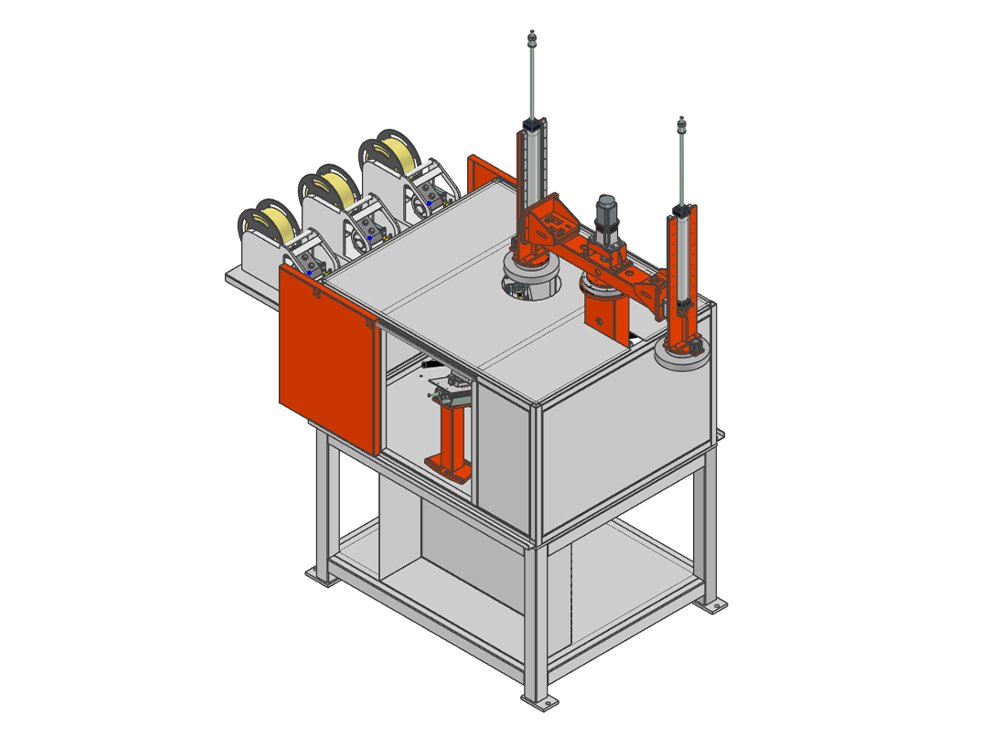
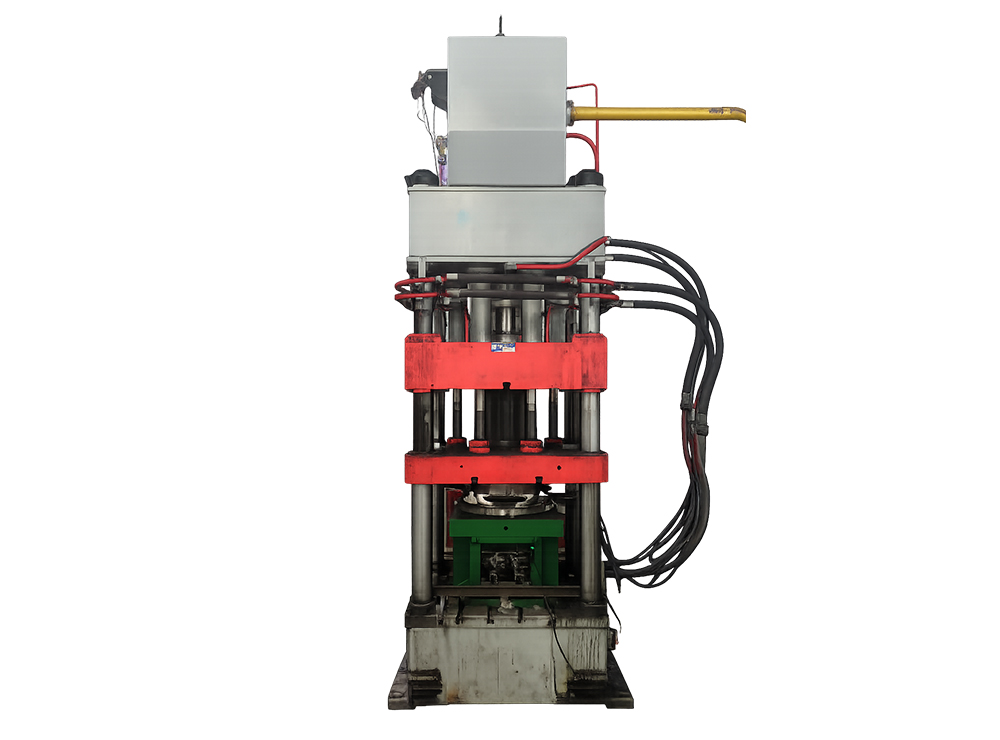
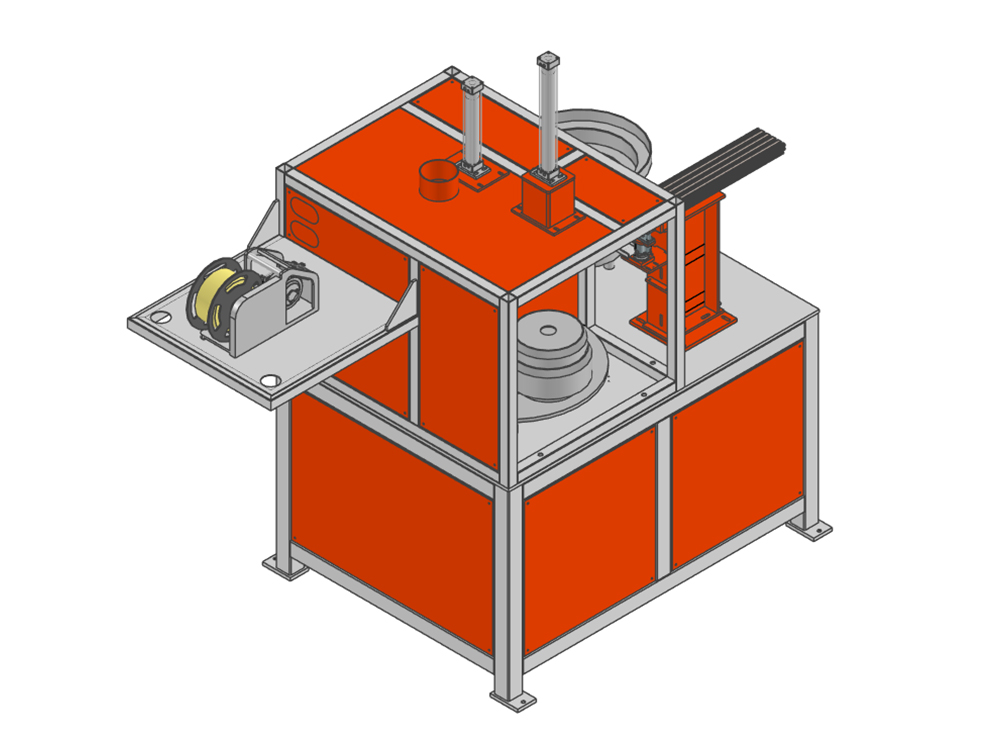
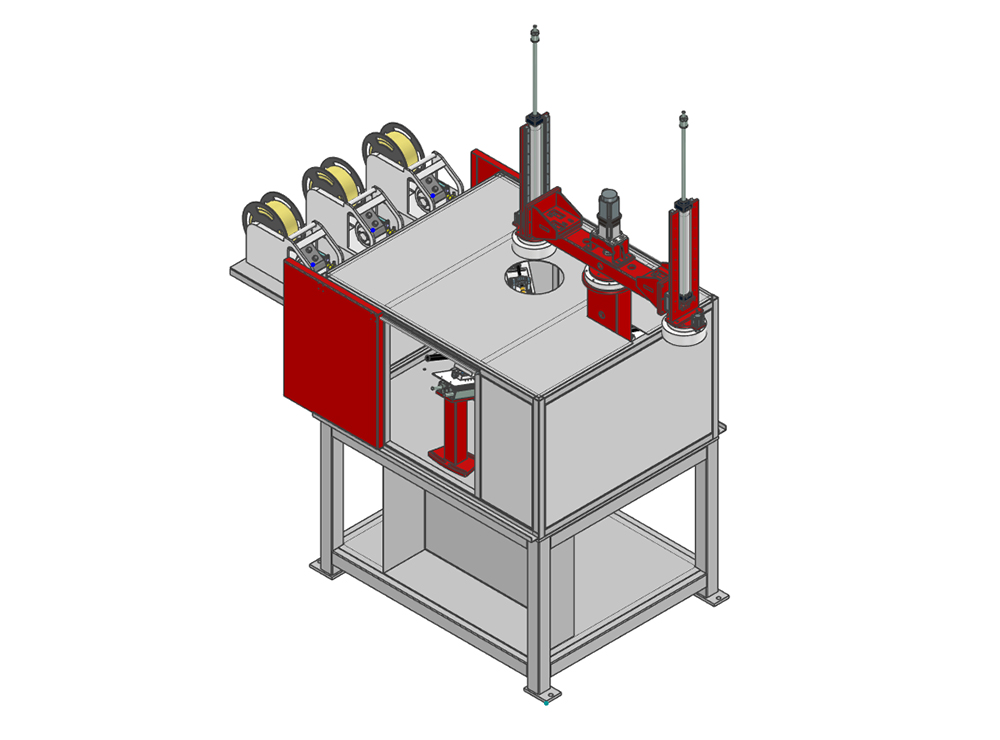
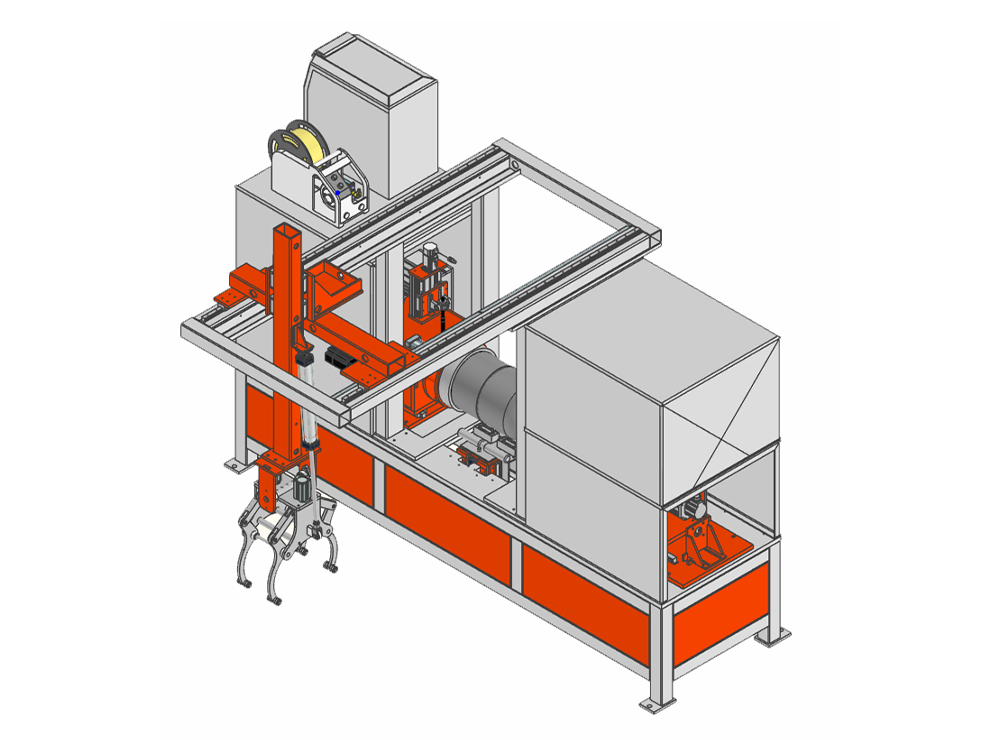
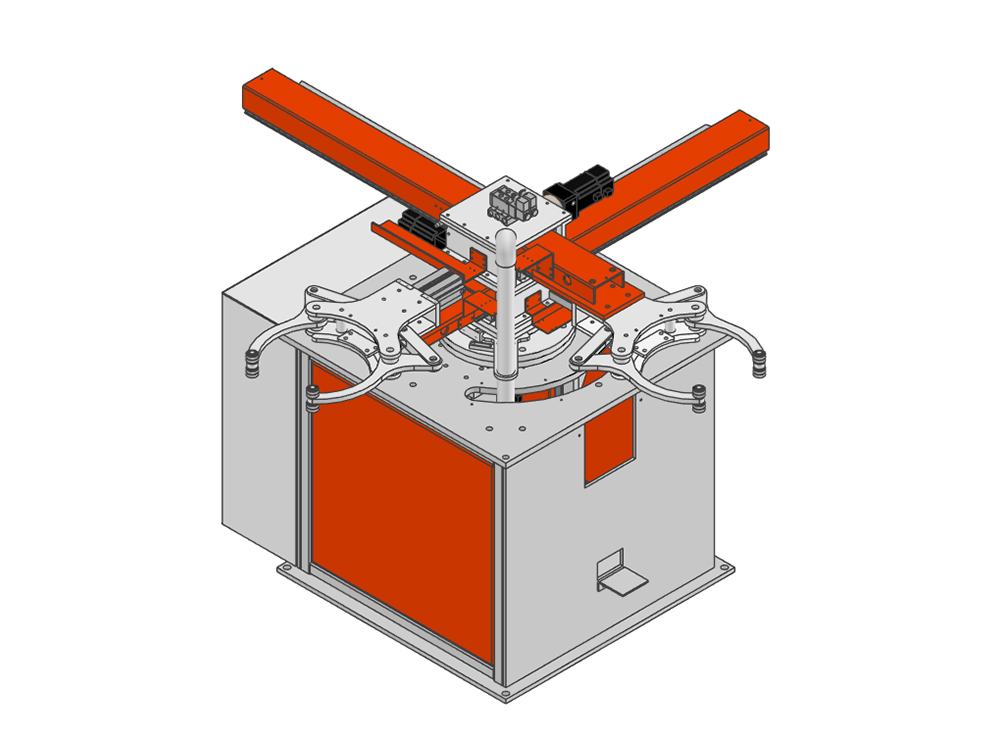
The lpg cylinder production line faces various challenges in today's fast-paced market. As demand for safety and efficiency grows, manufacturers need to adopt smart manufacturing technologies. These innovations optimize processes, reduce waste, and enhance quality. Furthermore, incorporating automation, data analytics, and IoT (Internet of Things) can transform the production landscape. Picture this: a production line that operates seamlessly with minimal human intervention and maximum output.
Introduction Paragraph
Summary Answer Paragraph
Future-proofing your LPG cylinder production line involves embracing smart manufacturing technologies to enhance efficiency, safety, and overall productivity.
1. Benefits of Smart Manufacturing Technologies
1.1 Improved Efficiency
Smart manufacturing can significantly reduce production time. Automation tools streamline tasks, allowing workers to focus on quality control. Productivity may increase by up to 30% with the right technologies.
1.2 Enhanced Safety
With smart technologies, safety features can be embedded into machinery. Sensors can detect potential hazards, reducing workplace accidents. This proactive approach can lower incident rates by 25%.
1.3 Better Quality Control
Data analytics help monitor the production process in real time. This ensures that any deviations from standards are quickly addressed. High-quality products can lead to increased customer satisfaction and loyalty.
2. Steps to Implement Smart Manufacturing
2.1 Assess Current Production Line
Begin by evaluating your existing processes. Identify areas where efficiency can improve and technologies can help. This assessment forms the foundation for your upgrades.
2.2 Research and Select Technologies
Explore different smart manufacturing technologies suitable for your needs. Consider automation systems, IoT devices, and data analytics tools. Make sure to choose those that align with your goals.
2.3 Train Your Workforce
Educate your staff on new technologies and processes. Training programs can ensure smooth transitions and help your team navigate changes effectively.
3. Comparison of Technologies for LPG Cylinder Production
| Technology | Efficiency Gain | Cost |
|---|---|---|
| Robotics Automation | 30% | High |
| IoT Sensors | 20% | Medium |
| Data Analytics Solutions | 25% | Medium-High |
| Machine Learning Systems | 35% | High |
Conclusion
In conclusion, future-proofing your LPG cylinder production line is essential for maintaining competitiveness. By integrating smart manufacturing technologies, you can enhance efficiency, safety, and product quality. Taking the proactive approach helps ensure that your production processes meet modern demands and position your business for success.
FAQ
Q: What are smart manufacturing technologies?
A: Smart manufacturing technologies include automation, IoT, and data analytics that optimize production processes.
Q: How can I improve safety on my production line?
A: Implementing smart technologies like sensors and automation can help identify risks and enhance workplace safety.
Q: Is it expensive to upgrade to smart manufacturing?
A: While initial costs can be high, the long-term benefits in efficiency and reduced waste often outweigh the expenses.
Q: How do I choose the right technology for my production line?
A: Assess your current processes, set your goals, and research various technologies to find the best fit.
Q: What training is needed for my workforce during the transition?
A: Provide training on new technologies and processes to ensure that your team can adapt successfully.
Q: What are the long-term benefits of smart manufacturing?
A: Long-term benefits include increased productivity, lower operational costs, better safety, and improved product quality.