From Forming to Valve Assembly: Understanding the Complete LPG Cylinder Equipment Workflow
Aug.06, 2026
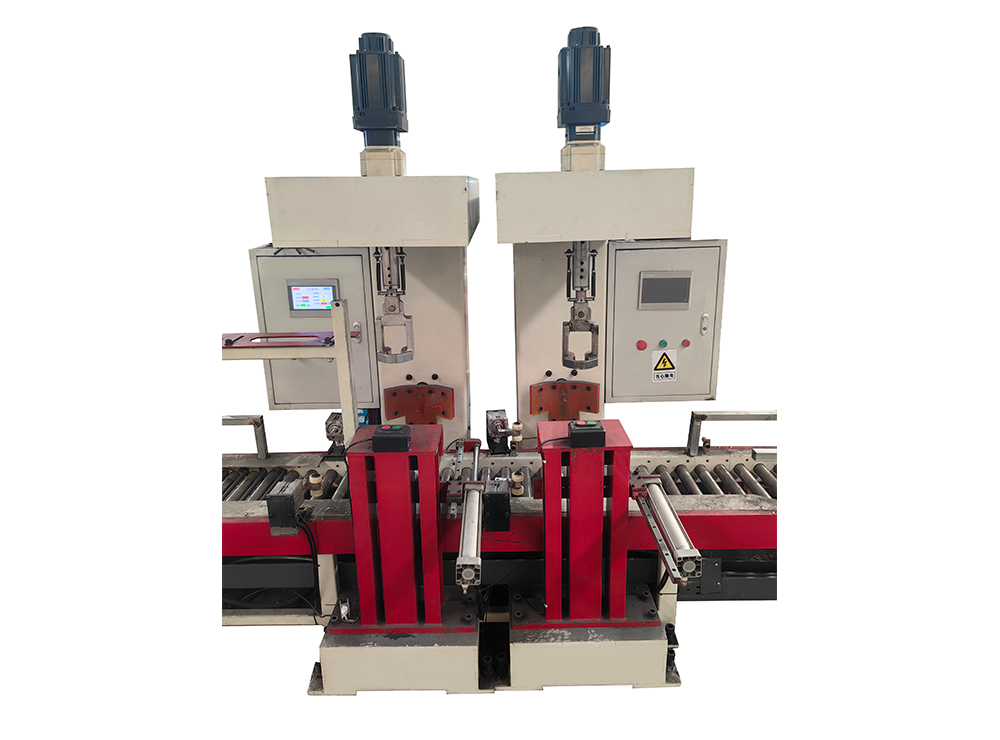
Producing a safe LPG cylinder involves much more than forming a steel shell and installing a valve. A complete LPG cylinder equipment workflow includes material preparation, shell forming, component welding, cylinder assembly, pressure testing, surface treatment, valve mounting and final inspection.
Quality inspections are not performed only at the end of production. Non-destructive testing, mechanical performance testing, hydrostatic testing, coating inspection and air leakage testing are carried out at different stages of the LPG cylinder production line.
The typical production sequence is:
Blanking → Deep Drawing → Trimming and Punching → Component Welding → Cylinder Assembly → Circumferential Seam Welding → Non-Destructive Testing → Heat Treatment → Hydrostatic Testing → Shot Blasting → Powder Coating → Valve Mounting → Air Leakage Testing → Marking → Final Inspection → Packaging
1. Steel Blanking and Cylinder Shell Forming
The LPG cylinder manufacturing process begins with steel sheet preparation. Steel sheets are cut into correctly sized blanks according to the cylinder diameter, capacity and structural design.
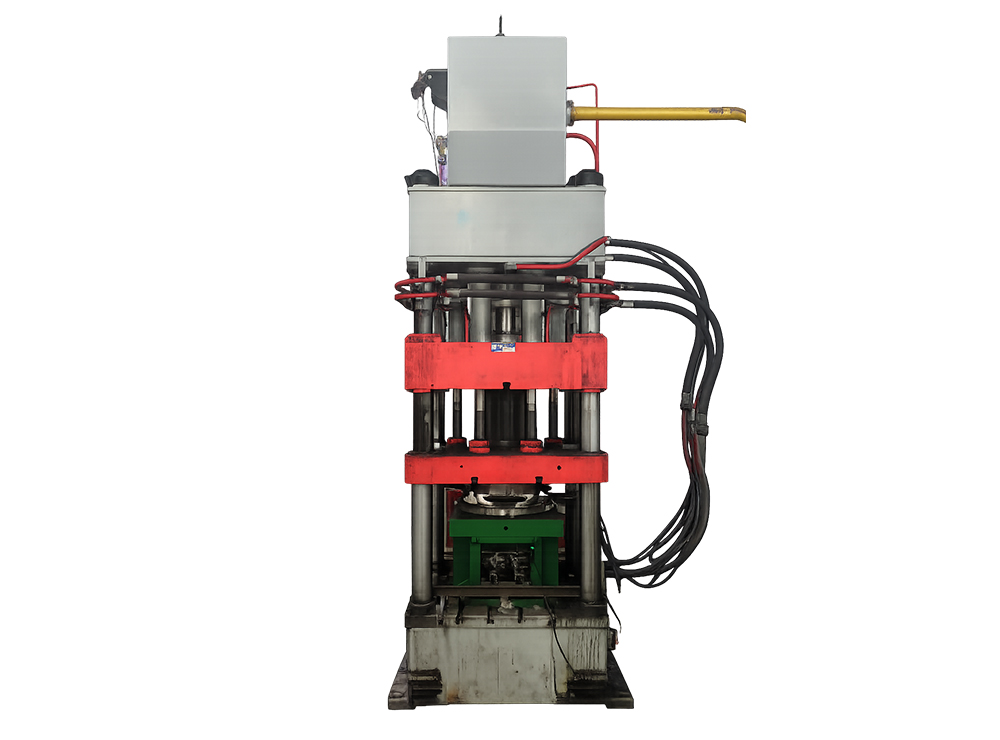
The blanks are then processed by a deep drawing machine to form the upper and lower cylinder shells. Accurate drawing helps maintain consistent wall thickness, shell diameter and cylinder shape.
After deep drawing, the shell components undergo several preparation processes, including:
- Edge trimming
- Neck shrinking
- Hole punching
- Identification or production-code stamping
These processes prepare the shells for valve boss welding, foot ring welding and cylinder assembly.
2. Valve Boss, Guard Ring and Foot Ring Welding
Before the upper and lower shells are assembled, supporting cylinder components are welded into place.
The valve boss is welded to the upper shell to provide the threaded connection for the angle valve. The guard ring or protective handle is then welded around the valve area to protect the valve during transportation and use.
The foot ring is welded to the lower shell, allowing the finished LPG cylinder to remain stable when standing upright.
Depending on the cylinder design, this production stage may include:
- Valve boss welding
- Guard ring or handle welding
- Foot ring welding
- QR code plate or identification plate welding
- Preliminary rust removal
These welding operations must maintain correct positioning and consistent weld quality.
3. Cylindrical Body Production for Three-Piece Cylinders
For LPG cylinders that use a cylindrical body section, an additional production route is required.
The main body production process includes:
Body Sheet Blanking → Plate Rolling → Longitudinal Seam Welding → Body Trimming and Rust Removal
The rolled cylinder body is joined by longitudinal seam welding. After welding, the body edges are trimmed and prepared for assembly with the upper and lower cylinder heads.
This process may not be required for every cylinder design, but it is an important part of a complete three-piece LPG cylinder production line.
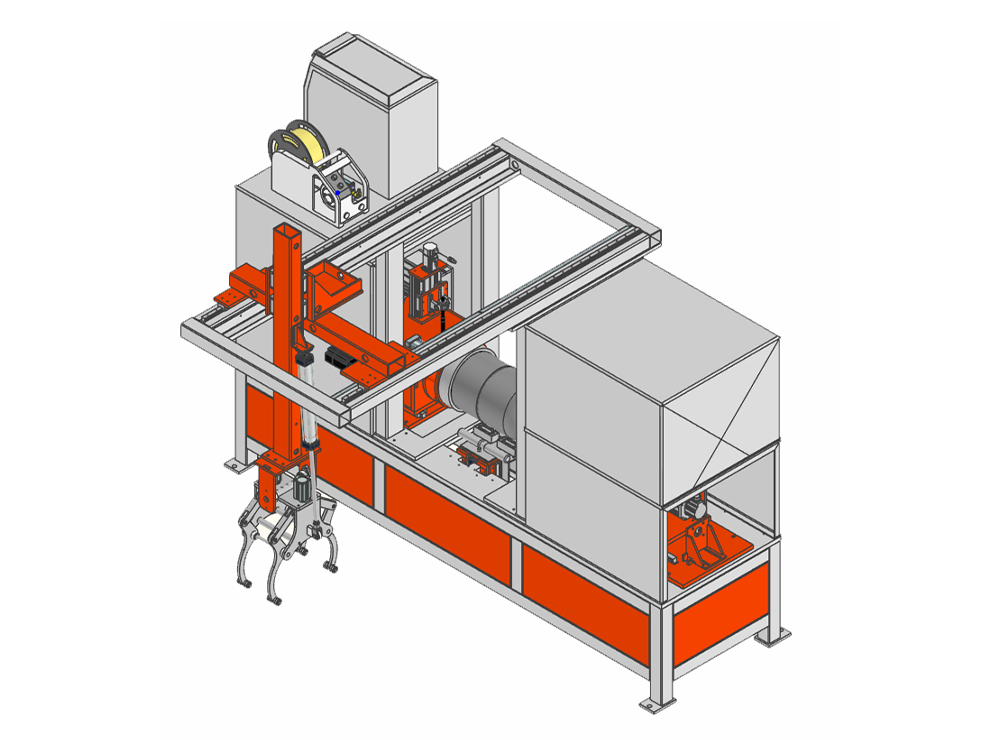
4. Cylinder Assembly and Circumferential Seam Welding
After the individual components have been formed and prepared, the upper shell, lower shell or cylindrical body are assembled.
Correct alignment is essential because poor positioning can affect cylinder roundness, weld penetration and dimensional accuracy.
The assembled parts are joined by circumferential seam welding. An automatic welding line can help maintain:
- Stable welding speed
- Consistent seam position
- Uniform weld penetration
- Reduced manual variation
- Higher production efficiency
Circumferential seam welding is one of the key special processes in the complete LPG cylinder equipment workflow.
5. Non-Destructive Testing
After longitudinal or circumferential seam welding, the welded areas undergo non-destructive testing.
The purpose of this inspection is to identify possible welding defects without damaging the cylinder. Depending on the production requirements, testing may focus on defects such as incomplete fusion, internal porosity, cracks or inconsistent weld penetration.
Any required weld repair must be completed according to the approved repair procedure before the cylinder moves to subsequent production stages.
6. Heat Treatment and Mechanical Performance Testing
After welding and inspection, the cylinder undergoes heat treatment.
Heat treatment helps reduce residual welding stress and stabilizes the mechanical properties of the cylinder material and welded joints.
Mechanical property tests and burst tests may also be performed on selected samples or production batches according to the applicable manufacturing standard and quality-control plan.
These inspections confirm that the cylinder structure and welded joints meet the required strength and performance specifications.
7. Hydrostatic Pressure Testing
The hydrostatic test is performed after heat treatment and before surface coating.
During this process, the cylinder is filled with water and pressurized to the required test pressure. The test checks whether the cylinder can withstand internal pressure without leakage, unacceptable deformation or structural failure.
This stage should not be confused with the air leakage test carried out after valve mounting.
The two tests serve different purposes:
| Test | Production Stage | Main Purpose |
|---|---|---|
| Hydrostatic pressure test | Before shot blasting and coating | Checks cylinder strength and pressure resistance |
| Air leakage test | After valve mounting | Checks leakage from the cylinder body and valve connection |
8. Shot Blasting and Rust Removal
After the cylinder passes the hydrostatic pressure test, it enters the surface preparation stage.
A shot blasting machine removes:
- Surface rust
- Welding scale
- Oxide layers
- Dirt and surface contaminants
Shot blasting also creates a more uniform surface profile, helping the powder coating adhere more effectively to the steel cylinder.
Consistent surface preparation is important for coating durability and finished-cylinder appearance.
9. Powder Coating and Coating Inspection
The cleaned cylinder is then transferred to the powder coating line.
Powder is applied evenly to the external surface and cured according to the selected coating process. The coating provides corrosion protection and creates the required finished appearance.
After coating, the cylinder undergoes a coating inspection. The inspection may include:
- Surface appearance
- Coating coverage
- Coating thickness
- Adhesion
- Missed areas
- Visible coating defects
Only cylinders that pass the coating inspection should proceed to valve mounting.
10. Angle Valve Mounting
The angle valve is installed after powder coating, not immediately after cylinder forming or welding.
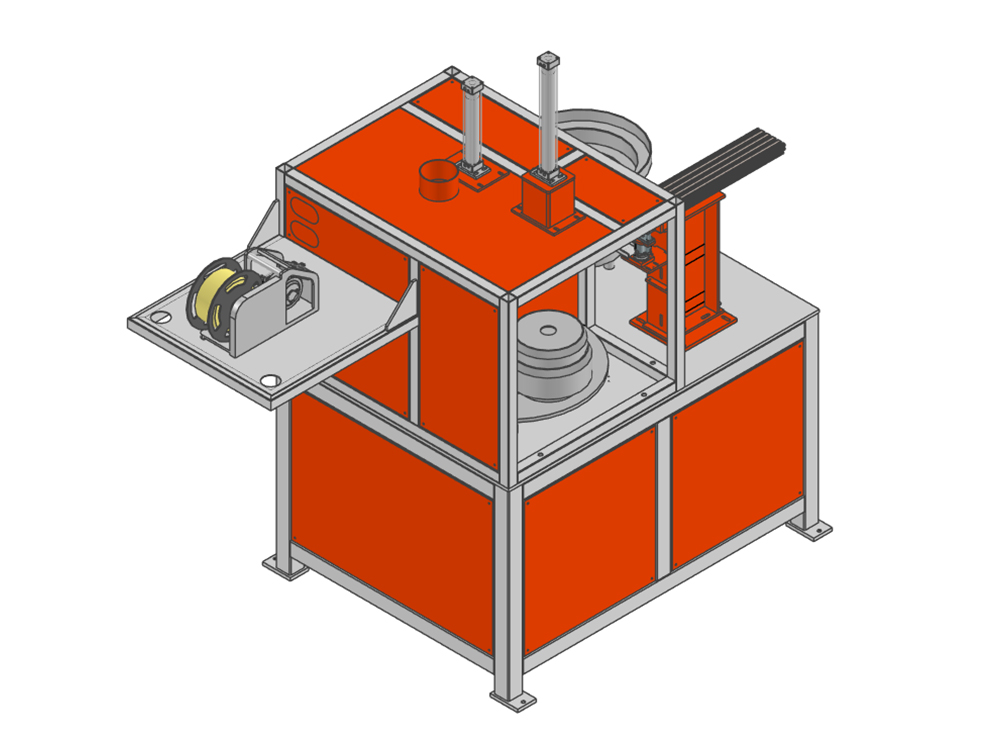
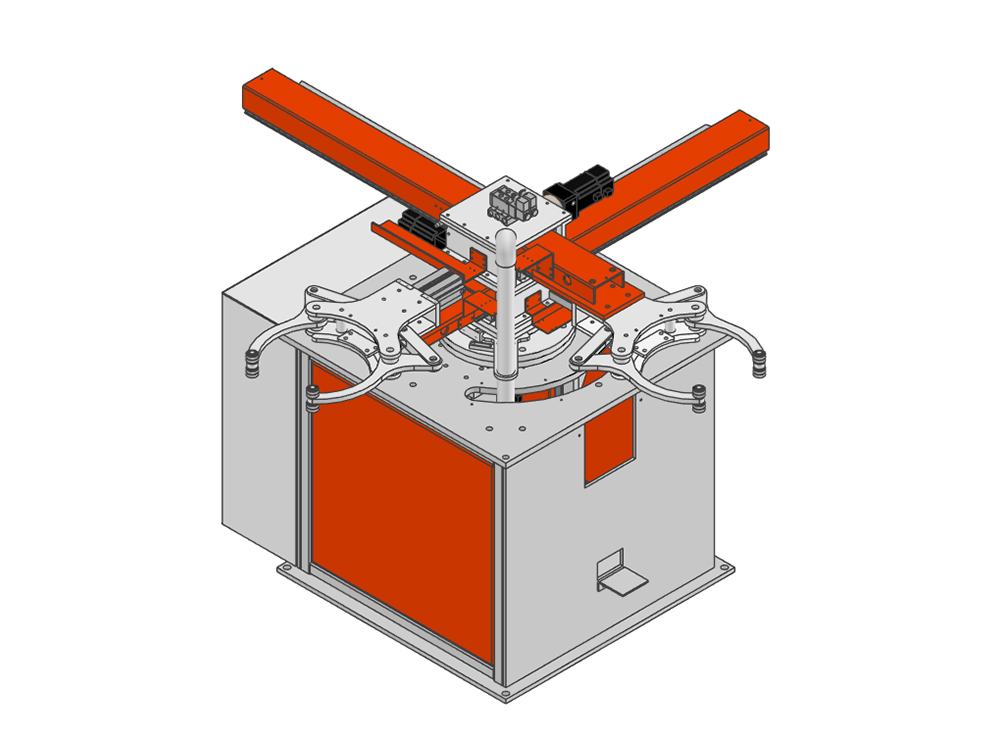
An LPG cylinder valve mounting machine aligns the valve with the valve boss and tightens it according to the specified installation requirements.
The equipment helps improve:
- Valve alignment
- Tightening consistency
- Installation efficiency
- Thread protection
- Repeatable assembly quality
Installing the valve after coating prevents the valve from being exposed to shot blasting and powder coating processes.
11. Air Leakage Testing After Valve Mounting
After the angle valve has been installed, the cylinder must undergo an air leakage test.
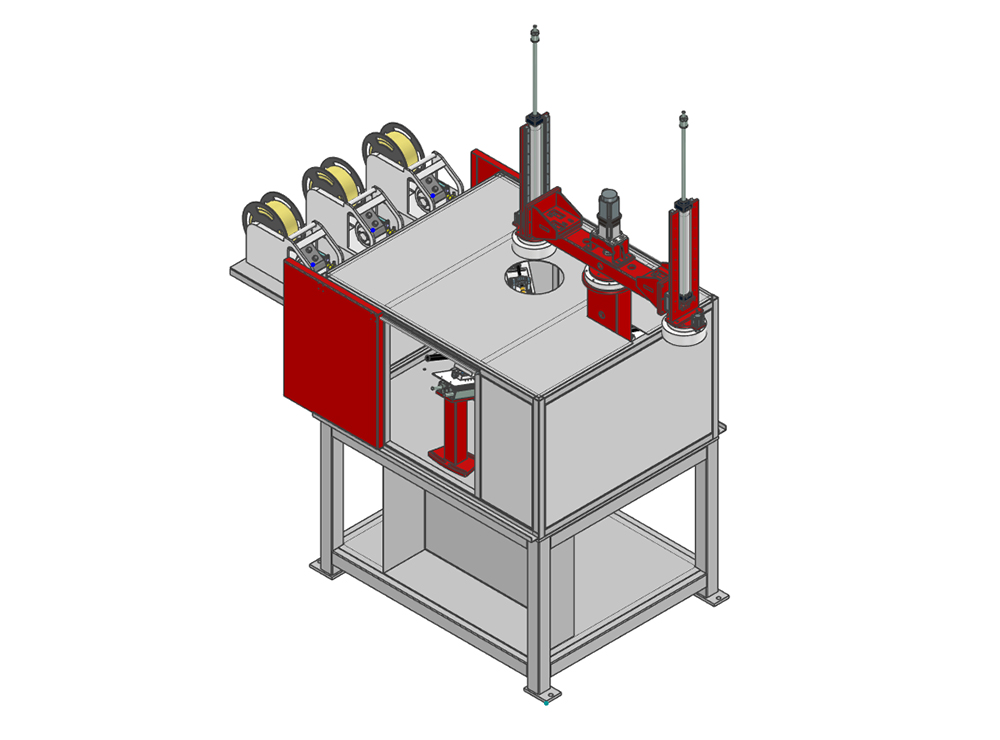
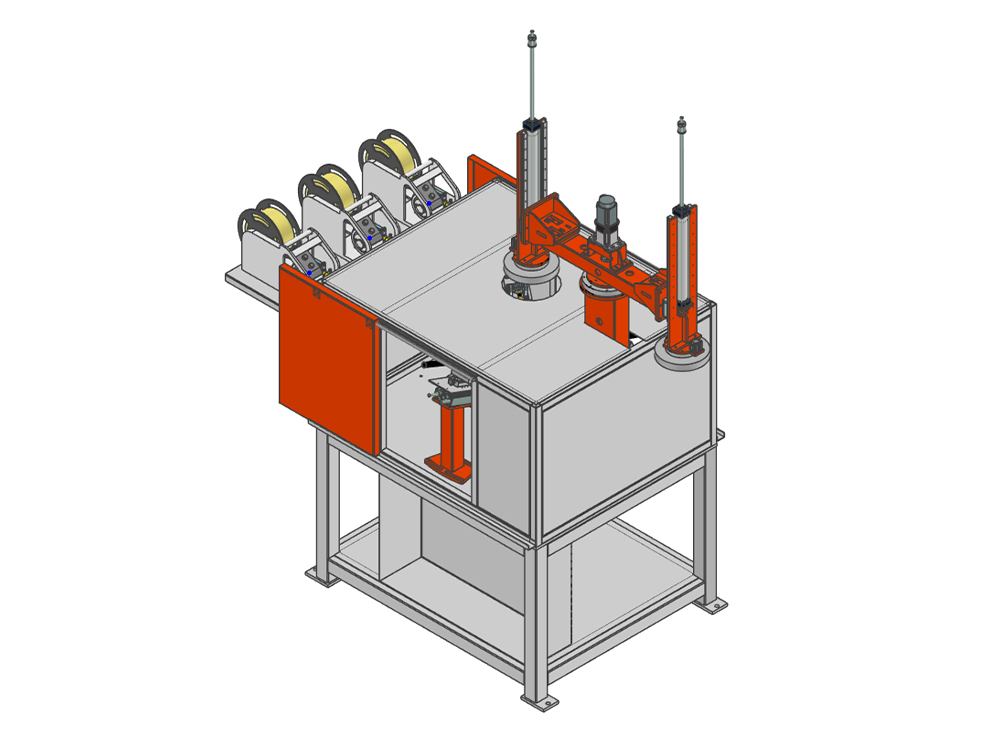
The cylinder is first pressurized and then completely immersed in a water tank. Operators wait until the water becomes fully still before carefully observing the cylinder body, welded areas and valve connection.
If bubbles continuously appear from the cylinder surface or valve connection, leakage may be present.
This testing process checks:
- Cylinder body leakage
- Weld seam leakage
- Valve boss leakage
- Valve thread leakage
- Valve sealing performance
The air leakage test is therefore an essential inspection after valve mounting. It confirms not only the integrity of the cylinder body but also the sealing quality of the newly installed angle valve.
12. Marking, QR Code Upload and Final Inspection
After passing the air leakage test, the cylinder enters the identification and final quality-control stage.
Required information is printed or marked on the cylinder. Production and traceability information may also be connected to a QR code and uploaded to the relevant management system.
The final inspection normally confirms:
- Cylinder dimensions and appearance
- Valve installation condition
- Coating quality
- Product markings
- QR code information
- Inspection records
- Overall product completeness
Approved cylinders are then packaged and transferred to the finished-product warehouse.
Complete LPG Cylinder Production Flow
| Step | Main Production Process |
|---|---|
| 1 | Steel sheet blanking |
| 2 | Deep drawing and shell forming |
| 3 | Trimming, punching and component welding |
| 4 | Cylinder assembly and circumferential seam welding |
| 5 | Non-destructive testing and heat treatment |
| 6 | Hydrostatic pressure testing |
| 7 | Shot blasting and rust removal |
| 8 | Powder coating and coating inspection |
| 9 | Angle valve mounting |
| 10 | Air leakage testing |
| 11 | Marking, printing and QR code upload |
| 12 | Final inspection, packaging and warehousing |
Why the Correct Process Sequence Matters
Each stage of the LPG cylinder production line prepares the cylinder for the next operation.
Hydrostatic testing must be completed before surface coating, while valve mounting must be completed after powder coating. The air leakage test is then performed after valve installation so that both the cylinder body and valve connection can be inspected together.
A properly configured LPG cylinder equipment workflow helps manufacturers improve production consistency, maintain traceability and reduce the risk of defective cylinders entering the market.
FAQ
When is the LPG cylinder valve installed?
The angle valve is installed after shot blasting, powder coating and coating inspection. It is not installed immediately after cylinder forming.
What test is performed after valve mounting?
An air leakage test is performed after the valve is installed. The pressurized cylinder is immersed in water and inspected for bubbles around the cylinder body and valve connection.
What is the difference between hydrostatic testing and air leakage testing?
Hydrostatic testing checks the cylinder’s pressure resistance before coating. Air leakage testing checks the sealing condition of the cylinder and installed valve after valve mounting.
Why must the water become still during the air leakage test?
A still water surface makes small and continuous bubbles easier to identify, helping operators distinguish actual leakage from water movement or trapped surface air.
Where should the valve mounting machine be positioned in the production line?
The LPG cylinder valve mounting machine should be positioned after the powder coating and coating inspection stations and before the air leakage testing machine.