Daily Maintenance Checklist for Deep Drawing Machines
Nov.03, 2026
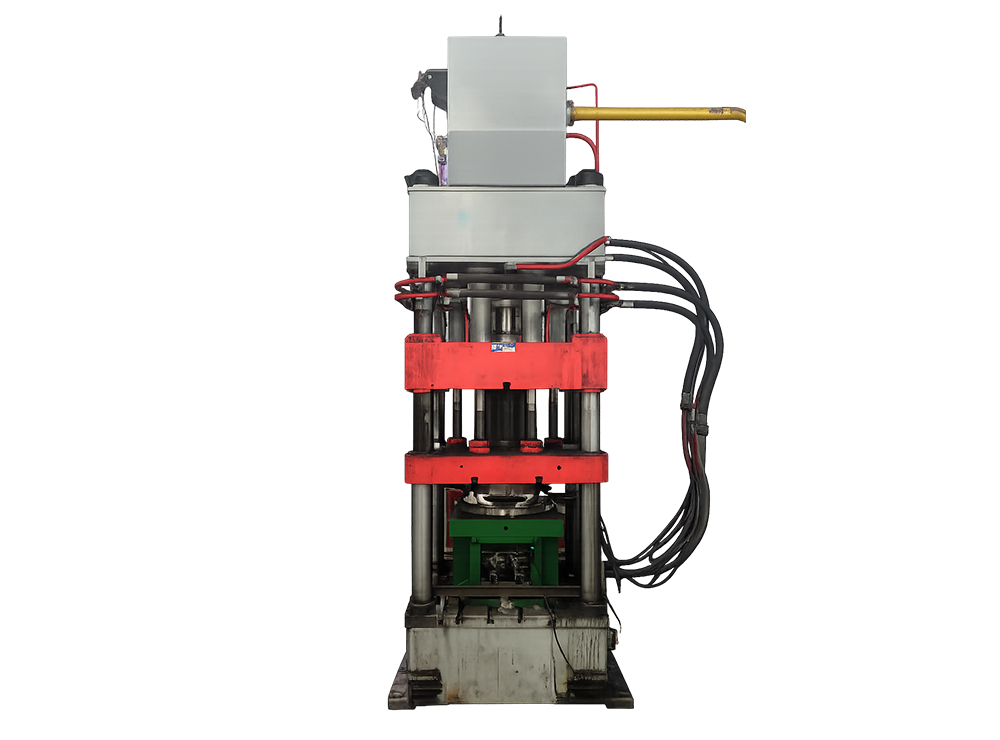
A Daily Maintenance Checklist for Deep Drawing Machines is a documented inspection routine used to verify hydraulic, mechanical, electrical, tooling, lubrication, and safety conditions before production begins. I use this type of checklist to identify oil leaks, unstable pressure, loose fasteners, damaged guards, die misalignment, and forming defects before they cause unplanned downtime. The routine below is designed for operators, maintenance technicians, and production managers working with hydraulic deep drawing presses.
!
Why a Daily Maintenance Checklist Matters
Daily maintenance works by combining a short pre-start inspection with recorded operating readings and a first-piece quality check. Instead of waiting for a machine fault, I verify the conditions that directly affect forming accuracy, including hydraulic pressure stability, blank-holder performance, punch-and-die alignment, lubrication, and electrical control response. This approach also gives the next shift a clear record of defects, corrective actions, and unresolved risks.
A calendar-based preventive maintenance plan remains necessary, but it does not replace a daily inspection. A machine can develop a hydraulic leak, abnormal vibration, or tooling shift between scheduled service intervals. A daily checklist captures these changes through repeatable observations and measurable acceptance criteria.
For manufacturing teams, the checklist should identify four details for every task:
- Who performs the task
- What tool or reading is required
- What condition is acceptable
- When the issue must be escalated
This structure helps small manufacturers, metal stamping businesses, and production managers apply the same inspection method across different shifts and machines.
Daily Maintenance Checklist for Deep Drawing Machines: Step-by-Step Inspection
I recommend completing the checklist in the following order: safety, cleaning, hydraulic inspection, mechanical inspection, electrical inspection, tooling inspection, lubrication, and first-piece verification. The order reduces the risk of inspecting moving equipment and ensures that production does not begin before safety devices are confirmed.
1. Confirm Machine Identification and Operating Conditions
Before inspection, record the machine ID, date, shift, operator name, die number, product code, and planned production volume. I also record the previous shift’s comments because recurring defects often provide the earliest indication of developing equipment problems. If the machine has exceeded its planned stroke count or production volume, I mark it for additional inspection by maintenance personnel.
The operator should confirm that the machine is installed on a stable foundation and that the work area is free from scrap, oil, tools, and unauthorized materials. Walkways, access doors, control panels, and emergency routes must remain clear. Any abnormal noise, smell, vibration, or heat noticed during the previous shift should be written in the maintenance log before startup.
2. Verify Safety Devices Before Startup
Safety verification is the first functional test because a deep drawing press can generate substantial force during the forming stroke. I check the emergency-stop buttons, two-hand controls where fitted, fixed guards, interlocked doors, light curtains, foot pedals, and safety relays. Each device should stop or inhibit the hazardous motion according to the machine’s approved safety procedure.
I never bypass a light curtain, guard switch, or emergency stop to keep production running. If a safety device fails, the machine should be isolated and reported to the authorized maintenance person. Lockout/tagout is required before working inside guarded areas, removing tooling, opening hydraulic panels, or reaching into a point-of-operation zone.
A daily safety inspection should include:
- Emergency-stop activation and reset
- Guard and interlock condition
- Light-curtain response
- Two-hand control synchronization
- Warning labels and status indicators
- Safe access to the die area
- Lockout/tagout equipment availability
- Correct machine isolation before maintenance
3. Clean the Press and Inspect for Contamination
Cleaning is not only a housekeeping task. Metal chips, blank fragments, drawing compound, dust, and hardened lubricant can interfere with sensors, damage sliding surfaces, restrict cooling, or change the position of the workpiece. I remove contamination from the bolster, die area, guide components, hydraulic cabinet exterior, control panel, and floor surrounding the machine.
Compressed air should not be directed toward electrical cabinets, seals, bearings, or exposed hydraulic components because it can force contamination into sensitive areas. I use approved wipes, brushes, vacuum equipment, and suitable cleaning agents instead. Any metal particle accumulation near the punch or die should be investigated because it may indicate abnormal wear or poor material flow.
The operator should distinguish between normal process residue and evidence of a developing fault. Fine drawing compound residue may be expected, while metal flakes, darkened oil, burned material, or repeated scratches on the workpiece require escalation.
Hydraulic System Maintenance for Deep Drawing Presses
Hydraulic press maintenance for deep drawing should focus on oil level, fluid condition, leakage, pressure stability, temperature, hoses, fittings, cylinders, pumps, and filters. I inspect the system before production and again after the first production cycle if the machine has shown previous pressure fluctuations. Hydraulic faults can cause incomplete forming, inconsistent wall thickness, slow return strokes, unexpected stops, and excessive heat.
Hydraulic Oil and Leakage Inspection
The hydraulic reservoir should be checked against the manufacturer’s marked operating range, with the machine in the specified position and condition. I record the oil level and inspect the fluid for discoloration, foam, visible particles, or a burnt smell. Fluid top-up should use the specified grade and a clean transfer method; mixing unapproved oils can change viscosity and seal performance.
Leak detection should cover the pump, manifold, valve block, cylinder rod seals, hoses, tube connections, pressure gauges, and reservoir fittings. I classify leaks by severity so that the response is consistent:
| Condition | Acceptance rule | Required action |
|---|---|---|
| Dry connection | No visible wetness or fresh oil film | Continue operation and record |
| Seepage | Fresh oil film without drops | Report and schedule repair |
| Dripping leak | Repeated drops during operation | Stop when safe and escalate |
| Spray or rapid loss | Pressurized discharge or falling oil level | Stop immediately and apply lockout/tagout |
A pressure gauge should return to the established operating range without unusual oscillation. For each machine, the maintenance team should define an approved pressure band from the equipment manual and production process. I record the normal value, the observed value, and the difference rather than marking the condition simply as “good.”
Why Hydraulic System Inspection Is Important
Hydraulic inspection is important because pressure instability directly affects the force applied during blank holding and drawing. A stable pressure reading does not prove that the complete system is healthy, but a fluctuating, delayed, or abnormal reading provides an immediate reason for further testing. Temperature should also be monitored against the machine supplier’s specified operating range because excessive heat reduces fluid viscosity and can accelerate seal deterioration.
Common causes of hydraulic press failure include contaminated oil, blocked filters, worn pumps, damaged seals, loose fittings, incorrect oil level, and overheating. I do not treat repeated pressure loss as an adjustment problem until the system has been checked for leaks, clogged filtration, valve malfunction, and cylinder seal wear.
Deep Drawing Machine Lubrication Checklist
The Deep Drawing Machine Lubrication Checklist should identify every lubrication point, the approved lubricant, the application method, and the required interval. I check guide posts, guide bushes, slides, bearings, linkages, die components, mechanical drive points, and other locations specified by the equipment manufacturer. Hydraulic oil is not a substitute for grease or slideway lubricant unless the machine documentation specifically permits it.
Too little lubricant can increase friction, wear, heat, and forming force. Too much lubricant can attract abrasive particles, contaminate sensors, interfere with blank holding, and create unsafe floor conditions. I clean the fitting or surface before applying lubricant and record the date, product, quantity, and technician initials.
Lubrication frequency should be based on the manufacturer’s instructions, stroke count, production volume, speed, load, environment, and lubricant condition. A machine producing short runs in a clean environment may require a different schedule from a press operating continuously with abrasive metal dust. For that reason, I use both calendar intervals and production counters instead of relying on time alone.
Inspecting Dies, Punches, and Tooling
The Deep Drawing Die Inspection Checklist should cover punch condition, die radius, blank-holder surface, draw beads, guide components, fasteners, alignment marks, and evidence of galling or cracking. I inspect tooling after cleaning and before the first production piece because contamination can hide scoring or small fractures.
Punch-and-die alignment is critical to wall-thickness consistency and surface quality. I check that the die is seated correctly, the punch enters centrally, guide components move without binding, and the blank holder applies even contact. If the machine uses adjustable draw beads or blank-holder pressure, I confirm the setting against the approved process sheet rather than relying on visual judgment.
The inspection should connect tooling condition to forming defects:
- Wrinkles may indicate incorrect blank-holder pressure, poor lubrication, or material-flow problems.
- Tearing may indicate excessive drawing force, insufficient lubrication, sharp tooling damage, or incorrect clearance.
- Scoring may indicate contamination, galling, rough surfaces, or misalignment.
- Uneven walls may indicate off-center tooling, uneven blank holding, or material variation.
- Excessive flange movement may indicate incorrect draw-bead condition.
Die maintenance can extend tool life by removing contamination early, maintaining correct lubrication, correcting alignment before severe wear develops, and recording defect patterns. I replace dies or punches when inspection shows cracking, unacceptable wear, damaged forming radii, repeated scoring after correction, or dimensions outside the approved process tolerance.
Mechanical and Electrical Inspection
Mechanical inspection should include fasteners, slide movement, guideways, connecting rods, couplings, bearings, belts, guards, clamps, and the machine frame. I look for looseness, unusual wear marks, vibration, impact damage, and changes in the sound of the press. Any abnormal movement during a slow test cycle should be stopped and reviewed before production continues.
The slide and blank-holder movement should be smooth through the approved stroke range. Mechanical alignment can be checked using the machine’s specified measurement method, such as a dial indicator, straightedge, feeler gauge, or alignment fixture. The acceptance tolerance must come from the machine documentation or validated process standard rather than an invented universal value.
Electrical inspection should cover the main disconnect, control cabinet, terminal connections, sensors, limit switches, motor condition, cooling fans, cables, and operator interface. I check for loose wires, heat discoloration, damaged insulation, moisture, error codes, and failed indicator lamps. Electrical cabinet covers should remain closed during operation, and internal work requires proper isolation by qualified personnel.
First-Piece Quality Verification
A maintenance checklist is incomplete without confirming the quality of the first formed part. After safety, hydraulic, mechanical, electrical, lubrication, and tooling checks are complete, I produce a controlled first piece using the approved material, die, lubricant, blank-holder setting, and press recipe. I compare the part with the drawing or inspection plan before authorizing full production.
The first-piece inspection should include part height, wall thickness where required, flange condition, wrinkles, cracks, scratches, bottom shape, concentricity, and dimensional stability. I also verify that the machine reaches the expected stroke, pressure, and return position without abnormal sound or vibration. If the first piece fails, the operator should not compensate by changing several settings at once because that makes the root cause difficult to identify.
Role-Based Checklist and Escalation Rules
A practical checklist assigns tasks according to competence and risk. Operators can complete visual inspections, cleaning, readings, safety-device checks, lubrication points authorized by the procedure, and first-piece observations. Maintenance technicians should handle hydraulic testing, alignment measurement, electrical cabinet inspection, sensor replacement, seal work, and corrective repairs.
| Task | Primary role | Typical time | Escalation trigger |
|---|---|---|---|
| Safety-device check | Operator | 5 minutes | Any failed stop, guard, or light curtain |
| Cleaning and visual inspection | Operator | 10 minutes | Metal fragments, damaged guards, abnormal residue |
| Oil level and leak check | Operator or technician | 5 minutes | Dripping, spray, rapid oil loss |
| Pressure and temperature reading | Technician or trained operator | 5 minutes | Outside approved operating range |
| Tooling and alignment inspection | Technician | 10–20 minutes | Misalignment, cracks, scoring, uneven contact |
| Electrical inspection | Qualified technician | 10–15 minutes | Burn marks, exposed conductors, repeated alarms |
| First-piece verification | Operator and quality staff | 10–20 minutes | Crack, wrinkle, dimension failure, surface damage |
The exact time depends on machine size, access, tooling complexity, and local procedures. I use the estimated time to plan shift handovers, not to encourage rushed inspections. A failed safety device, uncontrolled hydraulic leak, exposed electrical conductor, cracked die, or repeated first-piece failure requires production stoppage and formal escalation.
Periodic Maintenance Based on Stroke Count and Production Volume
Daily inspections should connect with periodic service intervals based on strokes, parts produced, load, and operating hours. Stroke count is often more meaningful than calendar time because two presses operated for one month may experience very different mechanical and hydraulic loads. I record the counter reading at the start and end of each shift and compare it with the maintenance schedule.
A practical schedule may include:
| Interval basis | Typical focus |
|---|---|
| Every shift | Safety, cleaning, leaks, oil level, lubrication points, first piece |
| Every 5,000–10,000 strokes | Fasteners, guide components, hose condition, sensor function |
| Every 25,000–50,000 strokes | Filter condition, alignment measurement, tooling wear, pressure stability |
| Quarterly or according to supplier instructions | Hydraulic fluid condition, electrical terminals, calibration, structural inspection |
| Annual service | Full condition assessment, planned replacement of wear parts, safety validation |
These figures are planning examples, not universal replacement limits. I adjust them according to the Deep Drawing Machine model, operating load, material, forming depth, production speed, and manufacturer instructions. Every adjustment should be recorded so that future maintenance decisions are based on actual failure and wear history.
Printable Maintenance Log Fields
A printable checklist should provide enough space for readings and corrective actions, not only tick boxes. I include the following fields:
- Machine ID and location
- Date, shift, operator, and technician
- Die number and product code
- Stroke count and production quantity
- Hydraulic oil level and temperature
- Operating pressure and pressure stability
- Leakage location and severity
- Lubrication completed
- Punch, die, draw bead, and blank-holder condition
- Alignment measurement
- Safety-device test results
- Electrical alarms or abnormalities
- First-piece inspection result
- Defect description
- Corrective action
- Parts used
- Escalation status
- Operator and supervisor sign-off
Shuofang supplies LPG cylinder production line equipment, including deep drawing machinery used within broader sheet metal forming operations. Its published service information describes customized production-line solutions, installation and commissioning support, operator training, and equipment service arrangements. When applying this checklist to Shuofang equipment, I would confirm the machine-specific hydraulic values, lubrication points, stroke limits, alignment tolerances, and safety procedures in the supplied manual.
Conclusion
A Daily Maintenance Checklist for Deep Drawing Machines should combine safety verification, cleaning, lubrication, hydraulic-fluid inspection, leak detection, mechanical and electrical checks, tooling alignment, and first-piece quality confirmation. The most useful checklist does more than record whether a task was completed; it captures readings, acceptance criteria, responsible personnel, stroke count, production volume, defects, corrective action, and sign-off.
I recommend starting with a machine-specific form and validating every pressure, temperature, alignment, and wear limit against the manufacturer’s documentation. Operators should complete the pre-start checks every shift, while qualified technicians should perform periodic hydraulic, electrical, alignment, and tooling inspections. This routine gives production teams an earlier warning of equipment deterioration and provides a documented basis for deciding when to continue production, schedule service, or apply lockout/tagout.