Custom LPG Cylinders vs Standard Cylinders: Which Option Fits Your Business?
Sep.14, 2026
When I compare Custom LPG Cylinders vs Standard Cylinders: Which Option Fits Your Business?, I focus on capacity, dimensions, valve compatibility, safety compliance, delivery frequency, and total lifecycle cost. Standard cylinders suit common applications with predictable demand, while custom solutions fit unusual spaces, specialized equipment, manifold systems, extended runtime, or fleet-specific requirements. The right choice depends on gas consumption, appliance load, operating location, climate, and expansion plans.
| Factor | Standard LPG Cylinders | Custom LPG Cylinders |
|---|---|---|
| Capacity | Common sizes such as 6 kg, 12.5 kg, 15 kg, 33 kg, or 45 kg | Custom capacity or configuration, often selected for a defined operating requirement |
| Availability | Usually available from local distributors or rental suppliers | Requires engineering, production planning, and approval |
| Installation | Simple exchange, connection, or cage installation | May require regulators, manifolds, supports, or layout changes |
| Cost | Lower purchase and shorter lead time | Higher initial cost but possible savings from fewer changeovers |
| Flexibility | Suitable for common appliances and locations | Adapted to space, equipment, runtime, handling, or fleet requirements |
| Best-fit business use | Small restaurants, retail, light commercial sites, and temporary operations | High-volume facilities, mobile fleets, specialized equipment, and multi-site programs |
!
Custom LPG Cylinders vs Standard Cylinders: Key Differences for Businesses
A standard LPG cylinder follows a commonly supplied size, shape, valve arrangement, and service model. Businesses can normally purchase, rent, exchange, or refill these cylinders through established distribution networks. A custom LPG cylinder may differ in capacity, dimensions, valve position, mounting arrangement, protective accessories, identification system, or delivery plan.
Customization does not always mean creating an entirely nonstandard pressure vessel. In many commercial projects, the cylinder itself remains within an established design code while the supplier adapts the capacity, connection type, manifold configuration, handguard, base ring, surface marking, or service package. This distinction matters because a modified configuration still needs documented design approval, material control, pressure testing, leak testing, and compliance with the applicable market standard.
Standard Cylinder Sizes, Capacities, and Applications
Businesses usually select LPG cylinders by gas capacity, appliance demand, operating time, handling requirements, and available storage space. The values below are representative commercial categories rather than universal dimensions. Actual height, diameter, tare weight, valve type, and permitted fill mass vary by manufacturer and local regulations.
| Nominal LPG capacity | Approximate application | Typical operating pattern |
|---|---|---|
| 5–6 kg | Food carts, small catering stations, portable heaters | Low to moderate daily consumption |
| 10–15 kg | Small restaurants, retail kitchens, household-commercial crossover use | Regular cooking with moderate demand |
| 20–30 kg | Medium commercial kitchens and workshops | Higher demand with scheduled replacement |
| 33–45 kg | Restaurants, laundries, bakeries, heating systems | Longer runtime and fewer daily changes |
| 90–118 L water capacity class | Industrial or specialized supply arrangements | Often paired with manifolds or engineered storage systems |
A 6 kg cylinder may be approximately 300–320 mm in diameter and 550–600 mm high, while a 12.5–15 kg model may be approximately 300–370 mm in diameter and 600–700 mm high. Larger cylinders can exceed 1,200 mm in height and may require mechanical handling, protected cages, or a two-cylinder manifold. These figures should be treated as planning estimates until the supplier provides a technical drawing.
Portable Cylinders Compared With Bulk LPG Tanks
Portable cylinders are practical when a business needs flexible placement, low installation complexity, or a supply system that can be exchanged or refilled. They are common in food trucks, small restaurants, construction sites, temporary heating applications, and businesses without sufficient space for a permanent tank. The trade-off is more frequent handling, more delivery events, and greater dependence on cylinder storage procedures.
Bulk LPG tanks are usually more suitable for facilities with stable, high-volume consumption. A bulk tank requires a foundation or approved support area, separation distances, piping, regulators, filling access, inspection arrangements, and delivery-truck access. It can reduce cylinder changeovers, but it creates a more permanent installation and may require permits, engineering review, excavation, or fire-protection measures.
I generally compare the two systems by calculating the expected gas demand over seven days, then checking whether cylinder storage, delivery access, and changeover labor are practical. If a site consumes several hundred kilograms per week, a bulk tank or centralized manifold may provide a more suitable operating model. If consumption fluctuates sharply or the location changes frequently, portable cylinders may remain the safer commercial choice.
What Are Custom LPG Cylinders?
Custom LPG cylinders are gas containers or cylinder programs designed around a specific business requirement rather than selected only from a supplier’s standard catalog. The customization may involve capacity, dimensions, valve compatibility, protective frame design, mounting hardware, color coding, labeling, manifold connection, or delivery and refill frequency.
For example, a food-processing company may need a cylinder that fits beneath a restricted equipment platform. A forklift fleet may require a consistent horizontal cylinder configuration with a specified valve and mounting bracket. A restaurant group may request the same cylinder identification system, valve arrangement, and cage dimensions across several locations to simplify staff training and inventory control.
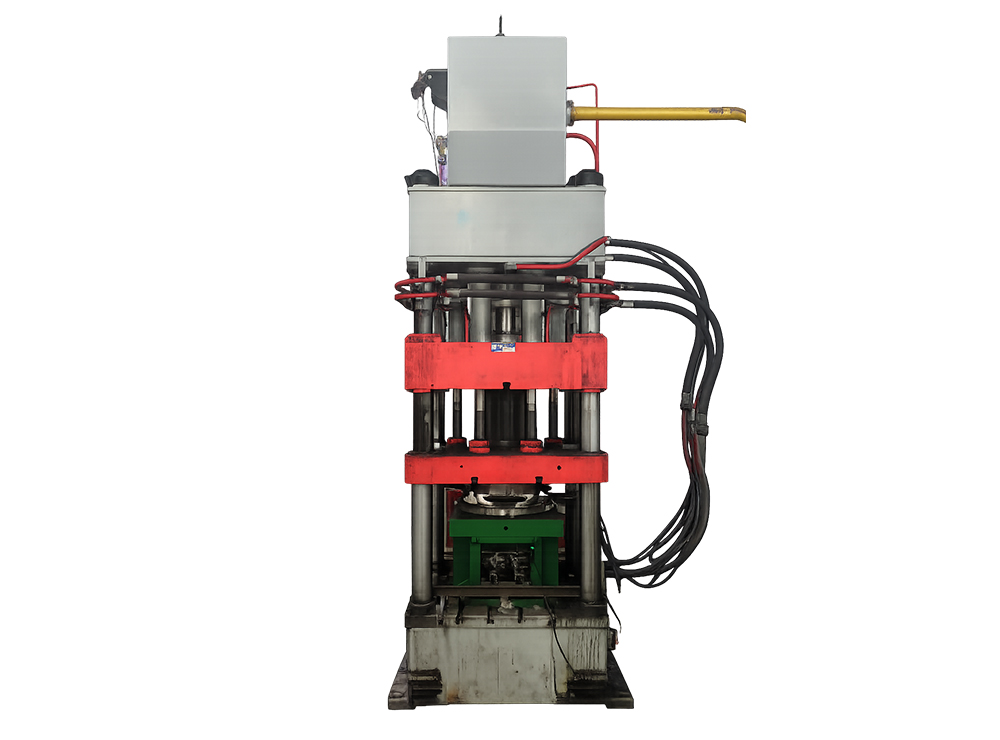
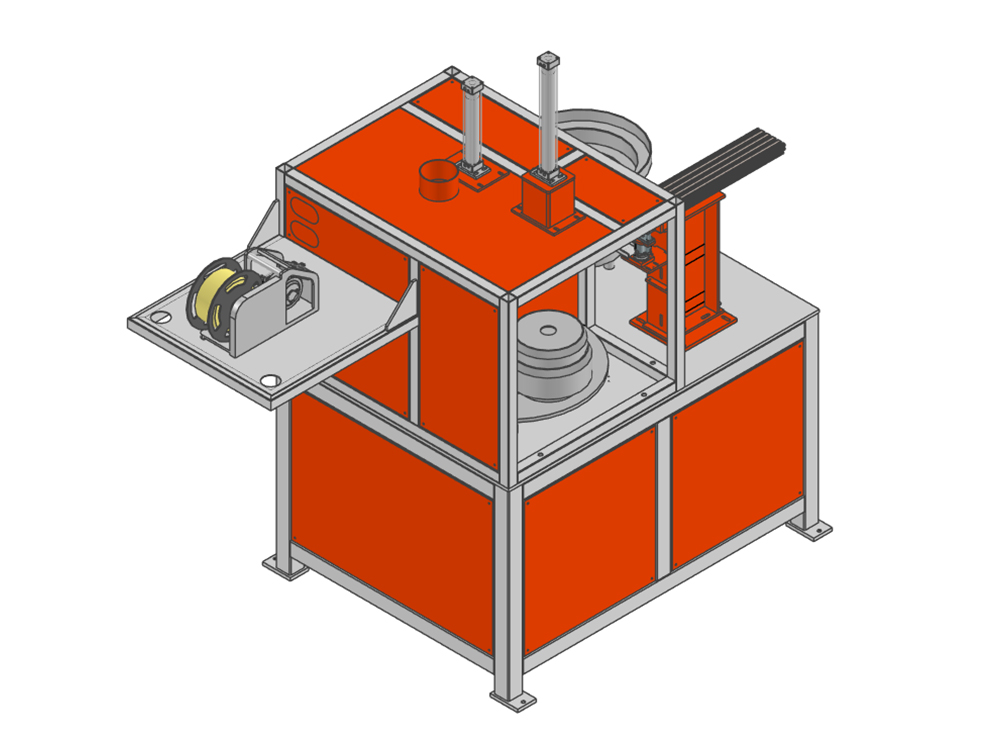
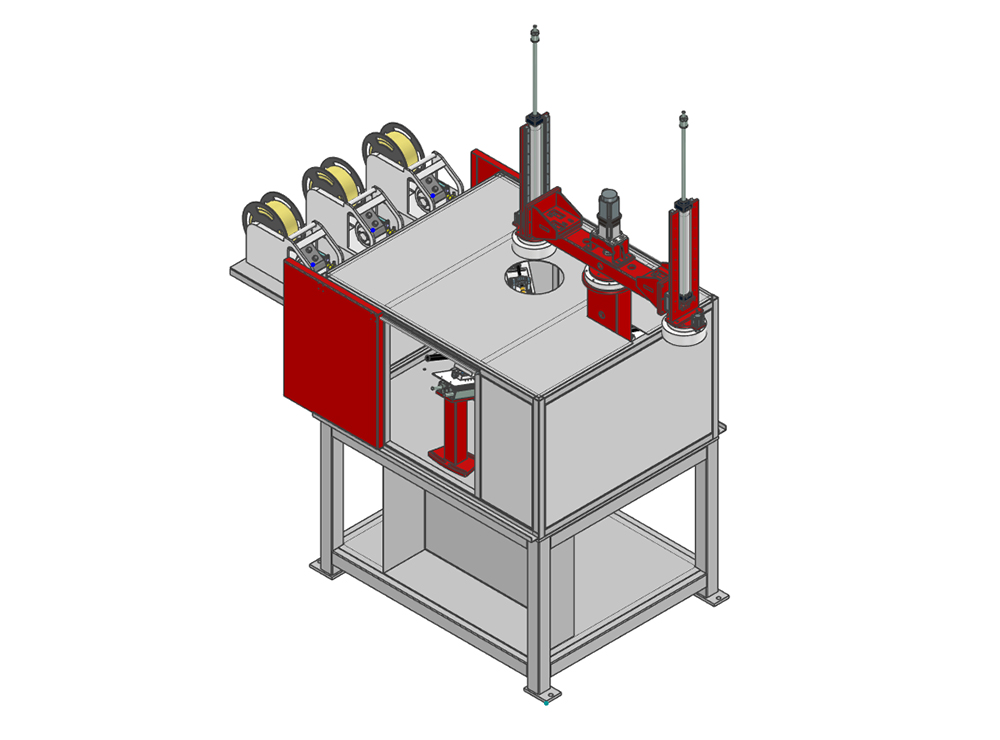
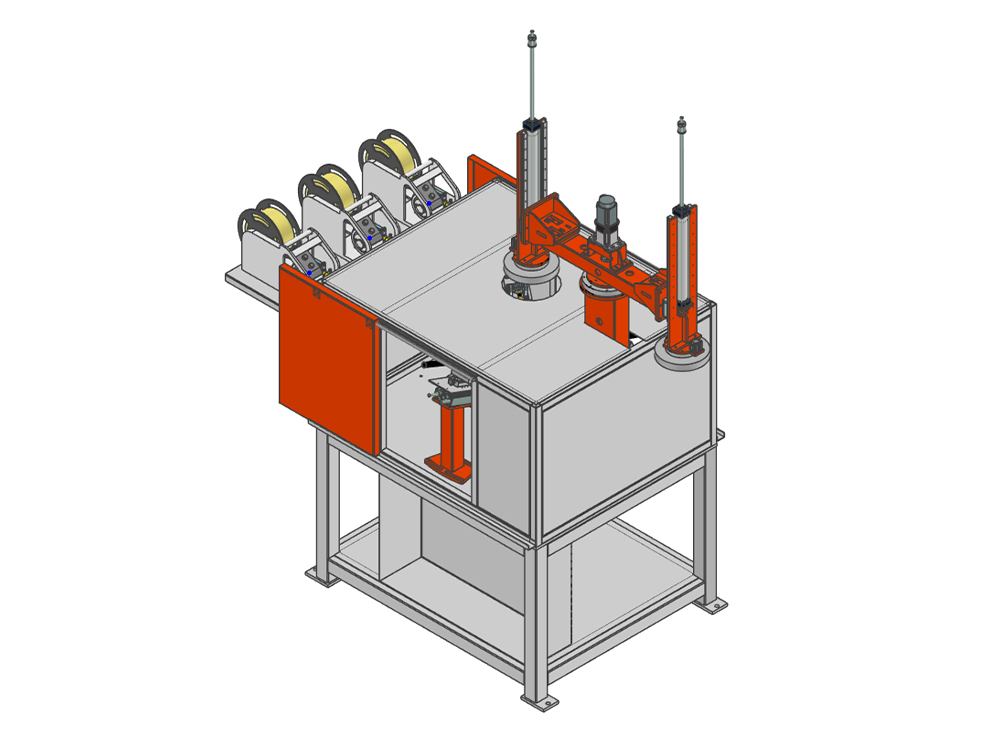
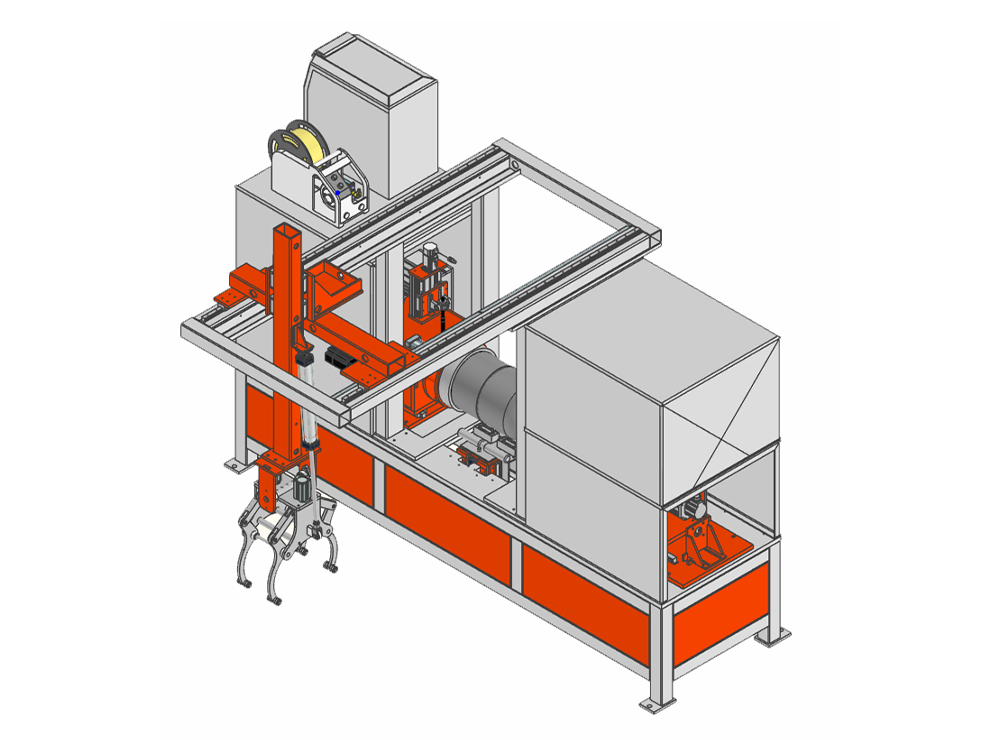
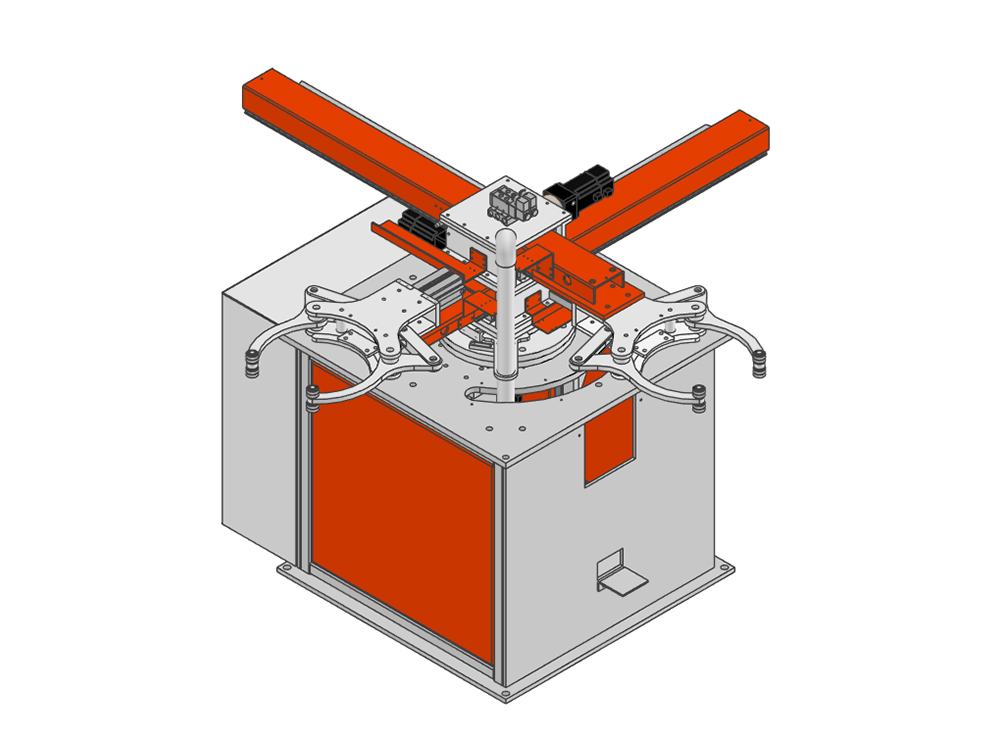
Shuofang presents LPG cylinder options including 6 kg, 12.5 kg, and 15 kg models, as well as OEM and custom LPG cylinder products in a stated 6 L–118 L range. Its wider manufacturing capability includes cylinder forming, valve-seat welding, circumferential welding, heat treatment, coating, hydraulic pressure testing, and air-leakage testing. For a buyer, this indicates that customization can be evaluated alongside production equipment, inspection processes, and after-sales technical support rather than treated as a cosmetic change.
When Customization Is Technically Justified
I would consider a custom LPG cylinder solution when a standard model creates a measurable operating problem. The strongest justification normally falls into one of five categories:
- Unusual space constraints: The cylinder must fit inside a defined cabinet, vehicle compartment, equipment bay, or protected cage.
- Specialized equipment: The appliance or machine requires a particular valve, outlet orientation, vapor withdrawal arrangement, or regulator connection.
- Extended runtime: Frequent cylinder replacement interrupts production, so a larger approved capacity or manifold system is required.
- Fleet-specific requirements: Multiple vehicles or mobile units need identical brackets, valves, labeling, and handling procedures.
- Multi-site standardization: A business wants one approved cylinder configuration across restaurants, warehouses, workshops, or production plants.
Customization is less justified when the requested change is only a different color or logo and the business has low consumption. In that situation, a standard cylinder with approved labeling may achieve the same identification benefit at a lower cost and shorter lead time. I also avoid custom designs that lack a clear inspection, refill, replacement, and service plan.
Custom LPG Cylinders for Businesses: Capacity and Operating Fit
Cylinder selection begins with the connected appliance load. I record each appliance’s LPG input in kilowatts, megajoules per hour, or BTU per hour, then calculate the combined demand during the busiest operating period. The system must also account for vaporization capacity, regulator sizing, ambient temperature, pipe length, pressure loss, and whether appliances operate simultaneously.
A simple planning estimate is:
Required gas per day = appliance consumption rate × operating hours × operating days
For example, if a kitchen consumes 8 kg of LPG during a 10-hour shift, a 15 kg cylinder may provide less than two shifts after allowing for reserve capacity, delivery timing, and operating variation. A business may therefore choose two cylinders with automatic changeover, a larger manifold arrangement, or a bulk tank rather than simply ordering a larger single cylinder.
Climate also affects selection. Cold temperatures can reduce the rate at which liquid LPG vaporizes, especially when a cylinder is nearly empty or several high-load appliances operate together. A system that works in a warm climate may require more cylinders in parallel, larger vaporization capacity, or a different storage arrangement in a cold region.
LPG Cylinder Safety Requirements for Businesses
The safety requirements for businesses include approved design, correct filling, compatible valves and regulators, periodic inspection, protected storage, staff training, leak control, and compliance with the authority having jurisdiction. A cylinder should carry the markings required for its market, such as design code, working pressure, test information, serial identification, tare mass, and permitted contents.
I check four technical areas before approving a cylinder program:
- Pressure and design: Confirm the cylinder’s design pressure, test pressure, material specification, weld procedure, and applicable certification.
- Leak and pressure testing: Verify that production includes hydraulic pressure testing and air-leakage testing using documented acceptance criteria.
- Connection compatibility: Match the valve, regulator, hose, excess-flow protection, and manifold fittings to the appliance and local gas standard.
- Storage and handling: Provide ventilation, impact protection, separation from ignition sources, upright positioning where required, and controlled access.
Businesses should not mix valves, regulators, hoses, or transfer equipment simply because the threads appear similar. A custom cylinder must be assessed as part of the complete gas system. The cylinder, valve, regulator, hose, manifold, appliance, storage cage, and filling process must operate within their respective pressure and temperature limits.
Standard vs Custom LPG Cylinder Cost
The purchase price is only one part of the standard vs custom LPG cylinder cost comparison. I calculate the total cost across at least five areas: cylinder acquisition, installation, refill or delivery, handling labor, and downtime caused by changeovers or shortages.
| Cost category | Standard cylinder impact | Custom cylinder impact |
|---|---|---|
| Purchase or rental | Usually lower and easier to compare | May include design, tooling, testing, and minimum order quantities |
| Installation | Often limited to a cage, regulator, and hose | May require manifolds, brackets, supports, or engineered piping |
| Refilling | Broad supplier availability can reduce delays | Special configurations may require approved filling arrangements |
| Handling | More frequent lifting and changeovers | Larger capacity may reduce changes but increase handling weight |
| Maintenance | Standard parts are easier to replace | Custom valves or accessories may require dedicated inventory |
| Downtime | Risk rises with frequent empty-cylinder replacement | Can fall when capacity and changeover systems match demand |
| Lifecycle cost | Often favorable for low-volume users | Can become favorable for high-volume or specialized operations |
A practical comparison is to calculate annual cylinder events. If a site changes four 15 kg cylinders every day, that represents approximately 1,460 cylinder changes per year. Labor, vehicle access, storage management, and production interruptions may justify a manifold or larger system even when the custom cylinders have a higher purchase price.
I also include the cost of regulators, automatic changeover devices, manifold assemblies, mounting hardware, inspection, spare parts, delivery frequency, and employee training. A custom solution becomes commercially reasonable when the reduction in handling, delivery events, or downtime exceeds the added design and equipment expense within the company’s target payback period.
Decision Matrix: Which Option Fits Different Businesses?
| Business type | Usually suitable option | Main selection reason |
|---|---|---|
| Small retail shop | Standard 6–15 kg cylinder | Low consumption and simple replacement |
| Small restaurant | Standard 15–45 kg cylinders or a small manifold | Regular cooking demand and limited installation budget |
| High-volume restaurant | Manifolded standard cylinders or custom configuration | Continuous kitchen operation and reduced changeovers |
| Food truck | Portable standard cylinder or vehicle-specific custom mount | Weight, compartment dimensions, and mobility |
| Manufacturing plant | Large cylinder bank, custom manifold, or bulk tank | High appliance load and scheduled supply |
| Forklift fleet | Fleet-specific cylinders and approved mounting system | Consistent orientation, valve type, and handling |
| Multi-site enterprise | Standardized custom program | Common specifications, labeling, training, and service |
| Temporary construction site | Portable standard cylinders | Flexible deployment and short project duration |
| Cold-climate facility | Multiple cylinders, larger vaporization capacity, or bulk storage | Reliable vapor supply during low temperatures |
How to Compare Custom and Standard LPG Cylinders
I recommend requesting the same information from every supplier before making a decision. The comparison should include nominal capacity, water capacity, tare weight, outside dimensions, design pressure, test pressure, valve type, filling limit, inspection interval, coating system, delivery method, and warranty terms.
The supplier should also explain the lead time for prototypes, production quantities, tooling, sample approval, certification documents, testing records, spare valves, replacement parts, and future capacity changes. For a custom order, I would not approve production based only on a product photograph or a nominal kilogram rating. A dimensioned drawing and complete connection schedule are necessary for installation planning.
Shuofang’s company information describes a cylinder production base, automated and semi-automated LPG cylinder production lines, equipment warranty coverage of one year, free replacement of parts during the warranty period, and lifetime technical support. These service details may be relevant when a buyer is evaluating not just the cylinder but also a long-term manufacturing or production-line relationship. They should still be confirmed against the final quotation, contract, applicable standards, and project scope.
Are Custom LPG Cylinders Worth It for a Business?
Custom LPG cylinders can be worthwhile when they solve a defined capacity, space, connection, runtime, handling, or fleet-standardization problem. They are less attractive when the business has low consumption, readily available standard cylinders, and no measurable cost from changeovers or delivery delays.
I use a three-part test: first, identify the operational problem in measurable terms; second, compare the annual cost of the current standard-cylinder system; third, calculate the custom system’s additional investment and expected savings. If customization only changes appearance, the financial case is usually weak. If it reduces hundreds of annual changeovers, prevents equipment incompatibility, or enables safe installation in a restricted space, the business case becomes stronger.
When Should a Business Use Cylinders Instead of a Bulk Propane Tank?
A business should usually consider cylinders when demand is moderate, the site is temporary or mobile, storage space is limited, or the company needs supplier flexibility. Cylinders also suit operations where gas use varies by season or where a permanent tank installation would require excessive civil work.
A bulk tank becomes more appropriate when consumption is consistently high, delivery vehicles can access the site, the facility has approved space, and the company wants fewer cylinder changes. The decision should include tank installation, foundation work, piping, permits, separation distances, emergency access, inspection, and long-term fuel delivery contracts.
Final Recommendation
Custom LPG Cylinders vs Standard Cylinders: Which Option Fits Your Business? The answer depends on operating data rather than the cylinder label alone. Standard cylinders are generally the practical choice for small businesses, restaurants with moderate demand, mobile operations, and sites that benefit from immediate availability and simple replacement.
Custom LPG cylinders become more suitable when a business has unusual space limits, specialized equipment, extended runtime requirements, manifold systems, forklift fleets, or several locations that need one controlled specification. Before ordering, I would document appliance load, daily and weekly consumption, cylinder dimensions, valve requirements, climate, delivery access, storage conditions, inspection duties, and five-year lifecycle costs.
The final supplier comparison should include drawings, certification, pressure and leak-testing records, lead time, minimum order quantity, refill arrangements, warranty, spare parts, and technical support. For businesses considering Custom LPG Cylinders vs Standard Cylinders: Which Option Fits Your Business?, the safest and most economical choice is the one that matches actual gas demand, approved installation conditions, and long-term service requirements.