Complete LPG Cylinder Manufacturing Process: From Steel Plate to Finished Cylinder
Aug.10, 2026
The manufacturing process of LPG cylinders is a complex procedure, requiring precise techniques and high-quality materials. Understanding this process is key for suppliers and distributors in the oil and gas industry. In this article, we will explore the complete LPG cylinder manufacturing process, ensuring that you grasp each stage from steel plate to the final product. Knowledge of these fundamental steps not only addresses potential concerns but also enhances your buying decisions, ensuring quality for your end customers.
1. Overview of LPG Cylinder Manufacturing
LPG cylinders are pressure vessels designed to store liquefied petroleum gas. They must meet stringent safety standards to handle the high-pressure gas, making quality during the manufacturing process critical.
Understanding LPG Cylinders
2. The Manufacturing Process in Steps
The first step in the LPG cylinder manufacturing process begins with selecting high-quality steel plates. The material choice is crucial due to the pressure endurance required for LPG storage.
2.1. Material Selection
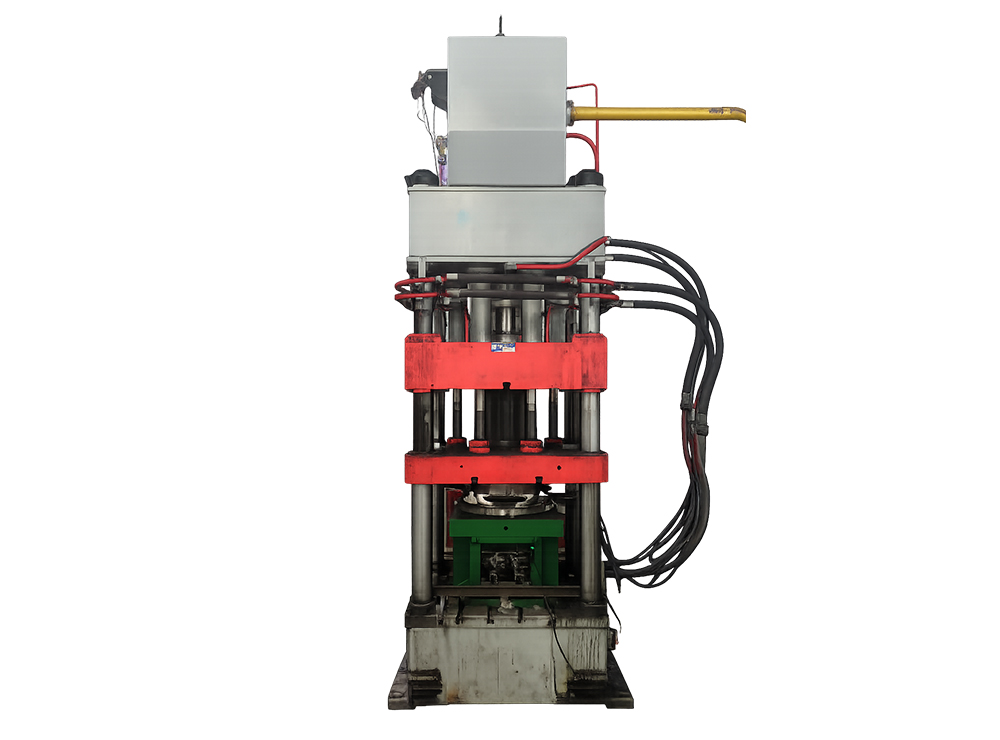
After selecting the steel plates, the plates undergo forming. This process involves cutting the steel sheets to specified sizes before being shaped into cylindrical forms.
2.2. Plate Forming
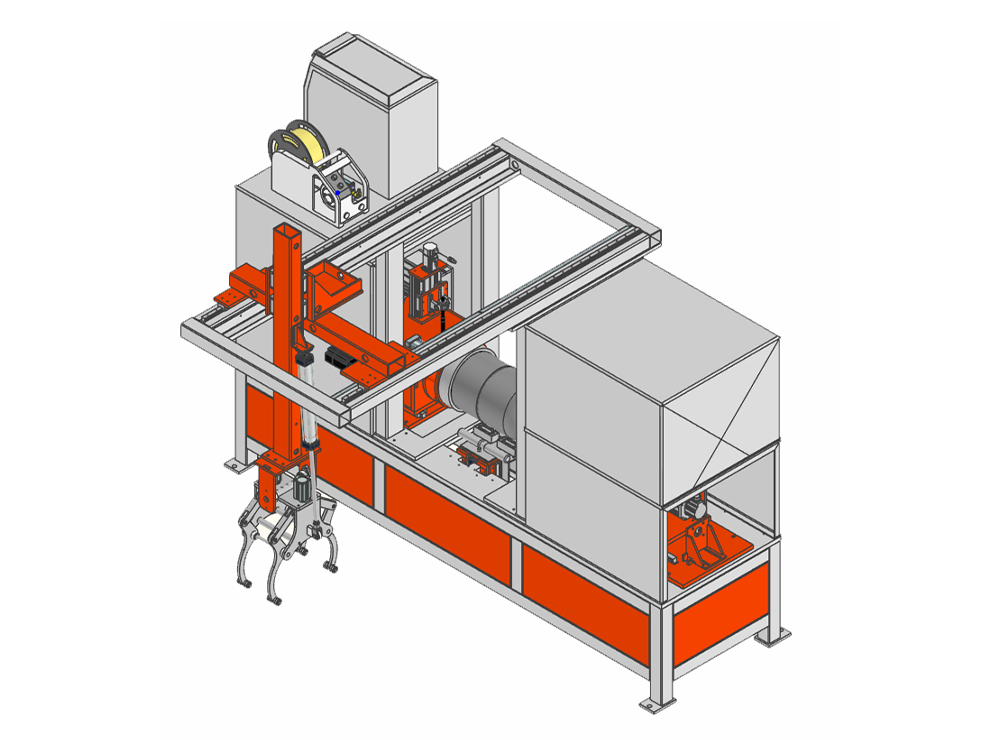
Welding is essential for joining the formed steel plates. This process ensures that the cylinder is robust and can withstand high pressure.
2.3. Welding
Once welded, the cylinders undergo heat treatment. This step enhances the ductility and toughness of the welded joints, making them safer.
2.4. Heat Treatment
Quality checks are performed at various stages, particularly after welding and heat treatment. The cylinders are subjected to Hydrostatic Testing, which ensures they can handle the required pressure. Testing methods include:
| Test Type | Description |
|---|---|
| Hydrostatic Test | Cylinders are filled with water and pressurized. |
| Ultrasonic Testing | Checks for internal flaws in the material. |
| Magnetic Particle Inspection | Detects surface and near-surface defects. |
2.5. Testing for Quality and Safety
Surface treatment involves cleaning and applying protective coatings to prevent corrosion. This step increases durability and lifespan.
2.6. Surface Treatment
A final inspection ensures all specifications and safety standards are met before the cylinders are released for shipping. This step is crucial for maintaining quality assurance.
2.7. Final Inspection
3. Packaging and Distribution
Effective packaging ensures safe transportation. LPG cylinders are generally packed in clusters using protective materials to prevent damage.
3.1. Safe Packaging Methods
Understanding distribution channels is essential. Common methods include trucks and freight, chosen based on the destination and quantity.
3.2. Distribution Channels
4. Environmental Considerations
Manufacturers are incorporating eco-friendly practices to reduce environmental impact. This includes recycling scrap materials from production.
4.1. Eco-Friendly Practices
Adhering to local and international regulations is critical for sustainability in LPG cylinder manufacturing.
4.2. Compliance with Regulations
The complete LPG cylinder manufacturing process encompasses a series of precise steps, each contributing to the overall safety and reliability of the product. By understanding this process, distributors can ensure that they provide high-quality cylinders to their customers. For more information regarding LPG cylinder production lines, reach out to Shuofang, a trusted name in the industry.