Common Surface Defects in LPG Cylinders and How to Prevent Them
Oct.29, 2026
Common Surface Defects in LPG Cylinders and How to Prevent Them requires more than a quick visual check. Dents, corrosion, pitting, gouges, cuts, cracks, bulges, burns, weld-area damage, and coating failure can indicate handling damage, chemical attack, manufacturing problems, or loss of pressure-retaining capacity. I recommend that any cylinder with questionable damage be isolated and assessed before filling, sale, transport, or return to service.
Key Takeaways
- Surface defects range from cosmetic coating wear to damage that can reduce pressure-retaining safety.
- Corrosion, pitting, cracks, bulges, and weld damage require more than a routine visual inspection.
- A complete inspection combines cleaning, lighting, dimensional checks, leak testing, and qualified pressure testing.
- Good prevention links receiving inspection, careful handling, dry storage, coating maintenance, and requalification records.
- Damaged cylinders should be identified, segregated, documented, and released only by authorized personnel.
Common Surface Defects in LPG Cylinders
The most common LPG cylinder surface defects are corrosion, pitting, dents, gouges, cuts, cracks, bulges, burns, coating damage, and weld-area defects. I classify each defect by its appearance, likely cause, safety significance, inspection method, and recommended disposition. A surface mark should not be accepted or rejected only by appearance because the same visible defect may have different consequences depending on its depth, location, orientation, and effect on the cylinder wall.
| Defect | Typical appearance | Likely cause | Safety significance | Recommended inspection |
|---|---|---|---|---|
| General corrosion | Red, brown, black, or flaky surface deposits | Moisture, salts, chemicals, poor coating | May reduce wall thickness over time | Clean, inspect, measure affected area, assess thickness |
| Pitting | Small, deep cavities or pinhole-like depressions | Localized corrosion, chlorides, stagnant moisture | Can create concentrated wall loss | Clean and measure pit depth; escalate when deep or clustered |
| Dents | Smooth depression or sharp deformation | Dropping, impact, stacking, vehicle handling | May introduce stress or reduce internal volume | Measure depth, length, location, and nearby weld condition |
| Gouges and cuts | Narrow grooves with displaced or removed metal | Contact with tools, hooks, forks, or sharp edges | May reduce wall thickness and create stress concentration | Measure depth and inspect for cracking |
| Cracks | Linear opening, hairline indication, or branching mark | Stress, impact, welding defect, corrosion | Potential leak or pressure failure path | Remove from service and arrange qualified testing |
| Bulges | Local outward swelling | Overpressure, overheating, weakened wall | Indicates permanent deformation | Remove from service pending authorized assessment |
| Burns and heat damage | Discoloration, blistering, warped metal, damaged coating | Fire, torch contact, radiant heat | May alter metal properties and coating protection | Isolate and require competent technical evaluation |
| Coating failure | Blistering, peeling, bare steel, under-film rust | Moisture, impact, poor preparation, aging | Exposes steel to faster corrosion | Remove loose coating, treat corrosion, recoat under specification |
| Weld-area damage | Cracks, undercut, porosity indication, distortion | Welding or impact near seams and fittings | Can affect pressure-retaining joints | Use qualified inspection and testing methods |
Corrosion and Pitting
Corrosion is one of the most frequent LPG cylinder surface problems. It commonly begins where water, salt, fertilizer dust, cleaning chemicals, or LPG-related contaminants remain on the surface. Corrosion may appear as discoloration at first, but longer exposure can produce scale, pits, blistering paint, and measurable wall loss.
Pitting is more difficult to judge because a small surface area can contain a relatively deep cavity. I do not treat light surface rust and deep pitting as the same condition. After cleaning, the inspector should measure the affected region and compare the remaining wall condition with the applicable cylinder specification, requalification rules, or authorized inspection procedure.
Dents, Gouges, and Cuts
A dent is a depression caused by impact or deformation, while a gouge or cut removes or displaces metal. A shallow, rounded dent in a non-critical area may have a different disposition from a sharp dent located near a circumferential weld, valve connection, foot ring, or handle attachment. The inspection record should include the dent’s depth, length, width, position, and visible sharpness.
I treat gouges and cuts with particular caution because they can create a stress concentration. Cleaning or painting over a groove does not restore lost metal. If the defect has sharp edges, visible tearing, a crack-like extension, or uncertain depth, the cylinder should be isolated for assessment rather than placed back into filling service.
Cracks, Bulges, and Heat Damage
Cracks may be visible as fine linear marks, branching lines, or openings that become clearer after cleaning. Some cracks are associated with impact, corrosion, weld areas, or repeated stress. Because a crack can extend below the visible surface, I do not recommend grinding, welding, or local repair by unqualified personnel.
A bulge indicates permanent outward deformation and should be treated as a serious condition. Heat damage can also be difficult to judge from color alone because fire exposure may affect the steel, welds, valves, and protective coating. A cylinder with a bulge, severe discoloration, melted fittings, or suspected fire exposure should be removed from service until assessed under the applicable technical procedure.
!
How LPG Cylinder Surface Defects Occur
LPG cylinder surface defects develop through several stages of the supply chain. Cylinders may be dropped during loading, dragged across concrete, struck by forklift equipment, stacked against sharp edges, or exposed to road salt and standing water during transport. Repeated impacts can also damage the protective coating even when the steel deformation appears minor.
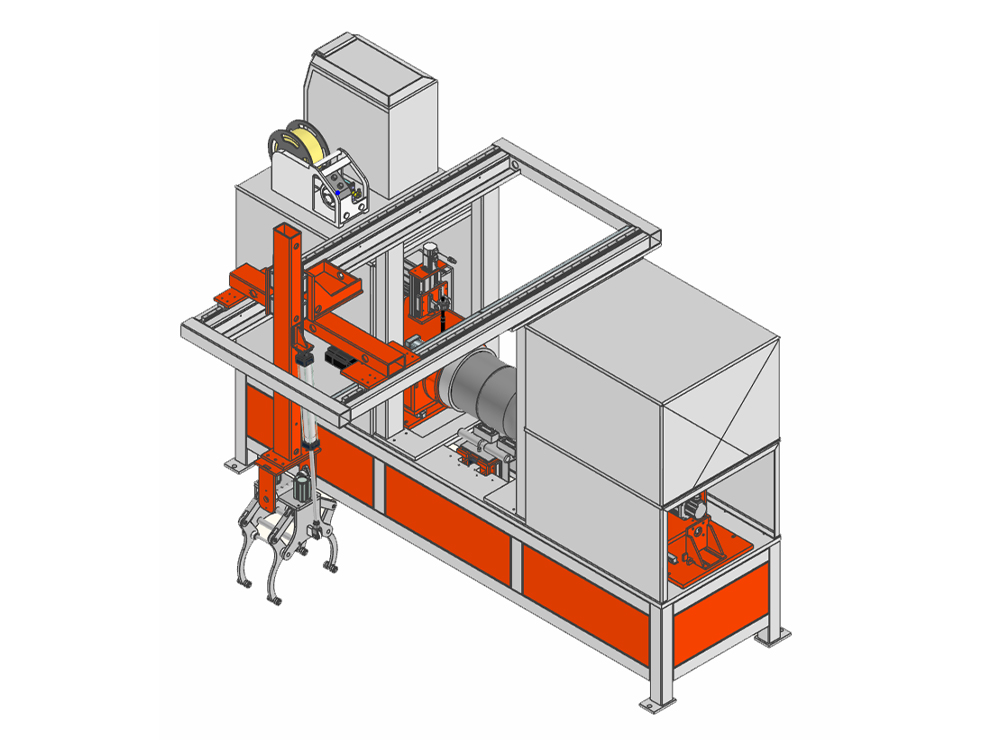
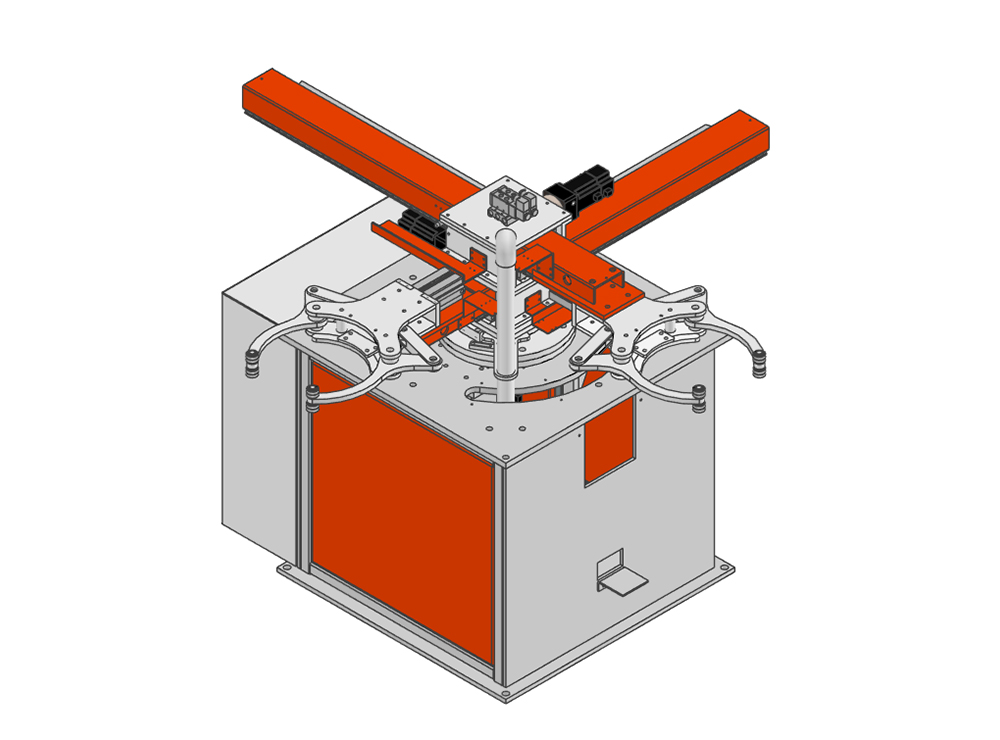
Manufacturing conditions can contribute to defects when forming, trimming, welding, heat treatment, blasting, or coating processes are not controlled. Uneven weld profiles, incomplete surface preparation, trapped contamination, and coating voids can create locations where corrosion starts earlier. Equipment such as hydro testing machines, air leakage testing machines, shot blasting machines, and coating systems should be integrated into a documented quality-control process.
The operating environment is another major factor. Moisture-driven corrosion accelerates when cylinders are stored directly on wet floors or exposed to condensation, while chlorides can attack damaged coating around the base and lower shell. In some industrial environments, hydrogen sulfide, carbon dioxide, acidic deposits, microbiologically influenced corrosion, and stress-related mechanisms may increase the rate or severity of damage.
LPG Cylinder Surface Inspection Checklist
I use a staged inspection process so that obvious defects are identified before more time-consuming tests are performed. The cylinder should be identified by serial number, service history, manufacture date, test status, and owner or filling plant record. Any cylinder with an immediate safety concern should be tagged and segregated before cleaning or handling continues.
Receiving and Cleaning Inspection
Start by checking the cylinder body, foot ring, handguard, valve area, welds, markings, and previous inspection date. Remove loose dirt, oil, scale, and flaking coating using a method that does not damage the steel or hide defects. Cleaning is important because dirt can conceal pits, cuts, cracks, and coating blisters.
Use adequate lighting and inspect the entire circumference rather than only the front-facing side. Rotate the cylinder where practical and examine the underside, base contact area, lifting points, valve protection, and weld transitions. Record photographs and measurements for any defect that may require later comparison.
Visual and Dimensional Examination
The visual inspection should identify the defect type and establish whether the surface has changed shape. For dents and bulges, measure depth and overall dimensions with suitable gauges or calibrated tools. For gouges and pits, measure the affected length, width, and depth where the procedure permits.
Location matters as much as size. Damage close to a weld, valve connection, neck ring, foot ring, or other attachment may receive a stricter assessment than similar damage on an undistorted area. I also look for multiple small defects because a group of pits or repeated impacts can indicate a wider corrosion or handling problem.
Leak and Pressure Testing
A leak test can identify loss of gas tightness, but it does not prove that the cylinder has adequate wall thickness or structural condition. Testing should be performed with the correct equipment, controlled procedures, and trained personnel. Cylinders containing LPG must be handled under site safety rules, with ignition control, ventilation, and appropriate gas-freeing procedures.
Qualified hydrostatic or pressure testing may be required during requalification or when the cylinder’s condition cannot be confirmed visually. The test pressure, holding time, acceptance criteria, and equipment calibration must come from the applicable code, cylinder specification, or regulatory authority. I never use a successful leak test as a reason to ignore a crack, bulge, severe dent, or deep corrosion.
Non-Destructive Testing and Escalation
Non-destructive testing may be appropriate for weld-area indications, suspected cracks, or defects that are not fully characterized by visual examination. The method should be selected by a qualified person because magnetic particle, liquid penetrant, ultrasonic, or other techniques have different applications and limitations. Surface preparation and equipment calibration can affect the reliability of the result.
When a defect cannot be classified confidently, the cylinder should remain out of service. The inspection record should state the defect, location, measurements, test results, photographs, inspector, date, and final disposition. This creates traceability for filling plants, distributors, maintenance teams, and requalification providers.
Practical Decision Rules for Acceptable Wear and Rejection
Not every mark means that a cylinder must be discarded, but not every painted-over mark is acceptable. Light dirt, removable surface staining, and limited coating scuffing may be manageable when the steel remains sound and the cylinder passes the required inspection. The final decision should still follow the applicable cylinder standard and the authority responsible for requalification.
| Condition | Initial action | Typical decision direction |
|---|---|---|
| Surface dirt or removable staining | Clean and reinspect | Continue only if no damage is found |
| Minor coating scuff without exposed corrosion | Record and repair coating | Return after approved maintenance inspection |
| Stable shallow dent with no sharp deformation | Measure and assess | Accept only if within governing criteria |
| Deep dent, sharp fold, or dent near weld | Isolate | Require qualified assessment or reject |
| Local rust with no measurable serious wall loss | Clean and treat | Recoat and monitor under procedure |
| Deep pitting or widespread corrosion | Isolate and measure | Require technical evaluation or reject |
| Any crack or suspected crack | Remove from service | Qualified testing and disposition required |
| Bulge or permanent swelling | Remove from service | Do not refill without authorized disposition |
| Fire exposure or severe heat damage | Isolate immediately | Require specialized assessment |
| Damaged weld or valve connection | Remove from service | Qualified inspection before any decision |
A dented or corroded cylinder should not be repaired by heating, hammering, welding, or filling the defect with material unless a formally approved repair method applies. Improvised repair can change the steel properties, hide the original damage, or create a new leak path. For distributors, the safer workflow is to tag the cylinder, move it to a controlled area, and refer it to the responsible inspection or requalification organization.
How to Prevent Surface Defects in LPG Cylinders
Prevention begins at receiving. I recommend checking incoming cylinders for dents, wet storage residue, damaged paint, exposed steel, and missing inspection information before they enter the filling cycle. Separating damaged cylinders at this stage prevents them from moving through the plant and reduces the chance of repeated handling.
Handling procedures should prohibit dragging cylinders across concrete or dropping them from vehicles. Use suitable baskets, conveyors, lifting devices, and protective contact surfaces where possible. Workers should avoid using valve guards, handles, or fittings as lifting points unless those components are specifically designed for that purpose.
Storage areas should keep cylinders away from standing water, corrosive chemicals, fertilizer, waste streams, and direct contact with wet floors. Good drainage, ventilation, roof coverage, and separation from aggressive materials reduce moisture retention. Cylinders should be arranged so that inspection markings remain visible and so that staff can identify damaged units without excessive movement.
Transport control is equally important. Cylinders should be restrained to prevent rolling, impact, and metal-to-metal abrasion. Sharp edges on vehicles, pallets, racks, and loading equipment should be removed or protected. I also recommend recording repeated damage by route, vehicle, shift, or loading point because recurring patterns often identify a process problem rather than isolated operator error.
How to Prevent Corrosion on LPG Cylinders
LPG cylinder corrosion prevention depends on keeping the steel clean, dry, and protected. Remove salts, mud, oil, and chemical deposits before they remain on the surface for extended periods. After washing, allow cylinders to dry fully before storage, coating, or packaging.
Coating maintenance should include surface preparation, compatible primer or repair material, correct curing conditions, and inspection for coverage defects. A Powder coating line can support controlled surface finishing in manufacturing or refurbishment operations when the steel preparation, powder specification, curing profile, and coating inspection are defined. Shuofang supplies LPG cylinder production equipment, including surface coating equipment, testing equipment, and related production-line systems for cylinder manufacturers.
Coating failure should be repaired before corrosion spreads beneath the surrounding film. Blistered or peeling areas need to be assessed rather than covered with a new layer of paint. A repair record should state the preparation method, coating material, affected area, date, and person responsible.
Creating a Complete Defect Prevention Workflow
A reliable workflow connects inspection, maintenance, testing, and accountability. I recommend assigning clear responsibilities for receiving inspection, filling-line checks, storage supervision, transport review, coating maintenance, and final release. Each role should have written acceptance criteria and an escalation route for defects outside routine limits.
The workflow can follow this sequence:
- Receive and identify the cylinder: Record serial number, ownership, inspection status, and visible condition.
- Clean and inspect: Remove contamination and examine the body, welds, valve area, base, and handguard.
- Classify the defect: Separate cosmetic wear, repairable coating damage, measurable deformation, corrosion, and rejection-level conditions.
- Segregate questionable cylinders: Use physical separation and status tags to prevent accidental filling.
- Test when required: Apply leak, dimensional, pressure, or non-destructive testing through qualified personnel.
- Repair only under an approved procedure: Do not weld, heat, hammer, or coat over unassessed damage.
- Reinspect and document: Confirm the result and retain measurements, photographs, test records, and disposition.
- Review recurring causes: Use defect trends to improve handling, storage, transport, and coating controls.
Periodic requalification should be managed according to the applicable national regulation, cylinder standard, and inspection authority. The interval and test method can differ by cylinder design, service environment, jurisdiction, and ownership system. A filling plant should not substitute an informal visual check for a required requalification examination.
When to Remove a Damaged LPG Cylinder from Service
I recommend immediate removal from service when a cylinder has a crack, bulge, severe dent, deep gouge, significant pitting, suspected fire exposure, serious weld damage, valve-area deformation, or an unidentified defect that cannot be judged safely. The cylinder should be closed off from filling operations and marked with its identification number and reason for isolation. Staff should not rely on memory or verbal warnings.
A cylinder may return to service only after the required inspection, testing, repair, and documentation have been completed. The release decision should come from an authorized inspector, requalification provider, or responsible technical authority. If the cylinder fails the applicable acceptance criteria, it should be permanently removed from service through the approved disposal process.
Conclusion
Common Surface Defects in LPG Cylinders and How to Prevent Them covers both visible damage and the operating controls that stop defects from becoming safety failures. I recommend inspecting cylinders at receiving, cleaning them before assessment, measuring dents and pits, checking coating condition, applying leak and pressure testing when required, and removing cracks, bulges, severe corrosion, and suspected heat-damaged cylinders from service.
For manufacturers and filling plants, prevention depends on the complete process: controlled forming and welding, suitable testing equipment, dry storage, careful handling, protected transport, coating maintenance, and documented requalification. Shuofang’s LPG cylinder production solutions include equipment such as a Powder Coating Line, hydro testing machines, air leakage testing machines, and other production-line systems that support inspection and surface protection. The practical objective is clear: identify defects early, prevent corrosion and impact damage, document every decision, and return only verified cylinders to service.