Common Materials Used in LPG Cylinder Manufacturing
Aug.12, 2026
Understanding the common materials used in LPG cylinder manufacturing is vital for manufacturers and customers alike. The choice of materials significantly impacts the safety, durability, and performance of LPG cylinders. This article will explore the essential materials employed in production, including steel, aluminum, and composite materials. By addressing the frequently asked questions, we aim to provide clarity on the best options for your LPG cylinder needs.
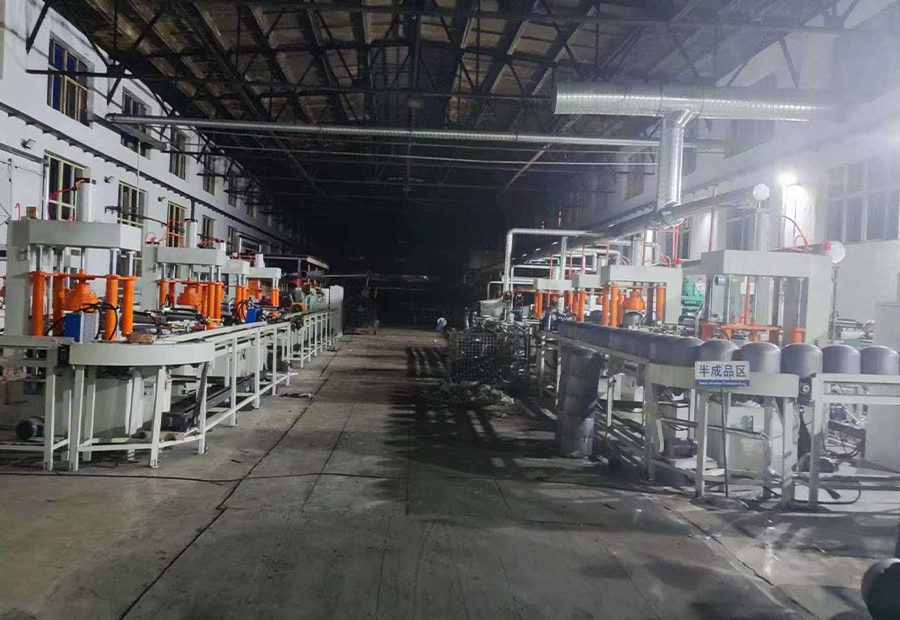
Steel is the most commonly used material for LPG cylinders due to its strength and durability.
1. Steel
Carbon steel is the primary type of steel used in manufacturing LPG cylinders. It consists of iron and carbon, making it both robust and cost-effective. The material is capable of withstanding the high-pressure conditions found in gas storage.
1.1 Carbon Steel
Galvanized steel has a protective zinc coating that prevents rust and corrosion. It extends the lifespan of the cylinder, making it an ideal choice for environments with high humidity.
1.2 Galvanized Steel
Aluminum is another popular material used in LPG cylinder production, known for its lightweight properties.
2. Aluminum
Aluminum cylinders are significantly lighter than their steel counterparts, making them easier to transport. They also have excellent resistance to corrosion, providing longevity in various conditions.
2.1 Advantages of Aluminum
| Criteria | Steel Cylinders | Aluminum Cylinders |
|---|---|---|
| Weight | Heavier | Lighter |
| Corrosion Resistance | Moderate | High |
| Cost | Lower | Higher |
| Durability | High | Moderate |
2.2 Comparison with Steel
Composite materials, such as fiber-reinforced plastics, are growing in popularity for LPG cylinder manufacturing.
3. Composite Materials
These materials are known for their high strength-to-weight ratio and excellent resistance to corrosion. While they tend to be more expensive than traditional materials, their benefits in terms of durability are substantial.
3.1 Benefits of Composites
Many countries are beginning to adopt composite LPG cylinders due to safety improvements and lighter weights. These cylinders have successfully passed safety tests, showcasing their effectiveness in real-world applications.
3.2 Case Study: Composite Cylinder Usage
The process of manufacturing LPG cylinders involves several critical steps:
- Material selection and preparation
- Forming the cylinder
- Welding the seams
- Surface treatment
- Quality control testing
4. The Manufacturing Process: Step-by-Step
4.1 Flow Chart of Manufacturing Process
5. Choosing the Right Material
Selecting the right material depends on various factors, including:
- Purpose of use
- Environmental conditions
- Transport needs
- Regulatory requirements
5.1 Safety Considerations
Safety should always be a priority when selecting materials for LPG cylinders. Following regulations and industry standards is crucial to ensuring safe storage and transportation.
6. Conclusion
The materials used in LPG cylinder manufacturing play a crucial role in their functionality and safety. Steel, aluminum, and composite materials each offer unique benefits.
Ultimately, understanding these materials will aid manufacturers and buyers alike in making informed decisions that comply with industry standards while ensuring safety and durability. As a leading manufacturer, Shuofang continues to innovate and provide high-quality LPG cylinders to meet diverse customer needs.