Best Practices for Leak Testing During LPG Cylinder Production
Aug.14, 2026
Leak testing during the production of LPG cylinders is not just a regulatory requirement; it is vital for ensuring product safety and reliability. Proper leak testing can significantly reduce risks related to gas leaks, leading to catastrophic failures. Understanding best practices in leak testing can help manufacturers enhance product quality and adhere to safety standards. Here are the essential best practices to implement.
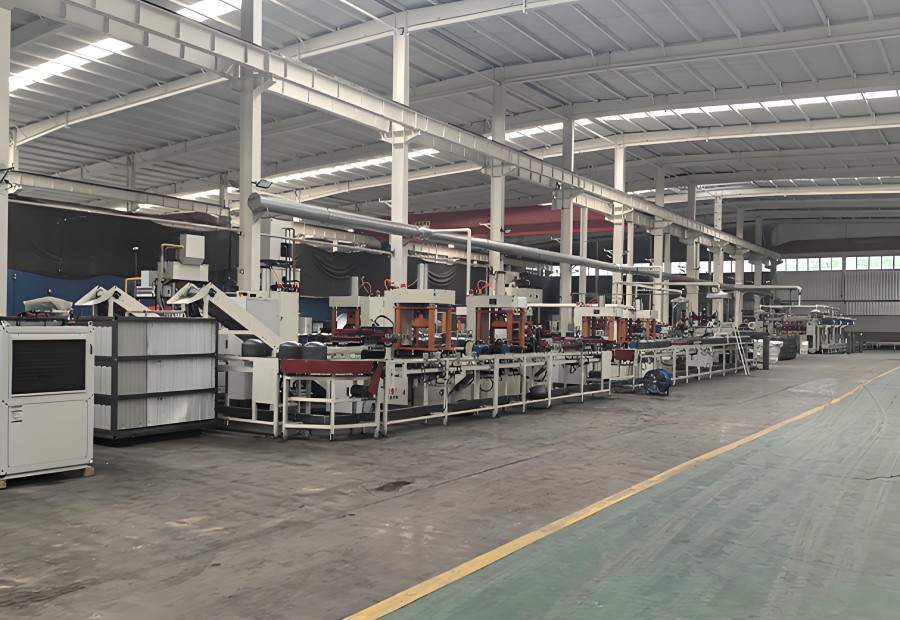
Leak testing is essential in LPG cylinder production for three main reasons:
1. Understand the Importance of Leak Testing
Leak testing mitigates the risk of accidents caused by gas leaks, protecting workers and end-users.
(1) Safety Assurance
Manufacturers must comply with strict safety regulations, and proper leak testing helps meet these legal requirements.
(2) Regulatory Compliance
Regular tests enhance product reliability, leading to customer satisfaction and return business.
(3) Quality Control
Choosing the right leak testing method depends on several factors including production type and budget. Here are common methods used:
2. Types of Leak Testing Methods
Measures the pressure drop in a sealed container over time to detect leaks.
(1) Pressure Decay Testing
Involves using helium as a tracer gas, which is sensitive to even tiny leaks.
(2) Helium Leak Testing
Involves applying a soap solution to the cylinder and observing for bubble formation, indicating leaks.
(3) Bubble Testing
Utilizing the right equipment ensures accurate and efficient testing. Here are equipment options:
| Equipment Type | Benefits |
|---|---|
| Electronic Leak Detectors | Portable and sensitive to minute leaks. |
| Pressure Test Machines | Automates the testing process and provides consistent results. |
| Flow Test Meters | Measures the flow rate for leak detection. |
3. Recommended Leak Testing Equipment
Follow this systematic approach for effective leak testing:
4. Implement a Step-by-Step Testing Process
Ensure all equipment is calibrated and set up in a clean environment.
Step 1: Preparation
Check for any visible damages or irregularities in the cylinder.
Step 2: Conduct Initial Inspection
Choose the appropriate method and carry out the test diligently.
Step 3: Perform Leak Test
Document test results and review any discrepancies.
Step 4: Analyze Results
If leaks are detected, apply necessary repairs and retest before final inspection.
Step 5: Follow-Up Actions
Regular maintenance of leak testing equipment is crucial for effectiveness. Important protocols include:
5. Calibration and Maintenance Protocols
Regular calibration ensures the accuracy of the testing equipment.
(1) Calibration Checks
Establish a maintenance schedule to inspect and service equipment.
(2) Routine Maintenance
Document all maintenance procedures for accountability and compliance.
(3) Record Keeping
Investing in training your workforce is essential. Here’s why:
6. Training and Workforce Development
Regular training sessions enhance knowledge about new testing techniques and technologies.
(1) Skill Development
Educating staff on safety protocols prevents accidents during testing.
(2) Safety Awareness
Well-trained staff contribute to better testing outcomes and improved product quality.
(3) Quality Improvement
Using test data effectively can improve processes:
7. Data-Driven Decision Making
Analyzing test results can reveal trends and areas for improvement.
(1) Statistical Analysis
Implement quality control measures based on data trends to enhance reliability.
(2) Quality Checks
Use data to identify common failure points and address them proactively.
(3) Preventative Measures
The implementation of best practices in leak testing during LPG cylinder production is not negotiable. Adhering to effective leak testing methods, investing in quality equipment, maintaining rigorous testing processes, and fostering an educated workforce are all paramount to achieving safety, compliance, and efficiency. By following these best practices, manufacturers will not only enhance their operational performance but also contribute significantly to creating safer industrial environments.
For further assistance in optimizing your leak testing processes, connect with Shuofang to explore cutting-edge solutions tailored for the LPG cylinder production industry.