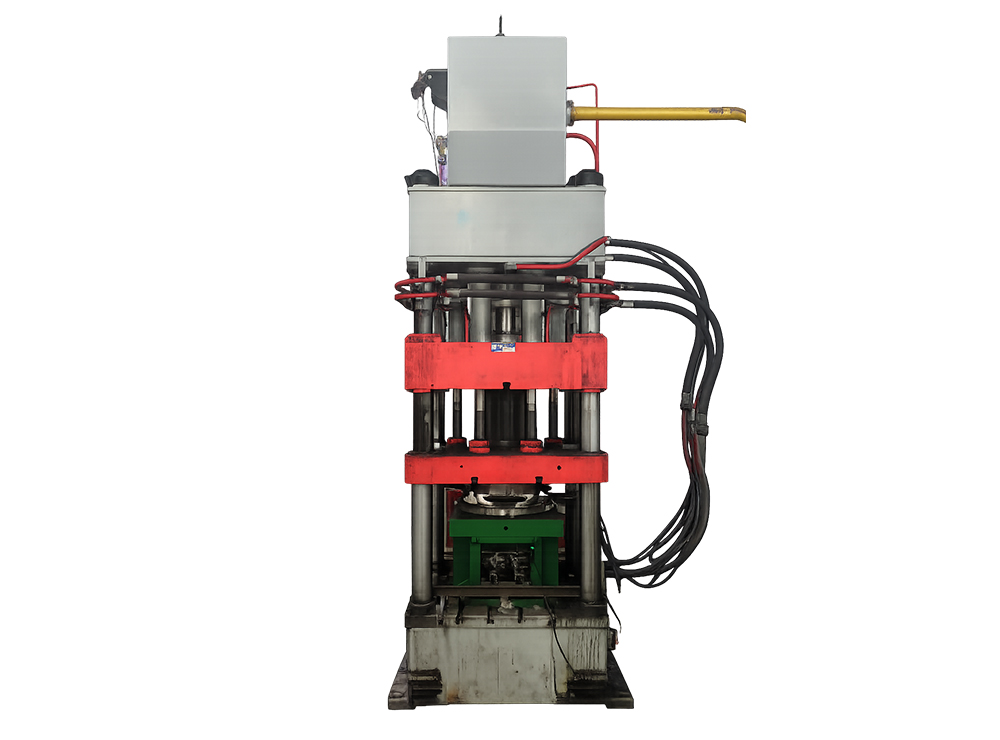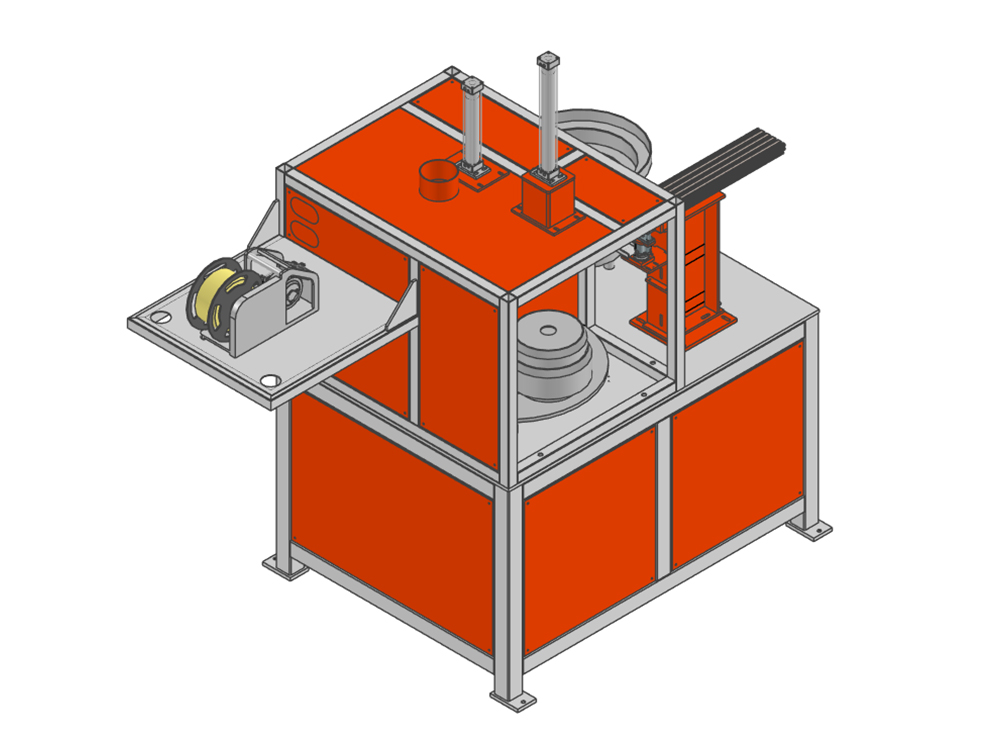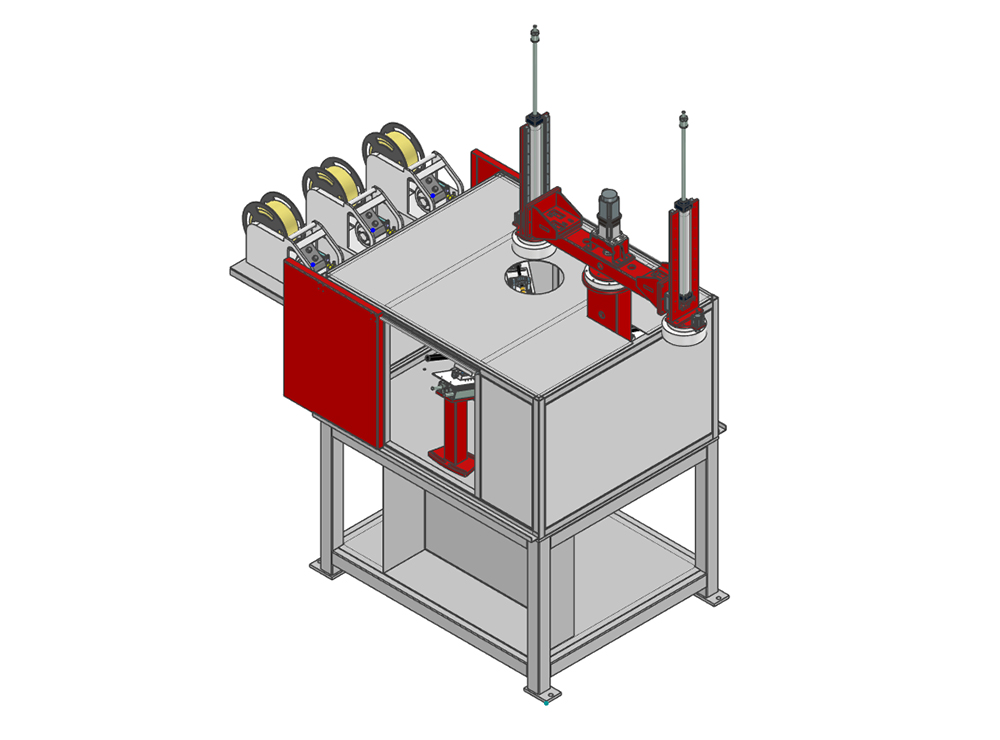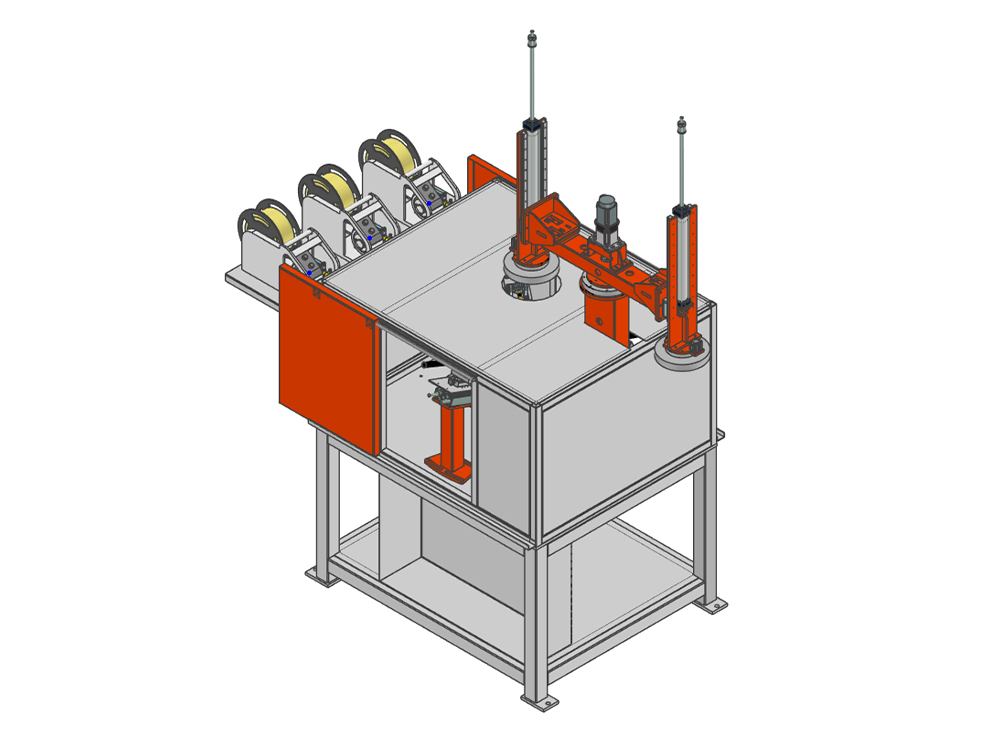
Automatic vs Semi-Automatic LPG Cylinder Production Lines: Which Is Right for You?
Aug.06, 2026
When it comes to the production of LPG cylinders, manufacturers often grapple with the choice between automatic and semi-automatic production lines. This pivotal decision can significantly impact operational efficiency, cost-effectiveness, and production quality. Users frequently ask: "Which system is more economical?" or "What are the production time differences?" These concerns are not trivial, as manufacturers strive to optimize their production processes while grappling with the inherent challenges of labor costs and safety regulations. In this article, we explore these pain points and present data-driven solutions to assist you in making an informed decision.
Parameter Comparison Table: Automatic vs Semi-Automatic Production Lines
| Feature | Automatic Production Line | Semi-Automatic Production Line |
|---|---|---|
| Initial Investment Cost | $500,000 - $800,000 | $200,000 - $300,000 |
| Production Speed | 2,000 cylinders/hour | 800 cylinders/hour |
| Labor Requirement | Minimal (2-3 operators) | Moderate (5-10 operators) |
| Maintenance Frequency | Monthly | Quarterly |
| Operational Efficiency | 95% | 75% |
Scenario Adaptation Comparison: Tailoring the Right Solution
Understanding the specific needs of your production facility is crucial when deciding between automatic and semi-automatic LPG cylinder production lines. For instance, a large multinational company in Brazil, faced with 20% year-on-year growth, opted for an automatic line to keep up with demand, increasing their output to 2,000 cylinders per hour. This decision led to a 40% decrease in production costs per unit and a significant improvement in turnaround time. On the other hand, a smaller company in India faced an initial investment barrier. They chose a semi-automatic production line, which delivered substantial savings on initial setup, while still enabling them to produce 800 cylinders per hour, meeting their quarterly targets.
Price Analysis: Cost-Benefit Breakdown
The initial investment is often a decisive factor. Automatic production lines typically require a capital outlay of $500,000 to $800,000, while semi-automatic lines cost between $200,000 and $300,000. However, considering the return on investment (ROI), the automatic lines yield a lower cost per cylinder over time, estimated to be $1.50 for automatics versus $2.30 for semi-automatics. Thus, while the upfront costs might be daunting for a new entrant, established firms can recoup their investment quickly through increased production efficiency and reduced labor costs.
User Word-of-Mouth Evaluation
Real-world feedback from users highlights the differences in operational experiences. A large manufacturer reported, "Our switch to an automatic LPG cylinder line reduced our labor costs by 60% and increased our production speed by 150%. We can now fulfill larger orders with confidence." In contrast, a semi-automatic line user stated, "While our production is slower, the lower investment allowed us to divert funds into marketing, leading to a 30% sales increase. It meets our needs perfectly for now."
Selection Suggestions: In-Depth Evaluations and Real Stories
When exploring automatic and semi-automatic options, it's vital to weigh your unique circumstances. Companies like Shuofang have carved a niche in providing customized solutions that bridge the gap between these two approaches. Based on user case studies, here are tailored recommendations:
- If you are a startup or have limited capital: Consider the semi-automatic line for initial success and gradual scaling.
- If your market requires rapid expansion and you have capital: Invest in the automatic line for high-volume output.
- For businesses focused on flexibility and lower fixed costs: Aim for semi-automatic for adjustable production scales.
Summary: Who Is Suitable and Who Is Not?
Choosing between automatic and semi-automatic LPG cylinder production lines ultimately depends on your operational goals, budget, and production requirements. Automatic lines are best for high-throughput environments that can justify the upfront cost, while semi-automatic lines suit small to mid-sized operations seeking lower initial investments with manageable production outputs. If you're at the crossroads of this decision, consider not just your immediate needs but your long-term growth strategy.
Next Steps and CTA Suggestions
To explore further how Shuofang's solutions can optimize your LPG cylinder production process, schedule a consultation with our experts today. Our team will assess your unique needs and recommend the best system tailored for your business.
FAQ
What is the average lifespan of an LPG cylinder production line?
The average lifespan of well-maintained lines can range between 10 to 20 years, depending on usage and technology advancements.
How much maintenance do these systems require?
Automatic lines typically require monthly checks, whereas semi-automatic lines may need maintenance quarterly. Proper routine checks can extend the functionality of either system.
Can I upgrade my semi-automatic line to an automatic line later on?
Yes, many manufacturers, including Shuofang, offer retrofitting options to enhance existing semi-automatic setups with automated technology.