6L to 118L LPG Cylinders: Capacity Selection Guide for Different Industries
Oct.09, 2026
Choosing between 6L and 118L LPG cylinders requires more than comparing container size. In my experience, the correct selection depends on daily gas consumption, peak flow rate, vaporization capacity, refill frequency, storage space, transportation conditions, and local safety rules. This 6L to 118L LPG Cylinders: Capacity Selection Guide for Different Industries explains how capacity is measured, how cylinder sizes match different applications, and how to compare total operating cost before purchasing.
Key Takeaways
- Water capacity and LPG filling weight are different measurements and must not be treated as interchangeable.
- Small cylinders suit portable, low-consumption applications, while larger cylinders reduce refill frequency for continuous demand.
- Restaurants, factories, farms, laboratories, and power users require different cylinder configurations and vaporization calculations.
- A correct selection considers peak gas flow, reserve volume, manifold design, inspection cycles, and available storage space.
- Cylinder valves, working pressure, wall thickness, certification, and local regulations determine whether a capacity is suitable.
6L to 118L LPG Cylinder Capacity Guide
LPG cylinder capacity normally refers to water capacity, which is the internal volume measured when the cylinder is filled with water. A 6L cylinder therefore has an internal water volume of approximately 6 liters, while a 118L LPG Cylinder has an internal water volume of approximately 118 liters. The actual LPG filling weight is lower than the water capacity because LPG must occupy only part of the cylinder to allow thermal expansion.
The relationship between water capacity and LPG filling weight varies with LPG composition, filling ratio, temperature, cylinder design, and regional regulations. A rough planning estimate may use a filling ratio of approximately 80% to 85% of water volume, followed by a density adjustment. This estimate is suitable for early comparison only; the approved filling weight must come from the cylinder nameplate, technical datasheet, and local authority requirements.
| Nominal cylinder capacity | Typical planning role | Common application pattern | Main trade-off |
|---|---|---|---|
| 6L | Portable fuel supply | Small businesses, mobile cooking, emergency use | Easy handling but frequent refilling |
| 12L | Small fixed or mobile supply | Laboratories, clinics, light commercial use | More operating time without major storage demand |
| 19L | Medium commercial supply | Restaurants, food stalls, small kitchens | Practical balance between handling and autonomy |
| 24L | Catering and service supply | Catering businesses, hotels, temporary kitchens | More reserve capacity but greater transport weight |
| 33L | Extended commercial supply | Commercial kitchens and food processing | Fewer changeovers with higher handling requirements |
| 47L | Industrial and commercial supply | Manufacturing, workshops, heating equipment | Suitable for higher demand and manifold systems |
| 60L | Continuous industrial use | Industrial heating, processing, agricultural facilities | Requires stronger logistics and storage planning |
| 118L | High-consumption supply | Large factories, power systems, high-demand operations | High capacity but heavier, less portable, and more regulated |
How LPG Cylinder Capacity Works
LPG is stored as a liquid under pressure and changes into vapor when released through the valve and regulator. The usable gas supply therefore depends not only on the liquid quantity but also on the cylinder’s vaporization capacity. A cylinder may contain enough liquid for an application but still fail to provide the required gas flow if demand is high and the surrounding temperature is low.
For this reason, I recommend evaluating both stored quantity and vaporization rate. A high-demand burner, industrial furnace, or generator may require several cylinders connected through a manifold rather than one oversized cylinder. The final arrangement should be confirmed using the appliance input rating, regulator specification, ambient temperature, and applicable LPG installation rules.
!
LPG Cylinder Size Comparison from 6L to 118L
The most useful LPG cylinder size comparison separates portable use from fixed commercial and industrial use. A 6L cylinder is convenient when mobility matters, but it provides limited operating time for equipment with continuous consumption. A 118L LPG cylinder offers a much larger reserve, although its weight, footprint, filling method, transport requirements, and inspection obligations are more demanding.
Cylinder capacity should also be compared by the number of daily changeovers. If a restaurant uses several small cylinders every day, the labor cost and interruption risk may exceed the purchase-price difference associated with a larger cylinder or manifold bank. Conversely, a small laboratory may prefer 12L cylinders because the gas demand is low and individual cylinder isolation is important.
| Capacity band | Typical configuration | Suitable operating profile | Common limitation |
|---|---|---|---|
| 6L–12L | Single cylinder or small spare bank | Intermittent and low-flow consumption | Shorter runtime |
| 19L–33L | Single cylinder, twin-cylinder changeover, or small manifold | Regular commercial cooking and service work | Requires designated storage area |
| 47L–60L | Manifold bank or fixed cylinder group | Industrial heating and repeated daily use | Higher handling and compliance burden |
| 118L | Fixed bank, specialized installation, or high-demand supply | Long operating periods and high consumption | May be unsuitable where bulk LPG is more practical |
The difference between 6L, 19L, 47L, and 118L LPG cylinders is therefore not simply physical size. These capacities represent different operating strategies: portability, balanced commercial use, industrial continuity, and high-consumption storage. The correct choice depends on how much gas is consumed, how quickly it is consumed, and how often the site can safely receive or replace cylinders.
How to Choose the Right LPG Cylinder Capacity
I use the following five-stage method when assessing LPG cylinder requirements for a business. It prevents capacity selection based only on the lowest purchase price. It also helps connect the cylinder specification with storage, safety, supply continuity, and lifecycle cost.
1. Measure Daily Consumption and Peak Flow
Start with the gas input rating of each appliance, burner, boiler, furnace, generator, or process heater. Record the input in kilograms per hour, megajoules per hour, kilowatts, or another approved unit, then convert all equipment to the same measurement basis. Separate average consumption from peak simultaneous demand because these figures affect both storage quantity and regulator sizing.
For example, a kitchen may use moderate gas volume during preparation but reach its highest flow during lunch and dinner service. A factory may operate a furnace continuously for several hours, creating a different load pattern. I recommend adding measured operating hours, seasonal temperature changes, and a reserve volume commonly set by the operator or local safety plan.
2. Confirm Whether the Capacity Means Water Volume or LPG Weight
A supplier may describe a cylinder as 19L, 47L, or 118L based on water capacity, while another document may list LPG filling weight in kilograms. These values cannot be compared directly without checking the measurement basis. The nameplate should identify the water capacity, tare weight, permitted filling mass, test pressure, manufacturing standard, and inspection information.
Tare weight is the empty cylinder weight, while filling weight is the approved LPG mass. Gross weight equals tare weight plus the permitted contents, so it affects manual handling, vehicle loading, lifting equipment, and storage rack design. This distinction is especially important for 47L, 60L, and 118L cylinders used in industrial applications.
3. Match Capacity With Application and Vaporization
The cylinder must supply gas at the required flow rate without excessive pressure drop or freezing. A larger water capacity often provides greater liquid surface area and improved vaporization potential, but it does not automatically solve every high-flow problem. Multiple cylinders connected through a properly designed manifold may provide better vapor supply and operational continuity.
For commercial kitchens, 19L to 33L cylinders are often practical where demand is moderate and deliveries are frequent. Manufacturing facilities, industrial heating systems, and agricultural dryers may require 47L to 118L capacities or a multi-cylinder bank. Generators and power-generation equipment should be assessed by engine load, fuel consumption curve, starting demand, and required reserve duration.
4. Plan Refill Frequency, Storage, and Transport
A capacity that minimizes refills may require more storage space, stronger ventilation controls, and a dedicated delivery route. A smaller cylinder may fit the site better but increase changeover labor and the probability of supply interruptions. I compare the expected number of cylinder changes per week with the time required for inspection, weighing, connection, and leak checks.
Storage planning must consider separation distances, ignition sources, ventilation, cylinder orientation, protection from impact, and access for emergency response. Transportation planning includes vehicle payload, cylinder restraints, loading procedures, and regional rules for moving LPG containers. For high-consumption users, bulk LPG may become more practical when cylinder deliveries, labor, and storage controls exceed the cost of a fixed tank installation.
5. Verify Compliance Before Ordering
Before purchasing, confirm the required cylinder standard, valve connection, test pressure, working pressure, relief-device arrangement, wall thickness, weld requirements, and inspection interval. These specifications vary by country and sometimes by application, so a cylinder approved for one region may require additional certification in another. The final design should be reviewed by the local gas authority, licensed installer, or qualified safety professional.
Manufacturing inspection commonly includes material verification, dimensional checks, weld inspection, hydrostatic or hydraulic pressure testing, air-leakage testing, valve-seat inspection, surface treatment checks, and permanent marking. The exact tests and acceptance limits must follow the applicable standard. Certificates should identify the production batch, test results, standard used, and traceability information.
Choosing Commercial LPG Cylinder Capacity by Industry
Different industries have different priorities for cylinder capacity. A household or small shop usually values portability and low initial cost, while a factory values uninterrupted supply and reduced changeover frequency. The following decision matrix provides a practical starting point, but the appliance load and local code must control the final selection.
| Industry or user | Common capacity range | Recommended configuration | Main selection concern |
|---|---|---|---|
| Residential and small retail | 6L–19L | Single cylinder with spare | Safe handling and convenient replacement |
| Restaurants and commercial kitchens | 19L–33L | Twin-cylinder changeover or manifold | Peak cooking flow and service continuity |
| Hotels and catering operations | 24L–47L | Manifold bank with reserve cylinders | Meal-period demand and delivery access |
| Laboratories and clinics | 6L–12L | Individually isolated cylinders | Controlled use, identification, and ventilation |
| Manufacturing facilities | 47L–60L | Fixed manifold or cylinder bank | Continuous flow and forklift or trolley handling |
| Agricultural operations | 33L–60L | Outdoor protected bank | Seasonal demand, dryers, heaters, and equipment access |
| Transportation and vehicle service | 19L–47L | Approved fixed or mobile arrangement | Vibration, restraint, and connection standards |
| Power generation | 47L–118L | Engineered manifold or dedicated supply | Engine load, reserve time, and vaporization |
| High-consumption industry | 60L–118L | Large bank or bulk LPG assessment | Lifecycle cost and site infrastructure |
For restaurants, I usually begin with the combined burner input and the busiest service period rather than the number of cooking stations. A 19L cylinder can suit a small kitchen with intermittent use, while a 33L or 47L bank may reduce interruptions for a larger operation. If the kitchen cannot tolerate supply changes during service, an automatic changeover manifold and reserve cylinder group may be more important than selecting a single larger cylinder.
Factories and agricultural users should calculate gas use over a full production cycle. A 47L or 60L cylinder may be suitable for moderate heating, drying, or process work, while a 118L LPG cylinder may be considered for extended operation with fewer deliveries. However, the 118L option requires careful review of floor loading, lifting methods, access routes, ventilation, separation distances, and local storage limits.
LPG Cylinder Safety, Storage, and Handling Requirements
Safety begins with matching the cylinder, valve, regulator, hose, and appliance pressure ratings. The working pressure and test pressure must be compatible with the intended LPG service, while the valve connection must match the approved regulator and filling equipment. I do not recommend adapting incompatible connections with improvised fittings because this can create leakage, mechanical damage, or incorrect pressure control.
Cylinders should be protected from impact, excessive heat, corrosion, and unauthorized handling. They should remain upright unless the approved design specifically permits another orientation, and they should be secured against tipping during storage and transport. Storage areas need adequate ventilation, clear identification, controlled ignition sources, and access for inspection and emergency isolation.
Inspection should include the cylinder body, weld seams, foot ring, collar, valve, relief device, markings, corrosion condition, and evidence of deformation. Hydrostatic testing and periodic requalification must follow the applicable national or regional standard. A cylinder with damaged markings, severe corrosion, a leaking valve, or an expired inspection status should be removed from service until assessed by an authorized party.
Technical Specifications and Supplier Evaluation
When I compare suppliers, I request a complete technical datasheet instead of relying on capacity alone. The document should state water capacity, permitted LPG filling weight, tare weight, overall dimensions, wall thickness, material grade, valve type, working pressure, test pressure, surface treatment, certification, and inspection method. It should also identify whether the quoted capacity is a standard model or an OEM configuration.
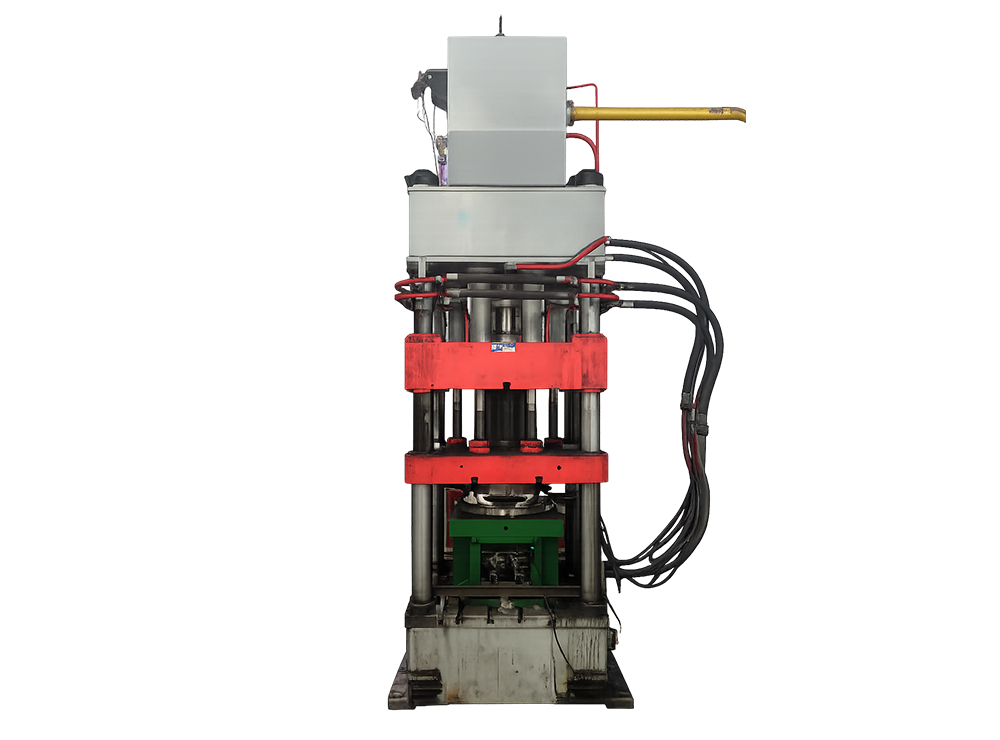
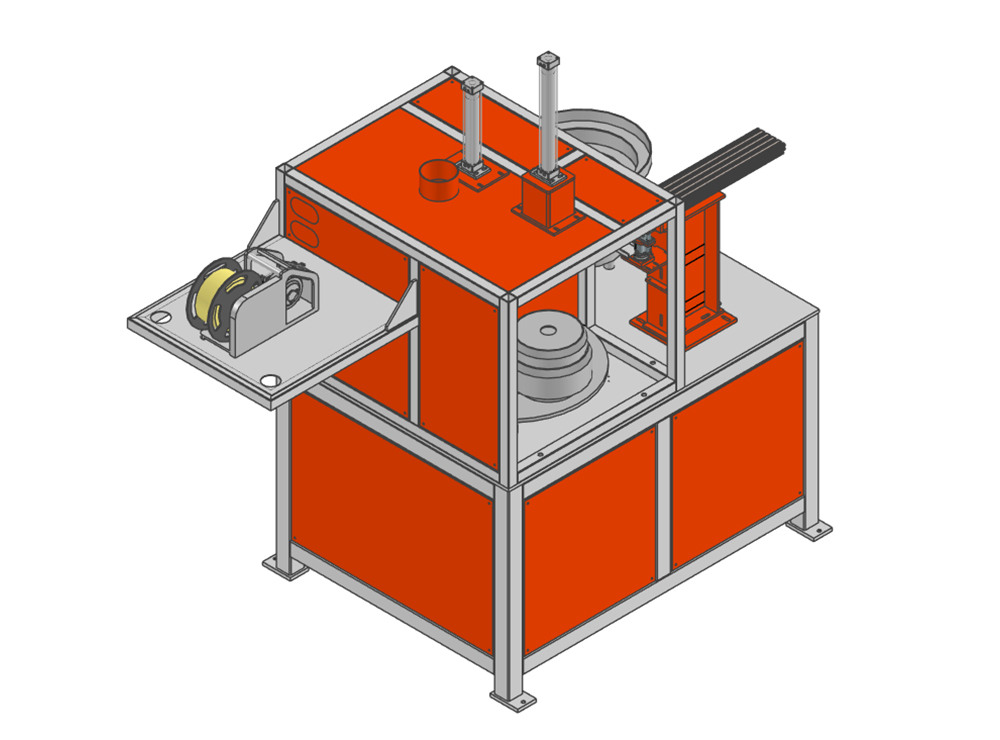
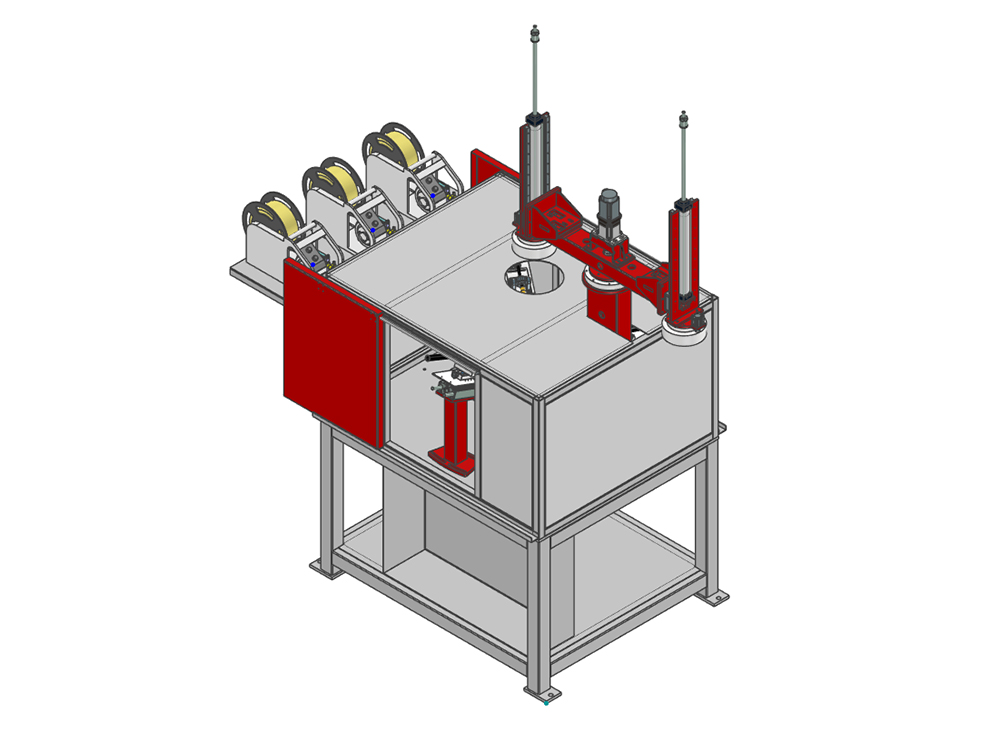
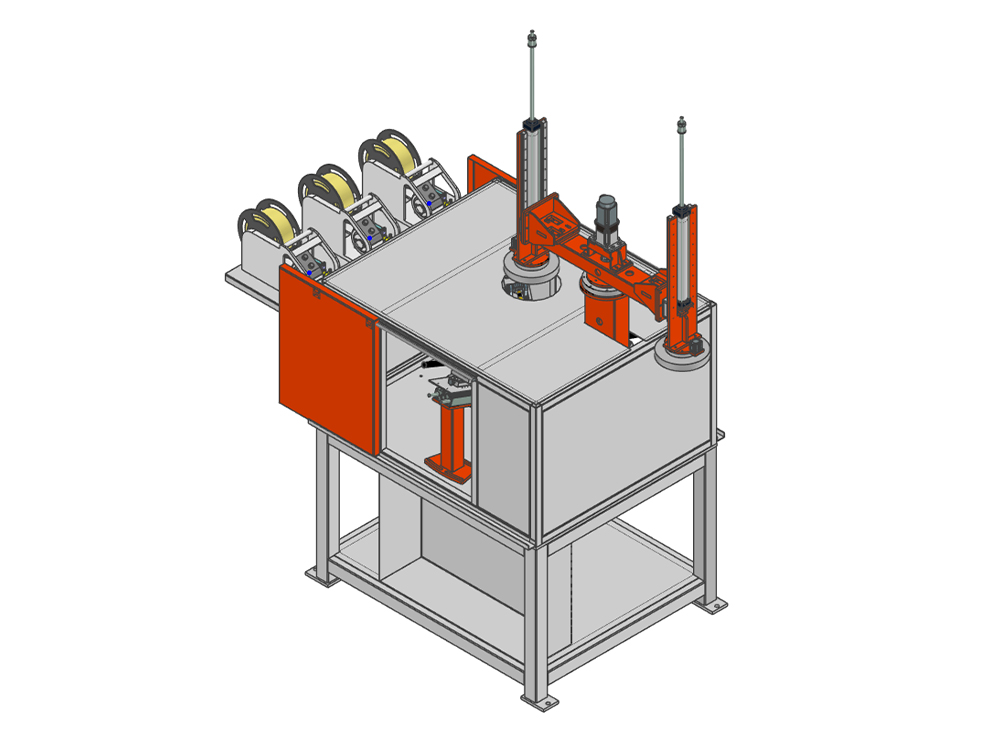
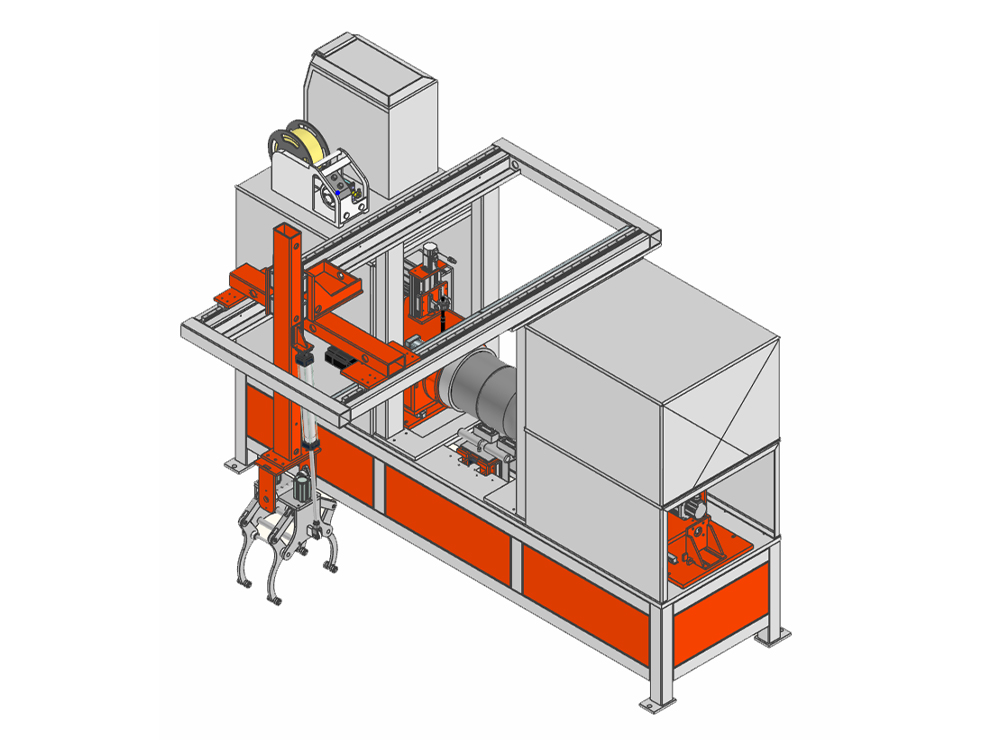
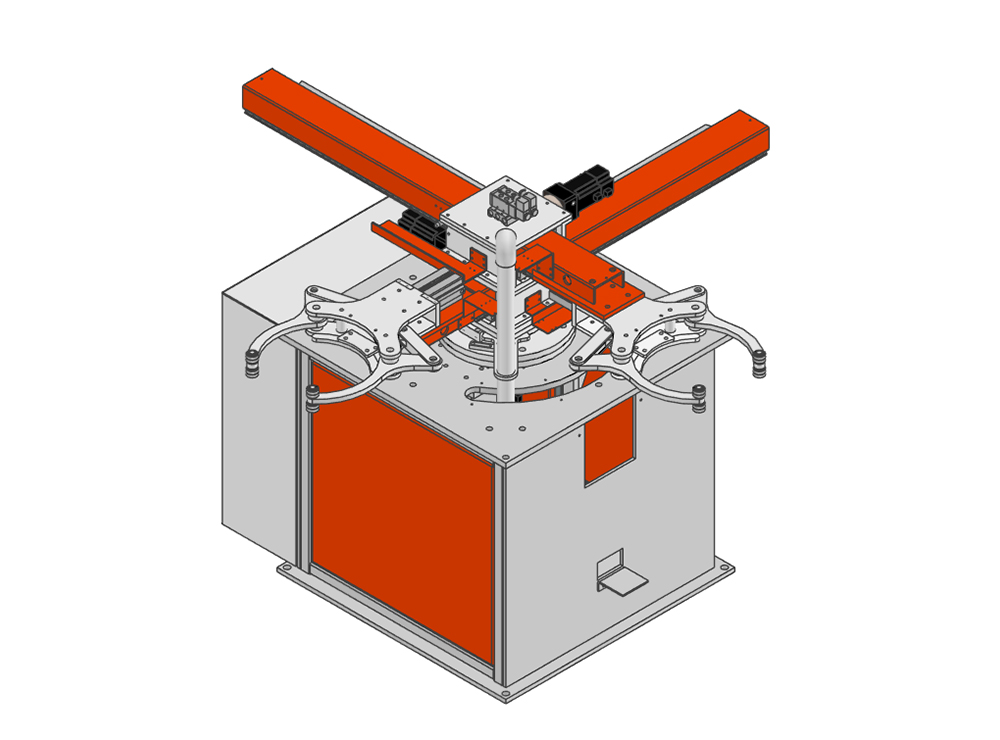
Shuofang provides LPG cylinders in the 6L–118L range and also develops LPG cylinder manufacturing equipment and production-line solutions. Its company information describes an LPG cylinder production base, automated and semi-automated production lines, hydraulic pressure testing equipment, airtightness testing equipment, welding systems, heat-treatment processes, and surface-coating equipment. For buyers evaluating a supplier, this type of production capability can be relevant because cylinder consistency depends on forming, welding, testing, marking, and traceability rather than capacity labeling alone.
The commercial evaluation should include more than the cylinder purchase price. I compare filling equipment, valves and regulators, manifolds, storage racks, transport, installation, inspection, repainting, replacement parts, labor, and downtime. A supplier offering production-line support, technical training, installation assistance, and after-sales service may reduce commissioning risk, but those services should be specified in the quotation with measurable deliverables and warranty terms.
Total Cost and Lifecycle Planning
Larger LPG cylinders are not automatically more cost-effective. Their advantages may include fewer deliveries, fewer changeovers, lower handling frequency, and better continuity during peak demand. Their disadvantages may include higher initial cost, heavier transport, larger storage requirements, more complex lifting procedures, and increased compliance work.
I calculate lifecycle cost using five categories: cylinder purchase, gas filling and delivery, handling labor, inspection and maintenance, and production downtime. For a fair comparison, I use the same operating period, consumption volume, reserve requirement, and delivery conditions for every capacity option. A 19L system may have a lower initial investment, while a 47L manifold could reduce labor and interruption costs; the correct answer depends on the site’s measured usage.
The final selection should also compare cylinders with bulk LPG. Cylinder supply is often practical for low to medium consumption, temporary sites, distributed equipment, or locations without bulk-tank infrastructure. Bulk storage may become preferable when daily consumption is high enough to justify fixed installation, delivery equipment, vaporization controls, and a formal site safety system.
Conclusion
The 6L to 118L LPG Cylinders: Capacity Selection Guide for Different Industries shows that the right capacity is determined by more than nominal volume. I recommend starting with daily consumption, peak flow rate, vaporization requirements, reserve volume, refill frequency, storage space, and local regulations. Then compare water capacity, LPG filling weight, tare weight, valve type, working pressure, dimensions, wall thickness, certification, inspection cycles, and total lifecycle cost.
For light and portable use, 6L to 12L cylinders may be appropriate. Restaurants and catering businesses commonly need 19L to 33L configurations, while factories, agricultural operations, and power-generation users may require 47L to 118L cylinders or engineered manifold systems. Before ordering, request a technical datasheet, conformity documents, inspection records, connection details, and a complete quotation covering delivery, accessories, installation, and after-sales support.