5KG vs 10KG LPG Cylinders: Which Size Is Best for Portable Applications?
Oct.06, 2026
A 5kg LPG cylinder is better when minimum carrying weight, compact storage, and occasional use matter most. A 10kg cylinder is better when longer runtime and fewer refill trips justify its greater filled weight and footprint. The correct choice also depends on appliance demand, cylinder tare weight, regulator compatibility, local standards, and transport conditions.
!
Key Takeaways
- 5KG vs 10KG LPG cylinders: 5kg favors portability, while 10kg favors runtime and fewer refill trips.
- Cylinder capacity describes LPG mass, not total weight; tare weight must be added before transport planning.
- Runtime depends on appliance consumption, with burner demand often ranging from 0.2kg to 1.0kg per hour.
- A 10kg cylinder can reduce refill frequency, but a 5kg cylinder lowers each lifting and handling requirement.
- Regulator connection, valve standard, leak testing, ventilation, and local transport rules matter more than cylinder size alone.
- Shuofang’s cylinder manufacturing focus includes portable models, testing equipment, production lines, and customized specifications.
5KG vs 10KG LPG Cylinders: Key Differences for Portable Applications
When I compare a 5kg LPG cylinder with a 10kg model, I first separate nominal gas capacity from the cylinder’s total filled weight. The “5kg” or “10kg” label normally refers to the approximate mass of LPG inside the container, not the steel body, valve, collar, foot ring, or protective guard. A cylinder marked 5kg may therefore weigh approximately 10kg to 13kg when filled, while a 10kg cylinder may weigh approximately 17kg to 23kg, depending on its tare weight and design.
The main difference is a trade-off between handling effort and operating time. A 5kg cylinder usually occupies less transport space and is easier for one person to lift, load, and position near a portable appliance. A 10kg cylinder can provide about twice the nominal fuel mass, but its greater filled weight may become a practical disadvantage for campers, mobile caterers, service technicians, and users who frequently move equipment.
| Comparison factor | 5kg LPG cylinder | 10kg LPG cylinder |
|---|---|---|
| Nominal LPG capacity | Approximately 5kg | Approximately 10kg |
| Typical filled weight | About 10kg–13kg, depending on tare weight | About 17kg–23kg, depending on tare weight |
| Typical runtime | About half of an equivalent 10kg cylinder | Approximately twice the runtime of an equivalent 5kg cylinder |
| Handling | Easier for one-person carrying | Requires more lifting effort and vehicle space |
| Transport footprint | Smaller in most designs | Larger in most designs |
| Typical applications | Camping, short outdoor cooking, emergency backup | Longer cooking sessions, caravans, mobile food service |
| Refill frequency | More frequent | Less frequent |
| Main limitation | Shorter operating period | Greater weight and storage demand |
These figures are planning ranges rather than universal specifications. Actual dimensions, tare weight, valve type, wall thickness, and protective fittings vary by manufacturer and national standard. Before purchasing, I check the cylinder data plate, stamped tare weight, water capacity, valve specification, and approval marking rather than relying on the nominal gas mass alone.
What Is the Difference Between a 5kg and 10kg LPG Cylinder?
The difference between a 5kg and 10kg LPG cylinder is primarily the amount of liquefied petroleum gas each cylinder is designed to contain. The 10kg option holds roughly twice as much fuel, but it does not necessarily have exactly twice the height, diameter, or total weight. Manufacturers may change the cylinder geometry, steel thickness, base ring, handguard, and valve arrangement to meet handling and pressure requirements.
A 5kg cylinder is normally more suitable when the user carries the cylinder over uneven ground, loads it into a small vehicle, or stores it in a confined compartment. A 10kg cylinder is more suitable when the cylinder remains in one location for several hours or days and the user wants fewer interruptions. For portable applications, I treat the cylinder’s filled weight and footprint as equally important as its fuel capacity.
LPG Cylinder Runtime: Calculate Fuel Use from Appliance Demand
Cylinder size alone cannot determine runtime. I calculate expected LPG cylinder runtime by dividing usable fuel mass by the appliance’s hourly consumption. The basic formula is:
Estimated runtime = usable LPG mass ÷ appliance consumption per hour
For example, if a camping stove consumes 0.25kg of LPG per hour, a 5kg cylinder provides a theoretical runtime of approximately 20 hours, while a 10kg cylinder provides approximately 40 hours. If a larger burner consumes 0.60kg per hour, the theoretical runtimes fall to approximately 8.3 hours and 16.7 hours respectively.
| Appliance consumption | 5kg cylinder theoretical runtime | 10kg cylinder theoretical runtime |
|---|---|---|
| 0.20kg/hour | 25 hours | 50 hours |
| 0.25kg/hour | 20 hours | 40 hours |
| 0.40kg/hour | 12.5 hours | 25 hours |
| 0.60kg/hour | 8.3 hours | 16.7 hours |
| 1.00kg/hour | 5 hours | 10 hours |
Actual runtime is usually lower than the simple calculation because appliances cycle on and off, burners may operate below maximum output, weather affects heat transfer, and some LPG remains unusable when pressure becomes insufficient. For planning, I normally apply a practical allowance of approximately 10% to 20% below the theoretical result. Users should also check the appliance’s stated gas consumption in kilograms per hour, grams per hour, megajoules per hour, or BTU per hour.
A 5kg cylinder may last several weekends when used for short boiling and cooking tasks, but it can be consumed quickly by a high-output griddle, patio heater, or commercial burner. A 10kg cylinder does not reduce the appliance’s fuel consumption; it only increases the amount of fuel available before refilling. This distinction is important when comparing fuel costs and operating schedules.
Portability, Filled Weight, and Transport Space
Is a 5kg or 10kg LPG cylinder easier to transport?
A 5kg LPG cylinder is generally easier to transport because its gas load is 5kg lower before the steel body and fittings are considered. The practical lifting difference can reach approximately 7kg to 12kg between comparable filled cylinders, depending on the tare weight of each model. That difference is significant when a user carries the cylinder from a vehicle to a campsite, construction area, market stall, or outdoor kitchen.
The 10kg cylinder may still be portable in the technical sense, but portability is not only about whether the cylinder can be moved. I also consider lifting frequency, carrying distance, vehicle storage, floor stability, and whether the cylinder must be removed after every use. A 10kg model may be reasonable for a food truck or caravan with a fixed cylinder compartment, but less convenient for backpack-style camping or repeated manual handling.
For transport, I keep the cylinder upright, secure it against movement, protect the valve from impact, and provide ventilation in the vehicle. I never leave a cylinder in a hot enclosed vehicle for extended periods, place it near ignition sources, or transport it lying loose. The cylinder should remain within the weight and quantity limits established by local transport authorities and the carrier’s instructions.
Dimensions, Footprint, and Typical Applications
Cylinder dimensions vary substantially by design, so I do not use capacity alone to predict whether a cylinder will fit a compartment. A compact 5kg cylinder may have a smaller diameter but greater height, while another design may be shorter and wider. The correct check is to compare the published height, diameter, valve clearance, base diameter, and required ventilation space with the available storage area.
For camping, a 5kg cylinder is often a practical choice when cooking demand is moderate and the trip lasts one to three days. It can support a small stove, portable oven, or single-burner cooking setup without consuming as much vehicle space. A 10kg cylinder becomes more suitable for longer stays, multiple burners, group cooking, or situations where refill access is limited.
For caravans, I select the size based on the approved locker dimensions, ventilation design, appliance load, and refill schedule. For food trucks and small mobile businesses, a 10kg cylinder may reduce interruptions, but the operator must calculate daily consumption and maintain a replacement cylinder plan where permitted. For portable heaters, I check the heater’s rated consumption carefully because high-output units can consume a 5kg cylinder much faster than a cooking burner.
Refill Frequency and Break-Even Considerations
The lower purchase weight of a 5kg cylinder does not automatically mean lower operating cost. If the price per kilogram of LPG is similar, the fuel cost is broadly proportional to the gas mass, but refill fees, exchange charges, deposits, transport costs, and time may change the total cost. A 10kg cylinder can become more economical when each refill trip has a fixed cost.
For example, assume a refill trip costs $12 in travel and handling time, while the LPG price is $2 per kilogram. Refilling a 5kg cylinder twice requires 10kg of gas and may involve approximately $24 in trip-related cost, whereas one 10kg refill may require only $12. In this simplified example, the larger cylinder saves $12 per equivalent 10kg of fuel before considering the purchase price or storage requirements.
I use the following comparison:
Total fuel cycle cost = LPG cost + refill fee + transport cost + time cost
A 5kg cylinder may still be preferable when the user consumes less than 5kg between trips, has a refill station nearby, or cannot safely lift a heavier cylinder. The break-even point depends on actual consumption, not the cylinder label. I record monthly fuel use for four to eight weeks before switching sizes.
Regulator Compatibility and Appliance Connections
The same regulator cannot automatically be used with both 5kg and 10kg cylinders. Compatibility depends on the valve connection, outlet pressure, gas type, flow capacity, hose specification, and local regulatory standard. Even when two cylinders appear similar, their valves may use different threads, clips, seals, or connection systems.
I match the regulator to the cylinder valve and the appliance specification. The regulator must provide the pressure required by the appliance, while its flow capacity must meet or exceed the appliance’s maximum gas demand. Using an incorrectly rated regulator can produce unstable flames, incomplete combustion, appliance shutdown, or unsafe gas flow.
Before operation, I inspect the hose for cracking, abrasion, soft spots, and expired service markings. I connect the regulator with the cylinder valve closed, keep ignition sources away, and perform a leak test using an approved leak-detection solution around the connection points. If bubbles continue to form after tightening or reseating the connection, I close the valve and stop using the equipment.
Safe Storage and Portable LPG Cylinder Safety
Portable LPG cylinder safety begins with ventilation and physical stability. I store cylinders upright in a cool, dry, well-ventilated area away from flames, electrical sparks, drains, and direct heat. I do not store them in enclosed living spaces, unventilated cabinets, vehicle passenger compartments, or areas below ground where leaked gas could accumulate.
During use, the cylinder should stand on a stable surface and remain outside tents, cabins, and enclosed cooking shelters unless the appliance and installation are specifically approved for that environment. LPG is heavier than air, so a leak can collect in low areas. I keep the cylinder away from doors, walkways, and locations where it could be struck or overturned.
I also inspect the cylinder body for deep corrosion, dents, bulges, damaged foot rings, missing protective parts, or unreadable markings. A cylinder with structural damage or an overdue inspection should be removed from service and assessed by an authorized supplier. I never attempt to repair a valve, transfer LPG between cylinders, or modify the connection to fit an incompatible regulator.
Manufacturing and Specification Considerations from Shuofang
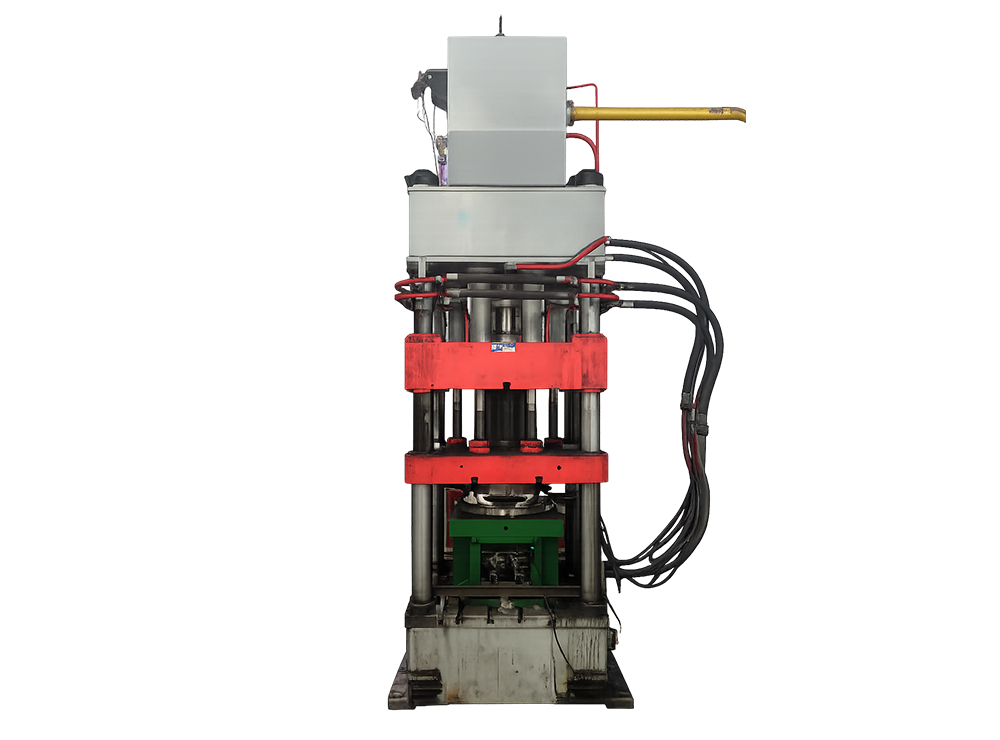
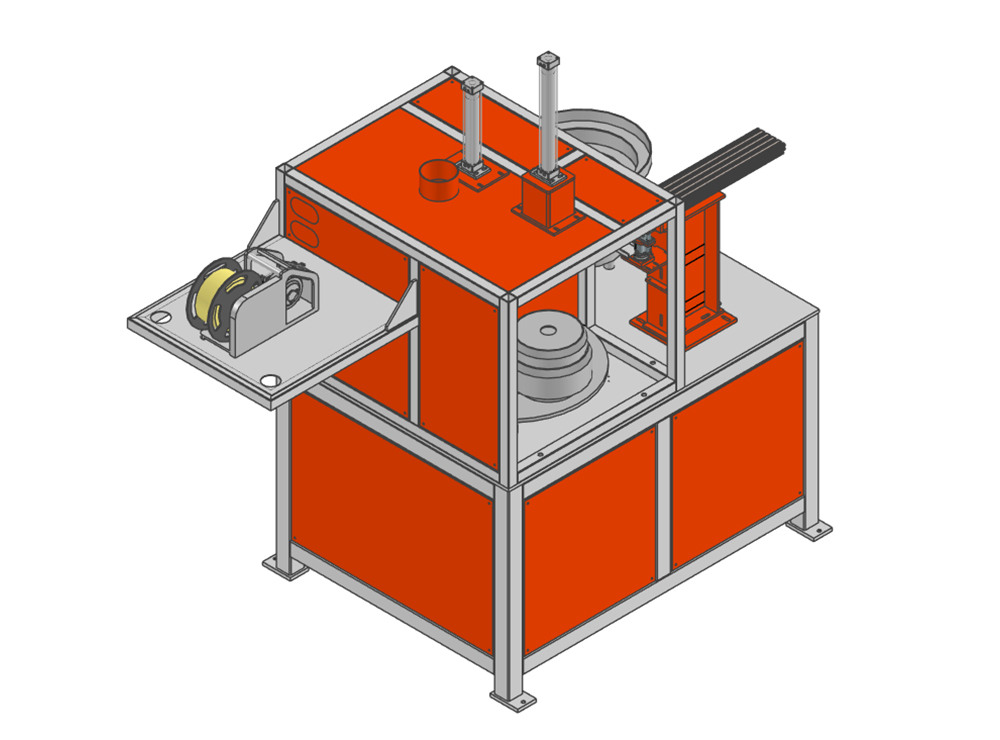
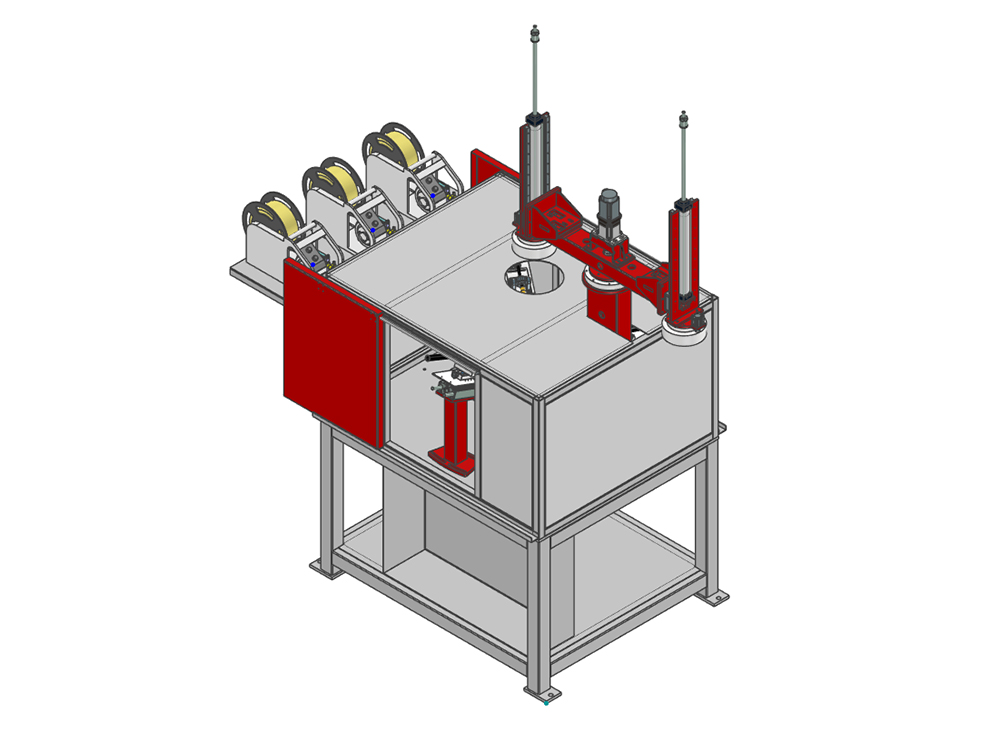
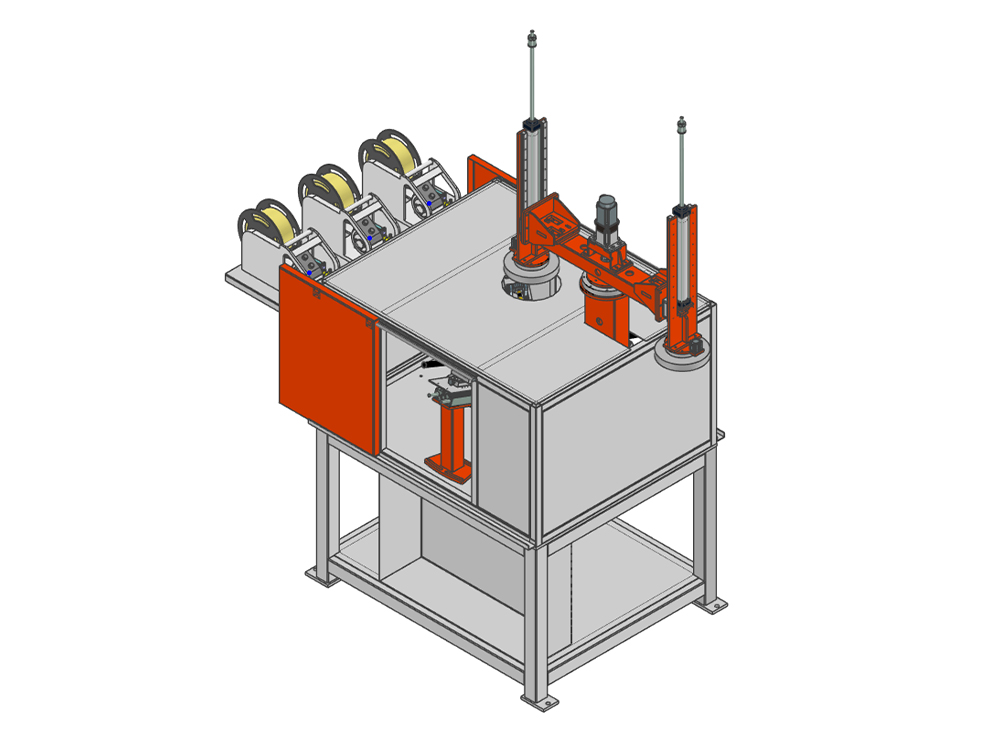
When I assess a supplier such as Shuofang, I look beyond the nominal cylinder size and examine how the product is made, tested, marked, and supported. Henan Shuofang Intelligent Equipment Co., Ltd. presents LPG cylinder manufacturing solutions that include forming, trimming, valve-seat welding, circumferential welding, heat treatment, surface coating, hydraulic pressure testing, and airtightness testing equipment. These production stages are relevant because cylinder safety depends on material control, weld integrity, pressure resistance, and leak prevention.
For buyers sourcing 5KG portable LPG cylinders or similar portable models, I request a technical datasheet before placing an order. The datasheet should identify nominal LPG mass, water capacity, tare weight tolerance, dimensions, valve type, design pressure, test requirements, surface treatment, inspection marking, and applicable certification. If the cylinder will be sold in another country, I also verify whether the design complies with that market’s cylinder standard and inspection system.
Shuofang also describes standard and customized cylinder production capabilities, including support for different specifications and production-line configurations. That information is more relevant to importers, distributors, and gas equipment businesses than to a single household buyer. For a commercial order, I would request sample inspection records, hydrostatic and air-leak test procedures, weld inspection criteria, batch traceability details, and replacement-part arrangements.
How I Choose Between a 5kg and 10kg LPG Cylinder
| If your priority is… | I would usually choose… | Reason |
|---|---|---|
| Lowest practical carrying weight | 5kg | Reduces filled weight and lifting effort |
| One or two short outdoor cooking sessions | 5kg | Provides sufficient fuel without excess storage |
| Long camping trips with limited refill access | 10kg | Extends runtime between refills |
| Multiple burners or group cooking | 10kg | Better suited to higher daily consumption |
| Small vehicle storage area | 5kg | Usually requires less transport space |
| Caravan or food-service compartment | 10kg, if approved | Reduces refill frequency |
| Frequent manual loading and unloading | 5kg | Lower handling demand |
| High fixed refill or delivery cost | 10kg | Can reduce trips for the same fuel volume |
| Uncertain appliance compatibility | Neither until checked | Regulator and valve matching must come first |
I choose the 5kg option when portability is the main constraint and daily fuel use remains moderate. I choose the 10kg option when the cylinder stays in a fixed, ventilated location and the appliance demand makes frequent refilling inconvenient. For either size, I confirm the filled weight, dimensions, regulator, hose, certification, and inspection date before purchase.
Final Thoughts
5KG vs 10KG LPG Cylinders: Which Size Is Best for Portable Applications? The answer depends on whether handling convenience or operating duration has greater value in your situation. A 5kg cylinder is usually the better choice for campers, occasional outdoor cooking, emergency backup, and users who must carry the cylinder frequently. A 10kg cylinder is usually better for caravans, mobile food preparation, longer trips, multiple appliances, and locations where refilling is difficult or costly.
I recommend calculating appliance consumption before choosing the cylinder. Divide the usable LPG mass by the appliance’s hourly consumption, then reduce the theoretical result by approximately 10% to 20% for practical planning. Finally, confirm tare weight, dimensions, valve and regulator compatibility, leak-testing requirements, local certification, and safe transport procedures. For distributors or commercial buyers reviewing portable-cylinder supply, Shuofang’s manufacturing and testing capabilities provide a useful starting point for requesting technical documentation and specification-based quotations.