I. Machine Specifications and Basic Configuration
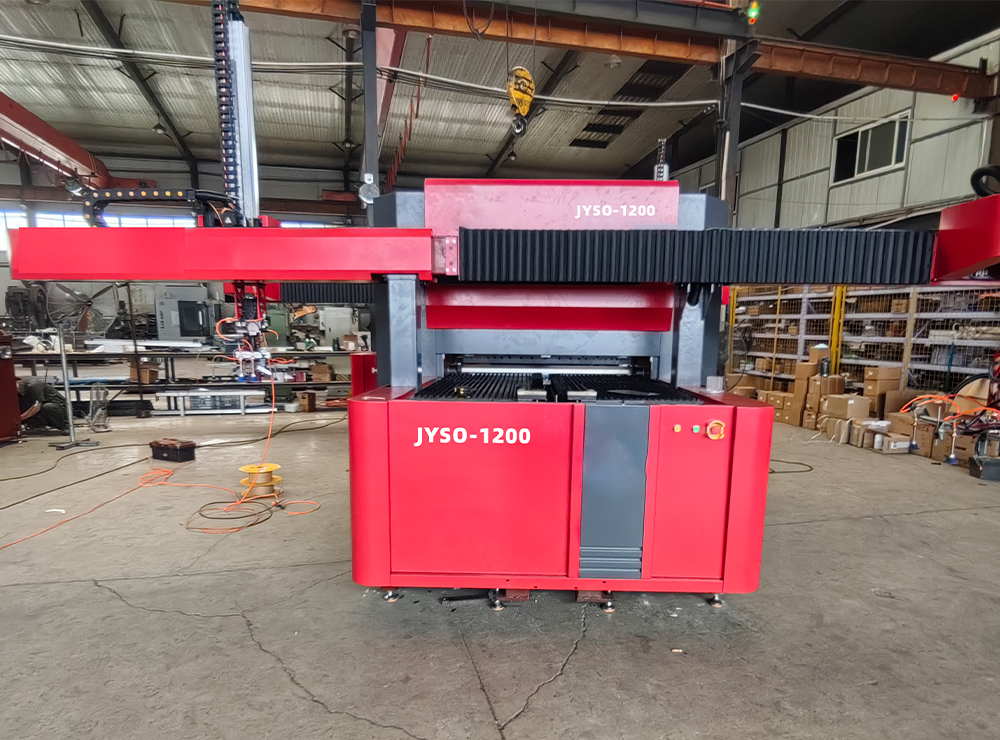
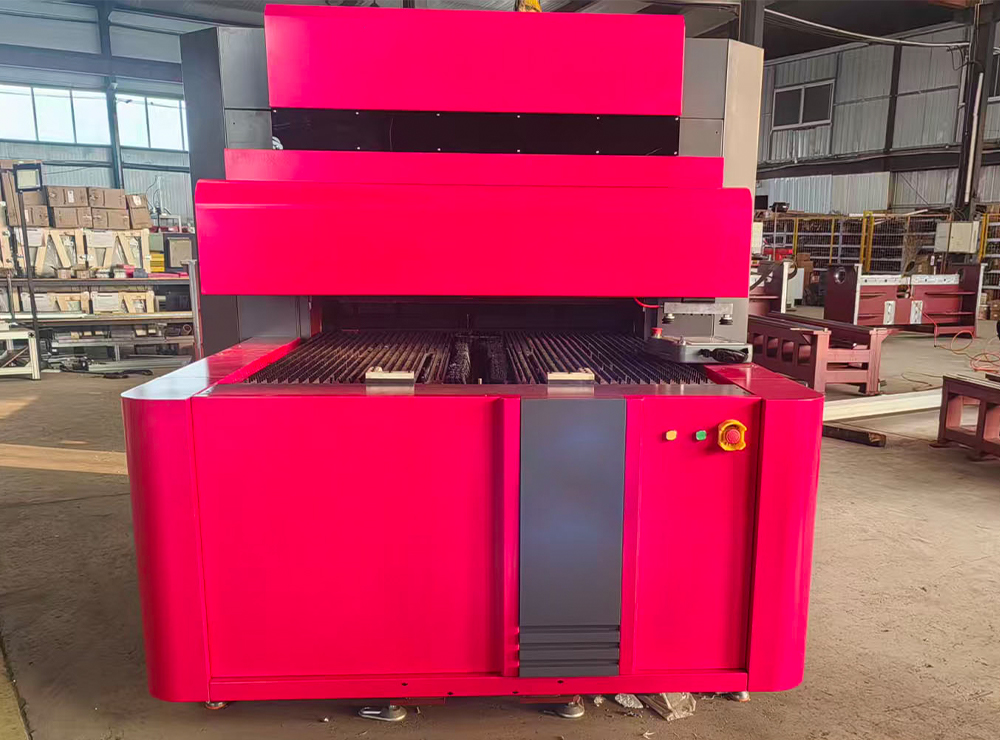
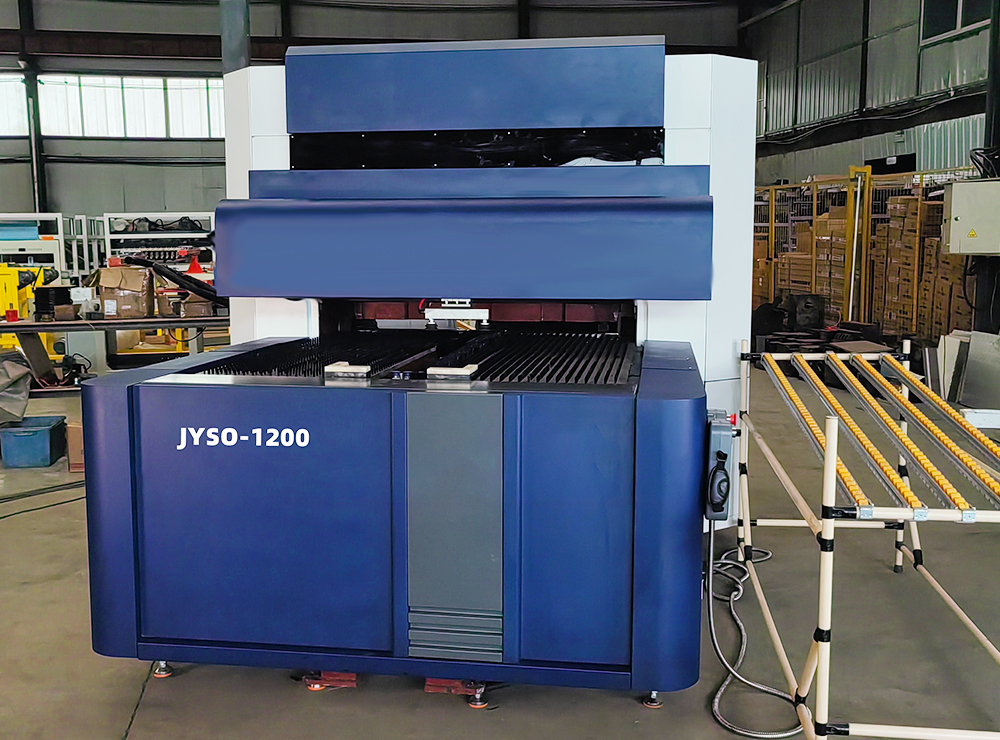
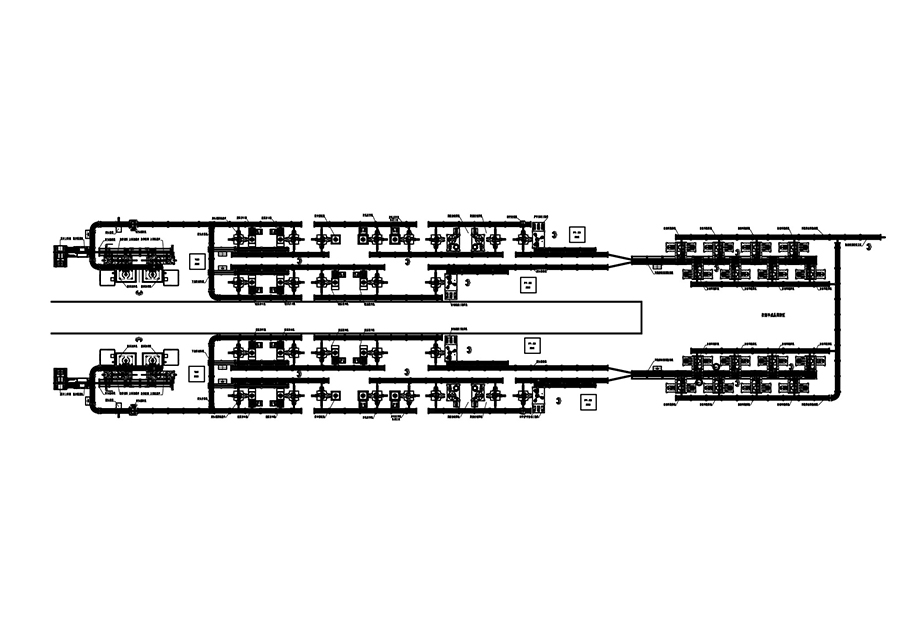
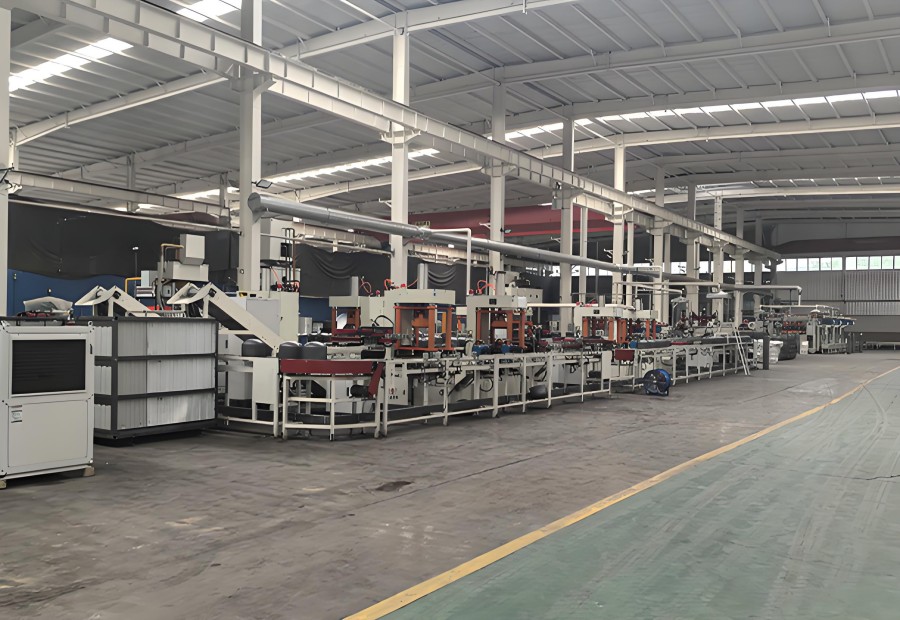
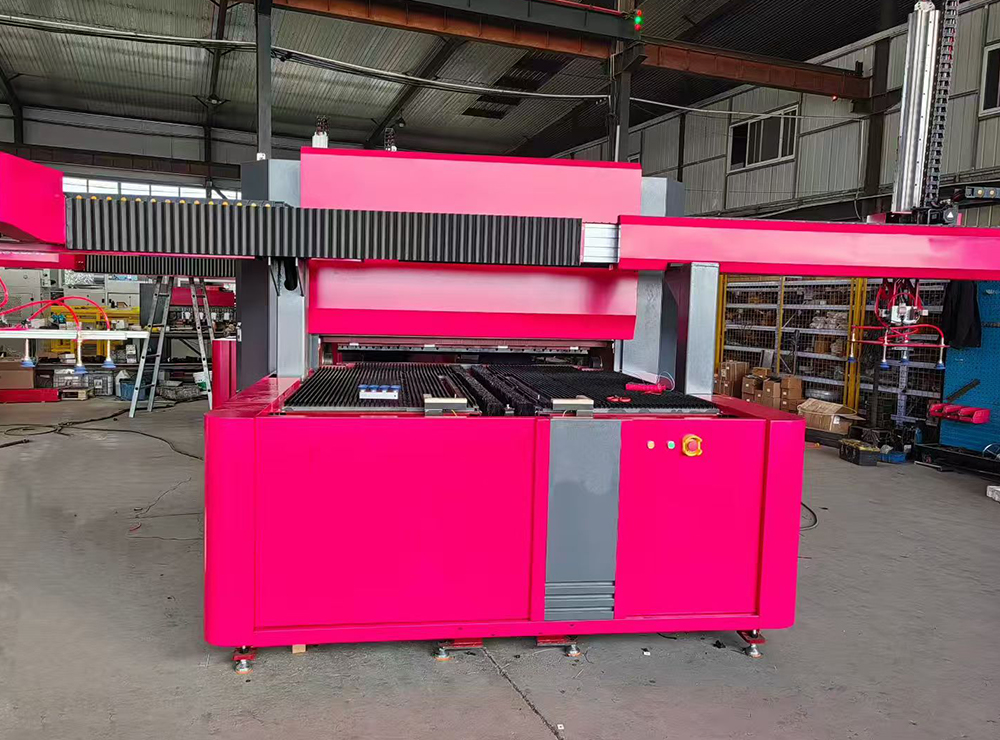
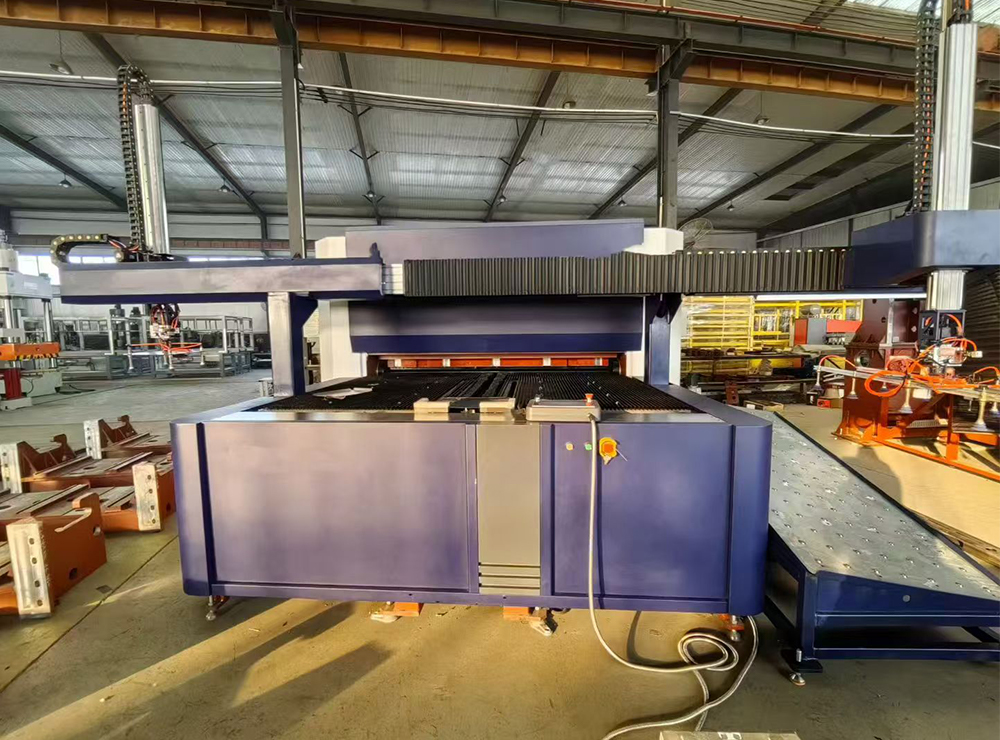
The equipment offers three standard models: 1.2 meters, 1.6 meters, and 2.0 meters, covering most common sheet metal bending widths, and can be matched with different workshop spaces, production capacities, and workpiece size requirements. The entire machine adopts a pure standalone basic architecture, with core functions focused on precise bending. There are no redundant additional modules. Users can flexibly select automatic feeding, automatic unloading, finished product palletizing, etc., according to production rhythm and automation planning, to achieve a gradual upgrade from semi-automation to fully unmanned production lines, balancing initial investment control and long-term expansion compatibility.
II. Process Adaptability and Processing Range
The equipment primarily features top-folding forming technology, possessing efficient and stable processing capabilities for rectangular standard parts. It is compatible with common sheet metal materials such as cold-rolled steel, iron sheet, and regular stainless steel, and is widely used in typical products such as office furniture filing cabinets, power/communication equipment enclosures, equipment shells, and sheet metal structural parts. It can directly process standard rectangular parts and standard folded parts in batches; for irregularly shaped parts, parts with special angles, and complex contours, we can connect with the company's technical team to provide customized process solutions, parameter debugging, and programming support, ensuring the forming accuracy and consistency of complex parts.
III. Efficient Programming and Quick Mold Change
For production scenarios with multiple varieties, small batches, and high-frequency changes, the equipment is equipped with a simplified CNC system. The programming logic is intuitive, and the operation threshold is low, allowing for quick mastery even without experienced technicians. Tool changing and parameter adjustment processes are streamlined, eliminating the need for complex tooling changes and lengthy calibrations. Batch workpiece switching does not occupy effective production time, significantly reducing standby losses and increasing effective output per unit time. Whether for continuous high-volume production or multi-specification mixed-line processing, it can maintain a stable cycle time, adapting to flexible manufacturing needs.
IV. Equipment Stability and Operational Guarantee
The entire assembly, debugging, and precision testing process is completed before shipment. After successful on-site installation and debugging, the equipment can be put into continuous and stable production. Daily operation features a low failure rate and simple maintenance, significantly reducing downtime risks and after-sales costs. Under long-term high-load conditions, bending angles and dimensional accuracy remain consistent, effectively reducing defect rates and ensuring stable order delivery.
V. Flexible Configuration and Cost-Effectiveness
The basic standalone version focuses on core bending functions, eliminating unnecessary configurations to meet core processing needs with a more controllable initial investment. Automation units can be added as needed later, avoiding excessive one-time investment, making it suitable for small and medium-sized sheet metal plants and professional chassis and cabinet processing plants for steady upgrades. Compared to fully integrated models, modular selection better fits actual production processes, offering outstanding cost-effectiveness while balancing quality, efficiency, and cost control.
VI. Applicable Industries and Typical Scenarios
- Office Furniture Industry: Standardized bending of side panels, doors, and partitions for filing cabinets, lockers, and metal cabinets.
- Chassis and Rack Industry: Forming of communication cabinets, power cabinets, network cabinets, and industrial control cabinet shells.
- General Sheet Metal Processing: Batch processing of various sheet metal structural parts, equipment shells, and standard rectangular sheet metal parts.
- Customized Sheet Metal Support: Rapid changeover for small batches of multi-specification parts, enabling continuous production with subsequent automation units.
VII. Technical Support and After-Sales Service
The company provides full-process technical support: Pre-sales: Model and configuration suggestions based on workpiece material, thickness, size, and production capacity; In-sales: Integrated delivery including on-site installation, precision debugging, and operation training; After-sales: Establishing a rapid response mechanism, providing remote guidance and on-site service to solve operation, process, and programming-related issues, ensuring long-term stable and efficient equipment performance.
The flexible bending center, with its core advantages of stability, reliability, flexible configuration, ease of operation, and ease of maintenance, helps sheet metal companies simplify processes, improve efficiency, and reduce reliance on manual labor. It is the ideal equipment for large-scale bending and flexible production of standard parts.